
GPTCAMP G1 Walking Cane Review: Worth It in 2026?


Page Magnifier Sheet
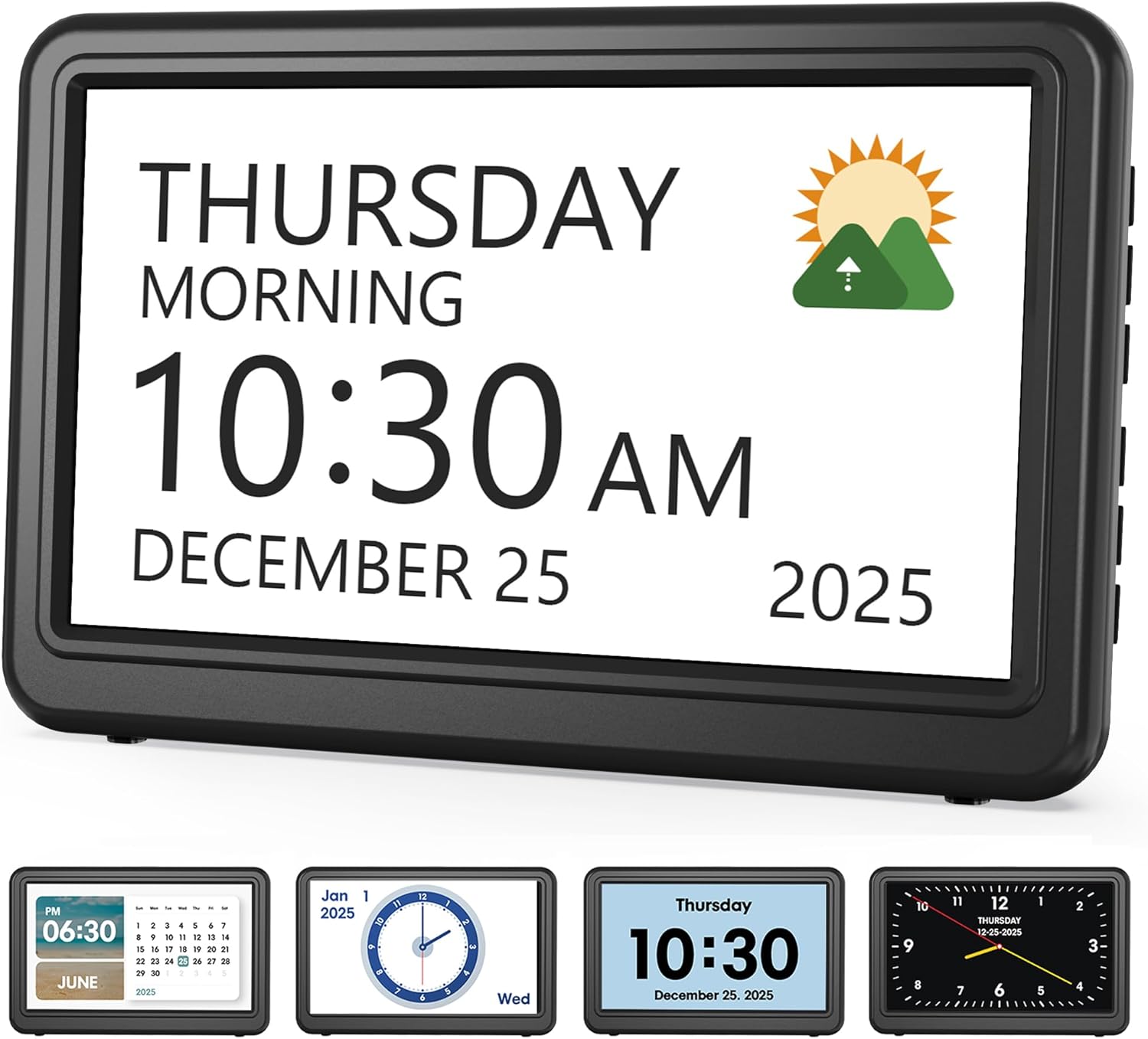
Medication Reminder Alarm

Bed Exit Alarm Sensor
The GPTCAMP G1 is a foldable, self-standing walking cane aimed at seniors, travelers, and people who need moderate balance assistance without carrying a full-size mobility aid. Its combination of a 1.1-pound aluminum frame, 300-pound stated weight capacity, soft offset handle, and wide four-point base makes it more substantial than a basic single-tip cane while remaining easy to transport. Buyer feedback is notably positive about the wide base, comfortable grip, folding design, and everyday stability, although its relatively limited height range means it will not fit everyone.

GPTCAMP G1 Quick Overview and Specifications
| Specification | GPTCAMP G1 |
|---|---|
| Material | Aluminum |
| Weight | About 1.1 lb |
| Stated capacity | Up to 300 lb |
| Height adjustment | 31–36 inches, six positions |
| Suggested user height | Approximately 4’9″–6’1″ |
| Handle | Offset design with EVA foam padding |
| Base | 4.3-inch four-point rubber quad base |
| Portability | Foldable with securing strap and wrist strap |
| Key feature | Self-standing design |
First Impressions
The G1 immediately stands out because it combines features normally divided between travel canes and larger quad canes. The aluminum shaft keeps weight down, while the four-point rubber foot is noticeably broader than a conventional cane tip. That allows the cane to stand beside a chair or counter rather than constantly being leaned against something.
The offset EVA-covered handle is another practical choice. An offset grip positions the user’s hand more directly over the shaft, while the foam surface gives the palm a softer contact point. For anyone still deciding which type of aid is appropriate, SeniorsProTalk’s guide to mobility help for seniors explains when a cane, walker, or rollator may make more sense.
Independent laboratory-style coverage of this exact GPTCAMP model is limited, so the assessment here relies on published specifications and substantial buyer feedback rather than claiming hands-on testing.
Performance and Feel
The 1.1-pound weight is one of the G1’s biggest everyday advantages. Buyers repeatedly describe it as easy to carry, fold for a vehicle or luggage, and deploy again when needed. At the same time, the manufacturer states a 300-pound capacity, giving it a higher rating than several lightweight travel canes.
Six push-button settings adjust the handle from 31 to 36 inches. That should cover many shorter and average-height adults, but the upper limit matters: taller users have more flexibility with models that extend beyond 37 inches. Correct adjustment is important because a cane that is too high or low can encourage awkward posture. The site’s senior mobility safety tips provide useful guidance on fitting mobility aids into safer daily walking habits.
Quad-Base Stability and Surface Traction
The 4.3-inch quad foot is arguably the defining feature. Four rubber contact points create a broader footprint than a traditional single-tip cane and allow the G1 to remain upright on suitable flat surfaces. Buyers frequently highlight this feature because the cane can be parked beside a table, chair, or counter without immediately falling over.
The base is designed to provide non-slip traction and some flexibility while turning. Reports also describe it as relatively quiet on hard floors. However, “self-standing” should not be interpreted as impossible to tip: sloped, uneven, soft, or heavily textured surfaces can still make any freestanding cane unstable.
Durability
The aluminum construction offers a sensible compromise between weight and rigidity. Positive buyer reports commonly mention sturdy shaft construction, secure height adjustment, and continued everyday use. The rubber base is the component most likely to experience routine wear because it makes continuous contact with the ground.
There are isolated complaints involving the rubber foot fitting incorrectly or concerns around adjustment hardware, so check that every connection is secure before relying on the cane. Warranty information also varies between retailer listings, so verify the terms shown on Amazon at the time of purchase.
Value for Money
The G1 is compelling because it combines folding portability, a padded offset grip, self-standing quad foot, wrist strap, adjustable shaft, and a 300-pound stated capacity in one relatively budget-oriented product. That feature mix is particularly attractive for someone who wants a secondary travel cane or an everyday cane that does not constantly fall onto the floor.
Value becomes less convincing if you are outside its height range or need substantial weight-bearing assistance. A cane is not automatically a substitute for a walker; SeniorsProTalk’s best walkers for the elderly covers more supportive alternatives.
GPTCAMP G1 vs Similar Walking Canes
HONEYBULL Free-Standing Walking Cane: HONEYBULL’s current model adjusts from 30 to 36 inches and is rated to 250 pounds. It also uses a self-standing pivot-style base and folds for travel. GPTCAMP has the higher stated weight capacity, while HONEYBULL starts one inch lower.
HurryCane Freedom Edition: HurryCane provides eight height positions from 30.5 to 37.5 inches, supports up to 350 pounds, weighs under one pound, and folds to about 13.75 inches. That makes it more accommodating for taller users and gives it a higher stated capacity. GPTCAMP’s appeal is its straightforward wide quad base and value-focused design.
Pros and Cons
Pros
- Only about 1.1 lb
- 300 lb stated capacity
- Wide self-standing quad base
- Soft offset EVA handle
- Folds for cars and travel
- Six height settings
Cons
- Maximum height is only 36 inches
- Not a replacement for a walker
- Quad foot adds bulk versus a single tip
- Some isolated adjustment or foot-fit complaints
Who Should Buy the GPTCAMP G1?
The G1 makes the most sense for someone who can walk independently but benefits from an extra balance point, wants the cane to stand nearby when not in use, and values easy storage in a car or luggage. It may also suit temporary recovery situations when a clinician has recommended a cane.
Someone with significant weakness, repeated falls, or a need to place substantial body weight through a mobility aid should get professional guidance rather than choosing solely from a product listing. Caregivers can also review these caregiver fall-prevention tips when setting up safer daily routines.
Frequently Asked Questions
How much weight can the GPTCAMP G1 support?
The manufacturer states a maximum capacity of 300 pounds. Users needing significant weight-bearing assistance should still ask a clinician whether a cane is the correct mobility aid.
How tall is the GPTCAMP G1?
It adjusts from 31 to 36 inches in six one-inch positions and is marketed for users approximately 4’9″ to 6’1″.
Does the GPTCAMP G1 stand up by itself?
Yes. Its wide four-point rubber base is designed to let it stand independently on suitable level surfaces.
Is it suitable for traveling?
Yes. At roughly 1.1 pounds with a folding design and securing strap, portability is one of its strongest features.
Is the handle comfortable for longer use?
The offset handle is covered with cushioned EVA foam, and comfort is one of the more consistently positive points in buyer feedback.
Can it replace a walker?
Not necessarily. A cane provides less overall support than a walker. Anyone with serious balance problems, substantial weakness, or repeated falls should seek individualized guidance from a doctor or physical therapist.
Final Verdict
The GPTCAMP G1 earns an 8.6/10 because it packs an unusually useful combination of portability and stability into a lightweight design. The wide self-standing base, soft offset grip, 300-pound stated capacity, and folding frame are meaningful advantages for everyday mobility and travel. Its main limitation is the 36-inch maximum height, and buyers should inspect the adjustment mechanism and rubber foot carefully when it arrives.
For an appropriately fitted user who needs modest balance assistance rather than walker-level support, the G1 offers a practical feature set without unnecessary complexity.
As an Amazon Associate, we earn from qualifying purchases.