
Mobility Help for Seniors Simple Ways to Stay Independent


Folding Walking Stick with Seat

Reacher Grabber Tool
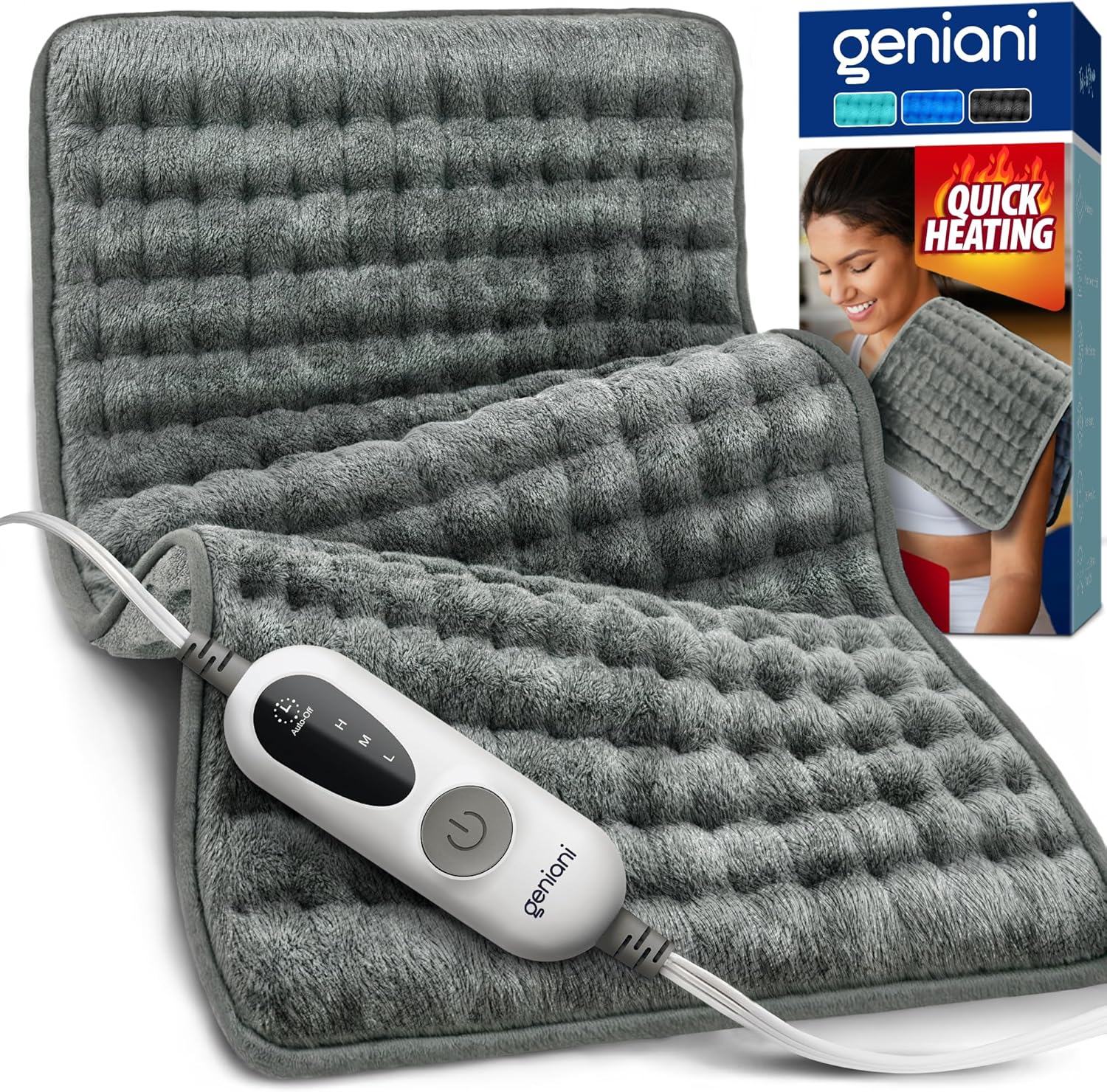
Electric Heating Pad
The best mobility help for seniors combines the right aid, safer home setup, and good daily habits. If mobility changes are new or getting worse, talk to your doctor or therapist before buying equipment.
Mobility help for seniors is not just about getting from one room to another. It is about staying safe, keeping routines, and preserving the freedom to live at home with confidence.
As balance, strength, or endurance changes with age, small adjustments can make a big difference. The right support can reduce fall risk, ease pain, and help daily tasks feel manageable again.
- Start small: A cane, grab bar, or better lighting may be enough.
- Match the aid: Balance, strength, and pain should guide the choice.
- Check safety: Fit, footwear, and transfer habits matter.
- Use expert input: Doctors and therapists can prevent costly mistakes.
Why Mobility Help for Seniors Matters in 2026
How staying mobile supports independence, safety, and confidence
Staying mobile helps seniors do more on their own, whether that means walking to the kitchen, bathing safely, or visiting friends. It also supports confidence, because people often feel steadier when they know they have the right support in place.
Mobility matters for safety too. When movement becomes harder, the chance of slips, stumbles, and overexertion can rise, especially on stairs, in bathrooms, and on uneven floors. Simple support can make home life feel less stressful for both seniors and caregivers.
For many families, the goal is not to “take over” movement. It is to create a safer path for aging in place, with the least amount of help needed to stay active and comfortable.
Common reasons seniors begin needing extra mobility support
There are many reasons a senior may need mobility help for seniors at home. Some common ones include arthritis, muscle weakness, joint pain, balance changes, vision problems, foot pain, recovery after surgery, or side effects from medicine.
Some people also notice slower walking after an illness or a hospital stay. Others become less active because movement feels tiring or painful, and that can create a cycle where strength and balance decline further.
Mobility changes can happen gradually. A person may not need a major device at first, but a small aid or home change can prevent bigger problems later.
Signs a Senior May Need Mobility Help at Home
Difficulty standing, walking, or getting up from chairs
One of the clearest signs is trouble standing up from a chair, bed, or toilet without using both arms or asking for help. A senior may also shuffle, lean on furniture, or need several tries to get moving.
Walking may become slower or less steady. If someone needs to pause often, holds onto walls, or avoids carrying items while walking, those are useful clues that more support may be needed.
Near-falls, slower movement, and avoiding certain rooms or stairs
Near-falls matter even if no injury happened. Catching oneself on a counter, grabbing a door frame, or stumbling without falling can mean the body is already struggling to keep balance.
Another warning sign is avoiding parts of the home. A senior may stop using the basement, skip upstairs bedrooms, or avoid the bathroom at night because the route feels risky.
Many falls happen during everyday tasks, such as getting out of bed, turning quickly, or reaching into a cabinet. Small routines can be the biggest risk points.
Changes caregivers should watch for before a fall happens
Caregivers should watch for shorter steps, new hesitation, holding onto furniture, or a change in posture. A forward lean, a wide stance, or fear of walking alone can all signal that the person is compensating for weakness or poor balance.
Pay attention to changes after new medicine, a recent illness, or a fall. If mobility suddenly gets worse, talk to your doctor or healthcare provider, since the cause may need medical attention.
If a senior has repeated falls, sudden weakness, dizziness, numbness, or a major change in walking, do not wait. These symptoms should be reviewed by a doctor as soon as possible.
Simple Mobility Aids That Make Daily Life Easier
Canes, walkers, rollators, and when each one fits best
Canes can help with mild balance issues or light support on one side of the body. They are often used when a person still walks fairly well but needs a little extra stability.
Walkers offer more support than canes and may be a better choice when balance is weaker or walking feels unsteady. Rollators, which have wheels and hand brakes, can be useful for people who need support but also want to move more easily over longer distances.
The best choice depends on strength, balance, endurance, and hand grip. A device that looks helpful may still be the wrong fit if it is too tall, too heavy, or difficult to control.
| Option | Best For | Note |
|---|---|---|
| Cane | Mild support and light balance help | Works best when fitted to the right height |
| Walker | More stability and slower, steadier walking | May be better for poor balance or weakness |
| Rollator | Longer walks and people who need rest breaks | Requires good braking control and safe use |
Grab bars, raised toilet seats, shower chairs, and bed rails
Some of the most useful mobility help for seniors does not involve walking aids at all. Grab bars in the bathroom, a raised toilet seat, and a shower chair can make transfers safer and reduce the effort needed for daily hygiene.
Bed rails or bed assist handles can help with getting in and out of bed, but they must be installed correctly. Poorly placed rails can create a fall or entrapment risk, so it is wise to consult a healthcare provider or occupational therapist before buying one.
Not every grab bar or bed rail is safe for every person. Improper installation can cause injuries, so choose sturdy products and follow the manufacturer’s instructions carefully.
Wheelchairs and transport chairs for short-term or long-term use
Wheelchairs may be needed when walking is no longer safe or possible for longer distances. Transport chairs are lighter and are meant to be pushed by another person, which can be helpful for appointments or outings.
These options can be temporary after surgery or illness, or they can be part of long-term support. Because use depends on the person’s condition, it is best to discuss the choice with a doctor, physical therapist, or occupational therapist.
Home Changes That Improve Mobility and Reduce Fall Risk
Removing trip hazards, improving lighting, and widening pathways
Many homes can become safer with simple changes. Clear away loose rugs, cords, clutter, and low furniture that can catch a foot or block a walker.
Good lighting matters, especially at night. Bright hallway lights, night lights, and easy-to-reach switches can help seniors see where they are going and avoid sudden missteps.
Where possible, keep pathways wide enough for a cane, walker, or wheelchair. This may mean moving a chair, table, or plant to create a clearer route through the home.
Bedroom, bathroom, and kitchen adjustments that support movement
In the bedroom, a bed that is too low or too soft can make standing up harder. A firmer mattress, a bed riser, or a bedside support handle may help, depending on the person’s needs.
In the bathroom, non-slip mats, a shower chair, and grab bars can reduce strain and slipping. In the kitchen, often-used items should be stored at waist height so a senior does not need to stretch, bend, or climb.
For those interested in safer aging at home, resources like independent living options may also help families compare what level of support fits best.
Practical examples of low-cost upgrades for safer daily routines
Low-cost changes can be very effective. For example, adding brighter bulbs, placing a sturdy chair near the entryway, or using a handheld showerhead may make daily tasks easier without a major remodel.
Other simple upgrades include non-slip tape on steps, a reacher tool for picking up items, and a phone or alert device kept within easy reach. These small steps can support independence while lowering risk.
- Less strain during daily tasks
- Lower fall risk in common problem areas
- More confidence moving around the home
- Better support for aging in place
How to Choose the Right Mobility Support for a Senior’s Needs
Matching the aid to balance, strength, pain, and endurance
The best mobility support depends on what is limiting movement. A person with pain may need a different solution than someone with poor balance, weak legs, or low endurance.
Think about how far the senior walks, whether they need help standing, and whether they can safely use their hands for gripping brakes or handles. If the aid makes the person feel less secure, it may not be the right one.
Comparing purchase, rental, and insurance-covered options
Some items are bought outright, while others may be rented for short-term recovery. Insurance coverage varies by plan, diagnosis, and medical need, so it is important to check the details before spending money.
Medicare and other insurance plans may cover certain durable medical equipment in some situations, but the rules are not the same everywhere. Ask the doctor’s office, supplier, or insurer what documentation is needed before making a purchase.
When professional assessment is worth the cost
A professional assessment can save money and prevent mistakes. An occupational therapist can help with home safety and daily tasks, while a physical therapist can look at walking, balance, and safe movement.
This is especially helpful when a senior has multiple health conditions, uses several medications, or has already fallen. A professional can suggest a better-fitting device and show how to use it correctly.
Common Mistakes Families Make When Setting Up Mobility Help
Choosing equipment that is too large, too small, or used incorrectly
One common mistake is buying equipment without checking the fit. A cane that is too tall or too short can strain the body, and a walker that is poorly adjusted can be hard to control.
Another mistake is assuming the equipment will work automatically. Most aids need practice, and seniors may need instruction on turning, sitting, standing, and using brakes safely.
Waiting too long to ask for help or ignoring warning signs
Families sometimes wait until after a fall to make changes. That delay can lead to injuries, fear of movement, and a longer recovery.
If a senior is already avoiding stairs, gripping furniture, or moving more slowly, it is better to act sooner. Early support often prevents a bigger problem later.
Overlooking footwear, posture, and safe transfer habits
Support devices are only part of the picture. Shoes with a firm heel, non-slip soles, and a secure fit can improve stability more than loose slippers or worn-out shoes.
Posture matters too. Leaning too far forward, twisting suddenly, or rushing from sitting to standing can increase the chance of a fall. Safe transfer habits should be practiced until they feel natural.
- Is the equipment the right height?
- Can the senior use it without pain or fear?
- Are shoes safe and supportive?
- Are transfers from bed, chair, and toilet easy enough?
When to Get Expert Help or Medical Guidance
Warning signs that require a doctor, physical therapist, or occupational therapist
Get professional help if mobility changes happen quickly, if there is pain with walking, if the person has repeated falls, or if they suddenly cannot stand as before. New confusion, dizziness, numbness, or weakness should also be checked.
A doctor can help rule out medical causes, while a therapist can recommend safer movement strategies and equipment. If symptoms are tied to medication, consult your pharmacist or healthcare provider for a review.
Do not assume a cane or walker is enough if the senior has severe balance problems, leg weakness, chest pain with activity, or sudden shortness of breath. These signs need medical guidance.
How to avoid unsafe self-diagnosis and prevent injuries
It is easy to guess that a person “just needs more exercise” or “just needs a walker,” but mobility problems can have many causes. Some are minor, while others need treatment first.
Before making a big change, ask whether the issue is pain, weakness, balance, medication side effects, or a home hazard. That approach helps families avoid injuries and choose the right solution.
Questions caregivers should ask before buying mobility equipment
Before buying, ask what problem the device is meant to solve, who will teach safe use, and whether the item should be temporary or long-term. Also ask if the person can lift, steer, or brake the device safely.
It is also smart to ask about insurance coverage, return policies, and installation needs. If the equipment is for a changing condition, check whether it can be adjusted later.
Final Recap: The Best Mobility Help for Seniors Supports Independence
Key takeaways for safer movement, better confidence, and aging in place
The best mobility help for seniors is the kind that matches real needs and makes daily life feel easier, not more complicated. A cane, walker, grab bar, shower chair, or simple home change can all support safer movement when chosen well.
Small improvements often lead to big gains in confidence. When a senior feels steadier at home, they are more likely to keep doing the things that matter most.
Next steps for families planning mobility support in 2026
Start by noticing where movement feels hardest and what situations feel risky. Then talk to your doctor, caregiver, or therapist about the safest next step, especially if the person has pain, recent falls, or a new decline in mobility.
For many families, the best plan is a mix of equipment, home changes, and good habits. That balanced approach can help older adults stay independent longer while reducing the chance of injury.
Frequently Asked Questions
The best aid depends on balance, strength, pain, and how far the person walks. A doctor, physical therapist, or occupational therapist can help choose the safest option.
Look for trouble standing, slower walking, near-falls, or avoiding stairs and certain rooms. If the change is new or getting worse, talk to a doctor.
Not always. Canes may be enough for mild support, while walkers usually provide more stability for people with weaker balance or more fall risk.
Clear trip hazards, improve lighting, and add grab bars or shower chairs where needed. Small changes in the bedroom, bathroom, and kitchen can make a big difference.
Coverage varies by plan and medical need. Ask the doctor’s office, supplier, or insurance provider what is covered before buying.
Seek medical advice for sudden weakness, repeated falls, dizziness, numbness, pain with walking, or a major change in mobility. These symptoms should not be ignored.