
Caregiver Fall Prevention Tips to Keep Loved Ones Safe


Big Button Mobile Phone
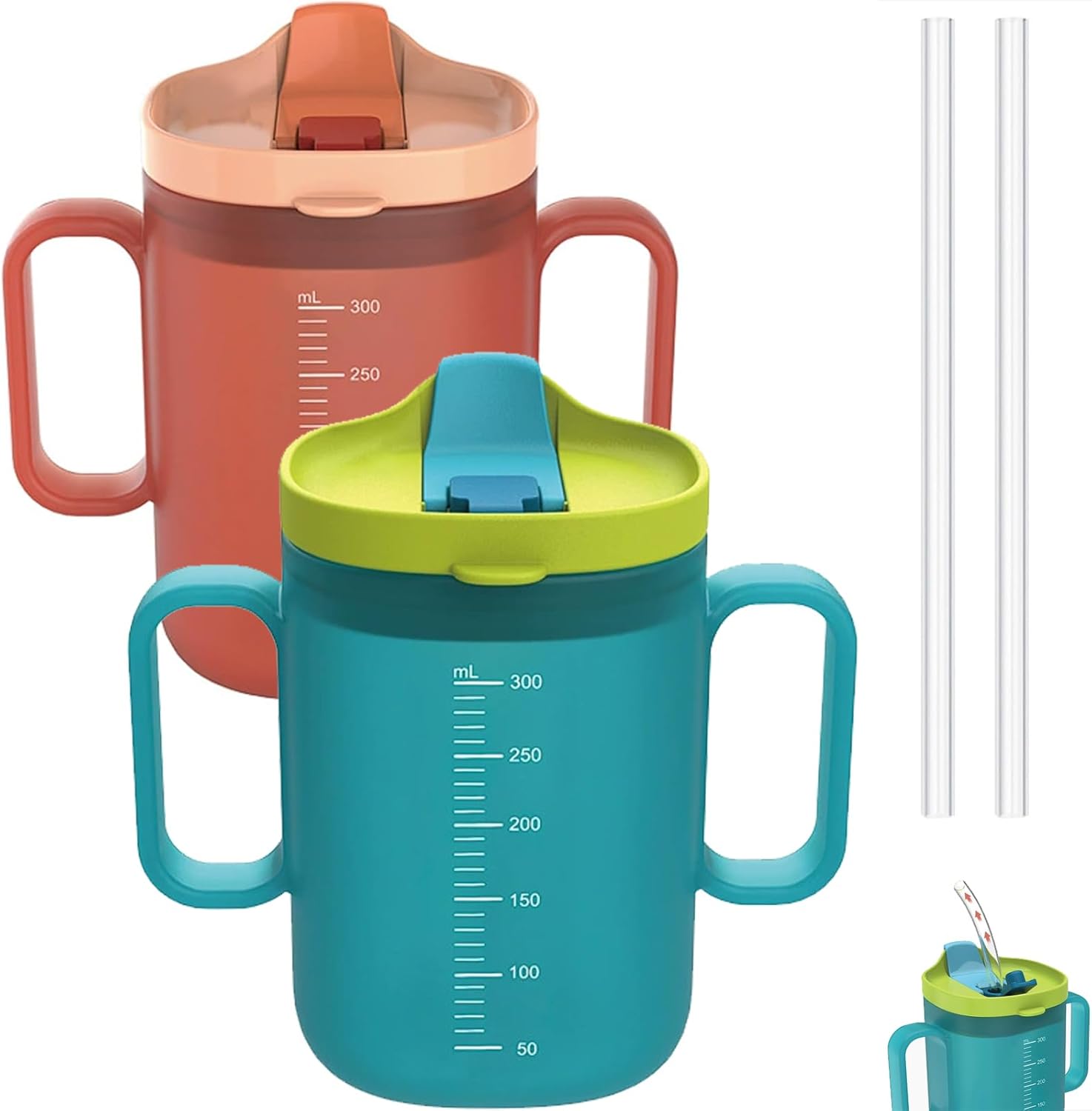
Spill-Proof Adult Cup

Non-Slip Bathroom Mat
Caregiver fall prevention starts with removing home hazards, improving lighting, and supporting safe routines for walking, bathing, and transfers. If falls keep happening or balance changes suddenly, talk to your doctor or a therapist for a closer evaluation.
Falls can change a senior’s life in an instant, but many of them are preventable with the right daily habits and home safety changes. These caregiver fall prevention tips are designed to help you lower risk, support independence, and make everyday movement feel more secure.
- Clear hazards: Remove clutter, loose rugs, and cords from walkways.
- Support movement: Use proper footwear and correctly fitted mobility aids.
- Slow routines: Stand, walk, bathe, and transfer without rushing.
- Watch for warning signs: Near falls, dizziness, and shuffling need attention.
- Get help early: Ask a doctor or therapist when risk keeps rising.
Why Caregiver Fall Prevention Matters in 2026
For older adults, a fall is not just a minor accident. It can lead to pain, fear of moving, a longer recovery, and sometimes a new need for help at home or in a care setting.
Caregivers often notice the small changes first: slower steps, unsteady turns, or hesitation at the bathroom door. That is why prevention matters so much now, especially as more seniors choose to age in place with support from family or paid helpers.
How falls affect independence, recovery, and long-term care needs
A fall can reduce confidence even when there is no major injury. Some older adults begin avoiding stairs, showers, or walking alone after one bad experience, which can lead to less activity and weaker muscles over time.
Recovery may also be slower with age, especially if there are other health conditions. If a fall leads to a fracture, head injury, or hospital stay, talk to your doctor about follow-up care and whether physical therapy or home support may help.
Why caregiver fall prevention tips are more important as seniors age in place
More families are helping loved ones remain at home longer, which makes everyday safety even more important. The home may feel familiar, but familiar does not always mean safe.
Good caregiver fall prevention tips help you notice problems early, before a near fall becomes a serious injury. They also make it easier to build routines that respect a senior’s independence while reducing avoidable risks.
Common Fall Risks Caregivers Should Watch for at Home
Many fall hazards are easy to overlook because they blend into daily life. A careful walk-through of the home can reveal risks that are simple to fix and others that may need professional help.
Clutter, loose rugs, poor lighting, and uneven flooring
Items left on the floor, cords across walkways, and stacked belongings can all create tripping hazards. Loose rugs are especially risky because they can slide underfoot or curl at the edges.
Poor lighting also matters more than many families realize. Seniors may need brighter light in hallways, near stairs, and beside the bed to see changes in floor level, furniture edges, or dropped items.
Uneven flooring, worn thresholds, and slippery surfaces can be difficult to spot until someone stumbles. If the home has older flooring or a recent repair, take extra time to check those areas carefully.
Bathroom, bedroom, and stairway hazards specific to older adults
Bathrooms are a common concern because wet floors, tight spaces, and quick movements can all increase risk. A lack of grab bars, a high tub edge, or no shower chair can make bathing harder and less stable.
Bedrooms can also be risky, especially at night. Low beds, clutter near the path to the bathroom, and shoes or blankets on the floor can lead to a fall when someone is sleepy or moving quickly.
Stairs deserve special attention. Missing handrails, poor lighting, and carrying objects while climbing can make a simple trip much more dangerous for older adults.
Medication side effects, vision changes, and mobility decline
Not every fall risk is in the house itself. Some medicines can cause dizziness, drowsiness, or a drop in blood pressure when standing up, which may make a person feel unsteady.
Vision changes can also affect balance and depth perception. If your loved one has not had an eye exam recently, or if they are bumping into furniture more often, ask their healthcare provider what should be checked.
Mobility decline is another important factor. Weak legs, stiff joints, foot pain, or slower reaction time can all make it harder to recover from a stumble.
If your loved one has dizziness, repeated stumbles, new weakness, or a recent fall, ask a doctor or healthcare provider to review the cause. Medication changes, blood pressure issues, vision problems, and balance disorders should not be ignored.
Caregiver Fall Prevention Tips That Make the Biggest Difference
The best caregiver fall prevention tips are usually practical, low-cost, and easy to maintain. Start with the changes that reduce the greatest risk right away, then build safer habits over time.
Simple home safety upgrades that reduce immediate risk
Clear walkways, remove loose rugs, and keep cords out of traffic areas. Add brighter bulbs where needed, especially in hallways, bathrooms, and stair areas.
Install grab bars in the bathroom if the person needs support getting in and out of the shower or off the toilet. Non-slip mats, a raised toilet seat, and a shower chair can also make daily routines safer.
If the home has steps outside or inside, make sure handrails are sturdy. Small changes like these can make a big difference without turning the home into a medical space.
Safe footwear, assistive devices, and proper walker or cane use
Supportive shoes with non-slip soles are better than socks, slippers without backing, or worn-out shoes. Footwear should fit well and stay secure on the foot.
If your loved one uses a cane or walker, make sure it is the right height and in good condition. A device that is too short, too tall, or used incorrectly can create new problems instead of solving old ones.
If you are unsure whether the walker or cane is being used correctly, ask a physical therapist, occupational therapist, or healthcare provider to check it. A short fitting session can improve safety and confidence.
Creating safer routines for getting up, bathing, and moving around
Quick movements often lead to trouble. Encourage a slow sit-to-stand routine: sit upright, pause, stand carefully, and wait a moment before walking.
Bathing should never feel rushed. Keep towels, soap, and clothing within reach so the person does not need to twist, stretch, or step away while wet.
At night, keep a clear path to the bathroom and consider a bedside light or motion light. If your loved one wakes often, this one change can help prevent a serious stumble.
Many falls happen during ordinary moments, not during unusual activity. Slowing down a few daily routines can be one of the most effective safety upgrades a caregiver can make.
How to Build a Fall-Prevention Plan Around Daily Care Needs
A fall-prevention plan works best when it fits the person’s real life. A person with memory loss, for example, may need different support than someone recovering from surgery or living with arthritis.
Matching prevention steps to dementia, balance issues, or post-surgery recovery
People with dementia may forget to use a walker, rush to the bathroom, or become confused in low light. Simple cues, clear pathways, and consistent routines can help reduce risk.
Someone with balance issues may need more supervision during turns, transfers, or stairs. After surgery, weakness and pain can make movement less steady, so follow the care instructions from the surgeon or therapist closely.
Because needs vary so much, talk to your doctor or rehabilitation team about what level of support is appropriate. The safest plan is the one that matches the person’s current ability, not just their usual habits.
Using a room-by-room checklist to track hazards and progress
A checklist helps you stay organized and notice what has improved. It also makes it easier to share information with family members or professional caregivers.
- Are walkways clear of clutter and cords?
- Are rugs secured or removed?
- Is lighting bright enough in hallways and bathrooms?
- Are grab bars, rails, and bathroom supports sturdy?
- Is the cane or walker being used correctly?
If you want a ready-made care tool, a senior caregiver daily checklist template can help you track safety tasks without forgetting the small details.
When to involve family members, neighbors, or professional caregivers
Fall prevention should not fall on one person alone. Family members can help with home changes, transportation, or regular check-ins, while neighbors may be able to help in an emergency.
Professional caregivers can be especially helpful when a loved one needs supervision during bathing, walking, or nighttime routines. If your schedule is stretched thin, extra help may be safer than trying to manage everything alone.
When care needs increase, it can also help to review living options and support levels. For some families, a move to a safer setting may be worth discussing alongside home-based care.
Practical Examples of Fall Prevention in Real Caregiving Situations
Fall prevention often becomes clearer when you picture everyday moments. These examples show how small changes can reduce risk in common caregiving situations.
Helping a parent with nighttime bathroom trips
If your parent gets up often at night, place a lamp or motion light near the bed and keep the path to the bathroom clear. Make sure slippers are easy to slip on and have good traction.
Consider keeping the bathroom door open at night if privacy and safety allow it. That can make the route easier to see and reduce confusion in the dark.
Supporting a loved one who shuffles, freezes, or uses a walker
Some seniors take short, shuffling steps or pause suddenly when turning. These patterns can raise fall risk, especially in tight spaces or crowded rooms.
Give the person extra room to move, and avoid rushing them. If they use a walker, keep it close and make sure it is not being lifted or pushed too far ahead.
If walking has become noticeably slower or more difficult, consult a physical therapist or healthcare provider. A movement change can sometimes signal a problem that needs attention.
Preventing falls during transfers from bed, chair, or car
Transfers are one of the most common times for a fall. Getting up from a soft chair, stepping out of a car, or moving from bed to standing can all be harder than they look.
Encourage the person to pause before standing, use armrests when available, and avoid twisting suddenly. A transfer belt or hands-on help may be appropriate in some situations, but only if you have been shown safe technique.
If you are unsure how to assist without pulling or straining, ask a therapist to demonstrate the safest method. That guidance can protect both the caregiver and the older adult.
Common Mistakes Caregivers Make When Trying to Prevent Falls
Even careful caregivers can miss important details. Knowing the most common mistakes can help you avoid them.
Overreliance on speed instead of safe routines
It is easy to rush when you are trying to help someone move quickly or when daily tasks pile up. But speed often increases risk, especially during bathing, dressing, or transfers.
Safer routines may take a few extra minutes, but they reduce the chance of injury. In caregiving, slower is often safer.
Ignoring “near falls” or changes in walking confidence
A near fall is when someone stumbles, grabs furniture, or catches themselves before hitting the floor. These moments matter because they can be an early warning sign.
If your loved one is holding onto walls more often, hesitating before walking, or saying they feel “off balance,” pay attention. Those changes should be discussed with a doctor or healthcare provider.
Assuming one safety fix solves every risk
Removing a rug is helpful, but it will not fix poor vision, weak legs, or medication side effects. Fall prevention usually works best when several small changes are made together.
Think of it as layers of protection: safer footwear, better lighting, better routines, and medical follow-up when needed. One fix helps, but a full plan helps more.
When to Get Medical or Home Safety Help
Sometimes fall prevention is no longer just a home project. When risk keeps rising, professional support can make the home safer and the care plan easier to manage.
Warning signs that a doctor, physical therapist, or occupational therapist should evaluate fall risk
Ask for an evaluation if your loved one has repeated falls, frequent dizziness, new weakness, foot pain, or trouble standing from a chair. A sudden change in balance should also be checked.
Physical therapists can help with strength and walking safety, while occupational therapists often focus on home setup and daily activities. Your doctor can help decide which type of support is most appropriate.
Call for urgent medical help after a fall if there is a head injury, chest pain, severe pain, confusion, loss of consciousness, or inability to stand. Do not wait if something seems seriously wrong.
When repeated falls mean it may be time for more support at home
If falls keep happening despite home changes, the current level of care may no longer be enough. That can mean adding more supervision, changing routines, or considering a different living arrangement.
Some families also find that nighttime help, bathing support, or regular check-ins reduce risk and stress. If memory loss or confusion is part of the picture, extra support may become even more important.
Cost comparison: DIY safety changes vs. professional home assessments and caregiver assistance
Simple home changes are often the most affordable first step, but professional help can be worth the cost when risks are complex. A home safety assessment may identify issues that family members miss.
Insurance coverage, including Medicare, can vary depending on the service and the reason for care. Some therapy visits may be covered when medically necessary, but home modifications and nonmedical caregiver help often are not, so confirm details with your plan before you spend.
Final Recap: The Most Effective Caregiver Fall Prevention Tips
The most effective caregiver fall prevention tips are the ones you can use every day. Clear the home, improve lighting, support safe footwear, and watch for changes in balance, confidence, or medication effects.
Key takeaways for keeping loved ones safer, steadier, and more independent
Falls are often caused by a mix of home hazards, health changes, and rushed routines. The best prevention plans address all three.
When in doubt, talk to your doctor, consult your pharmacist about medication side effects, and ask a therapist for help with mobility or home setup. A little guidance can go a long way toward keeping a loved one safer and more independent.
Next steps caregivers can take this week
Start with one room and one routine. Remove clutter, improve lighting, check footwear, and make sure the bathroom and bedroom are easier to use safely.
Then watch for near falls, slower walking, or new hesitation. Those signs are your cue to update the care plan before a small problem becomes a serious one.
Frequently Asked Questions
Start by clearing walkways, removing loose rugs, and improving lighting. These simple changes can reduce the most common tripping hazards right away.
Watch for dizziness, slower walking, shuffling, holding onto furniture, or fear of moving around. Repeated near falls are also an important warning sign to discuss with a doctor.
Not always. They help when used correctly, but the device must fit well and the home still needs to be safe, with clear paths and good lighting.
Bathrooms, bedrooms, hallways, and stairways deserve the closest attention. These are common places for slips, trips, and balance problems.
Call a doctor after any fall that causes pain, head injury, confusion, or trouble standing. Also call if your loved one has repeated falls, dizziness, or a sudden change in balance.
Coverage varies by service and plan. Some therapy or medical evaluations may be covered, but home modifications and nonmedical caregiver help often are not, so check with your plan first.