
What Are Good Hobbies for Widowed Seniors? 21 Meaningful Ideas


Voice Assistant Smart Speaker

Toilet Seat Bidet Attachment

Large Print Keyboard
Quick Answer
Good hobbies for widowed seniors include walking, gardening, reading, painting, photography, volunteering, book clubs, cooking, genealogy, music, crafts, card games, and gentle exercise. The best choice offers enjoyment, manageable structure, and the amount of social contact that feels comfortable right now. The National Institute on Aging also encourages older adults to take part in meaningful activities they enjoy.
Good Places to Start
- For quiet time: Try reading, puzzles, journaling, genealogy, knitting, or painting.
- For connection: Consider book clubs, card groups, volunteering, classes, or community gardening.
- For movement: Walking, swimming, tai chi, gardening, and gentle dancing can work well.
- For purpose: Volunteering, mentoring, teaching a skill, or caring for a garden can create meaningful routines.
- For creativity: Photography, watercolor, music, cooking, woodworking, and crafts offer visible progress.
An Easy First Step
- Choose one activity and try it two or three times before buying expensive equipment or making a long commitment.
Losing a spouse can change far more than a person’s relationship status. Daily routines, weekends, friendships, meals, travel plans, and even quiet evenings may suddenly feel different.
I don’t think a hobby should be treated as a way to “stay busy” and avoid grief. A better goal is to find something that adds a little enjoyment, structure, connection, or purpose without creating pressure.
In This Guide
- Why Can Hobbies Help After Losing a Spouse?
- What Are the Best Hobbies for Widowed Seniors?
- What Quiet Hobbies Can Widowed Seniors Do at Home?
- Which Hobbies Help Widowed Seniors Meet People?
- What Active and Outdoor Hobbies Are Good Choices?
- Which Hobbies Can Create Purpose and New Goals?
- How Do You Choose a Hobby After Losing a Spouse?
- Frequently Asked Questions
- Final Takeaway
Why Can Hobbies Help After Losing a Spouse?
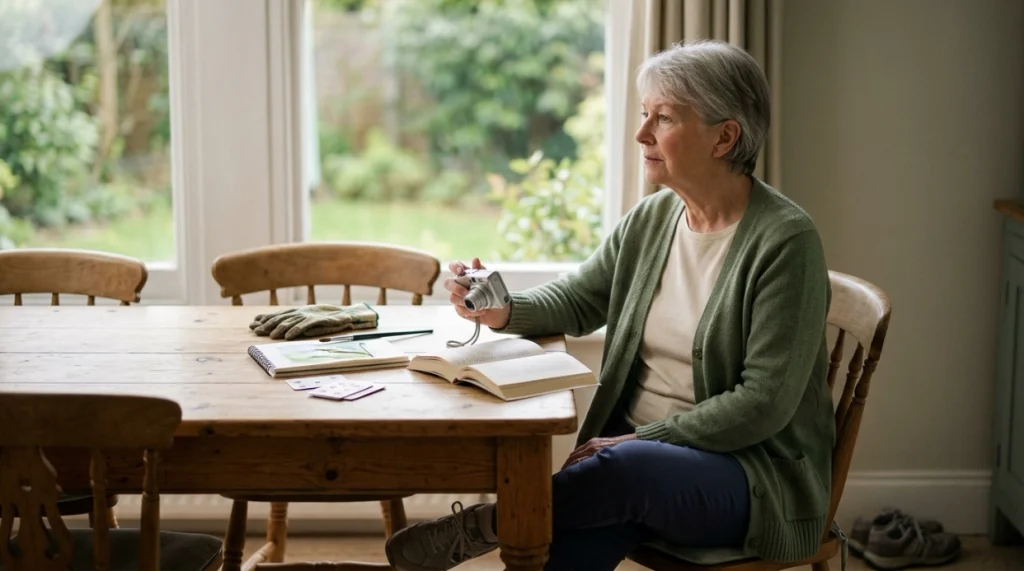
Hobbies can provide gentle structure, enjoyable focus, social contact, and something personal to anticipate. They won’t remove grief, and they don’t need to.
A useful hobby is simply a voluntary activity you return to because it gives you enjoyment, curiosity, movement, creativity, connection, or a sense of progress.
A hobby can rebuild part of the weekly routine
Widowhood often changes routines that were built over decades. Meals, shopping trips, evenings, and weekends may no longer follow the same pattern.
A regular activity can create a new anchor without filling every hour.
- Monday: Take a 20-minute morning walk.
- Wednesday: Attend a library or community class.
- Friday: Spend 30 minutes gardening or painting.
- Weekend: Meet a friend for cards, coffee, or a hobby group.
Hobbies can create natural social contact
Living alone and feeling lonely are not the same thing. However, losing a spouse can reduce everyday conversation and shared social routines.
The National Institute on Aging’s guidance on loneliness and social isolation encourages meaningful activities, hobbies, volunteering, and regular contact with others as ways older adults can stay connected.
You don’t have to be productive
There is no requirement to turn a hobby into a side business, master a difficult skill, or keep an impressive schedule. Enjoyment is enough.
Some weeks may support several outings. During harder weeks, listening to an audiobook or watering plants may be plenty.
Health note: Grief is personal, and hobbies aren’t a substitute for medical or mental health care. If sadness, hopelessness, sleep problems, loss of interest, or other symptoms are persistent or concerning, consider talking with your doctor or another qualified professional.
What Are the Best Hobbies for Widowed Seniors?
The best hobbies fit your current energy, mobility, finances, interests, and preferred amount of social interaction. A hobby that feels comforting to one person may feel draining to another.
As of 2026, there are also more flexible choices than ever because many hobbies can be enjoyed at home, in local groups, or online.
| Hobby | Good First Session | Physical Demand | Social Level | Why It May Fit |
|---|---|---|---|---|
| Walking | 10–20 minutes | Low to moderate | Solo or social | Simple routine and gentle movement |
| Gardening | 15–30 minutes | Adjustable | Usually solo | Routine and visible progress |
| Book club | 45–90 minutes | Low | High | Repeated conversation with familiar people |
| Painting | 20–30 minutes | Low | Solo or class | Creative expression without competition |
| Volunteering | 1–2 hours | Varies | High | Purpose and community connection |
| Genealogy | 20–40 minutes | Low | Mostly solo | Family history and meaningful research |
| Card games | 30–60 minutes | Low | High | Conversation with a built-in activity |
| Photography | 15–30 minutes | Adjustable | Solo or social | Encourages observation and exploration |
21 hobbies worth considering
- Walking
- Container gardening
- Birdwatching
- Photography
- Watercolor painting
- Drawing
- Knitting or crochet
- Quilting
- Journaling
- Memoir writing
- Reading
- Audiobooks
- Genealogy
- Card or board games
- Book clubs
- Cooking or baking
- Learning an instrument
- Choir or community music
- Tai chi or gentle exercise
- Volunteering
- Adult education classes
The important point is variety. You can choose one quiet hobby for home and one social activity for the week.
Section Takeaway: The right hobby is not the busiest or most impressive option. It is one you can comfortably return to and still enjoy.
What Quiet Hobbies Can Widowed Seniors Do at Home?
Home hobbies are useful when you want privacy, have limited transportation, feel tired, or simply aren’t ready for regular group activities. They can still create meaningful structure.
Reading and audiobooks
Reading can turn an empty evening into time you actively chose. Large-print books, e-readers, and audiobooks can make the hobby more accessible.
Try choosing a theme for each month. History, mysteries, biographies, travel, and classic novels all provide an easy starting point.
Journaling and memoir writing
You don’t have to write about grief unless you want to. You could record childhood memories, recipes, family stories, travel experiences, or lessons you want younger relatives to remember.
Start with ten minutes. One page is enough.
Genealogy and family history
Genealogy combines research, photographs, documents, family conversations, and storytelling. It can become a long-term project without needing to leave home.
- Label old family photographs.
- Build a simple family tree.
- Record stories connected to relatives.
- Organize recipes or letters.
- Interview family members by phone.
Creative hobbies
Painting, knitting, crochet, scrapbooking, drawing, flower arranging, and simple woodworking provide visible progress. That can make short sessions feel satisfying.
Keep the first project small. Finishing a simple watercolor or scarf often feels better than beginning an ambitious project that becomes stressful.
Which Hobbies Help Widowed Seniors Meet People?
The easiest social hobbies put conversation beside an activity instead of making conversation the entire activity. Shared interests reduce the pressure of meeting unfamiliar people.
The CDC’s guidance for older adults highlights activities such as gardening, crafts, group exercise, book clubs, games, and faith-based activities as ways to strengthen social connectedness.
Book clubs and discussion groups
A monthly book club gives everyone an obvious subject to discuss. You also see the same people repeatedly, which can make relationships develop more naturally.
Cards, chess, and board games
Games are useful when unstructured social events feel awkward. The rules give people something to focus on while conversation happens around the table.
Community classes
Libraries, senior centers, community colleges, recreation departments, and arts organizations may offer beginner classes. Good possibilities include painting, computers, cooking, languages, crafts, and music.
Walking groups
A walking group combines conversation with movement. It also gives you a clear start and finish, which may feel easier than attending an open-ended social gathering.
- Start with a familiar local route.
- Choose a pace that allows comfortable conversation.
- Wear appropriate footwear.
- Bring water when conditions require it.
- Choose well-lit, accessible places.
You don’t need ten new friends. A regular conversation with one or two people can still make a hobby socially meaningful.
What Active and Outdoor Hobbies Are Good Choices?
Walking, gardening, birdwatching, swimming, tai chi, gentle dancing, and nature photography can combine recreation with movement. Choose activities that match your health, balance, stamina, and mobility.
Walking
Walking has almost no learning curve. A first outing can be as short as ten minutes around a familiar block, park, mall, or indoor track.
Gardening
A garden doesn’t require a large yard. Containers, herbs, raised beds, and indoor plants can make the activity easier to manage.
I like gardening as a retirement hobby because it naturally creates small future tasks. There is usually something to water, trim, plant, notice, or look forward to.
Birdwatching and nature photography
Both hobbies encourage you to notice details that are easy to miss during an ordinary walk. A smartphone, simple camera, or pair of binoculars can be enough to begin.
Swimming and water exercise
Many community pools and recreation centers offer senior-friendly sessions. A structured class can also provide predictable social contact.
Health note: Check with a health professional before beginning unfamiliar exercise if you have medical conditions, recent surgery, balance problems, chest symptoms, or other concerns. Stop an activity if you develop concerning pain, dizziness, or unusual shortness of breath.
Which Hobbies Can Create Purpose and New Goals?
Volunteering, mentoring, teaching, learning, and caring for something can create a sense of contribution. That can be especially valuable when old household roles have changed.
Volunteering
Volunteering can be as structured or flexible as you want. Libraries, museums, schools, hospitals, food programs, animal shelters, community gardens, and local charities may need help.
- Read with children.
- Organize donations.
- Help at a community event.
- Assist with a garden.
- Make phone calls for a nonprofit.
- Share a professional skill.
The goal is not to stay busy every day. A two-hour volunteer shift once a week may provide enough routine and connection.
Teach something you already know
Decades of experience can become a hobby in itself. Cooking, sewing, woodworking, gardening, photography, budgeting, music, repair skills, and crafts can all be shared.
Learn something completely new
Being a beginner can feel refreshing. Try a language, digital photography, music, local history, computer skills, pottery, or another subject that has always interested you.
The National Institute on Aging notes that meaningful social and productive activities may support well-being as people age. That doesn’t mean every hobby must have a health goal.
How Do You Choose a Hobby After Losing a Spouse?

Choose based on what feels manageable now, not what you think you should enjoy. Your preferences may also change as grief and daily life change.
Use five practical questions
- Interest: Would I choose this if nobody else suggested it?
- Energy: Can I do it comfortably on an ordinary day?
- Social level: Do I want company, quiet time, or a mixture?
- Access: Can I reach the activity safely and affordably?
- Pressure: Does this feel enjoyable rather than like another obligation?
Try the two-week test
Don’t buy expensive equipment immediately. Give a promising hobby two weeks and try it several times in its simplest form.
- Pick one activity that genuinely interests you.
- Keep the first session between 15 and 60 minutes.
- Notice your comfort, energy, mood, and desire to return.
- Adjust the activity if one part feels difficult.
- Continue only if it adds something worthwhile to your week.
It’s okay to return to an old hobby differently
Some activities may carry strong memories of your spouse. You don’t have to abandon them, but you also don’t have to continue them exactly as before.
A shared gardening hobby might become container gardening. A shared travel interest might become local photography trips or a travel-history book club.
Don’t force socializing before you’re ready
You may want company immediately, or you may prefer solitude for a while. Neither preference needs to become permanent.
If grief is accompanied by persistent loss of interest, hopelessness, or other concerning symptoms, the National Institute on Aging’s information on depression in older adults explains common warning signs and when professional support may be appropriate.
Section Takeaway: Start small and let interest guide the next step. A hobby should support your life as it is today, not force you into somebody else’s idea of how widowhood should look.
Frequently Asked Questions
What is a good hobby for a recently widowed senior?
A quiet, low-pressure hobby is often easiest at first. Reading, walking, gardening, puzzles, journaling, photography, cooking, or simple crafts let you control the pace and stop whenever you need a break.
What are good social hobbies for widows and widowers?
Book clubs, card groups, walking clubs, choir, volunteering, community gardening, senior-center classes, faith-based groups, and adult education courses provide repeated contact around a shared activity. That can make conversation easier than attending events designed only for socializing.
Are hobbies helpful for loneliness after a spouse dies?
Social hobbies can create opportunities for conversation, friendship, and community involvement. They aren’t a guaranteed cure for loneliness, but meaningful activities and regular social contact are among the approaches the National Institute on Aging recommends for staying connected.
What hobbies are good for widowed seniors with limited mobility?
Consider audiobooks, genealogy, journaling, painting, knitting, puzzles, indoor gardening, music, online classes, photography from home, card games, or seated crafts. Adapt the setup for comfortable seating, lighting, vision, hearing, and hand strength.
Should a widowed senior choose a solo hobby or a group hobby?
Either can be valuable. A useful balance may be one private hobby for quiet days and one group activity that provides regular contact without demanding too much social energy.
How many hobbies should a widowed senior have?
There is no ideal number. One or two hobbies that genuinely improve the week are usually more useful than a crowded schedule filled with activities you feel obligated to maintain.
What if nothing sounds enjoyable after losing a spouse?
Grief can reduce motivation and interest, especially early after a loss. Start with something small and familiar, but consider speaking with a doctor or mental health professional if loss of interest or other concerning symptoms persist or interfere with everyday life.
Final Takeaway
Good hobbies for widowed seniors aren’t about replacing a spouse or covering every quiet moment. They are about creating small pieces of life that still feel personal, interesting, useful, creative, active, or connected.
Start with one simple activity. Give it a few tries, keep what helps, and let go of what doesn’t.
Your routine does not have to be rebuilt all at once. A walk, a book, a garden pot, a weekly class, or one volunteer shift can be a meaningful place to begin.