
Door Alarm vs Medical Alert for Seniors


Automatic Can Opener

Fall Detection Smart Watch

Large Print Keyboard
Door Alarm vs Medical Alert systems solve two very different safety needs. A door alarm alerts someone when a door opens, while a medical alert system helps a person call for assistance during an emergency.
The right choice depends on what you want to protect. A door alarm can help caregivers know when someone leaves or enters an area. A medical alert system is designed to give the user a way to request help when they need it.
Quick Comparison
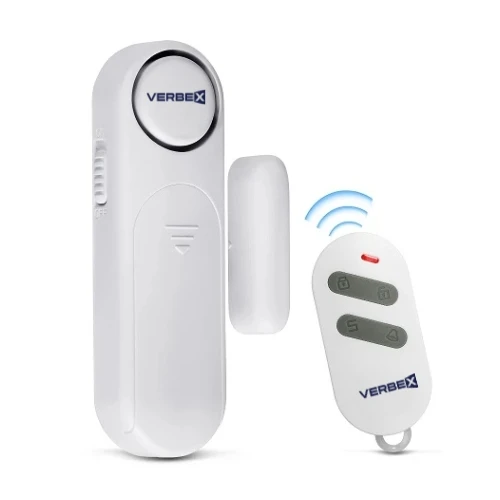
A door alarm is mainly useful for monitoring movement through a door. It can be a simple and low-maintenance option for a home.
A medical alert system is more focused on personal emergencies. Many systems use a wearable button and connect the user with a response center. Some also offer optional fall detection.
A door alarm watches the door. A medical alert system watches over the person.
Door Alarm vs Medical Alert At a Glance
These products can work well together because they address different safety needs.

| Feature | Door Alarm | Medical Alert |
|---|---|---|
| Main purpose | Door or entry monitoring | Emergency assistance |
| Typical use | Alerts when a door opens | Calls for help |
| Wearable | Usually no | Often yes |
| Professional response | Usually no | Often available |
| Fall detection | Usually no | Available on some systems |
| Caregiver alerts | Some models | Common on many systems |
| Setup | Usually simple | Can require more setup |
| Ongoing service | Often not required | Often required for monitoring |
| Best suited for | Home entry awareness | Personal emergency support |
Door Alarm for Senior Home Safety
A door alarm is a simple way to know when a door opens. Depending on the design, it may produce a local sound or send an alert to another device.
For seniors, its main benefit is not medical help. It is awareness.
A caregiver may use one on an exterior door, bedroom door, or another area where knowing about movement is important.
Ease of Use
Most door alarms are built around a basic sensor and alarm. That makes them fairly easy to understand.
There is usually no wearable button to remember. There may also be fewer settings than with a connected medical alert system.
This can make a door alarm useful for people who want a simple home alert.
Key Strengths
- Simple purpose
- Usually easy to set up
- Can provide a local warning
- Does not require the senior to wear a device
- Useful for caregiver awareness
- Can work as part of a wider home safety setup
Potential Drawbacks
- It does not replace an emergency call system
- It may only help when someone is near the alarm or receives its notification
- It does not normally provide two-way communication
- It cannot tell a response center that a person needs help
- Features vary widely between models
Medical Alert for Seniors
A medical alert system is designed around one main goal: helping a person get assistance during an emergency.
Many systems use a wearable pendant, wristband, mobile device, or smartwatch. Pressing the help button can connect the user with a trained response specialist. Some systems also offer fall detection.
Ease of Use
The biggest advantage is direct access to help.
The user normally presses a button when assistance is needed. Depending on the system, a response specialist can then speak with the user and determine what type of help is needed.
The trade-off is that the user must usually remember to wear or carry the device and keep it charged when required.
Key Strengths
- Designed for personal emergencies
- Wearable options are common
- Some systems provide 24/7 response
- Some offer fall detection
- Some support use outside the home
- Can connect caregivers or emergency responders when needed
Potential Drawbacks
- Monitoring may require a monthly fee
- The device must be worn or carried
- Batteries may need charging
- Setup can be more involved
- Fall detection does not detect every fall
Which Is Easier for Seniors to Use?
For basic home monitoring, a door alarm may be easier because there is little for the senior to operate.
There is no need to press a button during normal use. The system simply detects the opening of the monitored door.
A medical alert system requires more user involvement. The senior needs to wear the device and know how to activate it.
| Usability Factor | Door Alarm | Medical Alert |
|---|---|---|
| Daily operation | Very simple | Simple after setup |
| Wearable device | Usually no | Usually yes |
| Button use | Usually no | Usually yes |
| Charging | Model dependent | Common on mobile devices |
| Learning curve | Usually low | Usually low to moderate |
| Emergency communication | Limited | Main purpose |
For a senior who has difficulty remembering to wear a device, a door alarm may be easier for home awareness. For someone who needs a way to call for help, a medical alert system serves a different need.
Performance Comparison
The two products should not be judged by the same performance standard.
A door alarm needs to detect a door opening and deliver an alert in a useful way.
A medical alert system needs to provide reliable access to assistance. Depending on the system, that may include a help button, two-way voice communication, mobile connectivity, GPS, or fall detection.
| Performance Area | Door Alarm | Medical Alert |
|---|---|---|
| Door monitoring | Strong | Usually not the main purpose |
| Emergency calling | Limited | Strong |
| Personal mobility | Limited | Better with mobile models |
| Caregiver awareness | Model dependent | Often available |
| Fall response | Generally no | Available on some systems |
| Two-way communication | Usually no | Available on many systems |
A door alarm is therefore better viewed as a home monitoring tool, while a medical alert is a personal emergency tool.
Comfort, Accessibility, and Senior-Friendly Design
Comfort matters most when the product must be used every day.
A door alarm does not usually need to be worn. That removes one common concern: remembering to put on a device.
A medical alert system adds a wearable component, but this can be useful because help can stay close to the user. Some systems use pendants or wristbands, while mobile options can support people when they leave home.
For seniors with limited dexterity, large and simple emergency buttons may be easier to use than small controls.
Features Comparison
The most useful features depend on the safety problem you are trying to solve.
| Feature | Door Alarm | Medical Alert |
|---|---|---|
| Door-open alert | Main feature | Not usually the main feature |
| Wearable help button | No | Common |
| Two-way voice | Rare | Common on monitored systems |
| Fall detection | Rare | Available on some systems |
| GPS | Rare | Available on some mobile systems |
| Professional monitoring | Usually no | Common with monitored plans |
| Caregiver notification | Some systems | Available with many systems |
Medical alert features can vary greatly by provider and plan. Fall detection is also an optional feature on some systems rather than a universal feature.
Price, Maintenance, and Long-Term Value
Cost is one of the clearest differences.
A basic door alarm may be a one-time purchase. However, connected door sensors can have extra equipment, app, hub, or service requirements.
Medical alert systems often have an ongoing monitoring cost. Some providers also charge extra for optional features such as fall detection. Current plans vary by provider and service level.
| Cost Factor | Door Alarm | Medical Alert |
|---|---|---|
| Initial equipment | Often lower | Often higher |
| Monthly monitoring | Usually not needed | Common |
| Battery replacement | Model dependent | Model dependent |
| Service fees | Model dependent | Common with monitored systems |
| Long-term cost | Often lower | Can be higher |
| Main value | Home awareness | Emergency access |
The cheaper option is not automatically the better value. The important question is whether the system solves the safety problem you actually have.
Who Should Choose a Door Alarm?
A door alarm may make sense if:
- You want to know when a monitored door opens.
- A caregiver needs a simple home alert.
- You want a basic layer of home awareness.
- The senior does not want to wear a device.
- You do not need professional emergency monitoring.
- You want a simple system with little daily interaction.
Who Should Choose a Medical Alert?
A medical alert system may be more suitable if:
- The main concern is getting help during an emergency.
- The senior can wear or carry a help device.
- Access to a response center is important.
- Fall detection is a desired feature.
- The senior spends time away from home.
- Caregivers need emergency notifications.
- Two-way communication would be useful.
Door Alarm vs Medical Alert — Final Verdict
A door alarm and a medical alert system are not really substitutes. They solve different problems.
A door alarm is better suited to home entry awareness. It can be a simple way to know when a door opens.
A medical alert system is designed for personal emergencies. It can provide a direct way to request help and may offer features such as fall detection, two-way communication, and mobile support.
For many homes, the choice depends on the safety gap you want to fill rather than on which device has more features.
Scoring Summary
Because these are different product categories, a single score can be misleading. The following comparison shows their typical role rather than assigning arbitrary quality scores.
| Category | Door Alarm | Medical Alert |
|---|---|---|
| Home entry awareness | Excellent fit | Limited fit |
| Emergency assistance | Limited | Excellent fit |
| Simple daily use | Strong | Strong |
| Wearable convenience | Not applicable | Strong |
| Caregiver support | Model dependent | Often strong |
| Fall response | Limited | Available on some systems |
| Ongoing cost | Often lower | Often higher |
How We Evaluate Products
This comparison focuses on practical factors that matter to older adults and caregivers.
We consider:
- Ease of use
- Accessibility
- Comfort
- Safety
- Emergency function
- Reliability
- Maintenance
- Cost and value
- Setup
- Everyday practicality
No hands-on testing is assumed. Product features can also vary by model, provider, and service plan.
Senior-Specific Buying Considerations
Before choosing either option, think about the actual safety concern.
Physical Effort
A door alarm usually needs little physical effort after installation.
A medical alert device may need to be worn, pressed, or charged.
Controls
Look for simple controls and clear alerts. A senior should know what the device does before an emergency happens.
Maintenance
Check batteries, charging needs, sensor placement, and any required service.
Setup
A door alarm may need correct sensor placement. A medical alert system may require account setup, testing, and emergency contact information.
Safety
Do not treat either product as a complete safety solution. A door alarm does not replace emergency communication. A medical alert system also depends on the specific device, connection, battery, and service plan.
Common Buying Mistakes
Avoid these common mistakes:
- Choosing based only on price
- Assuming a door alarm can replace a medical alert
- Buying a medical alert device without checking its service fees
- Forgetting to check battery or charging needs
- Choosing complicated features that the user will not use
- Not testing the system after setup
- Ignoring whether the device works where it will actually be used
Safety
A door alarm can improve awareness, but it does not provide emergency medical assistance by itself.
Medical alert systems can provide a direct route to help, but fall detection is not perfect. Providers themselves state that automatic fall detection does not detect every fall.
For a senior with a significant medical or fall risk, discuss the overall safety plan with an appropriate healthcare professional or caregiver.
Conclusion
Door Alarm vs Medical Alert is really a comparison between home awareness and personal emergency support. A door alarm can help caregivers know when a door opens, while a medical alert system is designed to connect a senior with help during an emergency.
If the main concern is knowing when someone enters or leaves, a door alarm may be enough. If the concern is getting help after a fall, injury, or other emergency, a medical alert system may be the more relevant type of protection. The best choice depends on the specific safety need, the senior’s daily routine, and how comfortable they are using the device.
