
Exercise Ball vs Balance Ball: A Guide for Seniors


Back Massager with Heat

Non-Slip Slippers

Anti-Slip Shower Stickers
Choosing between an exercise ball vs balance ball can feel tricky. Both items help improve core strength. Both tools help keep joints moving. Yet, they serve very different needs for older adults.
Many physical therapists suggest these for gentle home workouts. It helps to know which design fits your balance level. Let us look at how they compare for senior fitness.
The half-dome balance ball is often safer for most seniors. Its flat base stops it from rolling across the floor. The round exercise ball works well for seated stretches. But, the round ball needs much better natural balance. If you worry about falls, the flat-based balance ball is the best choice.
At a Glance Comparison
Let us look at the main traits of both fitness tools. Here is a quick view of their core differences.
| Feature | Exercise Ball | Half-Dome Balance Ball |
| Base Style | Fully round and rolls | Flat hard plastic base |
| Main Use | Seated stretches | Standing balance drills |
| Roll Risk | High risk | Zero risk when flat |
The Standard Exercise Ball Review
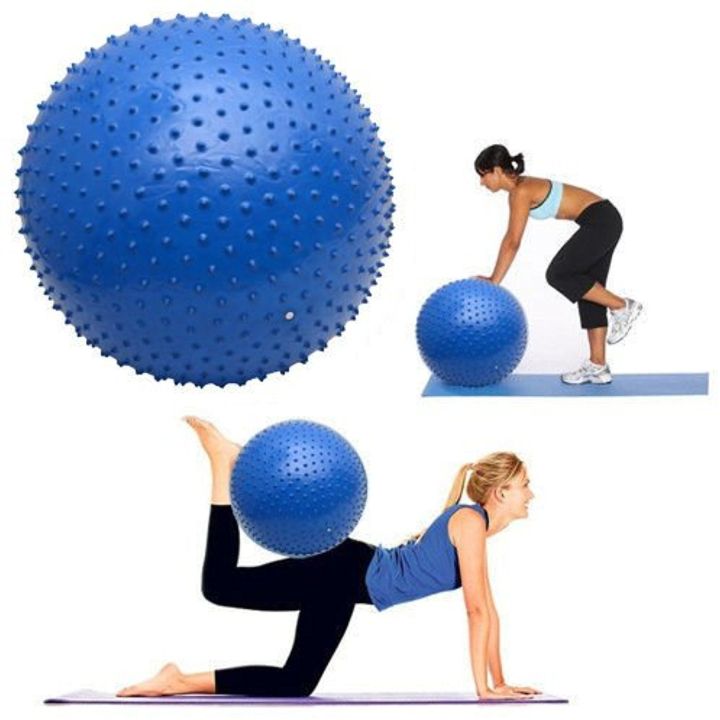
The classic exercise ball is a large rubber sphere. It gives a soft space for seated routines. Many older adults use them for gentle joint movement.
Ease of Use
Getting on a full round ball takes care. It can roll away fast. You need good core control just to sit on it. Pumping it full of air can take some arm strength. You must also measure it to fit your exact leg length.
Key Strengths
- Great for seated back stretches.
- Very cheap to buy.
- Very light to carry around the house.
- Soft on painful hips and knees.
Potential Drawbacks
- High risk of rolling away.
- Hard to stand up from without a rail.
- Can pop if it hits a sharp object.
- Takes up a lot of room on the floor.
The Half-Dome Balance Ball Review
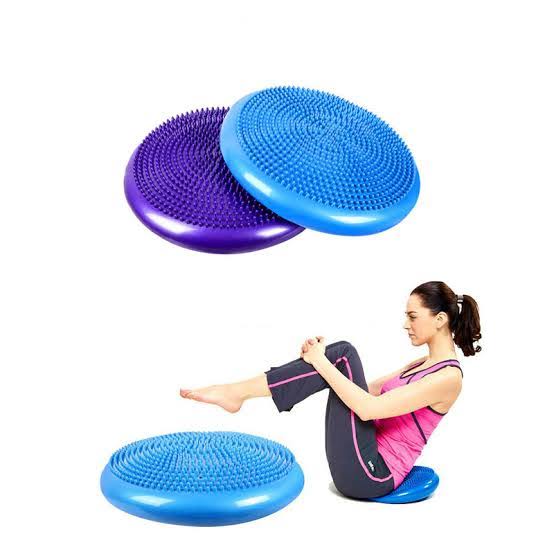
The balance ball has a hard plastic base. An air-filled rubber dome sits on top. This design gives a firm grip on the floor.
Ease of Use
The flat base keeps the unit in one spot. You can step on it safely. You can also rest your hands on it for stretches. You do not have to worry about it moving away when you stand up.
Key Strengths
- Will not roll away during use.
- Great for standing balance drills.
- Easy to slide under a tall bed.
- Very thick and hard to pop.
Potential Drawbacks
- Much heavier to lift and move.
- Costs more money up front.
- Too low to the ground for normal sitting.
Which Is Easier for Seniors to Use?
Weight, grip, and floor space matter a lot. The full round ball is very light. You can easily push it into a closet. But its round shape makes it hard to manage safely. It can easily slip out from under you.
The half-dome style is heavier. This extra weight is actually a good thing. It keeps the gear firmly planted. For seniors who need a steady surface, the flat base makes starting an exercise much easier. You do not need to chase it across the room.
“A tool that stays in place is always easier to use than one that rolls away.”
Performance Comparison
We must look at how these tools help you reach your goals. Both items help build core strength. Better core strength helps you sit up straight.
The round ball is great for back stretches. You can drape your body over the soft top. This helps ease tight back muscles. It also works well for seated arm routines with light weights.
The flat-based ball excels at standing balance work. Seniors can hold a sturdy chair while stepping onto the dome. This builds ankle strength safely. Better ankle strength helps stop daily falls in the home.
Comfort, Accessibility, and Senior-Friendly Design
Comfort depends heavily on your daily needs. The large round ball allows for full seated workouts. It feels soft against stiff joints. If you buy the right size, your knees rest at a good angle.
The half-dome sits much closer to the floor. This makes it harder for some seniors to sit down on it. However, its firm base makes it much more accessible for standing drills. You can step onto it without fear of it slipping.
Let us compare the comfort and access features side by side.
| Comfort Area | Exercise Ball | Half-Dome Balance Ball |
| Seat Height | Chair height | Floor height |
| Joint Impact | Very soft | Firm but flexible |
| Getting On | Requires balance | Simple to step onto |
Features Comparison
Different shapes offer very different workout options. The round ball is very simple. It is just a large sphere full of air. You must use your own body weight to keep it still.
The flat-based model has more parts. It has a firm bottom and a soft top. Some models even have rubber feet on the bottom. These feet stop it from sliding on wood floors.
Here is a quick look at the main features you get.
| Feature Type | Exercise Ball | Half-Dome Balance Ball |
| Surface Grip | Smooth rubber | Textured rubber rings |
| Base Style | None | Hard plastic platform |
| Storage | Needs wide open space | Fits under tall furniture |
Price, Maintenance, and Long-Term Value
Round models cost less money. You can often find them for under thirty dollars. Half-dome models cost much more. They often run over one hundred dollars.
Both tools need air top-offs from time to time. You will need a hand pump for both. The half-dome gives better long-term value for fall prevention. Its thick rubber and hard plastic base last for many years of daily use.
Who Should Choose the Exercise Ball?
The large round ball is great for certain fitness needs. Choose this option if:
- You want to do mostly seated stretches.
- You have good natural balance.
- You have a helper to spot you.
- You want to spend less money.
- You need a soft surface for sore joints.
Who Should Choose the Balance Ball?
The flat-based dome is better for fall risk. Choose this option if:
- You want to do standing ankle exercises.
- You worry about things rolling away.
- You want the safest option for solo use.
- You plan to hold a chair for support.
- You do not mind spending a bit more.
Exercise Ball vs Balance Ball — Final Verdict
Choosing the right tool keeps you safe. Here is how they stack up for older adults.
Best for most seniors: The half-dome balance ball.
Best for seated stretches: The standard exercise ball.
Best value: The standard exercise ball.
Best for ease of use: The half-dome balance ball.
Both tools serve different users well. Think about your daily habits before you buy.
Scoring Summary
We rate these items based on daily senior needs. Here are the final scores for each model.
| Category | Exercise Ball | Half-Dome Balance Ball |
| Ease of Use | 6/10 | 9/10 |
| Senior Safety | 5/10 | 8/10 |
| Value | 9/10 | 7/10 |
How We Evaluate Products
Our guide focuses on things that matter to older adults. We look closely at ease of use. We check how simple it is to get on and off the gear. We do not focus on advanced sports drills.
We also judge comfort, safety, and price. We focus on real facts over flashy marketing claims. We want to find the most practical choice for daily home use.
Senior-Specific Buying Considerations
Keep these basic tips in mind before you buy.
- Physical Effort: Will the item require lots of bending? The flat dome is low to the ground.
- Inflation: Both models need hand or foot pumps. Ask a family member for help if your hands are weak.
- Storage: Round balls take up a lot of room. Make sure you have a safe corner to keep it in.
- Weight Limits: Always check the weight limit on the box. Buy a tool made of thick rubber.
- Floor Type: Round balls work best on carpet. Flat bases work well on hard floors.
Common Buying Mistakes
Avoid these traps when shopping for home gym gear.
- Buying based only on a cheap price tag.
- Ignoring how much floor space you have in your living room.
- Overlooking the risk of a round ball rolling away.
- Buying a round ball that is the wrong height for your legs.
- Forgetting to check if a hand pump comes in the box.
- Trying to use the gear without a sturdy chair nearby.
Safety Considerations
Safety is a big deal when picking fitness gear. Let us compare the safety risks.
| Safety Factor | Exercise Ball | Half-Dome Balance Ball |
| Slip Risk | High on hard floors | Very low |
| Fall Risk | High without a spotter | Low with chair support |
| Burst Risk | Moderate if thin | Very low |
Safety comes first with home workouts. Always clear the floor of rugs and sharp objects. Never use a round ball near glass tables. Make sure you have a clear path to walk.
Always hold onto a sturdy chair or wall when trying standing drills. Check the rubber for tears before each use. If you have bad joints, it could be worth discussing with a healthcare professional before starting a new routine.
“A safe workout space is just as important as safe workout gear.”
Conclusion
Choosing between an exercise ball vs balance ball comes down to safety needs. The half-dome model wins for overall stability. It stays firmly in place during use. This helps seniors avoid accidental slips.
The round sphere is nice for seated stretching. Just be sure you have the core strength to stay upright. Always put safety first when building your home gym. Pick the tool that matches your current comfort level.
