
Air Purifier vs Humidifier: Which Is Better for Seniors?


Adjustable Bed Frame

Air Fryer for Easy Cooking

Non-Slip Slippers
Air Purifier vs Humidifier is not really a battle between two identical products. They solve different indoor-air problems. An air purifier helps filter certain airborne pollutants, while a humidifier adds moisture to dry indoor air.
For seniors, the better choice depends on what the room actually needs. If dust and airborne particles are the main concern, an air purifier may make more sense. If the air is too dry, a humidifier may be more useful.
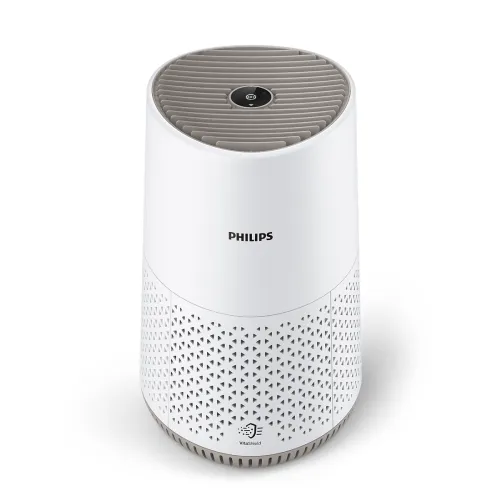
Quick Comparison
An air purifier is the better choice for improving particle filtration, especially when dust, smoke, pollen, or other airborne particles are a concern. A humidifier is better when indoor air is too dry and added moisture is needed.
So, there is no universal winner. The right choice depends on the problem you are trying to solve.
Air purifiers clean the air. Humidifiers change the moisture level.
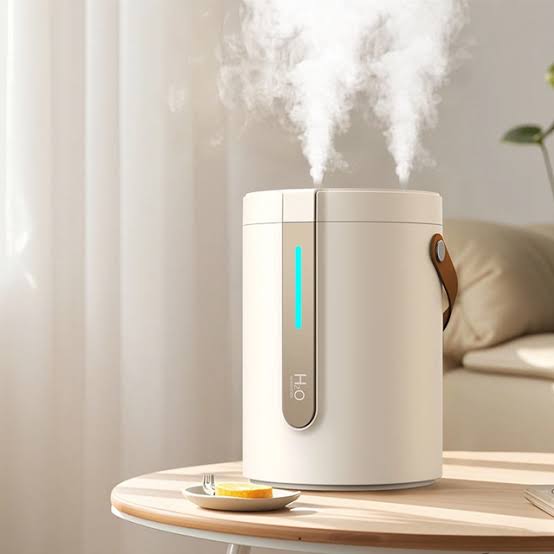
Air Purifier vs Humidifier At a Glance
The biggest difference is simple: one filters air, while the other adds moisture.
| Feature | Air Purifier | Humidifier |
|---|---|---|
| Main purpose | Filters certain airborne pollutants | Adds moisture to air |
| Best for | Dust, particles, some odors | Dry indoor air |
| Water needed | No | Yes |
| Filter care | Often required | Depends on the type |
| Daily maintenance | Usually low to moderate | Usually moderate |
| Humidity control | No | Yes, on some models |
| Main senior concern | Filter replacement and controls | Cleaning and water handling |
Air Purifier Review for Senior Use
An air purifier can be useful when the goal is to reduce certain airborne particles in a room. Portable air cleaners are designed for a specific room or area, and models with particle filters can help reduce indoor particle pollution.
For seniors, the most useful purifier is not necessarily the one with the longest feature list. A simple control system, suitable room coverage, and easy filter replacement can matter more.
Ease of Use
Air purifiers are generally straightforward to operate. Many have a power button, fan-speed controls, and sometimes an automatic mode or air-quality display.
A senior who prefers simple controls may benefit from a model with large, clearly marked buttons. A readable display can also help if the unit provides air-quality information.
Room size matters too. EPA guidance recommends considering the clean air delivery rate and choosing a unit appropriate for the room being used.
Key Strengths
- Helps filter airborne particles
- Does not require a water tank
- Can run for extended periods
- Some models use HEPA filtration
- Often needs less hands-on care than a humidifier
- Can be useful in rooms where dust or smoke is a concern
Potential Drawbacks
- Filters need regular replacement
- Fan noise may bother some users
- Some models have complicated controls
- Large units can take up floor or table space
- An air purifier does not solve excessively dry air
Humidifier Review for Senior Use
A humidifier has a different job. It increases moisture in indoor air, which can be useful when the air is unusually dry.
Dry air can contribute to discomfort such as dry skin, irritated nasal passages, or cracked lips. But adding too much moisture creates its own problems, so humidity control is important.
Ease of Use
A humidifier usually requires more hands-on care than an air purifier because it uses water.
The user may need to fill the tank, empty it, clean it, and monitor the surrounding area for moisture. Some models have built-in humidity controls that make operation easier.
For seniors with limited lifting strength or dexterity, a large water tank may not always be an advantage. A smaller tank can be easier to handle, even if it requires more frequent filling.
Key Strengths
- Adds moisture to dry indoor air
- Can make dry rooms feel more comfortable
- Some models include humidity controls
- Different types are available for different needs
- May be useful during periods of very dry indoor air
Potential Drawbacks
- Requires regular water changes
- Needs careful cleaning
- Mineral buildup can occur
- Excess humidity can encourage mold and other biological growth
- Some models may be awkward to lift when the tank is full
Which Is Easier for Seniors to Use?
For basic daily operation, an air purifier often has the simpler routine. There is no water tank to fill, and the main recurring task is usually filter care.
A humidifier can still be easy to use, but it requires more attention. Water needs to be replaced and the unit needs regular cleaning.
For seniors who prefer minimal maintenance, the purifier may have an advantage.
For someone who specifically needs more moisture in a dry room, however, the extra maintenance may be worthwhile.
The important point is to match the product to the actual indoor-air problem.
Performance Comparison
The products perform in completely different ways.
An air purifier works by drawing room air through filtration or other air-cleaning technology. Portable air cleaners can reduce certain indoor particles, although they cannot remove every pollutant.
A humidifier does not filter the air. Its purpose is to increase humidity.
| Performance Area | Air Purifier | Humidifier |
|---|---|---|
| Particle filtration | Stronger choice | Not designed for this |
| Adds moisture | No | Yes |
| Helps control dry-air conditions | No | Yes |
| Reduces certain airborne particles | Yes, depending on model | No |
| Changes room humidity | No | Yes |
This makes the comparison much easier: choose filtration when filtration is the goal, and choose moisture when moisture is the goal.
Comfort, Accessibility, and Senior-Friendly Design
Comfort is not only about what a machine does. It is also about how much effort it takes to use.
An air purifier may be easier for a senior who wants a device that can sit in one place and run without regular water handling. Filter replacement still matters, but it is usually an occasional task rather than a daily one.
A humidifier may be more useful in a dry room, but carrying and filling a water tank can be a concern for some users.
Look for:
- Easy-to-read controls
- Simple buttons
- Easy access to filters or tanks
- Manageable weight
- Stable placement
- Quiet operation
- Simple cleaning procedures
Do not assume every older adult has the same physical needs. The best design is the one that fits the individual user’s strength, dexterity, vision, and daily routine.
Features Comparison
The most valuable features depend on the product’s job.
| Feature | Air Purifier | Humidifier |
|---|---|---|
| Room-size rating | Important | Important |
| Particle filtration | Core feature | Not a core feature |
| Humidity control | Not applicable | Useful |
| Filter replacement | Often needed | Depends on model |
| Water tank | No | Yes |
| Automatic operation | Can be useful | Can be useful |
| Air-quality display | Available on some models | Not usually central |
| Humidistat | No | Available on some models |
For a senior, extra features are only helpful if they make the device easier to manage.
Price, Maintenance, and Long-Term Value
Price varies widely between models, so it is better to compare ownership costs than focus only on the initial purchase price.
An air purifier may require replacement filters. The frequency depends on the model and how heavily it is used.
A humidifier may have fewer conventional filters but requires regular water handling and cleaning. Some models may also require replacement wicks, cartridges, or other parts.
Long-term value comes down to how well the device solves the actual problem.
Buying an inexpensive humidifier for a room that already has high humidity may be poor value. Likewise, buying an expensive air purifier will not solve a lack-of-moisture problem.
Who Should Choose an Air Purifier?
Choose an air purifier if:
- Dust or airborne particles are a major concern.
- You want to reduce certain indoor airborne pollutants.
- You prefer not to handle water every day.
- Low routine maintenance is important.
- You want a device that can run continuously in one room.
- You are comfortable replacing filters when required.
- The room has suitable space for a portable air cleaner.
For particle filtration, look at the room-size rating and CADR rather than choosing only by brand name or appearance.
Who Should Choose a Humidifier?
Choose a humidifier if:
- Indoor air is genuinely too dry.
- You want to increase room humidity.
- Dry air is making the room uncomfortable.
- You are willing to clean and maintain the water system.
- You can safely fill and empty the tank.
- The room can be monitored for excessive humidity.
A hygrometer can help determine whether adding moisture is actually needed.
Air Purifier vs Humidifier — Final Verdict
Best for airborne particle filtration: Air Purifier
Best for dry indoor air: Humidifier
Best for lower routine water maintenance: Air Purifier
Best for increasing humidity: Humidifier
Best overall: Neither. It depends on the problem.
An air purifier and humidifier should not be treated as interchangeable products. An air purifier targets certain airborne pollutants, while a humidifier changes the moisture level.
If the room is dusty or has airborne particle concerns, an air purifier is the more relevant choice. If the room is too dry, a humidifier makes more sense.
Scoring Summary
Because these products have different purposes, the scores below focus on practical senior use rather than pretending they perform the same job.
| Category | Air Purifier | Humidifier |
|---|---|---|
| Ease of Use | 9/10 | 7/10 |
| Senior-Friendly Design | 8/10 | 7/10 |
| Maintenance | 8/10 | 6/10 |
| Performance for Intended Purpose | 9/10 | 9/10 |
| Value | 8/10 | 8/10 |
These scores are comparative editorial judgments based on the different maintenance and operating requirements of the two product types, not laboratory test results.
How We Evaluate Products
For this comparison, the main focus is practical senior use.
We consider:
- Ease of operation
- Physical effort
- Accessibility
- Maintenance
- Cleaning
- Controls
- Safety
- Performance
- Long-term practicality
- Overall value
The comparison does not assume hands-on testing of a specific air purifier or humidifier.
Senior-Specific Buying Considerations
Before choosing either product, check the room and the user’s daily routine.
Physical Effort
Consider how much lifting, carrying, filling, or bending the product requires.
A full humidifier tank can be heavier than an empty one, so tank size should be considered from a practical perspective.
Controls
Large, simple controls can be easier to understand than complicated touch panels.
If the user has difficulty reading small displays, prioritize clear controls and readable indicators.
Maintenance
Air purifiers usually require filter care.
Humidifiers require water management and regular cleaning. EPA guidance warns that excess humidity can encourage biological growth, so humidity should not simply be increased without monitoring it.
Storage
Check whether the device can stay in a safe, accessible location.
Avoid placing equipment where it creates a trip hazard or where water can damage nearby surfaces.
Setup
A product that takes only a few simple steps to operate may be preferable for someone who does not want a complicated routine.
Safety
For humidifiers, avoid excessive humidity and keep surrounding surfaces dry.
For air purifiers, follow the manufacturer’s instructions for filter replacement and placement. Avoid products that intentionally generate ozone in occupied spaces.
Common Buying Mistakes
Avoid these mistakes when comparing an air purifier and humidifier:
- Buying a humidifier without checking the room’s humidity.
- Choosing an air purifier without checking room coverage.
- Ignoring filter or replacement-part costs.
- Selecting a large water tank without considering lifting ability.
- Choosing advanced controls that are difficult to understand.
- Assuming a humidifier cleans airborne particles.
- Assuming an air purifier adds moisture.
- Focusing only on the purchase price.
Safety
Humidifiers need particular attention because standing water and excessive moisture can create problems.
EPA guidance recommends keeping indoor relative humidity at no more than 50% and monitoring the area around the humidifier for dampness. Regular cleaning is also important.
Air purifiers have a different safety profile. Follow the manufacturer’s instructions and replace filters as recommended. If considering an air-cleaning device that intentionally generates ozone, avoid using ozone generators in occupied spaces.
If the decision involves asthma, allergies, or another significant health concern, discuss the choice with an appropriate healthcare professional.
Frequently Asked Questions
Is an air purifier better than a humidifier?
Neither is universally better. An air purifier is better for filtering certain airborne pollutants, while a humidifier is better for adding moisture to dry indoor air.
Can an air purifier replace a humidifier?
No. An air purifier does not add moisture to the air.
Can a humidifier replace an air purifier?
No. A humidifier adds moisture but is not designed to filter airborne particles.
Can you use an air purifier and humidifier together?
Yes, they can serve different purposes. The important point is to maintain the humidifier properly and avoid excessive indoor humidity.
What humidity level is best for a home?
A commonly recommended indoor range is around 30% to 50%. A hygrometer can help you monitor the actual humidity.
Which is easier for seniors to maintain?
An air purifier is often simpler because it does not require water filling and tank cleaning. It still needs appropriate filter maintenance.
Conclusion
The choice between an air purifier and humidifier becomes much easier when you identify the problem first. Air purifiers are designed to filter certain airborne pollutants, while humidifiers add moisture to dry air.
For seniors who want simpler routine maintenance and particle filtration, an air purifier may be the better fit. For seniors dealing with genuinely dry indoor air, a humidifier may be more useful. The best option is the one that solves the room’s actual problem without creating a new maintenance or safety burden.
