
CGM vs Fingerstick for Seniors: Key Differences


Gardening Kneeler Bench
Spill-Proof Adult Cup

LED Clip Reading Light
CGM vs Fingerstick is a useful comparison for seniors who need to monitor blood glucose at home. A CGM tracks glucose throughout the day, while a fingerstick meter checks a small blood sample at a specific moment.
Both methods can play an important role in diabetes care. The better choice depends on how often glucose needs to be checked, comfort with technology, cost, and whether continuous trends or simple spot checks are more useful.
Quick Comparison
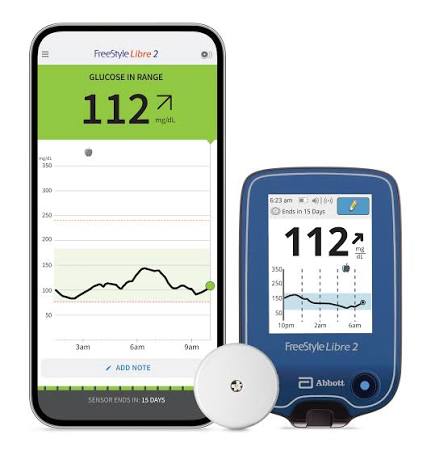
A CGM may be easier for seniors who want fewer routine finger pricks and continuous glucose information. It can show trends and may provide alerts when glucose is high or low.
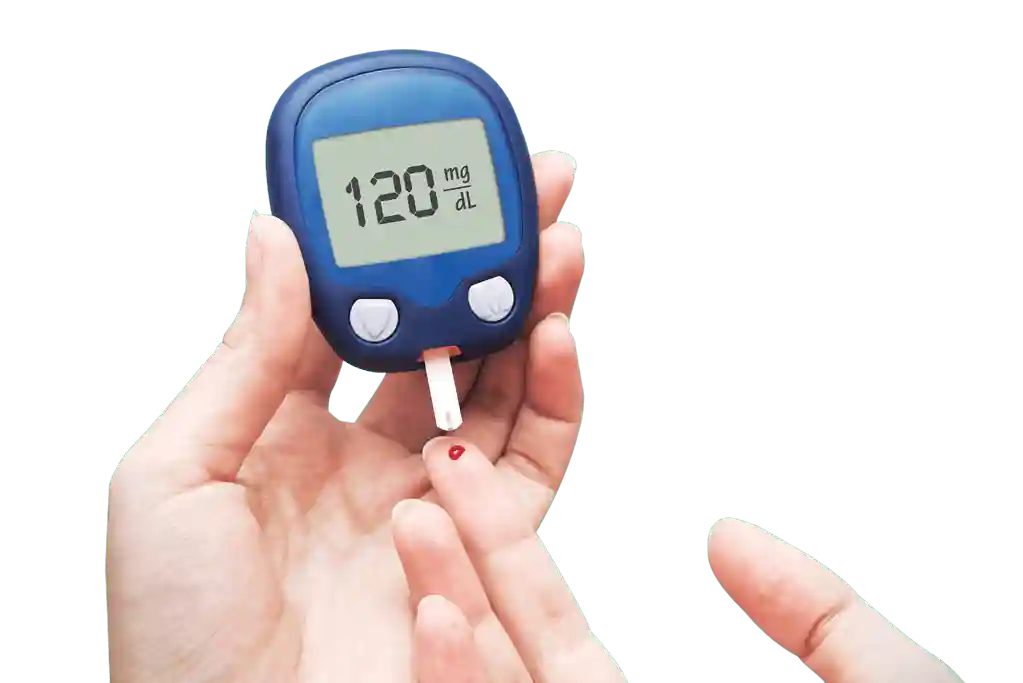
A fingerstick meter may suit seniors who prefer a simple, familiar device or want a lower-cost option. It can also be useful for checking a CGM reading when the result does not seem reliable or when the care plan calls for confirmation.
The key difference is simple: CGM focuses on ongoing glucose trends, while fingerstick testing gives a reading from a blood sample at one point in time.
CGM vs Fingerstick At a Glance
These two methods solve the same basic problem in different ways. Here are the practical differences that matter most for older adults.
| Feature | CGM | Fingerstick |
|---|---|---|
| Measurement | Continuous or frequent glucose readings | Single reading when tested |
| Sample | Interstitial fluid | Small blood sample |
| Finger pricks | Usually fewer | Required for each test |
| Trends | Yes | Limited |
| Alerts | Available on many systems | Usually no automatic alerts |
| Smartphone use | Common with many models | Optional on some meters |
| Setup | Sensor application required | Meter and strip setup |
| Ongoing supplies | Sensors and related parts | Test strips and lancets |
| Best fit | Frequent monitoring and trend tracking | Simple spot checks |
CGM Review: Continuous Glucose Tracking
A CGM uses a small sensor placed under the skin to estimate glucose levels throughout the day and night. Many systems send readings to a smartphone, receiver, or compatible device.
For seniors who check glucose often, this can reduce the need to perform repeated fingerstick tests. It also provides information about whether glucose is rising, falling, or staying relatively stable.
Ease of Use
The biggest convenience is that the user does not need to perform a finger prick every time they want to see a glucose reading.
Many CGMs update automatically. Some also provide alerts and trend information. However, the system still requires setup, sensor placement, and periodic sensor replacement. Depending on the model, sensors may need replacement every several days or weeks.
A smartphone or receiver may also be part of the daily routine. For seniors who are comfortable with a phone or simple receiver, this may be convenient. For someone who dislikes apps and digital settings, it can add complexity.
Key Strengths
- Provides frequent glucose information
- Shows glucose trends rather than only one reading
- Can reduce routine fingerstick testing
- Many systems offer high and low glucose alerts
- Data can be shared with a caregiver or healthcare team on supported systems
- Useful for seeing how meals, activity, and medicines affect glucose patterns
Potential Drawbacks
- Requires wearing a sensor
- Adhesive can cause skin irritation for some users
- Sensor replacement is part of ongoing use
- Some systems require a smartphone or receiver
- Costs can be higher than a basic glucose meter
- A fingerstick meter may still be useful for confirmation in some situations
Fingerstick Review: Simple Blood Glucose Testing
A fingerstick meter uses a small blood sample, usually from the fingertip, and displays the glucose level on the meter. It provides a direct reading for that particular testing moment.
This approach can be appealing to seniors who want a straightforward device without wearing a sensor.
Ease of Use
The basic process is easy to understand. The user prepares the meter, uses a lancet to obtain a small blood sample, applies the blood to a test strip, and reads the result.
The drawback is repetition. Every test requires another fingerstick, another strip, and another small blood sample.
For someone who only needs occasional testing, that may not be a major issue. For someone who checks glucose several times a day, the repeated steps can become less convenient.
Key Strengths
- Simple testing concept
- No sensor worn on the body
- Does not require continuous smartphone monitoring
- Provides a blood glucose reading when needed
- Usually has lower equipment complexity
- Can be useful for confirming a CGM reading when appropriate
Potential Drawbacks
- Requires repeated finger pricks
- Requires test strips and lancets
- Does not continuously show glucose trends
- No automatic continuous alerts
- Testing can be harder for someone with limited finger dexterity
Which Is Easier for Seniors to Use?
For many seniors, CGM is easier for frequent monitoring, while fingerstick may be easier for simple occasional testing.
A CGM removes much of the repeated finger-prick routine. Once the sensor is properly placed, the user can view glucose information without performing a new test each time.
Fingerstick testing has fewer wearable components and can feel more familiar. It may also be preferable for someone who does not want to manage a smartphone app or sensor.
Ease of use depends less on age and more on the user’s comfort with sensors, small devices, apps, and repeated manual testing.
Seniors with limited hand dexterity may find repeated lancet and test-strip handling frustrating. On the other hand, someone who has difficulty with smartphone screens may prefer a basic glucose meter.
Performance Comparison
The two methods provide different kinds of information.
A fingerstick meter measures glucose in a blood sample at the time of testing. A CGM estimates glucose from interstitial fluid and provides frequent readings that can reveal patterns over time.
| Performance Area | CGM | Fingerstick |
|---|---|---|
| Current reading | Yes | Yes |
| Trend information | Strong | Limited |
| Continuous monitoring | Yes | No |
| High/low alerts | Many systems | Usually no |
| Historical patterns | Yes | Depends on meter/app |
| Manual testing | Less frequent | Required |
CGM therefore offers more information throughout the day, while fingerstick testing remains a direct and simple way to obtain a single blood glucose measurement.
Comfort, Accessibility, and Senior-Friendly Design
Comfort can be a major factor in long-term use.
CGM reduces repeated finger pricks but requires a sensor to remain attached to the body. Some people may experience skin redness or irritation from the adhesive.
Fingerstick testing avoids wearing a sensor, but repeated testing can mean repeated finger discomfort and more manual steps.
For seniors who have trouble reading small screens, display size and text readability matter. For those with limited dexterity, easy-to-handle lancets, strips, and buttons can also make a difference.
Caregivers may find CGM useful when the particular system supports data sharing. Some CGMs can send glucose information to another person’s smartphone.
Features Comparison
The most useful features depend on how the glucose information will be used.
| Feature | CGM | Fingerstick |
|---|---|---|
| Continuous data | Yes | No |
| Trend arrows | Available on many systems | No |
| Glucose alerts | Available on many systems | Generally no |
| App integration | Common | Available on some meters |
| Caregiver sharing | Available on some systems | Depends on device/app |
| Wearable sensor | Yes | No |
CGM offers a broader picture of glucose behavior. Fingerstick meters focus on direct testing when the user chooses to test.
Price, Maintenance, and Long-Term Value
Cost can vary greatly by CGM system, glucose meter, insurance coverage, and how frequently testing is performed.
A fingerstick system usually involves a meter, test strips, and lancets. The recurring cost is therefore strongly connected to the number of tests performed.
A CGM has recurring sensor costs, and some systems may also involve transmitters or other components. NIDDK notes that CGMs generally cost more than standard glucose meters, although insurance coverage may reduce the user’s out-of-pocket cost.
For long-term value, do not compare only the initial device price. Consider:
- Sensor replacement costs
- Test-strip costs
- Lancet costs
- Insurance coverage
- Smartphone or receiver requirements
- Replacement accessories
- Whether caregiver data sharing is useful
- How often glucose must be monitored
Who Should Choose CGM?
A CGM may make more sense for seniors who:
- Need frequent glucose monitoring
- Want to see glucose trends during the day and night
- Want fewer routine fingersticks
- Would benefit from high or low glucose alerts
- Are comfortable using a smartphone or receiver
- Want to share glucose information with a caregiver when supported
- Need more information about glucose patterns
CGM can be particularly useful for people who need frequent monitoring, including some people using insulin. The appropriate device and monitoring plan should be determined with a healthcare professional.
Who Should Choose Fingerstick?
A fingerstick meter may be suitable for seniors who:
- Prefer a simple testing routine
- Do not want to wear a sensor
- Test glucose less frequently
- Prefer not to depend on a smartphone
- Want a lower-complexity monitoring setup
- Need a blood glucose meter available for comparison with CGM readings
A basic meter can be a practical option when continuous data is not necessary for the person’s diabetes care plan.
CGM vs Fingerstick — Final Verdict
CGM and fingerstick testing are not simply two versions of the same product. They provide different monitoring experiences.
CGM is better suited to frequent monitoring, trend tracking, and alerts. Fingerstick testing is better suited to straightforward spot checks without wearing a sensor.
For seniors, the most important question is not simply which method has more features. It is whether those features make daily glucose monitoring easier and more useful.
Scoring Summary
Because CGM and fingerstick testing are different monitoring methods, assigning arbitrary 10-point scores could make the comparison look more precise than the evidence supports. Device-specific features also vary.
| Category | CGM | Fingerstick |
|---|---|---|
| Continuous monitoring | Strong | Not available |
| Trend information | Strong | Limited |
| Fewer routine fingersticks | Strong | Limited |
| Simple setup | Moderate | Strong |
| Wearable simplicity | Moderate | Strong |
| Alert features | Strong on supported systems | Limited |
| Smartphone independence | Varies by system | Often stronger |
| Long-term cost simplicity | Varies | Often simpler |
How We Evaluate These Options
For this comparison, the key factors are daily usability, accessibility, comfort, monitoring needs, maintenance, safety, and long-term practicality.
The goal is not to assume that every senior needs the same type of glucose monitor. A useful comparison should account for the user’s testing frequency, comfort with technology, dexterity, budget, and diabetes care plan.
Current CGM technology also differs by model, so features such as alerts, smartphone compatibility, sensor life, and whether fingerstick confirmation is required should be checked for the specific device.
Senior-Specific Buying Considerations
Before choosing between CGM and fingerstick testing, consider these practical points.
Physical Effort
Think about whether repeated finger pricks are comfortable and manageable. Also consider whether applying and replacing a CGM sensor is practical.
Controls
Look for a display and controls that are easy to understand. If a smartphone is required, consider whether the app is comfortable to use.
Maintenance
Fingerstick meters require strips and lancets. CGMs require sensor replacement and may require device or app management.
Storage
Fingerstick supplies need to be kept dry and stored correctly. CDC notes that test strips can be damaged by moisture, humidity, and extreme temperatures.
Setup
Consider who will apply a sensor, configure an app, or help with testing if assistance is needed.
Safety
Glucose readings can affect diabetes management decisions. Do not change medication or insulin doses based only on general product information. Follow the monitoring and treatment plan provided by the healthcare professional.
Common Buying Mistakes
Avoid these mistakes when choosing a glucose-monitoring method:
- Choosing a CGM only because it has more features
- Choosing a meter only because it has a lower upfront price
- Ignoring recurring sensor or test-strip costs
- Overlooking smartphone or receiver requirements
- Assuming every CGM works the same way
- Forgetting to consider dexterity and display readability
- Ignoring insurance coverage and replacement costs
- Assuming a CGM completely eliminates the need for a blood glucose meter
Safety
CGM readings come from interstitial fluid, so they can differ from blood glucose measurements. NIDDK and CDC note that there are situations when comparing a CGM reading with a fingerstick reading may be appropriate, such as when the reading seems questionable or when the care plan calls for confirmation. Follow the specific instructions for the CGM being used.
Fingerstick equipment should not be shared between people. CDC recommends using a separate fingerstick device for each person and following appropriate cleaning and infection-control practices.
If glucose readings are unexpectedly high or low, or a device gives an alert that concerns you, follow the healthcare professional’s instructions rather than relying on this comparison alone.
Conclusion
CGM vs Fingerstick comes down to continuous information versus simple spot testing. CGM can make frequent monitoring easier by providing trends and, on many systems, alerts. Fingerstick meters offer a familiar and straightforward way to check blood glucose when needed.
For seniors, the right choice depends on the monitoring plan, comfort with technology, dexterity, recurring costs, and whether continuous glucose information is useful. When the decision involves diabetes treatment or medication, discuss the most suitable monitoring method with a healthcare professional.