
Pill Reminder vs Pill Organizer for Seniors


Heated Blanket

Hands-Free Neck Magnifier

Electric Food Chopper
Pill Reminder vs Pill Organizer is a useful comparison for seniors who want a simple way to stay on track with daily medicines. The two tools solve different problems. A reminder helps you remember when to take a dose. An organizer helps you sort and see the doses you have set aside.
The right choice depends on the routine and how much help the user needs. For some seniors, using both can be useful.

Quick Comparison
A pill reminder is mainly about timing. A pill organizer is mainly about sorting and seeing doses.
For seniors who often miss a dose time, a reminder may be more useful. For seniors who need a clear way to plan daily doses, an organizer may be easier. Many people can benefit from using both.
Pill Reminder vs Pill Organizer At a Glance
The table below shows the main difference in simple terms.
| Feature | Pill Reminder | Pill Organizer |
|---|---|---|
| Main job | Alerts you to dose time | Sorts doses |
| Medication storage | Usually no | Yes |
| Dose alerts | Yes | Usually no |
| Setup | App, alarm, or device setup | Fill each section |
| Best for | Missed dose times | Dose sorting |
| Caregiver help | Remote alerts may help on some systems | Easy visual check |
Pill Reminder Review for Senior Use
A pill reminder can be a phone app, alarm, smart device, or dedicated tool. Its main job is to tell you when to check your medication routine.
Ease of Use
The easiest reminder is one that fits the user’s routine. Large alerts and simple controls can help. A basic alarm may suit someone who does not want an app.
Some apps may need a phone, internet, account setup, or regular charging. That can add steps. A simple alarm has fewer parts to manage.
Key Strengths
- Gives a clear time cue.
- Can support several daily reminder times.
- A phone-based tool may offer sound, vibration, or screen alerts.
- Some systems may support caregiver notifications.
Potential Drawbacks
- A reminder does not sort the medicine.
- Alerts can be missed or ignored.
- Apps may be harder to set up.
- A phone battery or device battery can become a weak point.
Pill Organizer Review for Senior Use
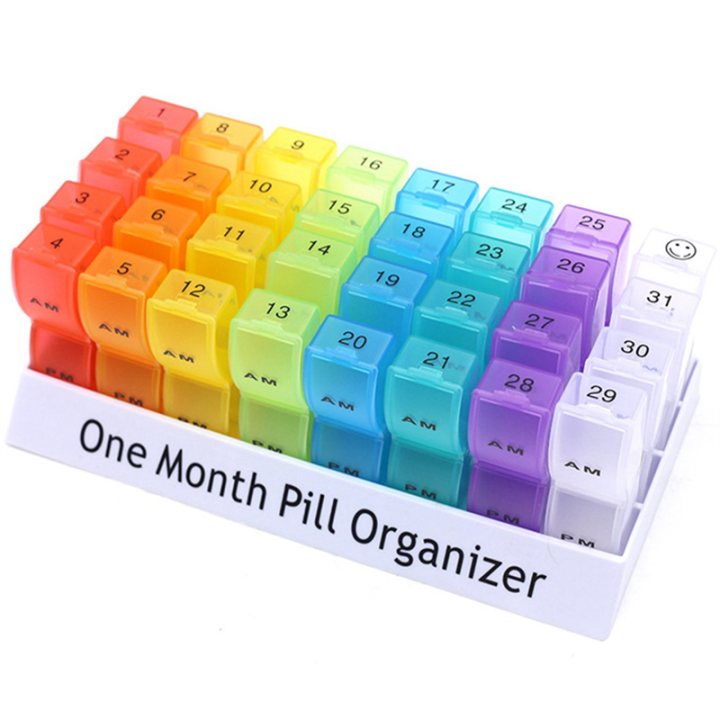
A pill organizer gives each dose a place. Sections may cover days, times, or both. This makes the routine more visual.
Ease of Use
An organizer can be simple to learn. You open a labeled section and check the planned dose. This can reduce the need to remember which pills belong to which day.
The main task is filling it correctly. Small lids or tight compartments may be harder to handle.
Key Strengths
- Makes planned doses easy to see.
- Does not need power for basic use.
- Helps prepare doses ahead of time.
- Can make a routine easier to review.
Potential Drawbacks
- It does not usually give an active alert.
- Small compartments may be hard to open.
- Refilling takes time and care.
- Some medicines should not be moved out of their original package without checking storage instructions.
Which Is Easier for Seniors to Use?
Ease depends on what is hard for the person. A reminder may be easier for someone who forgets dose times. An organizer may be easier for someone who wants a clear visual plan.
The best tool is the one that reduces the main problem in the daily routine.
A phone reminder may require more setup. An organizer needs physical setup, but daily checking can be quick.
For limited dexterity, look for large buttons, easy-open lids, and clear labels. For less comfort with apps, a basic alarm may be easier.
Performance Comparison
These products do different jobs, so performance depends on the goal.
| Performance Area | Pill Reminder | Pill Organizer |
|---|---|---|
| Time awareness | Strong | Low |
| Dose sorting | Low | Strong |
| Visual check | Limited | Strong |
| Daily alert | Strong | Usually none |
| Prep ahead | Limited | Strong |
A reminder is stronger at timing. An organizer is stronger at dose planning. Neither one replaces careful medication instructions.
Comfort, Accessibility, and Senior-Friendly Design
Clear labels, simple controls, and low effort often matter more than extra features.
| Senior Need | Pill Reminder | Pill Organizer |
|---|---|---|
| Clear time cue | Strong | Limited |
| Large controls | Depends on device | Depends on design |
| No charging | Some options | Usually yes |
| Easy visual check | Limited | Strong |
| App-free use | Yes with basic alarms | Yes |
A good setup should match the user’s habits. Some people prefer a screen and alerts. Others prefer a physical tool they can see and touch.
Features Comparison
The useful features are not the same for both tools. Focus on features that solve the real problem.
| Feature | Pill Reminder | Pill Organizer |
|---|---|---|
| Multiple schedules | Common | Depends on layout |
| Alarm or alert | Common | Uncommon |
| Day labels | May be in an app | Common |
| Time sections | Digital | Common in some designs |
| Caregiver support | Available on some systems | Mostly visual |
Do not pay for advanced features that add work. A simple tool that gets used every day can be more useful than a complex one.
Price, Maintenance, and Long-Term Value
Cost varies by type. A basic organizer or phone alarm can be inexpensive. Advanced devices may add subscriptions, batteries, or charging needs.
Maintenance differs too. An organizer mainly needs cleaning and refilling. A digital reminder may need updates or charging.
| Cost Factor | Pill Reminder | Pill Organizer |
|---|---|---|
| Basic cost | Often low | Often low |
| Power needs | Depends on device | Usually none |
| Replacement needs | Device or battery may matter | May wear over time |
| Ongoing fees | Possible with some apps | Usually none |
Value comes from solving the right problem.
Who Should Choose Pill Reminder?
- Choose a pill reminder if dose timing is the main issue.
- Choose it if alerts help you stay on schedule.
- Choose a simple alarm if apps feel like extra work.
- Choose a more advanced system only if its added features are useful.
- Consider caregiver alert features when they are truly needed.
Who Should Choose Pill Organizer?
- Choose a pill organizer if sorting doses is the main issue.
- Choose it if a visual daily plan feels easier.
- Choose it if you want a simple tool with little technology.
- Choose a design with large labels and easy lids when needed.
- Use extra care when transferring medicines from original packaging.
Pill Reminder vs Pill Organizer — Final Verdict
There is no single winner. A reminder is better for timing. An organizer is better for sorting and visual checks.
For many routines, using both may help. The reminder handles the “when.” The organizer handles the “what.”
Category Summary
| Category | Pill Reminder | Pill Organizer |
|---|---|---|
| Ease of use | 8/10 | 8/10 |
| Senior-friendly design | 8/10 | 8/10 |
| Timing support | 10/10 | 3/10 |
| Dose organization | 3/10 | 10/10 |
| Maintenance | 7/10 | 9/10 |
| Value | 9/10 | 9/10 |
These are practical comparison scores, not medical ratings. A specific model may score differently.
How We Evaluate Products
This comparison focuses on everyday use, not laboratory testing. We look at ease of use, accessibility, comfort, safety, setup, maintenance, and long-term value.
We also ask: does the tool make the routine easier without adding extra work?
Senior-Specific Buying Considerations
Before choosing, check the real need first.
Physical Effort
Can the user open lids, press buttons, or handle a phone without trouble?
Controls
Are alerts, labels, and settings clear enough to use without guesswork?
Maintenance
Will the person remember to refill, charge, clean, or update the tool?
Storage
Is the organizer easy to reach and keep in a safe place?
Setup
Can the user or caregiver set it up correctly?
Safety
Keep medication storage instructions in mind. Some medicines may need special storage or should stay in their original packaging. Ask a pharmacist when storage or dose handling is unclear.
Common Buying Mistakes
Avoid these common errors when comparing the two.
- Choosing an organizer when the main problem is missed timing.
- Choosing a complex app when a simple alarm would work.
- Using tiny compartments that are hard to open.
- Forgetting the refill routine.
- Moving medicines without checking storage instructions.
- Paying for features that the user will not use.
Safety
A reminder does not confirm that the correct medicine was taken. An organizer does not confirm that a dose was taken at all.
Use the label and medication instructions as the main guide. Do not change a dose or medication schedule based only on a reminder or organizer. When a medication is sensitive to light, moisture, heat, or original packaging, follow the storage directions and ask a pharmacist when needed.
Conclusion
Pill Reminder vs Pill Organizer is less about picking a universal winner and more about matching the tool to the daily problem. A reminder helps with timing, while an organizer helps with sorting and visual checks.
For seniors who struggle with both timing and dose organization, using both may create a clearer routine. The best choice is the one that stays simple, clear, and easy to use every day.
