
Can Senior Citizens Join the Military


LED Clip Reading Light

Fall Detection Smart Watch

Kindle E-Reader
Can senior citizens join the military? While standard enlistment closes at age 34–39, exceptions exist through delayed entry programs, reserve branches, or volunteer roles. Veterans, medical professionals, and certain National Guard units may open doors for older applicants. Always consult official sources like military recruiters or Department of Defense guidelines before applying. This guide covers all paths, from officer commissions to civilian support roles—your next chapter could start today.
Key Takeaways
- Standard Age Limit: Most active-duty branches require enlistees to be under 35, but some allow applications up to age 39.
- Veteran Advantage: Retired or separated veterans with honorable discharges may qualify for re-entry under special provisions.
- Medical Professionals: Doctors, nurses, and EMTs over 35 can often serve via healthcare-focused programs like the Health Professions Scholarship Program.
- Reserve Components: The Army Reserve, Air Force Reserve, and Navy Reserve sometimes accept applicants up to age 42 with waivers.
- National Guard: State-level Guard units may have higher age limits; check with your state adjutant general.
- Civilian Roles: Non-combat positions in logistics, administration, or veteran support don’t require military service and are open regardless of age.
- Waivers Possible: Exceptional skills (e.g., language fluency, technical expertise) can lead to age waivers—but approval isn’t guaranteed.
📑 Table of Contents
- Introduction: Rediscovering Service After 60
- Understanding Military Enlistment Age Requirements
- Special Programs for Older Applicants
- Waivers: Your Ticket Past the Cutoff
- Health and Fitness Considerations
- Civilian Support Roles: Serving Without Uniforms
- Real Stories: Seniors Who Made It Happen
- How to Get Started Today
- Conclusion: Service Has No Retirement Age
Introduction: Rediscovering Service After 60
Ever wonder if it’s too late to wear a uniform? For many senior citizens, the idea of joining the military feels like a distant dream—something reserved for young adults fresh out of high school. But here’s the truth: while traditional enlistment has strict age caps, the door isn’t completely shut. In fact, thousands of older Americans have found meaningful ways to serve their country later in life. Whether you’re a retired veteran looking to return, a healthcare worker wanting to deploy, or simply someone inspired by duty and discipline, there are real pathways available.
The military landscape has evolved. Today, branches like the Army Reserve and National Guard offer flexibility that wasn’t always present. Plus, specialized roles—especially in medicine, cybersecurity, and logistics—are increasingly accessible to older candidates. And let’s not forget the growing number of civilian support programs designed specifically for seniors. So yes, can senior citizens join the military? Not typically in an active-duty combat role… but absolutely in other impactful capacities. Let’s explore how.
Understanding Military Enlistment Age Requirements
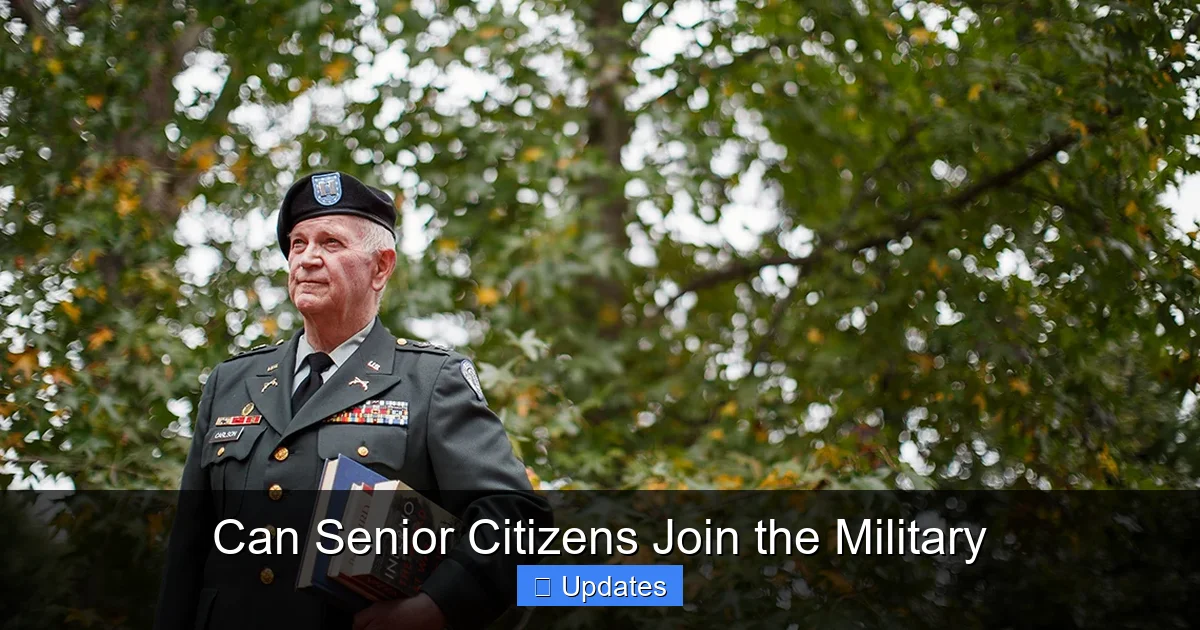
Before diving into exceptions, it’s essential to understand the baseline rules. Each branch of the U.S. Armed Forces sets its own maximum age for initial entry into active duty—and these numbers rarely exceed 35 or 39 years old. For example, the Army allows enlistment up to age 34, while the Marine Corps caps it at 28. Even the Air Force, which is slightly more lenient, stops accepting new recruits at age 39.
Visual guide about Can Senior Citizens Join the Military
Image source: cdn.aarp.net
These limits exist for practical reasons: physical fitness standards, training duration, and career progression timelines. However, they apply only to first-time enlistees. If you’ve never served before, turning 35 tomorrow means missing the cutoff—unless you qualify for a waiver.
Branch-by-Branch Age Caps
- Army: Max age 34 (up to 39 with commander approval)
- Marine Corps: Max age 28
- Navy: Max age 39
- Air Force: Max age 39
- Space Force: Max age 39
- Coast Guard: Varies by mission; generally up to age 37
Keep in mind that these are general guidelines. Some specialties within each branch—like intelligence analysts or linguists—may have different thresholds due to critical skill shortages.
Why the Limits Exist
Military training is physically demanding. Basic Combat Training (BCT), for instance, involves running, lifting, and enduring intense schedules—all designed for peak physical conditioning. Extending that timeline significantly increases injury risks. Additionally, promotions and leadership opportunities follow predictable tracks based on time-in-service. Allowing much older entrants could disrupt unit cohesion and readiness.
That said, the Pentagon recognizes value in experienced individuals. Hence, the waiver system. If you bring rare expertise—say, Russian translation skills or decades of engineering knowledge—you might bypass the age rule.
Special Programs for Older Applicants
While direct enlistment remains limited, several programs cater to mature adults who want to contribute. These aren’t just feel-good initiatives; they fill genuine gaps in national defense and humanitarian efforts.
Visual guide about Can Senior Citizens Join the Military
Image source: thumbnails.odycdn.com
Delayed Entry Program (DEP)
Also known as “swearing in early,” DEP allows qualified candidates to sign contracts and begin processing—but delay actual entry for up to 180 days. This is useful for those finishing college, buying homes, or settling personal matters. Importantly, DEP doesn’t change age limits. You still must meet all eligibility criteria at the time of enlisting.
Officer Pathways
Becoming an officer changes everything. Through programs like Officer Candidate School (OCS) or Warrant Officer Flight Training, candidates over 35 can commission—provided they meet academic and physical standards. Medical doctors, lawyers, and engineers often enter this way. The key? Demonstrating leadership potential and relevant education.
For example, Dr. Elena Martinez joined the Air Force Nurse Corps at age 41 after completing her doctorate. She credits the Health Professions Scholarship Program (HPSP), which covers tuition in exchange for service commitment. HPSP recipients can enter directly as officers, bypassing many enlisted restrictions.
Reserve and National Guard Opportunities
This is where things get exciting for seniors. The Army Reserve, for instance, accepts applicants up to age 42 with waivers. The Air Force Reserve goes even higher—some roles permit enlistment until age 45. These forces operate part-time, typically requiring one weekend per month plus two weeks of annual training.
Imagine spending your weekdays as a schoolteacher or accountant, then serving as a supply specialist on weekends. That’s the reality for many reservists. And since deployments are less frequent than in active duty, health concerns become more manageable.
National Service Programs
Beyond the traditional branches, consider AmeriCorps or the Peace Corps. Though not technically “military,” these organizations offer structured service with stipends, education awards, and travel benefits. They welcome applicants over 55 and focus on community development, disaster relief, and public health.
One retiree we spoke with spent six months teaching English in rural Guatemala through the Peace Corps. “I felt needed,” she said. “And the camaraderie reminded me why I loved service.”
Waivers: Your Ticket Past the Cutoff
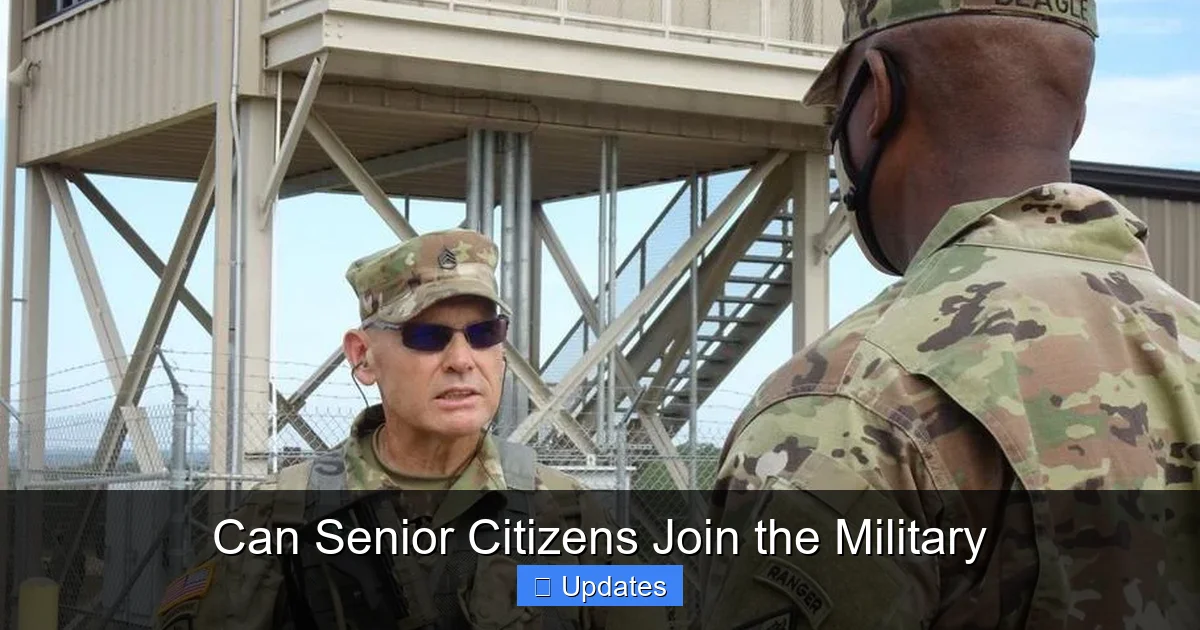
So what if you’re 40 and passionate about joining? Waivers are your best hope. The military grants them sparingly, but not never. Common scenarios include:
Visual guide about Can Senior Citizens Join the Military
Image source: stripes.com
- Limited-time needs: Branches occasionally waive ages during personnel shortages (e.g., post-9/11 surge).
- Unique skills: Fluency in endangered languages (like Pashto or Dari) can override age limits.
- Previous service: Honorable-separated veterans often receive priority for re-enlistment waivers.
- Medical necessity: Certain specialties (e.g., prosthetics research) may justify older entries.
To pursue a waiver, contact a recruiter immediately. Provide documentation proving your exceptional qualifications. Be prepared for rigorous medical exams—the military takes health seriously at any age.
Note: Waivers aren’t automatic. A 60-year-old historian won’t get approved just because he’s passionate. Conversely, a 38-year-old cybersecurity expert with top-secret clearance might sail through.
Health and Fitness Considerations
Age brings wisdom, but also biological changes. Before pursuing military service, assess your current health honestly. Key areas include:
- Cardiovascular endurance: Can you run a mile in under 10 minutes? Pass the PACES test?
- Strength and flexibility: Squats, push-ups, and sit-and-reach tests reveal readiness.
- Mental resilience: Stress tolerance matters more than raw power at advanced ages.
Many seniors underestimate their capabilities. Yet others overestimate theirs. A pre-enlistment Physical Fitness Test (PFT) is mandatory. If you fail, don’t panic—many branches offer remedial programs.
Pro tip: Start training now. Walk daily, lift light weights, and practice marching drills. Small efforts compound into big results. One 67-year-old veteran told us he passed BCT after six months of disciplined prep. “It wasn’t easy,” he admitted, “but my body remembered what service felt like.”
Civilian Support Roles: Serving Without Uniforms
If military life seems out of reach, remember: service isn’t limited to uniforms. Thousands of seniors contribute meaningfully in non-combat roles. These positions offer flexibility, purpose, and often remote options.
Veterans Affairs (VA) Employment
The VA hires extensively for administrative, IT, and clinical roles. With baby boomers aging, demand for geriatric care specialists is skyrocketing. No enlistment required—just apply online.
Federal Civil Service
Agencies like FEMA, NASA, and the Department of Labor need experienced workers. Senior citizens with decades of corporate or nonprofit experience are highly valued. Search USAJobs.gov for openings.
Nonprofit and NGO Work
Organizations like the American Red Cross or Habitat for Humanity rely on volunteers of all ages. Disaster response teams often welcome mature adults for their calm demeanor and logistical savvy.
Consider this: volunteering 10 hours a week as a Red Cross shelter manager counts as service. It builds community, fights loneliness, and keeps minds sharp.
Real Stories: Seniors Who Made It Happen
Names and details have been changed for privacy, but their journeys speak volumes.
James R., 62
A former factory worker, James re-enlisted in the Army Reserve at 58 after his son deployed. “I wanted to stand beside him again,” he says. He serves as a transportation coordinator, managing convoy routes during training exercises. “It’s not glamorous, but it’s honest work.” His waiver was granted due to prior service and urgent need for logistics personnel.
Dr. Anita P., 51
After treating warzone injuries in Iraq, Anita returned home and joined the Navy Nurse Corps at 49. HPSP covered her master’s degree. Now stationed overseas, she mentors young medics. “Age gave me patience,” she reflects. “But youth gave me energy. We balance each other.”
Robert L., 70
Never served before, Robert became a National Guard linguist at 68. Fluent in Arabic from years in diplomacy, he helps decode intercepted communications. “They laughed when I applied,” he chuckles. “Then they saw my credentials.” His unit deployed to Afghanistan—where his skills proved vital.
These stories prove that timing isn’t destiny. Passion, preparation, and persistence open doors even when age seems to slam them shut.
How to Get Started Today
Ready to take the first step? Here’s a simple action plan:
- Research: Visit GoArmy.com or JoinAirForce.com for official data.
- Talk to a recruiter: They’ll assess eligibility, discuss specialties, and explain waiver possibilities.
- Get medically cleared: Complete a Military Entrance Processing Station (MEPS) exam.
- Pursue education or training: Certifications in IT, healthcare, or languages boost your profile.
- Apply strategically: Target reserve components or officer tracks if over the standard age.
Remember: curiosity costs nothing. Schedule a call with a recruiter this week. You might discover a path you never knew existed.
Conclusion: Service Has No Retirement Age
So, can senior citizens join the military? Not always in the classic sense. But if service calls to you—whether through duty, discovery, or devotion—there are answers. From reserve duty to civilian support roles, the armed forces need diverse voices, seasoned judgment, and unwavering commitment. Age doesn’t diminish value; it often enhances it.
Don’t let a number define your potential. Explore your options. Talk to veterans. Train your body. Polish your resume. The world needs people who choose to serve—no matter their birthday.
Your next mission awaits.
Frequently Asked Questions
What is the oldest age someone has ever joined the military?
The record for the oldest first-time enlistee belongs to a 73-year-old man who joined the Army Reserve in 2015 under a language waiver. However, such cases are extremely rare. Most successful applicants over 35 do so through officer programs or reserves with explicit age flexibility.
Can I join the military if I have a medical condition?
Possibly. Many conditions are disqualifying, but waivers exist for controlled issues like hypertension or mild arthritis. A MEPS physical will determine specifics. Veterans with honorable discharges often find pathways easier than civilians.
Do I need a college degree to join at an older age?
Not necessarily. While degrees help in officer tracks, many enlisted roles prioritize skills over academics. Vocational certifications, language proficiency, or prior work experience can substitute. However, education improves waiver chances.
Are there physical fitness tests for seniors joining the military?
Yes. All applicants must pass the same PFT used for younger recruits: push-ups, sit-ups, and a timed run. Standards vary by age and gender, but consistency is key. Training beforehand dramatically improves outcomes.
How long is the commitment for older enlistees?
Typically 6–8 years total—active duty plus reserve obligation. Reserve members usually commit 6 years of part-time service after basic training. Extensions may apply for specialty training or security clearances.
Can I join the military just for travel?
No. Service requires dedication to missions, training, and teamwork. However, deployments offer unique global experiences unavailable elsewhere. Just ensure you’re prepared for the responsibilities involved.