
What Are the Best Hobbies for Seniors? 25 Fun, Meaningful Ideas


Smart Digital Photo Frame
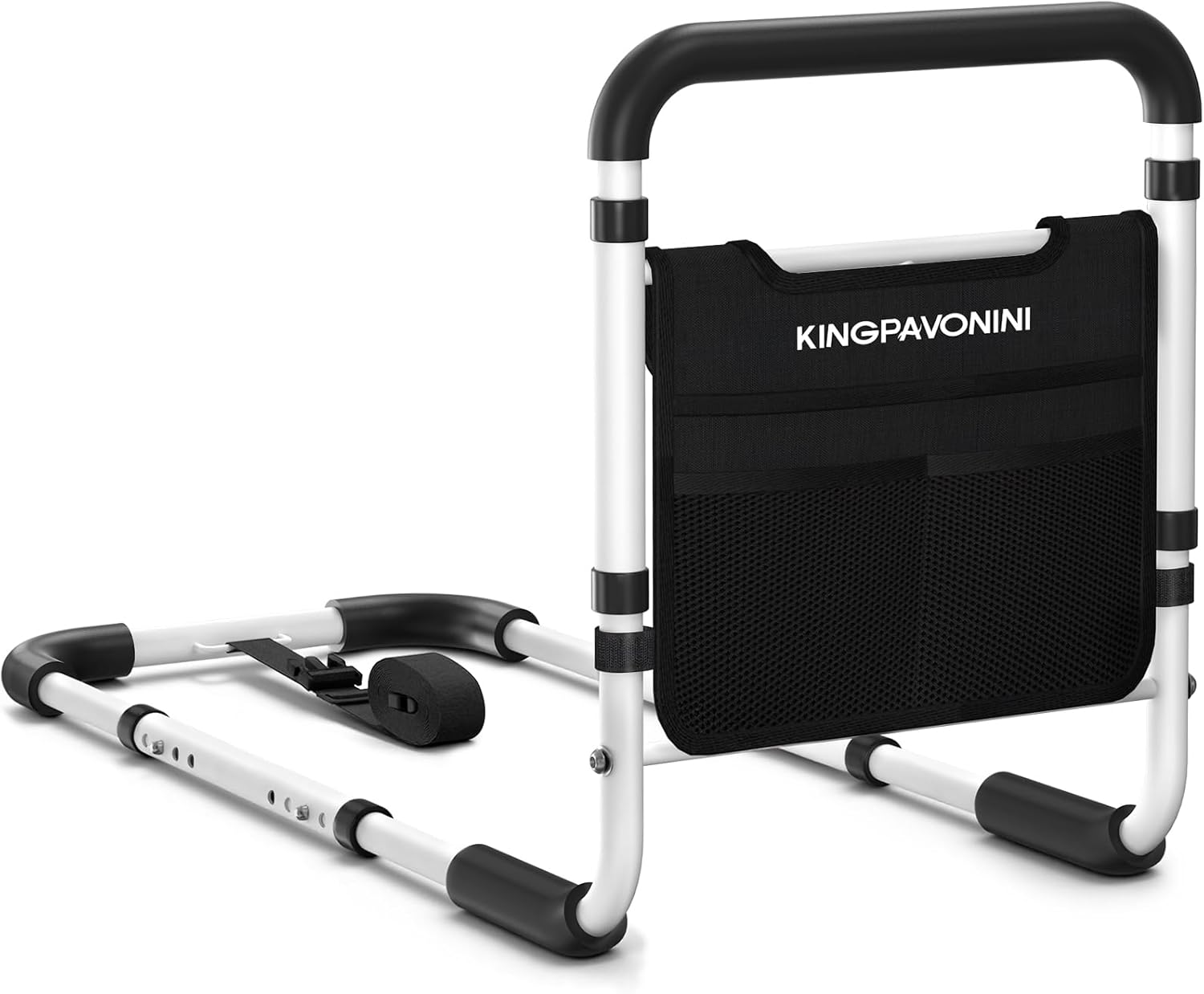
Bed Rail for Seniors

Folding Walking Stick with Seat
Quick Answer: The best hobbies for seniors are activities that feel enjoyable, meaningful, and realistic for their current energy, mobility, budget, and interests. Good choices include walking, gardening, painting, reading, card games, music, volunteering, photography, crafts, and lifelong-learning classes; the National Institute on Aging also encourages older adults to stay engaged in enjoyable social and productive activities.
- For creativity: Painting, knitting, photography, music, and writing.
- For movement: Walking, gardening, dancing, swimming, and tai chi.
- For brain engagement: Reading, puzzles, chess, language learning, and classes.
- For connection: Book clubs, volunteering, group games, choirs, and hobby clubs.
- For limited mobility: Audiobooks, seated crafts, container gardening, genealogy, and online learning.
As I look at hobby ideas for older adults, I don’t start with age. I start with what a person enjoys, what they can comfortably do, and what would make them look forward to tomorrow.
That matters because a hobby should add pleasure and purpose, not become another obligation. As of 2026, there are more ways than ever to enjoy hobbies at home, outdoors, online, or with a local group.
Table of Contents
- What makes a hobby good for seniors?
- What are the best creative hobbies for seniors?
- What are the best physical and outdoor hobbies?
- What hobbies work for seniors with limited mobility?
- What hobbies help seniors stay social?
- What hobbies keep the mind active?
- How do you choose the right hobby?
- Frequently asked questions
- Final takeaway
What Makes a Hobby Good for Seniors?
A good hobby is one a senior can enjoy consistently without unnecessary strain, frustration, or pressure. The “best” choice depends much more on the person than on a universal list.
What does “senior-friendly hobby” mean?
A senior-friendly hobby is simply an activity that fits an older adult’s interests, abilities, environment, and comfort level. It may be active or quiet, social or solitary, structured or completely informal.
I recommend looking for hobbies that meet at least two goals at once. For example, gardening can combine movement with creativity, while a book club combines reading with social connection.
- Enjoyment: The person genuinely likes the activity.
- Accessibility: It works with current vision, hearing, dexterity, and mobility.
- Purpose: It creates something to anticipate, practice, share, or complete.
- Flexibility: It can be shortened, simplified, or adapted when energy changes.
- Connection: It offers social contact if the person wants more interaction.
If you want a broader starting point, these activities to do with seniors can help you compare creative, physical, social, and learning-based options.
25 hobby ideas at a glance
- Walking
- Container gardening
- Birdwatching
- Photography
- Watercolor painting
- Drawing
- Knitting
- Crochet
- Quilting
- Journaling
- Memoir writing
- Reading
- Audiobooks
- Crossword puzzles
- Chess
- Card games
- Learning a language
- Playing a musical instrument
- Singing in a choir
- Dancing
- Swimming or water exercise
- Tai chi
- Genealogy
- Volunteering
- Book clubs
This list is intentionally varied because seniors are not one type of person. Someone who loves quiet solo projects may prefer genealogy, while another person may feel energized by choir practice or a weekly walking group.
What Are the Best Creative Hobbies for Seniors?
Creative hobbies are excellent choices because there is no single “correct” result. They can be relaxing, expressive, and easy to scale from beginner level to a serious long-term interest.
Painting, drawing, and crafts
Watercolor painting, sketching, adult coloring, scrapbooking, knitting, crochet, quilting, and simple paper crafts can all work well. Seniors with reduced hand strength may prefer larger brushes, thicker pens, easy-grip tools, or projects with fewer small pieces.
The goal doesn’t need to be gallery-quality work. A handmade card, small painting, scarf, or family scrapbook can feel meaningful because it creates something tangible.
Photography and memory projects
Photography is especially flexible because a smartphone can replace expensive camera equipment. A senior can photograph flowers, pets, family gatherings, neighborhood architecture, or daily life.
Those images can also become a memory project. Pairing photos with short captions, family names, dates, or stories creates a personal archive without requiring long writing sessions.
Music and creative writing
Playing an instrument, singing, writing short stories, journaling, or composing family memories can provide a satisfying creative routine. These hobbies can be enjoyed alone, shared with relatives, or practiced in a class.
I like creative hobbies for beginners because progress is visible. A person can look back after a month and see pages filled, songs learned, or projects completed.
What Are the Best Physical and Outdoor Hobbies for Seniors?
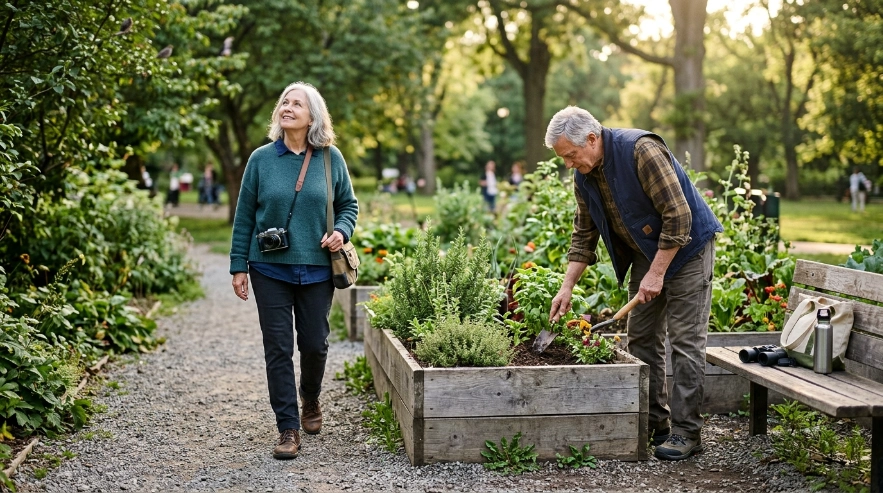
Walking, gardening, dancing, swimming, birdwatching, tai chi, and light recreational sports are popular choices for seniors who want movement built into their free time. The safest option is one that matches current health and balance.
Walking and nature hobbies
Walking is simple and can be combined with birdwatching, photography, nature journaling, or meeting a friend. If you want to make walks more structured, this guide to senior walking explains how a gentle walking routine can be adapted.
The CDC’s current guidance for adults 65 and older recommends at least 150 minutes of moderate-intensity aerobic activity per week, or an equivalent mix, along with muscle-strengthening and balance activity. See the CDC’s older-adult activity recommendations for the full guidance.
Gardening
Gardening can be as small as a windowsill herb pot or as involved as a raised vegetable bed. It offers a routine, visible progress, and a reason to spend time around plants.
For easier access, try containers, raised beds, lightweight tools, and a nearby seat. AARP’s current gardening guide for older adults also emphasizes making the garden accessible and choosing a manageable setup.
Dance, water activity, and gentle exercise
Dancing can be done at home or in a class, while swimming and water exercise may appeal to people who enjoy low-impact movement. Tai chi and gentle balance-focused exercise can also become enjoyable hobbies rather than feeling like chores.
For seniors who prefer to stay home, a simple at-home mobility exercise routine can be a practical starting point before adding more active hobbies.
What Hobbies Work for Seniors With Limited Mobility?
Limited mobility does not mean limited interests. The best approach is to reduce physical barriers while keeping choice, challenge, and enjoyment intact.
Seated and at-home hobby ideas
- Reading or listening to audiobooks
- Large-piece jigsaw puzzles
- Knitting, crochet, or simple hand crafts
- Container gardening on a table or windowsill
- Genealogy and family-history research
- Music listening and playlist building
- Online classes or virtual museum tours
- Writing letters, memoirs, or short journal entries
Vision, hearing, or hand limitations can often be addressed with large-print materials, brighter task lighting, magnifiers, captions, headphones, or easy-grip tools. Small adjustments can keep a familiar hobby enjoyable.
How can caregivers make hobbies easier?
Caregivers can help most by removing friction rather than taking over the activity. Set out supplies, reduce clutter, simplify instructions, and let the older adult decide how much help they want.
A 20-minute session may be better than an hour if fatigue is a concern. The hobby should still feel like the senior’s activity, not a task being managed for them.
What Hobbies Help Seniors Stay Social?
Book clubs, card groups, choirs, volunteering, walking groups, community classes, hobby clubs, and game nights all create natural reasons to see people regularly. That routine can matter as much as the hobby itself.
Games and clubs
Bridge, dominoes, trivia, chess, bingo, word games, and simple team games can work across many ability levels. For a larger list, see these group games for senior citizens.
Mayo Clinic also notes that staying connected with family and community can support emotional well-being and healthy aging. Its guidance on aging and staying mentally and socially active includes hobbies, classes, volunteering, and social events.
Volunteering and teaching
Volunteering can be especially meaningful for a retired person who misses the structure or purpose of work. Libraries, schools, food programs, faith communities, museums, animal organizations, and neighborhood groups may offer roles with different physical demands.
Teaching can also become a hobby. A retired cook can teach a family recipe, a gardener can mentor a beginner, or a former tradesperson can share practical skills with younger relatives.
Senior centers and community programs
Local senior centers often combine classes, games, exercise, crafts, trips, and social events in one place. A senior center calendar of events can be an easy way to find a low-commitment activity to try.
What Hobbies Keep the Mind Active?
Reading, learning a language, playing strategy games, taking classes, practicing music, doing crafts, and learning digital skills can all keep the mind engaged. The key is meaningful challenge, not chasing a promise of “brain training.”
Choose learning, not pressure
The National Institute on Aging says mentally engaging activities may support cognitive health, while evidence for commercial brain-training apps is not definitive. Its cognitive health guidance highlights meaningful activities such as learning new skills, music, creative work, and social engagement.
I’d rather see someone learn basic photo editing, practice piano, or join a history course than force themselves through an app they dislike. A hobby is easier to maintain when curiosity pulls you back to it.
Good mentally engaging hobbies
- Reading novels, history, biographies, or newspapers
- Crosswords, Sudoku, chess, or card strategy games
- Learning a language
- Taking community-college or library classes
- Genealogy research
- Learning a musical instrument
- Photography and photo editing
- Writing family stories or memoirs
How Do You Choose the Right Hobby?
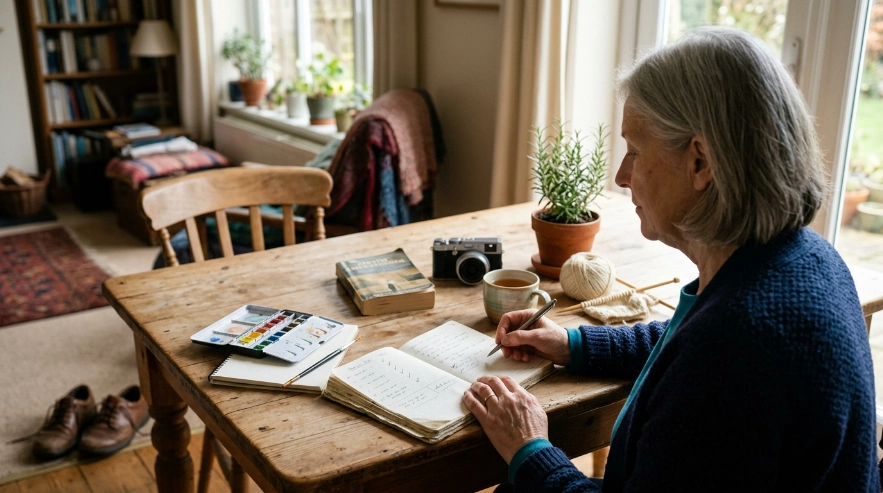
Start with the person’s interests, then check physical demand, social preference, space, transportation, and cost. One hobby does not need to meet every need.
Compare hobby types before committing
| Hobby type | Examples | Physical demand | Social flexibility |
|---|---|---|---|
| Creative | Painting, knitting, writing | Low | Solo or group |
| Learning | Languages, classes, genealogy | Low | Solo or group |
| Outdoor | Gardening, birdwatching | Low to moderate | Solo or group |
| Active | Walking, dancing, swimming | Moderate, adaptable | Often social |
| Games | Cards, chess, trivia | Low | Best with others |
| Service | Volunteering, mentoring | Varies | Highly social |
Use the two-week test
I recommend trying one hobby for two weeks before buying lots of equipment or committing to a long class. Keep the first version small and easy.
- Choose one activity that sounds genuinely interesting.
- Try it two or three times in a low-pressure setting.
- Notice energy, comfort, enjoyment, and any physical barriers.
- Adapt the setup if needed.
- Continue only if the activity feels worth repeating.
If a hobby causes pain, dizziness, unusual shortness of breath, or unsafe balance, stop and get medical advice before continuing. Enjoyment matters, but safety comes first.
Frequently Asked Questions
What are the easiest hobbies for seniors to start?
Reading, walking, adult coloring, container gardening, puzzles, photography, music listening, and simple card games are easy starting points. Most need little equipment, can be tried in short sessions, and can be adjusted for different mobility or energy levels.
What are good hobbies for a 70-year-old?
A 70-year-old may enjoy gardening, walking, swimming, painting, volunteering, dancing, book clubs, photography, crafts, or learning a new skill. Age alone should not determine the hobby; current health, interests, mobility, and social preferences are more useful guides.
What hobbies are best for seniors who live alone?
Good options include reading, gardening, crafts, online classes, genealogy, photography, walking, and music. I also suggest adding at least one activity with regular human contact, such as a club, volunteer role, class, faith-community activity, or scheduled game group.
What are inexpensive hobbies for seniors?
Walking, reading library books, journaling, birdwatching, drawing, card games, free community events, gardening from cuttings, and online learning can be inexpensive. Libraries and senior centers are especially useful because they may provide books, classes, clubs, equipment, and social programs at little or no cost.
What hobbies are good for seniors with arthritis or limited hand strength?
Audiobooks, music, birdwatching, photography, large-piece puzzles, container gardening, gentle walking, and voice-to-text journaling may require less fine hand control. Adaptive scissors, thick pens, easy-grip garden tools, and larger craft materials can also make familiar hobbies easier to continue.
Can hobbies help seniors stay mentally active?
Meaningful hobbies can provide learning, concentration, creativity, and social engagement. Reading, music, games, crafts, classes, and learning new technology are good examples, but no hobby should be presented as a guaranteed way to prevent dementia or cognitive decline.
Final Takeaway: Start With Enjoyment, Then Adapt
So, what are the best hobbies for seniors? They are the hobbies a person enjoys enough to return to—while fitting their body, budget, environment, and preferred level of social contact.
Start with one simple choice, make it easy to access, and adjust it when needed. A hobby does not have to be impressive to be valuable; it only has to make everyday life more interesting, connected, active, or meaningful.
