
What Are the Best Hobbies for Seniors Who Live Alone?


Motion Sensor Night Lights

Robot Vacuum Cleaner

Lap Desk for Reading
Quick Answer
The best hobbies for seniors who live alone combine enjoyment, purpose, movement, learning, or social contact. Walking, gardening, reading, crafts, cooking, photography, music, volunteering, and group classes are strong choices, and the National Institute on Aging recommends meaningful activities as part of healthy aging.
Good hobbies to try
- Walking: Adds gentle activity and can become social when you join a walking group.
- Gardening: Gives you a regular routine and something visible to care for.
- Creative crafts: Painting, knitting, woodworking, and similar hobbies keep your hands and mind occupied.
- Learning: Classes, languages, music, and technology lessons offer new challenges.
- Volunteering: Adds purpose while creating regular contact with other people.
- Book clubs: Combine quiet reading at home with scheduled conversation and friendship.
A simple way to start
- Choose one hobby you can do alone and one that gives you regular contact with other people.
Living alone doesn’t mean your days have to feel empty or repetitive. A good hobby can give you something enjoyable to look forward to each morning.
I like hobbies that fit real life rather than creating another obligation. The best choice is usually something simple enough to repeat and interesting enough to keep calling you back.
In This Guide
- Why do hobbies matter when you live alone?
- What hobbies help seniors meet other people?
- What are the best active hobbies for seniors?
- Which hobbies keep the mind engaged?
- What creative hobbies are easy to do at home?
- What are good inexpensive hobbies for seniors?
- How do you choose a hobby you’ll actually continue?
- How can seniors start hobbies safely?
- Frequently Asked Questions
Why Do Hobbies Matter When You Live Alone?
Hobbies can add structure, enjoyment, social contact, and a sense of progress to everyday life. Those benefits can matter even more when nobody else shares your home.
A good hobby for a senior living alone is an enjoyable activity that can be repeated safely and gives the person something meaningful to anticipate, practice, create, learn, or share.
Living alone and feeling lonely aren’t the same thing. Some people love the independence of a quiet home and maintain active relationships elsewhere.
Problems can appear when long stretches of time contain little activity or contact. The National Institute on Aging’s guidance on staying connected suggests enjoyable activities, classes, volunteering, exercise, and regular contact with others.
Think beyond simply filling time
A pastime works better when it gives you a reason to return tomorrow. Completing a puzzle, tending seedlings, or practicing three guitar chords creates visible progress.
- Purpose: You have something specific to care about today.
- Routine: The hobby gives part of your day a natural structure.
- Connection: Shared hobbies create easy conversation with others.
- Movement: Active hobbies can reduce long periods of sitting.
- Learning: New skills give the mind fresh challenges.
As of 2026, these ideas also match current healthy-aging guidance. You don’t need an ambitious schedule to benefit from being more engaged.
What Hobbies Help Seniors Meet Other People?
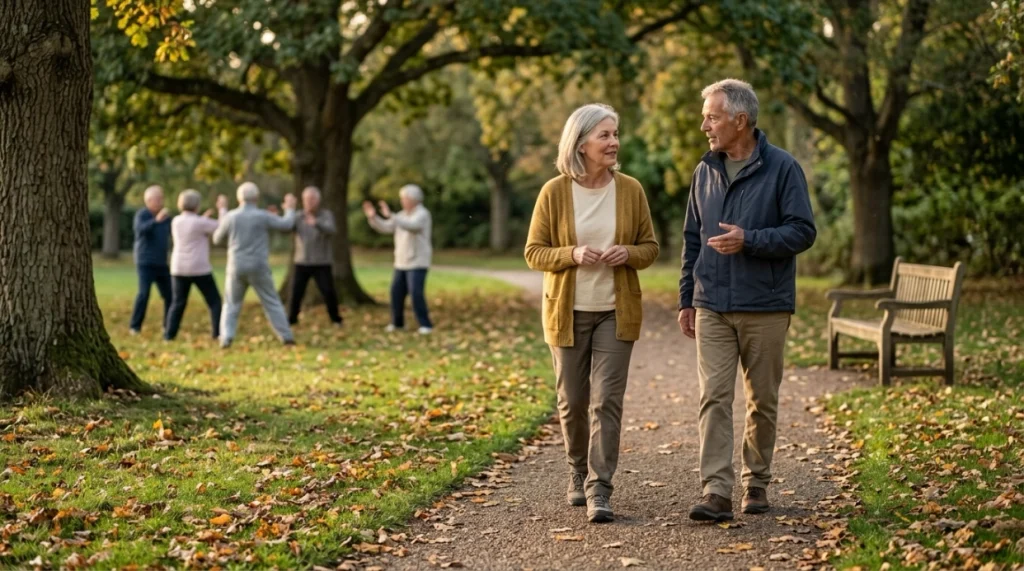
The best social hobbies create repeated contact around a shared interest. That makes conversation easier because everyone already has something in common.
I would choose recurring activities over one-time events. Seeing the same people each Tuesday often builds stronger connections than attending a large event once.
Good social hobbies for seniors living alone
- Book clubs: Read at home, then meet monthly for discussion.
- Walking groups: Combine conversation with gentle physical activity.
- Community gardening: Work independently while sharing space with other gardeners.
- Card or board-game groups: Create an easy reason for regular gatherings.
- Choirs: Offer practice, teamwork, and scheduled social contact.
- Craft circles: Knitting, quilting, painting, and similar groups allow relaxed conversation.
- Volunteering: Connects you with people while contributing to a cause.
- Classes: Cooking, art, technology, languages, and history courses bring people together naturally.
Volunteering deserves special attention
Volunteering is part hobby, part community activity. It can create a stronger sense of purpose than entertainment alone.
Libraries, museums, schools, food programs, community gardens, and local charities often need dependable volunteers. Choose a role that matches your energy, transportation, and preferred level of interaction.
A weekly two-hour commitment may be enough. There’s no need to fill your calendar.
What Are the Best Active Hobbies for Seniors?
Walking, gardening, swimming, dancing, tai chi, and recreational cycling are popular active hobbies. The right choice depends on mobility, balance, health, and previous activity levels.
Current CDC guidance for adults 65 and older recommends a weekly mix of aerobic, muscle-strengthening, and balance activities. It also advises people with limitations to remain as active as their abilities allow.
| Hobby | Physical Demand | Social Potential | Typical Cost | Good Starting Session |
|---|---|---|---|---|
| Walking | Low to moderate | High with a group | Low | 10–20 minutes |
| Gardening | Low to moderate | Medium | Low to medium | 15–30 minutes |
| Tai chi | Low | High in classes | Low to medium | 15–20 minutes |
| Swimming | Moderate | Medium | Medium | 15–20 minutes |
| Dancing | Moderate | High | Low to medium | 15–30 minutes |
Start below your maximum ability and build gradually. A hobby should leave you wanting another session rather than feeling exhausted after the first one.
Health note: If you have significant heart, balance, breathing, joint, or mobility concerns, ask your healthcare professional what level of activity is appropriate for you.
Which Hobbies Keep the Mind Engaged?
Learning-based hobbies give you recurring problems to solve. They work best when the challenge grows as your skills improve.
Crosswords are useful, but you don’t need to limit yourself to traditional puzzles. Many everyday hobbies require planning, memory, attention, and decision-making.
Try hobbies with a learning curve
- Learn a language: Practice vocabulary for 10 to 15 minutes each day.
- Play chess: Study basic strategies and play online or locally.
- Learn an instrument: Work on short songs instead of long practice sessions.
- Take online courses: Explore history, science, writing, art, or technology.
- Research family history: Organize photographs, documents, and family stories.
- Try photography: Learn composition, lighting, editing, and storytelling.
- Read widely: Alternate fiction, biography, history, and practical topics.
Social learning can add another layer. A language group, book discussion, or photography club gives you both mental stimulation and conversation.
There’s no prize for choosing the hardest activity. Pick something challenging enough to stay interesting without turning leisure into frustration.
What Creative Hobbies Are Easy to Do at Home?
Creative hobbies are especially useful when transportation, weather, or mobility makes frequent outings difficult. You can work for ten minutes or an entire afternoon.
The finished product matters less than the process. You don’t need professional-level skills to enjoy making something.
Creative hobbies worth trying
- Painting or drawing: Start with pencils, watercolors, or inexpensive acrylics.
- Knitting or crochet: Make small items before attempting larger projects.
- Writing: Try memoirs, short stories, poetry, or daily journaling.
- Cooking: Choose one new recipe each week and build a personal collection.
- Baking: Experiment with breads, cookies, or family recipes.
- Indoor gardening: Grow herbs, houseplants, or small vegetables near a bright window.
- Music: Sing, learn keyboard, or return to an instrument you once played.
- Scrapbooking: Organize photographs while recording names and stories for family.
One advantage of creative hobbies is that they can become social later. You can share photographs, recipes, plants, paintings, or handmade gifts.
You can also join an online or local group once you feel comfortable. That turns a home-based hobby into a bridge to other people.
What Are Good Inexpensive Hobbies for Seniors?
Many rewarding hobbies cost little or nothing. Before buying equipment, test the activity with borrowed, used, or basic supplies.
A common mistake is purchasing everything at once. Interest sometimes disappears before the expensive equipment gets much use.
- Walking: Use a safe local route and suitable shoes you already own.
- Reading: Borrow books and audiobooks from your public library.
- Birdwatching: Begin by observing birds from a window or local park.
- Journaling: All you need is a notebook and pen.
- Phone photography: Use your existing smartphone before buying a camera.
- Free online courses: Explore educational videos and library learning programs.
- Container gardening: Start with two or three herbs instead of a large garden.
- Volunteering: Many opportunities require time rather than money.
Libraries and community centers are especially useful. Many provide classes, clubs, technology help, games, lectures, and activity groups.
Free doesn’t mean boring. A hobby becomes valuable because you enjoy returning to it.
How Do You Choose a Hobby You’ll Actually Continue?
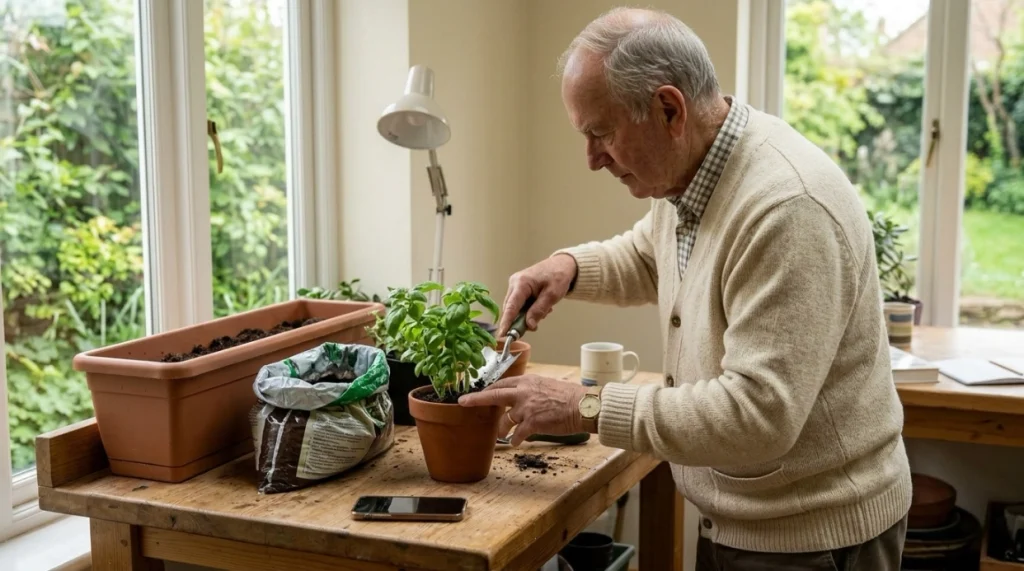
Choose according to your personality, energy, budget, and access rather than what other people say you should enjoy. Sustainability matters more than novelty.
I recommend using three simple questions before committing. They quickly eliminate hobbies that look good on paper but won’t fit everyday life.
- Would I enjoy doing this next Tuesday? Imagine the ordinary version, not the exciting first day.
- Can I reach or start it easily? Consider transportation, setup, equipment, and weather.
- Does it give me something I currently need? That could be movement, people, creativity, learning, or peaceful time alone.
Mix solo and social hobbies
For someone living alone, I prefer a two-hobby approach. Keep one dependable home hobby and one activity that connects you with people.
- Home hobby: Reading, gardening, painting, cooking, music, or puzzles.
- Social hobby: Walking groups, classes, volunteering, clubs, or community gardening.
This combination gives you flexibility. Bad weather or low-energy days don’t eliminate everything from your schedule.
A 2025 AARP study of adults aged 50 and older who lived alone found hobbies, friendships, family time, and physical activity among important sources of enjoyment and connection. AARP’s solo-aging research also highlights the independence many people value when living alone.
How Can Seniors Start Hobbies Safely?
Good hobby choices should fit your current abilities and living situation. Safety becomes especially important when you may be alone during an activity.
Simple preparation prevents many avoidable problems. It doesn’t need to make the hobby feel restrictive.
- Start slowly: Keep first sessions short while learning how your body responds.
- Keep a phone nearby: This matters during gardening, woodworking, exercise, or outdoor activities.
- Use proper lighting: Good visibility helps with crafts, reading, cooking, and workshop projects.
- Reduce fall hazards: Keep walkways clear and avoid loose cords or unstable stools.
- Tell someone your plans: Do this before hiking, cycling, swimming, or visiting isolated areas.
- Check equipment: Follow instructions for power tools, exercise equipment, and kitchen appliances.
- Respect weather: Heat, cold, rain, and poor air quality can change outdoor plans.
Physical limitations don’t have to eliminate hobbies. Activities can often be adapted with seated versions, raised garden beds, larger-handled tools, audiobooks, or shorter sessions.
The goal isn’t to prove anything. It’s to build an enjoyable routine you can continue confidently.
Frequently Asked Questions
What is the easiest hobby for a senior living alone?
Reading, walking, container gardening, puzzles, journaling, and phone photography are among the easiest hobbies to start. They require little equipment and can be done on a flexible schedule.
What hobbies are good for lonely seniors?
Choose activities that create recurring interaction, such as book clubs, walking groups, community classes, volunteering, game groups, choirs, or community gardening. Regularly seeing familiar people can make social contact feel more natural.
What can an elderly person do when bored at home?
Try cooking a new recipe, organizing photographs, starting a small indoor garden, reading, learning a language, listening to an audiobook, drawing, completing a puzzle, or taking an online class. Rotate activities to keep the week varied.
Are online hobbies good for seniors who live alone?
Yes. Online classes, book groups, games, video calls, language learning, genealogy, and photography communities can provide entertainment and connection. They are especially useful when transportation or mobility makes frequent outings difficult.
What hobbies can seniors do with limited mobility?
Reading, audiobooks, painting, writing, knitting, genealogy, music, seated gardening, puzzles, cooking with adaptations, and online learning can work well. Choose tools and setups that match your reach, grip, vision, and energy.
How many hobbies should a retired person have?
There’s no ideal number. Two or three dependable activities are often easier to maintain than a packed schedule. A useful mix includes one relaxing hobby, one active hobby, and one activity involving other people.
How can I find senior hobby groups near me?
Check public libraries, senior centers, recreation departments, community colleges, parks, faith communities, museums, and volunteer organizations. Ask about recurring groups rather than only special events because repeated meetings make relationships easier to build.
Start small today. Pick one activity that sounds enjoyable and give it three short sessions before deciding whether it’s right for you.
You don’t need to stay busy every hour. The goal is to create days that contain something interesting, meaningful, and worth looking forward to.