
Bath Lift vs Walk-In Tub: Which?


Air Fryer for Easy Cooking

Raised Toilet Seat

Arthritis Gloves
A Bath Lift vs Walk-In Tub comparison makes sense when getting into a regular bathtub has become harder. Both can make bathing more accessible, but they solve the problem in very different ways.
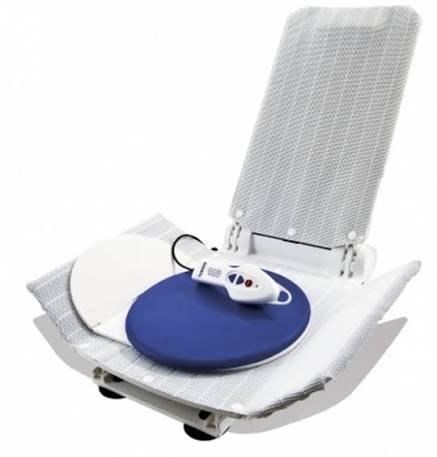
A bath lift is a powered or mechanical seat that lowers and raises a person inside an existing tub. A walk-in tub replaces or remodels the bathtub with a low-entry door, built-in seat, and other accessibility features.
Quick Comparison
For many seniors who already have a suitable bathtub and want a lower-cost accessibility change, a bath lift can be the simpler option. It does not require replacing the whole tub.
A walk-in tub may make more sense when entering a standard tub is the main problem. Its low threshold, door, built-in seat, and grab bars are designed around easier entry and bathing.
The key difference is simple: a bath lift changes how you use your existing tub, while a walk-in tub changes the tub itself.
Bath Lift vs Walk-In Tub At a Glance
The right choice depends more on your bathroom, mobility needs, and bathing habits than on features alone.
| Feature | Bath Lift | Walk-In Tub |
|---|---|---|
| Basic design | Lift seat inside tub | Tub with low-entry door |
| Entry | Step over existing tub wall | Step through low door |
| Transfer | Requires getting onto the seat | Usually seated inside the tub |
| Installation | Usually simpler | Professional installation often needed |
| Existing tub | Uses it | Replaces or remodels it |
| Bath position | Lowers into tub | Built-in seated position |
| Accessibility | Improves tub use | Built around accessible bathing |
| Portability | Some models can be removed | Permanent fixture |
| Space needs | Uses existing tub | Requires suitable bathroom space |
| Long-term change | Smaller bathroom change | Major bathroom upgrade |
Bath Lift Review for Senior Bathing
A bath lift is designed to make a standard bathtub easier to use without replacing the entire tub.
The main benefit is the powered seat. Instead of lowering yourself all the way into the bottom of the tub and trying to stand back up, the lift can lower you into the bath and raise you again afterward.
Ease of Use
The exact controls vary by model, but many bath lifts use a handheld control. This can be useful for someone who has enough strength and balance to transfer onto the seat but finds lowering and rising difficult.
A bath lift may also be easier to consider when bathroom renovation is not practical.
Key Strengths
- Uses an existing bathtub
- Can reduce the effort needed to lower and rise
- Usually requires less remodeling
- Some models can be removed
- May suit renters or temporary needs better
- Can provide a seated bathing position
Potential Drawbacks
- You still need to get over the bathtub wall
- A transfer may require balance and strength
- The seat occupies space inside the tub
- Charging or battery care may be required, depending on the model
- It does not change the basic design of the bathroom
Walk-In Tub Review for Senior Bathing
A walk-in tub is a more complete bathroom accessibility solution. It normally has a door, a low step-in area, a built-in seat, and support features.
Many current walk-in tubs also offer features such as grab bars, accessible controls, hand showers, and fast-drain systems. Exact features vary by model.
Ease of Use
The biggest advantage is entry. Instead of climbing over the high wall of a traditional bathtub, you can step through the door.
Some walk-in tubs have thresholds around 3 inches, although the exact entry height varies by brand and model.
Key Strengths
- Low-entry design
- Built-in bathing seat
- Grab bars are commonly included
- Wide doors are available on many models
- Can combine bathing and showering
- Permanent accessibility upgrade
- Some models offer fast-drain systems
Potential Drawbacks
- Costs more to install than a bath lift
- Requires bathroom remodeling or tub replacement
- The door must be closed before filling
- The user may need to wait for the tub to drain before opening the door
- Large built-in features can make repairs more involved
Which Is Easier for Seniors to Use?
This depends on where the difficulty occurs.
If the main problem is lowering into and getting back out of an existing tub, a bath lift may solve much of the problem.
If stepping over the tub wall is difficult, a walk-in tub can offer a more direct solution because the user enters through a low door. Walk-in models are specifically designed around easier entry, seating, and support.
For someone with limited balance or mobility, the transfer itself matters. A bath lift does not remove the need to get over the existing tub wall.
Performance Comparison
These products are not really competing on the same type of performance.
A bath lift’s main job is lifting and lowering the user.
A walk-in tub’s main job is providing a more accessible bathing environment.
| Performance Area | Bath Lift | Walk-In Tub |
|---|---|---|
| Lowering into bath | Excellent when transferred safely | Built-in seated entry |
| Rising from bath | Lift assists the movement | User exits through door |
| Entry accessibility | Limited by existing tub | Low-entry design |
| Bathing comfort | Depends on lift and tub | Often includes built-in seat |
| Showering | Depends on existing bathroom | Some models support shower use |
| Remodeling | Minimal in many cases | Usually greater |
| Long-term accessibility | Moderate | High |
Walk-in tubs can also include comfort features such as air or whirlpool jets, heated backrests, and hand showers.
Comfort, Accessibility, and Senior-Friendly Design
A bath lift focuses on the seat. A walk-in tub focuses on the whole bathing space.
This difference can matter during everyday use.
A bath lift may be preferable when the existing tub is comfortable and the user simply needs help changing height. It also avoids making a permanent bathroom change.
A walk-in tub may provide a more integrated experience. Low entry, built-in seating, grab bars, accessible controls, and a handheld shower can all be part of the design.
Neither option is automatically right for every senior.
Features Comparison
The useful features are quite different because the products have different designs.
| Feature | Bath Lift | Walk-In Tub |
|---|---|---|
| Powered seat | Common | Built-in seat |
| Low entry door | No | Yes |
| Existing tub required | Yes | Usually replaced |
| Grab bars | Depends on setup | Common |
| Hand shower | Uses existing fixture | Often available |
| Hydrotherapy | Usually not the main purpose | Available on some models |
| Heated seat/backrest | Model dependent | Available on some models |
| Fast drain | Not usually relevant | Available on some models |
| Portability | Some models removable | Permanent |
Price, Maintenance, and Long-Term Value
A bath lift generally requires a much smaller investment because you are adding equipment to an existing bathtub rather than replacing the entire bathing area.
A walk-in tub can involve the tub itself, removal of the old fixture, plumbing, installation, and optional features. Current manufacturer offerings commonly package professional installation with walk-in bath purchases.
For long-term value, consider more than the initial price.
A bath lift may offer better value if your current tub works well and only the lowering and rising motion is difficult.
A walk-in tub may offer more value when the bathroom needs a lasting accessibility upgrade.
Who Should Choose a Bath Lift?
A bath lift may suit you if:
- You want to keep your existing bathtub.
- You want to avoid major remodeling.
- The main difficulty is lowering into or rising from the tub.
- You can safely transfer onto the lift.
- You want a solution that may be removable.
- You do not need a low-entry door.
Who Should Choose a Walk-In Tub?
A walk-in tub may suit you if:
- Stepping over a normal tub wall is difficult.
- You want a built-in bathing seat.
- You prefer a permanent accessibility solution.
- Grab bars and easy-entry features are important.
- You want bathing and showering options in one space.
- You are comfortable with a larger installation project.
Bath Lift vs Walk-In Tub — Final Verdict
The better option depends on the exact bathing problem.
Best for an existing bathtub: Bath lift
Best for low-entry access: Walk-in tub
Best for avoiding major remodeling: Bath lift
Best for a permanent accessibility upgrade: Walk-in tub
Best for integrated accessibility features: Walk-in tub
Best for a simpler change: Bath lift
A bath lift is mainly a way to make an existing tub easier to use. A walk-in tub is a complete change to the bathing environment.
Scoring Summary
Because these products serve different purposes, scores are best treated as a practical comparison rather than a universal ranking.
| Category | Bath Lift | Walk-In Tub |
|---|---|---|
| Ease of entry | 6/10 | 9/10 |
| Existing-bath compatibility | 10/10 | 5/10 |
| Remodeling simplicity | 9/10 | 4/10 |
| Integrated accessibility | 7/10 | 9/10 |
| Portability | 9/10 | 2/10 |
| Long-term bathroom upgrade | 6/10 | 9/10 |
These scores reflect the design differences discussed above, not laboratory testing.
How We Evaluate Products
For this comparison, the focus is on practical senior use.
The main factors are:
- Ease of entry and exit
- Physical effort
- Transfer requirements
- Comfort
- Accessibility
- Installation
- Maintenance
- Safety features
- Long-term practicality
- Overall value
This is a feature-based comparison, not a hands-on product test.
Senior-Specific Buying Considerations
Physical Effort
Think about every movement required. Can you safely step over the existing tub wall? Can you transfer onto a bath lift seat?
Controls
Check whether the controls are easy to reach and operate. A simple control system can matter more than extra features.
Maintenance
Consider cleaning, charging, moving parts, seals, and replacement components.
Setup
A bath lift usually changes less of the bathroom. A walk-in tub may require professional installation and plumbing work.
Safety
Look for stable seating, secure transfers, easy-to-use handles, and a suitable entry height. A low step-in can make entry easier, but it does not remove all fall risk.
Common Buying Mistakes
Avoid these mistakes when comparing a bath lift with a walk-in tub:
- Choosing only by purchase price
- Ignoring the difficulty of the transfer
- Forgetting bathroom space
- Assuming every walk-in tub has the same features
- Overlooking maintenance and installation needs
- Paying for features that will not be used
Safety
Bathing involves water, slippery surfaces, transfers, and changes in balance. A product can reduce some barriers but cannot guarantee safe bathing.
Before choosing either option, consider how the user gets into the bathroom, transfers into the tub, operates the controls, and gets out after bathing.
If mobility or balance concerns are significant, discussing the bathroom setup with an occupational therapist or other qualified healthcare professional can help identify suitable accessibility changes.
Frequently Asked Questions
Is a bath lift safer than a walk-in tub?
Neither is automatically safer for every person. A bath lift can reduce the effort of lowering and rising, while a walk-in tub can reduce the need to step over a traditional tub wall.
Can a bath lift be used in any bathtub?
No. Compatibility depends on the tub’s dimensions, shape, bottom, and the specific lift. Always check the manufacturer’s requirements before buying.
Does a walk-in tub require a door?
Yes. The defining feature of a walk-in tub is its watertight access door, which allows the user to enter without climbing over a traditional tub wall.
Which takes more bathroom work?
A walk-in tub normally requires more work because it replaces or remodels the existing bathing fixture. A bath lift can work with an existing compatible tub.
Is a walk-in tub good for seniors with limited mobility?
It may be helpful for seniors who have difficulty stepping over a traditional tub wall. The exact setup should still match the person’s ability to transfer, sit, stand, and operate the tub safely.
Can a walk-in tub also be used as a shower?
Some models can. Features vary, so check whether the specific tub includes or supports a shower package.
Conclusion
The main difference between a Bath Lift vs Walk-In Tub is the level of change. A bath lift adapts an existing bathtub, while a walk-in tub creates a more accessible bathing environment.
Choose a bath lift when keeping the existing tub and avoiding major remodeling are priorities. Consider a walk-in tub when low-entry access, built-in seating, and a permanent accessibility upgrade matter more. The safest choice is the one that matches the user’s actual transfer ability, bathroom layout, and daily bathing routine.