
Affordable Senior Housing Colorado Springs


Bathtub Grab Bar

Folding Walking Cane

Lap Desk for Reading
Finding affordable senior housing in Colorado Springs doesn’t have to be overwhelming. With the right resources and support, older adults can access safe, comfortable, and financially sustainable living options. From subsidized apartments to community-based programs, Colorado Springs offers a variety of solutions tailored to meet the needs of seniors with limited income or fixed budgets. Whether you’re planning ahead or searching urgently, this guide walks you through the best paths to secure dignified housing that fits your lifestyle and finances.
Key Takeaways
- Subsidized housing programs: Federal and state-funded options like Section 202 and HUD-VASH make senior housing more accessible.
- Low-income eligibility: Most affordable housing requires income at or below 50% of area median income (AMI).
- Waiting lists exist: Popular programs often have long wait times—apply early and stay informed about openings.
- Assisted living alternatives: Some communities offer sliding-scale pricing based on need and assets.
- Support services included: Many affordable complexes provide meals, transportation, and social activities at no extra cost.
- Local nonprofits help: Organizations like Senior Resource Connection offer free counseling and application assistance.
- Home-sharing options: Consider roommates or caregiver-in-residence models to reduce costs significantly.
Finding safe, comfortable, and affordable senior housing in Colorado Springs is a top priority for many older adults and their families. As life expectancy increases and healthcare costs rise, ensuring stable housing becomes even more critical. Fortunately, Colorado Springs provides a wide range of affordable options designed specifically for seniors with limited income or fixed budgets. These include government-subsidized apartments, nonprofit-run communities, and innovative shared-living models. Whether you’re looking for independent living with occasional support or full-time care, there are solutions available that balance dignity, affordability, and quality of life.
The challenge many face is navigating a complex system of eligibility requirements, documentation needs, and often lengthy waiting lists. That’s why understanding your options early—and knowing where to apply—can save time, stress, and money down the road. This comprehensive guide breaks down everything you need to know about affordable senior housing in Colorado Springs, including how to qualify, what types of housing exist, and practical tips for making the best choice for your unique situation.
Key Takeaways
- Understanding affordable senior housing colorado springs: Provides essential knowledge
📑 Table of Contents
- Types of Affordable Senior Housing in Colorado Springs
- How to Qualify for Affordable Senior Housing
- Top Affordable Senior Housing Communities in Colorado Springs
- Financial Assistance and Supplemental Benefits
- Navigating Challenges and Avoiding Scams
- Community Resources and Support Services
- Planning Ahead: What Happens When You Need More Care?
- Final Thoughts: Your Path Forward
Types of Affordable Senior Housing in Colorado Springs
When it comes to affordable senior housing, not all options are created equal. Some focus on independence with minimal support, while others offer full-time assistance with daily living activities. Understanding the differences helps you choose the right fit for your health, lifestyle, and financial situation.
Publicly Subsidized Apartment Communities
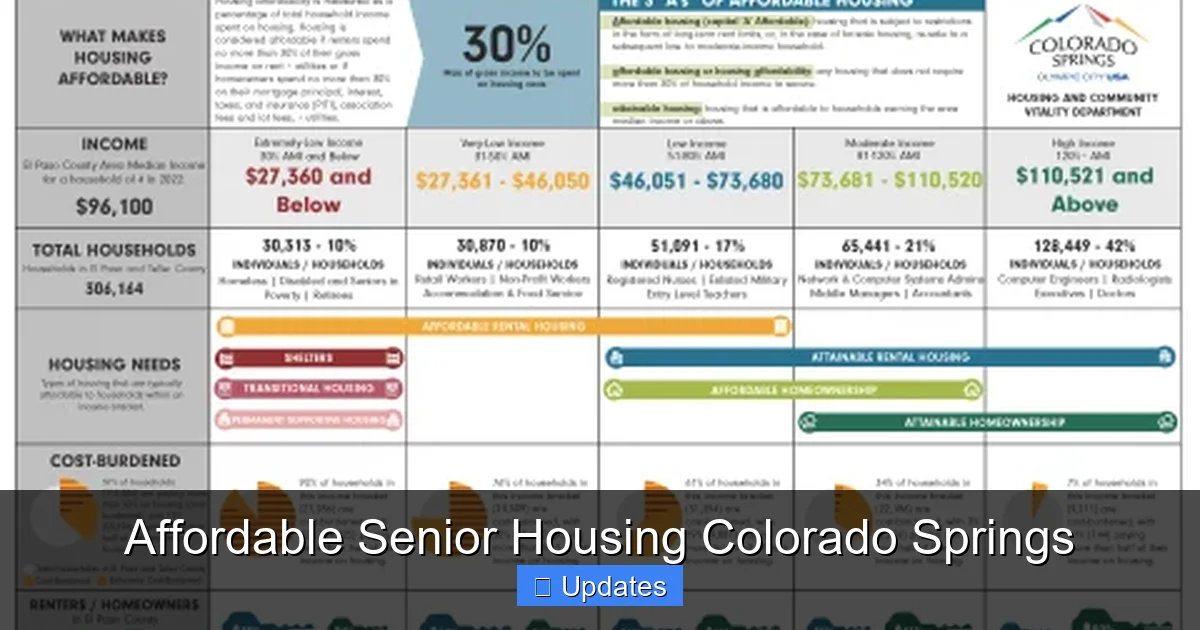
These are multi-unit apartment buildings funded in part by federal or state housing programs. Residents pay rent based on their income (typically 30% of gross monthly income), making them highly affordable. Examples include developments under HUD’s Section 202 Supportive Housing for the Elderly program or Low-Income Housing Tax Credit (LIHTC) properties.
In Colorado Springs, several such communities operate under these programs. They usually feature one- or two-bedroom units, communal dining areas, emergency call systems, and sometimes on-site staff during daytime hours. While availability is limited, they represent one of the most reliable ways to secure long-term affordable housing.
Nonprofit and Faith-Based Senior Housing
Many religious organizations and charitable groups run affordable housing projects across Colorado. These often prioritize seniors over 62 years old and may offer additional perks like meal plans, housekeeping, or transportation to medical appointments.
For example, local chapters of the Catholic Charities or Jewish Family Services might sponsor housing complexes with subsidized rents. Nonprofits also tend to have smaller waitlists than purely public programs because they rely less on government funding cycles.
Continuing Care Retirement Communities (CCRCs)
While CCRCs are typically more expensive upfront, some offer entrance-fee structures with lifetime leases and tiered pricing based on level of care needed. In certain cases, especially if you qualify for Medicaid or veteran benefits, portions of the fees can be offset through assistance programs.
Some Colorado Springs CCRCs participate in special financing or scholarship programs aimed at low-income residents. It’s worth inquiring directly about any means-tested options they may offer.
Shared Housing and Home-Sharing Programs
An increasingly popular alternative is shared housing—where two or more unrelated seniors live together in a single home. This model reduces individual costs dramatically while promoting companionship and mutual support. Platforms like SeniorShare.org facilitate connections between compatible roommates.
In Colorado Springs, local agencies sometimes coordinate homeshare matches through programs like the Area Agency on Aging (AAA). These initiatives screen participants for compatibility and ensure legal agreements protect both parties’ rights and privacy.
Mobile Home Parks and RV Parks for Seniors
Several mobile home parks in El Paso County cater specifically to active adults aged 55+ and above. Monthly lot rentals here are often far lower than traditional apartment rates, especially when combined with low-cost manufactured homes.
Some parks even offer amenities like swimming pools, clubhouses, and organized events. However, residents must own their own mobile homes, which requires an initial investment. Still, for those who qualify, this can be a surprisingly affordable entry point into independent senior living.
How to Qualify for Affordable Senior Housing
Visual guide about Affordable Senior Housing Colorado Springs
Image source: idahospringsco.com
Eligibility criteria vary by program but generally center around age, income, and residency. Most affordable senior housing options require applicants to be at least 62 years old, though exceptions exist for disabled individuals under 62.
Income limits are typically set at 50% of the Area Median Income (AMI) for the Pikes Peak region. As of 2024, this means a single applicant earning $42,000 annually or less qualifies for most programs. Couples must stay below roughly $48,000 combined.
Applicants must also pass background checks, provide proof of citizenship or legal residency, and agree to use the unit as their primary residence. Priority is often given to those with disabilities, veterans, or individuals experiencing homelessness.
It’s important to note that asset limits—such as savings accounts or stock portfolios—may also apply depending on the specific program. Financial counselors at senior centers can help determine what counts toward these thresholds.
Required Documentation
Gathering paperwork ahead of time speeds up the process significantly. Typical documents include:
- Birth certificate or passport
- Social Security card
- Recent tax returns or Social Security statements
- Bank statements and investment records
- Rental history and references
- Medical documentation (if applying for supportive housing)
Keep copies of everything and submit them electronically whenever possible. Online portals used by housing authorities allow secure uploads and real-time status tracking.
Application Tips
Start your search well in advance—many reputable programs have waitlists stretching 1–3 years. Apply to multiple properties simultaneously to increase your chances. Be honest about your financial situation; misrepresenting information leads to disqualification.
Also, consider enlisting help from a case manager or advocate. Staff at the Senior Resource Center in Colorado Springs offer free application assistance and can review your materials before submission.
Top Affordable Senior Housing Communities in Colorado Springs
Visual guide about Affordable Senior Housing Colorado Springs
Image source: coloradosprings.gov
While new developments occasionally emerge, the following established communities consistently rank among the most accessible for low-income seniors:
The Gardens at Briargate
Managed by a nonprofit developer, The Gardens offers 72 units of affordable senior housing near the southern edge of town. Rent is pegged to income, and the complex includes a community kitchen, laundry facilities, and emergency response systems. On-site social workers coordinate transportation and health referrals.
Sunset Village Apartments
Located near downtown, Sunset Village provides studio and efficiency units for seniors earning up to 60% AMI. Amenities include a library, arts & crafts room, and weekly bingo nights. Veterans receive preference due to partnership with local VA offices.
Pine Ridge Senior Living
This faith-based community affiliated with the Presbyterian Church operates on a sliding scale based on need. Meals, utilities, and basic maintenance are included in the monthly rate. Outdoor gardens and walking trails encourage physical activity.
Each of these properties participates in either HUD or USDA Rural Development programs, guaranteeing ongoing affordability. Prospective residents should contact leasing offices directly to confirm current waitlist status and required deposits.
Hidden Gems: Under-the-Radar Options
Beyond formal complexes, some smaller housing cooperatives and co-housing collectives operate informally but accept low-income seniors. For instance, the Pikes Peak Cohousing Network welcomes members who contribute labor or skills instead of cash rent. These arrangements require strong communication and mutual trust but can yield deeply supportive environments.
Another overlooked resource is employer-sponsored housing. Certain military bases, universities, or hospitals offer subsidized lodging for retirees or their spouses. Check with former employers or alumni associations for leads.
Financial Assistance and Supplemental Benefits
Visual guide about Affordable Senior Housing Colorado Springs
Image source: images.squarespace-cdn.com
Even within affordable housing, utility bills, medications, and personal care items add up. Fortunately, Colorado Springs residents qualify for numerous supplemental programs:
Colorado Property Tax Exemption
Seniors over 65 with incomes under $25,000 may apply for the Statewide Senior Property Tax Exemption, reducing annual property taxes by thousands of dollars.
Energy Assistance Program (LEAP)
Low-income households receive quarterly payments covering heating costs. Applications open each fall through the Department of Human Services.
Veterans Aid and Attendance Pension
Eligible veterans and surviving spouses can receive extra monthly payments toward housing or caregiving expenses. AVA’s regional office assists with applications.
Medicaid Waivers
Through the Elderly, Blind, and Disabled Waiver program, qualified seniors receive home- and community-based services without moving into nursing homes. Case managers arrange meal delivery, homemaking, and respite care.
Combining these supports with affordable housing creates a powerful safety net. Don’t hesitate to ask leasing managers about resident referral programs—they often partner with nonprofits to bundle benefits.
Navigating Challenges and Avoiding Scams
Unfortunately, predatory practices targeting elderly renters do exist. Red flags include:
- Upfront fees demanding cash or wire transfers
- Pressure to sign contracts immediately
- Claims of “guaranteed approval” regardless of income
- Refusal to provide written lease terms
Always verify legitimacy through official channels. Contact the Colorado Attorney General’s Office or file complaints via HUD’s Office of Fair Housing if approached suspiciously.
Additionally, avoid paying application fees unless paid directly to the housing authority via certified check or money order. Legitimate programs never charge non-refundable fees before occupancy.
Staying Organized During the Process
Create a binder labeled “Affordable Housing Search” containing:
- List of target properties with addresses and phone numbers
- Dates applications were submitted
- Contact info for assigned caseworkers
- Copies of key documents (ID, income proof, etc.)
Update it regularly and schedule follow-up calls every 90 days if still on a waitlist. Persistence pays off—many people move in after being notified months later.
Community Resources and Support Services
Living affordably doesn’t mean sacrificing connection. Colorado Springs boasts robust networks supporting seniors’ emotional, physical, and social well-being:
Senior Resource Center
Located at 21 S Weber St, this hub offers free counseling, legal aid, and workshops on housing rights. Their Housing Navigator program guides applicants through eligibility and paperwork.
Pikes Peak Library District (PPLD)
Beyond books, PPLD hosts tech tutoring, exercise classes, and intergenerational programs. Many branches have dedicated quiet rooms for seniors needing rest.
Transportation Options
RideConnect provides discounted paratransit for ADA-qualified individuals. Volunteers from groups like Road Scholars drive seniors to medical appointments or grocery stores twice weekly.
Meal Programs
Meals on Wheels delivers nutritious lunches five days a week. Congregate meals are served at senior centers like the Eastside Community Center, where seniors gather for food and friendship.
These services reinforce the idea that affordable housing is just one piece of the puzzle. Integrating them into your routine enhances overall quality of life.
Planning Ahead: What Happens When You Need More Care?
Most affordable senior housing assumes residents maintain independence. But aging often brings new challenges requiring higher levels of support. Knowing your next steps prevents crises later.
If daily tasks become overwhelming, explore assisted living communities that accept Medicaid waivers. Some Colorado Springs facilities reserve beds for waiver recipients at reduced rates. Others offer “bridge” stays until spots open up.
Alternatively, home health aides can come to private residences under Medicaid funding. This preserves autonomy while providing necessary help with bathing, dressing, or medication management.
Proactive planning also means updating estate documents and naming trusted contacts. The Area Agency on Aging offers free seminars on advance directives and power of attorney.
Remember: asking for help isn’t weakness—it’s wisdom. Seeking out affordable options early ensures peace of mind for you and your loved ones.
Final Thoughts: Your Path Forward
Affordable senior housing in Colorado Springs isn’t a myth—it’s a reality supported by decades of policy, nonprofit dedication, and community spirit. While the journey may feel daunting at first, countless seniors have successfully secured dignified, low-cost homes using the strategies outlined here.
Take advantage of free resources like the Senior Resource Center, apply broadly, and don’t shy away from shared-living models. With patience and persistence, you’ll find a place that feels like home.
And remember: affordability shouldn’t come at the expense of joy, purpose, or connection. Many Colorado Springs housing options actively foster vibrant social lives through clubs, volunteering opportunities, and cultural events. Your golden years deserve richness—not just survival.
Start today. Reach out to a housing counselor, tour a facility, or simply talk to neighbors about their experiences. The path to affordable senior housing begins with a single step—and you’re already on it.
Frequently Asked Questions
What is the maximum income to qualify for affordable senior housing in Colorado Springs?
Most programs require income at or below 50% of the Area Median Income (AMI). For a single person, this was approximately $42,000 in 2024. Couples must stay under about $48,000 combined. Asset limits may also apply depending on the program.
Are there waiting lists for affordable senior housing in Colorado Springs?
Yes, many reputable programs have waitlists lasting 1–3 years. Applying early and submitting complete documentation increases your chances. Stay in touch with housing authorities to learn when vacancies arise.
Can I apply for affordable senior housing if I’m under 62?
Generally, yes—if you’re disabled. Applicants under 62 must provide medical documentation proving disability and inability to perform essential daily tasks without assistance.
Do I need to be a U.S. citizen to qualify?
No, but you must be legally residing in the United States. Acceptable documents include green cards, refugee status papers, or other immigration authorization forms recognized by HUD or USDA.
Are utilities included in affordable senior housing rent?
It varies by property. Some complexes include water and trash removal; others leave utility responsibility to residents. Always ask during tours or lease negotiations.
Where can I get help completing my application?
The Senior Resource Center in Colorado Springs offers free application assistance. They also host workshops on housing rights and can connect you with case managers or advocates.