
Plate Guard vs Adaptive Plate for Senior Care


Upright Walker

Bathtub Transfer Bench

Kindle E-Reader
Choosing between a Plate Guard vs Adaptive Plate is a common step for families. Both tools help seniors scoop food easily without messy spills.
These smart dining aids give back freedom during daily meals. Let us look at which option makes eating simple and stress-free.
A plate guard snaps right onto a normal dish. It is great for travel and saves money. An adaptive plate is a full dish with high edges. It offers better grip on the table. It is also much easier to wash. Choose the guard for eating out at cafes. Choose the adaptive plate for daily home meals.
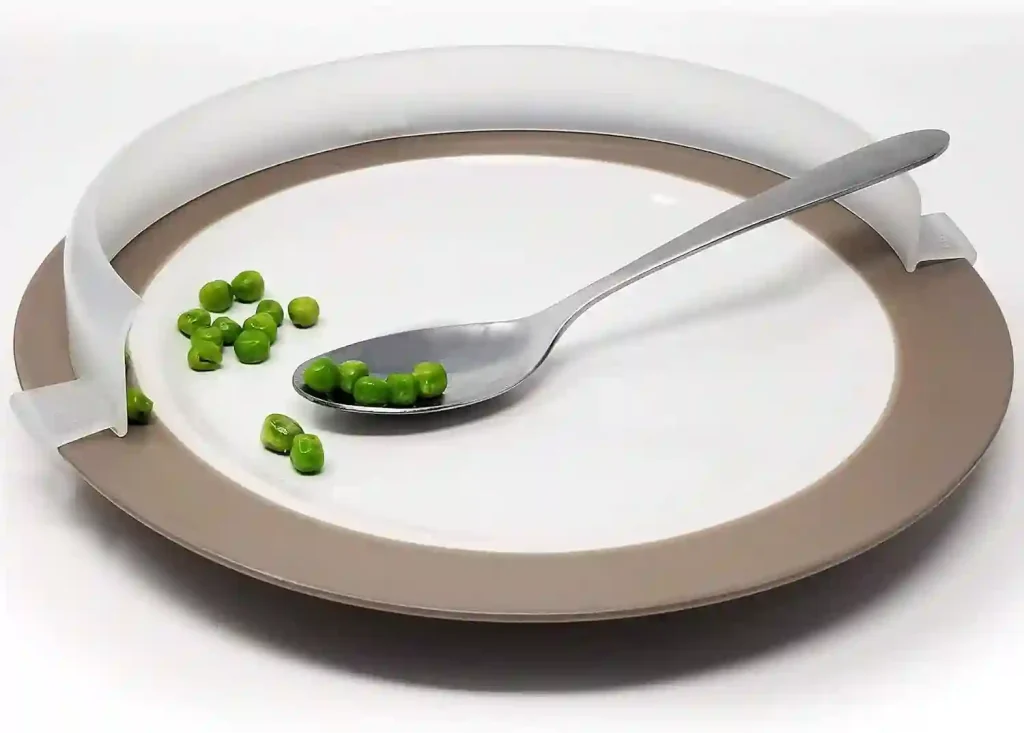
Plate Guard vs Adaptive Plate At A Glance
Here is a quick look at how these two mealtime aids compare.
Review these facts to see which tool fits your needs.
| Feature | Plate Guard | Adaptive Plate |
| Setup | Snaps onto a plate | Ready to use |
| Travel | Very easy to pack | Harder to pack |
| Cleaning | Hand wash is best | Dishwasher safe |
Plate Guard Review
Plate guards are curved plastic or soft rubber rings.
They attach firmly to the edge of standard round plates.
Ease of Use
Caregivers must snap the guard onto the plate rim.
This step takes a little bit of hand strength.
Once attached, it gives a firm wall for scooping food.
Seniors can push food against this wall with a fork.
Taking the guard off requires two hands.
Key Strengths
These are the best reasons to pick a plate guard.
They offer great value for active seniors.
- It is small and fits in a purse or bag.
- You can use the plates you already own.
- It costs less money than buying new plates.
- The guard keeps food from falling off the edge.
- It works well for eating at cafes or diners.
Potential Drawbacks
You should know these facts before you buy a guard.
Some users find them a bit hard to handle.
- Snapping the guard on can be hard for weak hands.
- It may not fit square or very thick dishes.
- Food can get stuck in the small bottom groove.
- It might pop off if you push too hard.
Adaptive Plate Review
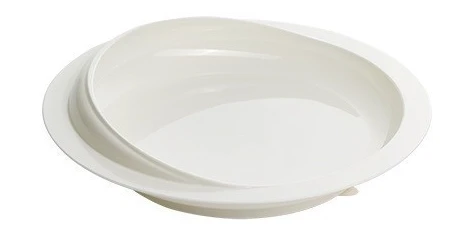
Adaptive plates have a built-in high edge or scoop wall.
They are complete dishes made just for easy scooping.
Ease of Use
There is no setup needed for an adaptive dish.
You just place the warm food on it and serve.
Many feature a suction base to stop sliding.
This keeps the plate perfectly still on the table.
Users can scoop food with just one hand.
Key Strengths
These plates bring great comfort to the dinner table.
They make daily life much easier for caregivers.
- It is an all-in-one tool with zero setup.
- The deep bowl shape holds wet foods very well.
- Suction bases stop the dish from moving around.
- They are often safe for the dishwasher and microwave.
- They come in bright colors to help with low vision.
Potential Drawbacks
These plates have a few small downsides to note.
Keep these points in mind for your kitchen.
- They take up more space in your kitchen cabinets.
- Some suction cups lose grip on rough wood tables.
- They look different from standard dinner dishes.
- They cost a bit more than a basic plastic guard.
Which Is Easier for Seniors to Use?
Ease of use is the main goal for any dining aid.
We want mealtime to be calm and happy.
An adaptive plate is widely easier for daily home use. It sits flat and stays put. Seniors do not need to build anything. They just eat. The heavy base adds deep safety.
A plate guard needs setup. Someone with strong hands must snap it on. Seniors with stiff hands may struggle with this task. However, the guard shines when you leave the house. It makes eating out much simpler.
“A simple scoop dish can turn a hard meal into a happy one.”
Performance Comparison
We must look at how well these tools do their main job.
Here is a breakdown of daily dining performance.
| Performance Area | Plate Guard | Adaptive Plate |
| Spill Control | Good | Excellent |
| Table Grip | Depends on plate | High (if suction base) |
| Deep Scooping | Good | Excellent |
Comfort, Accessibility, and Senior-Friendly Design
Comfort means eating without fear of making a mess.
Good design honors the dignity of the older adult.
Adaptive plates often come in bright red or blue colors. Bright colors help seniors with low vision see their food. The wide rim gives a safe place to rest a hand. The design feels sturdy and safe.
Plate guards use regular plates. This helps seniors feel normal at the table. They do not feel like they are using a special tool. Yet, clear plastic guards can be hard to see. A white guard on a white plate can confuse tired eyes.
Features Comparison
Every brand offers unique traits to help seniors.
Let us compare the extra details of each choice.
| Feature | Plate Guard | Adaptive Plate |
| Base Type | None | Suction or non-slip pad |
| Color Choice | Clear, white, red | Many bright colors |
| Food Types | Solid meals | Soups and solid meals |
Price, Maintenance, and Long-Term Value
A smart choice saves time and money over the years.
We must think about daily washing and total costs.
| Cost Factor | Plate Guard | Adaptive Plate |
| Buy Price | Very low | Low to medium |
| Cleaning Time | Hand wash mostly | Fast dishwasher clean |
| Lifespan | A few years | Many years |
Who Should Choose a Plate Guard?
Some people will love the simple style of a guard.
It fits a very specific type of active lifestyle.
- Choose a guard if you eat out at diners often.
- Choose a guard if you want to use your fine china.
- Choose a guard if you have a tight daily budget.
- Choose a guard if your caregiver has strong hands.
- Choose a guard if you only need help with dry foods.
Who Should Choose an Adaptive Plate?
Most homes will find this dish to be the best overall pick.
It solves many common mealtime problems at once.
- Choose this plate if you want zero daily setup.
- Choose this plate if you eat with just one hand.
- Choose this plate if you want a dish that stays put.
- Choose this plate if you need bright colors to see food.
- Choose this plate if you eat a lot of soups or stews.
Final Verdict
Both tools help seniors eat with pride and joy.
Here is our final guide to making your choice.
Best for most seniors: Adaptive Plate
Best for travel needs: Plate Guard
Best for tight budgets: Plate Guard
Best for zero setup: Adaptive Plate
“The best plate is the one that brings joy back to the dinner table.”
Scoring Summary
We graded each product on facts that truly matter.
These simple scores show how they stack up.
| Category | Plate Guard | Adaptive Plate |
| Ease of Use | 7/10 | 9/10 |
| Senior Design | 8/10 | 9/10 |
| Fast Cleaning | 6/10 | 9/10 |
| Travel Value | 10/10 | 4/10 |
| Total Value | 7/10 | 8/10 |
How We Evaluate Products
We look closely at traits that help older adults.
We focus on safety, cost, and daily comfort.
Our team checks how easy it is to attach parts. We look at washing rules. We check if the item is heavy or light. We want to know if weak hands can use it. We do not test in labs. We review clear facts, brand notes, and known traits to guide you.
Senior-Specific Buying Considerations
Keep these smart tips in mind before you buy anything.
Each point helps you avoid a bad purchase.
Physical Effort
Can the senior set up the dish alone? Guards take a hard push. Adaptive plates just sit flat on the table.
Visual Needs
Can the senior see the plate edge? Clear guards are hard to see. Bright red scoop dishes are very easy to see.
Daily Maintenance
Who will wash the dishes? Guards have small grooves that trap peas or rice. Adaptive plates go right in the dishwasher.
Table Surface
What is your dinner table made of? Suction cups stick great to smooth glass or hard plastic. They do not stick well to rough wood.
Common Buying Mistakes
Many folks make tiny errors when buying dining aids.
Avoid these common traps to save your money.
- Buying a guard that does not fit your thick home plates.
- Forgetting to check if the plastic is safe for the microwave.
- Picking clear guards for seniors with very poor eyesight.
- Buying a suction plate for a rough wood farm table.
- Picking a dish that is too small for a full hot meal.
Safety
Safety comes first when dealing with hot foods.
You must protect seniors from nasty burns or slips.
Always check if the plastic is free of BPA. Ensure the tool can hold hot food without melting. If a plate guard pops off, hot food could spill on a lap. An adaptive plate with a strong suction base lowers this spill risk. Always wash items well to stop bad germs.
Conclusion
Picking between a Plate Guard vs Adaptive Plate is a choice about daily ease. A plate guard is a cheap, smart tool for trips and cafe visits. It lets you use your own lovely dishes.
An adaptive plate is the clear winner for full home use. It stays stuck to the table and catches all loose food. It gives seniors the freedom to eat alone with pride. Think about where you eat the most, and pick the tool that makes life simple.
