
Resistance Bands vs Weights: Guide for Seniors


LED Magnifying Glass

Hearing Aid Cleaning Kit

Talking Clock
Choosing between resistance bands vs weights is a great step toward healthy aging. Both fitness tools help you build muscle, protect your bones, and improve your daily balance at home.
Yet, they feel very different when you actually use them. The right choice depends on your joint health, your grip strength, and the floor space you have in your home.
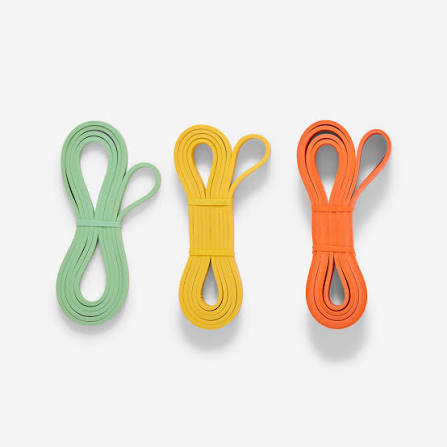
Quick Comparison
Resistance bands are often the best choice for older adults with joint pain. They are light, cheap, and very easy to store out of the way. Free weights are better for those who want clear, exact steps to track their strength gains over time. Both tools work very well, but bands have a much lower risk of drop injuries for seniors.
At-a-Glance Comparison
Here is a quick look at how these two tools compare for daily home use. This simple chart highlights the main differences.
| Feature | Resistance Bands | Free Weights |
| Joint Impact | Very low and smooth | Moderate to high |
| Storage Space | Fits in a small drawer | Needs a rack or corner |
| Drop Risk | None at all | High if dropped |
Resistance Bands: Gentle on the Joints
Elastic bands offer smooth tension from start to finish. They are light, safe, and easy to pack away in a bag.
Ease of Use
Bands are very simple to move and store. You just step on them or hook them to a sturdy door. They do not require a strong hand grip if you buy ones with soft handles. You can even do a full workout while seated safely in a chair.
Key Strengths
- They are very light and easy to hold.
- They are safe if you drop them on your foot.
- They provide smooth tension for sore joints.
- They take up almost zero floor space.
- They are very cheap to replace.
Potential Drawbacks
- They can snap if they get tiny tears in the rubber.
- It is hard to know exactly how much force you use.
- Some people find them awkward to set up on a door.
- They slowly lose their stretch over a long time.
Free Weights: Classic Strength Tools
Dumbbells and ankle weights are the classic way to get strong. They are simple, solid, and very easy to understand.
Ease of Use
You know exactly how much you lift with a solid weight. You just pick it up and move it. There are no stretchy cords to step on or doors to use. However, picking heavy gear off the floor can be hard on a stiff back.
Key Strengths
- They last a lifetime with zero extra care.
- You can easily track your exact strength progress.
- The grip feels solid and natural for many users.
- They do not snap or lose their tension over time.
- They are great for building thick, healthy bones.
Potential Drawbacks
- They can easily crush a toe if dropped.
- They need floor space or a heavy storage rack.
- The heavy start of a lift can stress sore joints.
- They cost much more to ship and buy at first.
Ease of Use for Seniors
Older adults often prefer tools that do not strain their hands. Let us look at how they work in daily home use.
Bands are much easier to carry from room to room. You can put them in a small bag and take them on a trip. If you drop a band, nothing bad happens to you or your floor. This makes them very friendly for daily use.
Weights ask for a bit more physical care. You have to bend down low to pick them up safely. If your hands get tired, dropping a heavy dumbbell is a real risk. However, many people find holding a solid handle easier than holding a bouncy, stretchy cord.
Performance Comparison
Both tools do a great job at keeping your muscles strong. The way they challenge your body is just very different.
When you lift a dumbbell, the hardest part is often at the very start. Gravity pulls the heavy metal straight down to the floor. This direct pull is great for building bone mass.
When you pull a band, it gets harder the further you stretch it. This smooth change is very kind to elbows, shoulders, and knees. It helps you get strong without causing sharp joint pain.
Comfort, Accessibility, and Senior-Friendly Design
Comfort is key to sticking with a fitness routine at home. Painful grips or awkward shapes will just ruin a good workout.
“Comfort is the secret to a fitness routine you will actually keep doing.”
Many bands now come with thick, soft foam handles. These feel great on stiff, sore hands. You can also strap them flat to your wrists if you have severe arthritis. Fabric bands are also nice for older skin because they do not pinch or roll up.
Weights made for home use often have a soft rubber coat. This helps you keep a safe grip even if your hands sweat. The rubber also protects your wood floors if you set them down hard. Hexagon shapes are best because they will not roll under your feet.
Features Comparison
The design of your gear changes how you work out. Here is a look at what each fitness tool offers you.
| Design Feature | Resistance Bands | Free Weights |
| Grip Options | Foam handles, wrist straps | Bare metal, rubber coated |
| Resistance Type | Gets harder as you stretch | Stays the exact same |
| Weight Tracking | Color-coded by difficulty | Exact numbers on the side |
Price, Maintenance, and Long-Term Value
Fitness gear is a long term choice for your health. You want to pick tools that offer good, lasting value.
Bands are very cheap to buy at first. You can get a full set for a very low price. But they do wear out. You must check them for small cuts before each use. You will have to buy a new set every few years to stay safe.
Weights cost much more money up front. Shipping heavy items to your door is pricey. However, they are a true one-time cost. A good cast iron or rubber weight will last your whole life. They need zero care or upkeep.
Who Should Choose Resistance Bands?
Bands are highly flexible and very safe for older adults. They suit many specific home needs.
- Choose bands if you have joint pain in your knees or elbows.
- Choose bands if you live in a small space or travel a lot.
- Choose bands if you worry about dropping heavy things on your feet.
- Choose bands if you want to work out while sitting in a chair.
- Choose bands if you are on a strict, tight budget.
Who Should Choose Free Weights?
Weights offer a solid, stable feel in your hands. They are ideal for certain specific health goals.
- Choose weights if you want to track exactly how much you lift.
- Choose weights if you have room for a sturdy floor rack.
- Choose weights if you hate the feeling of pulling a bouncy cord.
- Choose weights if your main goal is to build strong, thick bones.
- Choose weights if you want gear you never have to replace.
Final Verdict
Both of these tools can change your life for the better. The right pick depends entirely on your daily home needs.
- Best for most seniors: Resistance bands, due to safety and low cost.
- Best for joint pain: Resistance bands, thanks to their smooth stretch.
- Best for bone health: Free weights, due to the direct pull of gravity.
- Best long-term value: Free weights, because they never break or snap.
Scoring Summary
We rate these tools based on senior-specific daily needs. Here is how they stack up in our view.
| Category | Resistance Bands | Free Weights |
| Ease of Use | 9/10 | 8/10 |
| Joint Safety | 9/10 | 6/10 |
| Storage Space | 10/10 | 4/10 |
| Lifespan | 4/10 | 10/10 |
| Overall Value | 8/10 | 8/10 |
How We Evaluate Products
We look closely at what matters most for older adults at home. Safety and daily comfort guide our whole review process.
- We look at how easy the gear is to grip with stiff hands.
- We check if the items are easy to store in a small room.
- We look at the true risk of dropping the gear on the floor.
- We compare the long-term cost of keeping the items safe.
- We focus on tools that help with balance and gentle movement.
Senior-Specific Buying Considerations
Always check a few key details before you make a choice. This simple step ensures you get the right tool for your body.
- Physical Effort: Will the tool require you to bend down low to pick it up? Think about your back and knees.
- Controls and Setup: Do you have to tie knots or hook things to a door? Make sure you have a safe, solid door to use.
- Storage Needs: Do you have a safe corner to keep heavy metal objects out of walking paths?
- Grip Comfort: Are your hands strong enough to hold a hard metal bar? Think about soft foam grips if you have arthritis.
Common Buying Mistakes
It is very easy to buy the wrong fitness gear for your home. Try to avoid these frequent, common traps.
- Buying gear that is much too heavy to start with.
- Ignoring the need for a safe storage spot out of the way.
- Choosing bare metal grips that hurt tender, stiff hands.
- Forgetting to check rubber bands for small, hidden tears.
- Buying round weights that easily roll under your feet.
- Picking based only on price instead of daily home safety.
Safety First
Staying safe is the most vital part of any home fitness plan. Always protect your body before you try to get strong.
If you use bands, you must wear closed shoes. If a band slips off a bare foot, it will snap back hard. Always check the rubber for tiny cuts before each use. A torn band will break and can cause a bad sting. If you use a door anchor, make sure you put it on the hinge side of a locked door.
If you use weights, clear your floor first. A dumbbell left on the rug is a bad trip hazard. Never lift a weight over your face without a friend to spot you. If you feel sharp joint pain, stop at once.
Always talk to a health care expert before you start a new routine. A good doctor can help you pick the safest path for your heart and joints.
Conclusion
Starting a strength routine is a great choice for your long term health. The right tool makes the daily habit much easier to keep.
Resistance bands are perfect if you want a safe, cheap, and gentle way to move. Free weights are great if you want classic, lifetime gear that tracks your exact progress. Think about your joints, your hands, and your home space. Your best choice is simply the one you will enjoy using safely every single week.
