
Manual Cuff vs Digital Monitor for Seniors

Robot Vacuum Cleaner

Electric Food Chopper
Medication Reminder Alarm
Choosing the right manual cuff vs digital monitor is a big step for home heart health. Many older adults and caregivers want to know which option gives the best daily results.
While doctors often use classic tools, checking health at home is a different task. The right choice depends heavily on a person’s vision, hearing, and hand strength.
Quick Comparison
For most older adults checking their own health, a digital monitor wins easily. It does not require a stethoscope, and the machine handles the pumping. A manual cuff is much harder to use alone and is usually best left to trained caregivers or nurses.
At-a-Glance Comparison
Here is a quick look at how these two health tools compare for daily home use.
| Feature | Manual Cuff | Digital Monitor |
| Solo Use | Very hard for seniors | Very easy for seniors |
| Power Source | No power needed | Batteries or wall plug |
| Required Skills | Good hearing and vision | Can push one button |
Evaluating Traditional Manual Cuffs
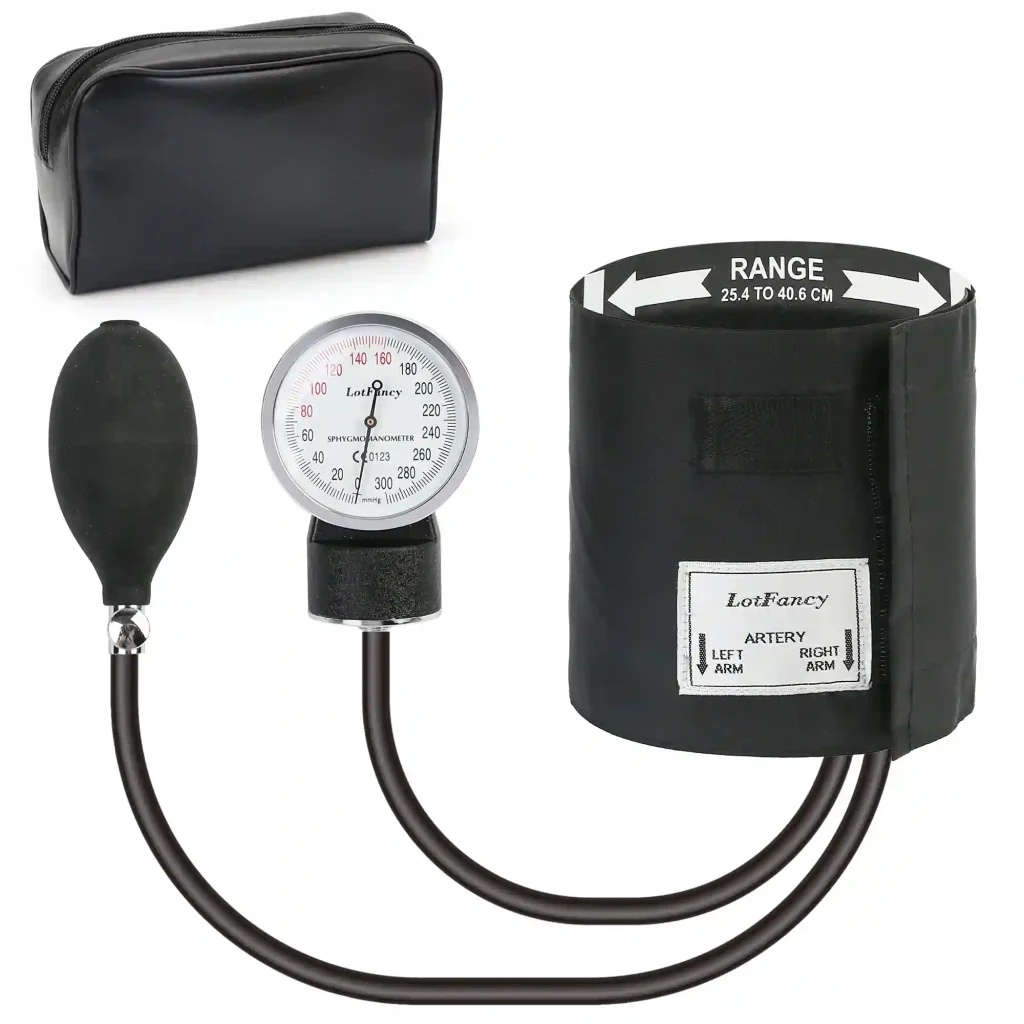
A manual cuff comes with an arm wrap, a squeeze bulb, a dial, and a stethoscope. It is the classic tool you see in most clinics.
For a senior aging in place, this tool offers a very hands-on approach. It gives exact results when used by a trained person.
Ease of Use
Using this tool alone takes real effort. You must wrap the cuff tightly with one hand. Then, you have to place the stethoscope over the artery. You must pump the bulb until the cuff is tight. Finally, you have to turn a tiny valve to let air out slowly. You must watch a dial and listen for heartbeat sounds at the exact same time. This is very hard for someone with stiff finger joints.
Key Strengths
- Needs no batteries or charging cords.
- Highly accurate when used by a trained nurse or doctor.
- Very durable and lasts for many years.
- Costs less to buy up front.
Potential Drawbacks
- Nearly impossible for older adults to use on themselves.
- Requires excellent hearing to catch the heartbeat sounds.
- Requires good eyesight to read the small bouncing needle on the dial.
- Requires strong hands to pump the bulb and turn the release valve.
Evaluating Automatic Digital Monitors
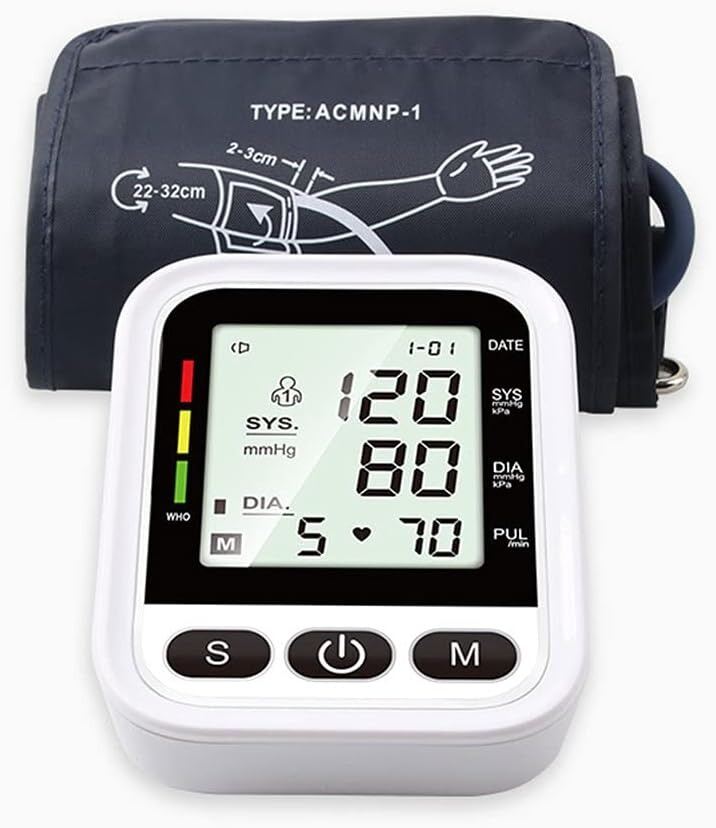
A digital monitor comes with an arm wrap attached to a screen by a small hose. The machine does all the physical work for you.
For older adults, this is usually the go-to choice. It takes the guesswork out of daily health checks.
Ease of Use
Digital options are built for easy solo use. You slip the cuff on your arm and press a large start button. The machine fills the cuff with air on its own. It slowly lets the air out, measures your pulse, and shows the numbers on a big screen. There are no valves to twist and no bulbs to squeeze.
Key Strengths
- One-touch operation makes daily checks fast and easy.
- Large digital screens are very easy to read.
- Saves past readings so you can show them to your doctor.
- Some models speak the results out loud for those with poor vision.
Potential Drawbacks
- Requires fresh batteries or a nearby wall plug.
- Movement or talking can easily cause an error code.
- Can cost more than basic manual choices.
Which Is Easier for Seniors to Use?
A digital monitor is far easier for older adults to use. Checking your own health should not feel like a hard workout.
Using a manual option requires you to pump a rubber bulb over and over. This asks a lot of someone who might have weak hands. You also have to slowly turn a tiny metal valve to release the air. This requires very fine motor skills. If your hands shake, the air comes out too fast, and the test fails.
A digital choice removes all these hurdles. You only need the strength to wrap the cuff and press a single button.
“The most useful health tool is the one a person can operate safely and correctly every single day.”
Performance Comparison
When we talk about performance, accuracy is the main goal. Both tools can give highly accurate numbers, but they work in different ways.
A manual tool relies on your ears. You listen for the exact moment the blood starts flowing again. If your hearing is not sharp, you might write down the wrong number.
A digital machine uses sensors to feel the pulse against the arm. As long as the machine is validated by medical groups, it is very precise. However, digital machines are sensitive to body movement. If you talk or shift in your chair, the machine might ask you to try again.
Comfort, Accessibility, and Senior-Friendly Design
Older adults often deal with changing vision, hearing, and joint strength. The design of the tool matters a lot.
Digital machines win in daily comfort. Many feature a D-ring cuff. This shape is pre-formed, making it simple to slide onto the arm like a sleeve. You do not have to struggle to wrap it tightly with one free hand.
Visibility is another big factor. A manual dial features tiny black numbers packed closely together. A digital screen shows massive, glowing numbers. Some digital models even use a voice feature to read the numbers aloud. This helps seniors who have lost their sight.
Features Comparison
Let us explore the distinct features each style brings to daily health tracking.
| Feature | Manual Cuff | Digital Monitor |
| Data Storage | None (use pen and paper) | Saves weeks of past readings |
| Heart Alerts | None | Warns of uneven heartbeats |
| Display Style | Small gauge with needle | Large digital LCD screen |
Price, Maintenance, and Long-Term Value
Cost and upkeep are vital details for anyone on a fixed income.
Manual tools are very simple. They cost less to buy. They do not need batteries. However, the dial can lose its balance over time. It might need to be reset by a pro to stay exact.
Digital tools cost a bit more up front. They also bring small hidden costs, like buying AA batteries. Yet, their long-term value is massive. They save time and prevent errors. Being able to show a doctor a stored list of accurate numbers provides huge peace of mind.
Who Should Choose a Manual Cuff?
- Choose this if a doctor specifically requests manual tracking.
- Choose this if a trained caregiver performs all daily tests.
- Choose this if the user has a specific heart rhythm issue that confuses digital machines.
- Choose this if you want a tool that never needs batteries.
Who Should Choose a Digital Monitor?
- Choose this if the senior takes their own readings alone.
- Choose this if the user has stiff joints or weak hand strength.
- Choose this if vision loss makes small dials hard to read.
- Choose this if you want the machine to save past readings automatically.
- Choose this if you want an easy, one-button daily routine.
Manual Cuff vs Digital Monitor — Final Verdict
The choice comes down to who is doing the work.
Best for most seniors: Digital Monitor. It is easy, clear, and handles the physical work.
Best for caregivers: Manual Cuff. A trained nurse can get great results with this classic tool.
Best value: Digital Monitor. The ease of use and memory features are well worth the extra cost.
Best for ease of use: Digital Monitor. You only need to push one button.
Scoring Summary
Here is how both options score across practical daily needs for older adults.
| Category | Manual Cuff | Digital Monitor |
| Ease of Use | 3/10 | 9/10 |
| Senior-Friendly Design | 3/10 | 9/10 |
| Performance | 8/10 | 9/10 |
| Low Maintenance | 8/10 | 7/10 |
| Value | 7/10 | 9/10 |
How We Evaluate Products
We compare health tools by looking at daily senior life. We focus on factors like joint strength, vision, and ease of use. A good tool must be simple to set up and easy to read. We also look at how much effort it takes to use the item day after day.
Senior-Specific Buying Considerations
Before you buy, keep these exact needs in mind.
- Physical Effort: Can you pump a stiff rubber bulb? If not, skip the manual option.
- Controls: Are the buttons large and simple to see?
- Arm Size: You must measure the upper arm. Using a wrap that is too tight or too loose will give false numbers.
- Data Sharing: Do you need to share numbers with a doctor? A digital tool saves them for you.
Common Buying Mistakes
Avoid these traps when shopping for a home health tool.
- Buying a wrist wrap instead of an arm wrap without asking a doctor first.
- Choosing a complex smart tool that pairs with a phone, when the senior just wants a simple screen.
- Buying a manual tool for someone who lives alone.
- Forgetting to check if the cuff fits the senior’s arm properly.
- Choosing based only on price instead of checking for easy use.
Safety Considerations
Getting the wrong number is a safety risk. False numbers can lead to taking too much or too little medicine.
Always sit still for five minutes before a test. Keep your feet flat on the floor. Do not talk while the machine runs. A digital machine might flash an error code if you move. A manual tool will simply give a bad reading if you release the air too fast. Always talk to a doctor about the right way to check your health at home. Do not use these tools to change your own medicine plans without expert advice.
Conclusion
When looking at a manual cuff vs digital monitor, the right path is usually very clear.
For older adults checking their own health at home, the digital path wins. It takes away the hard work of pumping and reading tiny dials. It gives clear, easy results with just one push of a button. Manual tools still have a place, but they belong in the hands of trained nurses or caregivers. For a safe, simple daily routine, let the digital machine do the heavy lifting.
