
Dental Implants vs Bridges for Seniors: A Guide


Motion Sensor Night Lights

Arthritis Gloves

Adult Coloring Book
Dental Implants vs Bridges can be a difficult choice when replacing a missing tooth. Both can restore a gap and help with chewing, but they work in very different ways.
For seniors, the choice may depend on oral health, jawbone condition, treatment time, maintenance, comfort, and budget. A dental professional can help determine which option fits the individual situation.
Quick Comparison
Dental implants are often the stronger long-term option when a person has suitable jawbone and can go through a surgical treatment process. An implant replaces the missing tooth root and can support a crown without altering neighboring teeth.
A traditional bridge may be more practical when a faster, less surgical approach is preferred. However, the supporting natural teeth usually need to be reshaped to hold the bridge.
The better choice is not simply the one that lasts longer. It is the option that fits the person’s oral health, treatment needs, comfort, and preferences.
Dental Implants vs Bridges At a Glance
The main difference is how each option is supported. An implant is anchored in the jawbone, while a traditional bridge is supported by neighboring teeth.
| Feature | Dental Implants | Dental Bridges |
|---|---|---|
| Support | Jawbone | Neighboring teeth |
| Surgery | Usually required | Usually not |
| Neighboring teeth | Usually preserved | May need reshaping |
| Treatment time | Often several months | Usually faster |
| Jawbone support | Requires suitable bone | Does not require implant placement |
| Cleaning | Brush and clean around implant | Requires cleaning under bridge |
| Long-term use | Designed for long-term use | May eventually need replacement |
Dental Implant Review for Seniors
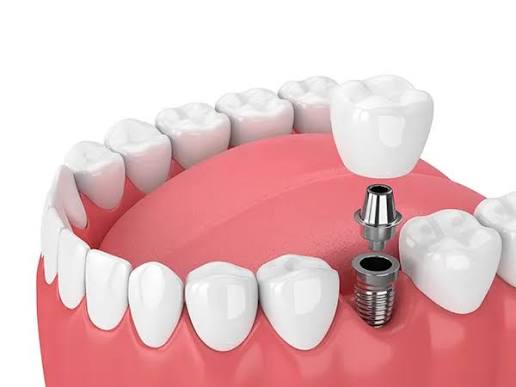
Dental implants are small posts placed into the jawbone to replace the root of a missing tooth. A crown is then attached to the implant through an abutment.
For suitable patients, this approach can provide a stable replacement that functions much like a natural tooth once healed.
Ease of Use
Once the implant and crown are fully restored, everyday care is similar to caring for natural teeth. Regular brushing, cleaning around the implant, and dental visits remain important.
The bigger issue is the treatment process. Implant treatment can involve surgery and a healing period of several months. Cleveland Clinic notes that implant integration commonly takes three to nine months, depending on the situation.
Key Strengths
- Does not normally require neighboring teeth to be reshaped.
- Provides a stable foundation for a replacement tooth.
- Can help preserve jawbone after tooth loss.
- Can be used to support crowns, bridges, or dentures.
- May provide very long service with proper care.
Potential Drawbacks
- Requires surgical treatment.
- Treatment can take several months.
- Adequate jawbone is important.
- Bone grafting may sometimes be needed.
- Healing and follow-up appointments are part of the process.
Dental Bridge Review for Seniors
A traditional dental bridge fills the space left by a missing tooth. It normally uses crowns placed over the natural teeth beside the gap, with an artificial tooth between them.
For some seniors, a bridge can be appealing because it avoids implant surgery and can usually be completed more quickly.
Ease of Use
The bridge itself is fixed in place, so there is no need to remove it like a conventional removable denture.
However, cleaning requires attention. Food and plaque can collect beneath the artificial tooth, so special flossing methods or small interdental brushes may be needed.
Key Strengths
- Does not require implant surgery.
- Can replace one missing tooth or several teeth in a row.
- Treatment is generally quicker than implant-supported replacement.
- Provides a fixed tooth replacement.
- May be a practical option when implants are unsuitable or not preferred.
Potential Drawbacks
- Traditional bridges require reshaping supporting teeth.
- Cleaning underneath the bridge requires extra care.
- The supporting teeth need to remain healthy.
- Bridges do not last forever and may eventually need replacement.
Which Is Easier for Seniors to Use?
The answer depends on whether you mean daily use or the treatment process.
For daily use, both can provide a fixed tooth replacement. An implant-supported crown can feel and function much like a natural tooth after healing. A bridge is also fixed, but cleaning underneath it requires additional attention.
For the treatment process, a bridge may be easier for someone who wants to avoid surgery or a long healing period.
An implant may be more appealing for someone who wants to avoid changing healthy neighboring teeth and is comfortable with a longer treatment process.
Performance Comparison
Both options can restore chewing function, but their foundations are different.
An implant replaces the missing root and provides a foundation for a crown. This can give the replacement tooth a stable base once the implant has integrated with the jawbone.
A traditional bridge relies on neighboring teeth for support. This makes the condition of those teeth an important part of the decision. Cleveland Clinic notes that traditional bridges are generally used when healthy natural teeth are present on both sides of the gap.
| Performance Area | Dental Implants | Dental Bridges |
|---|---|---|
| Stability | High after healing | Fixed in place |
| Chewing | Designed to restore function | Restores chewing function |
| Root replacement | Yes | No |
| Neighboring teeth | Usually not altered | Used for support |
| Bone preservation | Can help preserve bone | Does not replace the tooth root |
Comfort, Accessibility, and Senior-Friendly Design
Comfort depends heavily on the person’s dental condition and treatment.
An implant involves surgery and healing, so it requires more patience during treatment. Mayo Clinic notes that implant treatment may involve several procedures and that bone healing can take months.
A bridge avoids implant surgery and may therefore suit someone who wants a simpler treatment process.
For seniors with limited dexterity, cleaning is also worth considering. Neither option should be treated as completely maintenance-free. A dentist or hygienist can demonstrate the easiest way to clean around the restoration.
Features Comparison
The most useful differences are not electronic features or accessories. They are related to treatment, support, and maintenance.
| Feature | Dental Implants | Dental Bridges |
|---|---|---|
| Surgical procedure | Yes | Usually no |
| Bone integration | Yes | No |
| Neighboring teeth | Usually preserved | Supporting teeth reshaped |
| Fixed restoration | Yes | Yes |
| Cleaning | Brush and clean around implant | Brush and clean under bridge |
| Treatment period | Longer | Usually shorter |
Price, Maintenance, and Long-Term Value
Dental implant treatment is generally a more involved process, while a traditional bridge is usually less complex to place. Exact costs vary widely based on the number of teeth, materials, location, additional procedures, and dental practice.
For that reason, it is better to compare the total treatment plan rather than choosing based on an advertised starting price.
Maintenance also matters. Bridges commonly need daily cleaning beneath the artificial tooth. Cleveland Clinic recommends brushing and flossing daily and using floss threaders or interdental brushes to clean beneath a bridge.
Implants also require regular oral hygiene and dental visits. The implant itself can last a very long time, although the crown or other restoration may eventually need replacement.
Who Should Choose Dental Implants?
Consider discussing implants with a dental professional if:
- You want to avoid reshaping neighboring healthy teeth.
- You want a tooth-root replacement.
- You have suitable jawbone or can safely undergo required bone treatment.
- You are comfortable with a longer treatment timeline.
- Long-term stability is a major priority.
- You can commit to regular oral care and dental follow-ups.
Who Should Choose Dental Bridges?
A bridge may be worth discussing if:
- You want to avoid implant surgery.
- You prefer a shorter treatment process.
- The neighboring teeth are suitable for supporting a bridge.
- You want a fixed replacement rather than a removable option.
- An implant is not appropriate for your oral health or personal circumstances.
Dental Implants vs Bridges — Final Verdict
Best for long-term tooth replacement: Dental implants may have the advantage when the patient is a suitable candidate.
Best for avoiding surgery: Dental bridges.
Best for preserving neighboring teeth: Dental implants.
Best for a shorter treatment process: Dental bridges.
There is no universal winner. An implant may be the better choice for a senior who has suitable bone and wants to preserve neighboring teeth. A bridge may make more sense for someone who wants to avoid surgery or complete treatment sooner.
Scoring Summary
These scores are a practical comparison, not clinical ratings. Individual suitability can change the result.
| Category | Dental Implants | Dental Bridges |
|---|---|---|
| Ease of Daily Use | 9/10 | 8/10 |
| Senior-Friendly Treatment | 7/10 | 9/10 |
| Long-Term Potential | 10/10 | 7/10 |
| Maintenance | 8/10 | 7/10 |
| Treatment Simplicity | 6/10 | 9/10 |
| Overall Value | 8/10 | 8/10 |
The scores reflect the trade-offs discussed above rather than laboratory testing or personal experience.
How We Evaluate Dental Replacements
This comparison focuses on factors that can matter to older adults and caregivers.
We consider:
- Ease of daily care
- Treatment complexity
- Comfort
- Oral-health considerations
- Stability
- Maintenance
- Long-term practicality
- Impact on neighboring teeth
- Treatment time
- Overall value
These are general comparison factors, not a substitute for an individual dental examination.
Senior-Specific Buying Considerations
Before choosing between an implant and a bridge, consider the following.
Physical Effort
Ask how much care will be needed during and after treatment. A person who finds detailed cleaning difficult may need advice on suitable cleaning tools.
Treatment Time
An implant may require several months because the jawbone needs time to heal around the implant.
Oral Health
The health of the gums, remaining teeth, and jawbone can influence which option is appropriate.
Maintenance
Ask the dentist to demonstrate exactly how the restoration should be cleaned.
Overall Health
Some medical conditions and medications can affect dental treatment. This is something to discuss with the dentist before choosing an implant or other restoration.
Safety
Dental implant surgery has potential risks, including infection, damage to surrounding structures, nerve problems, and sinus issues in some upper-jaw cases.
Common Buying Mistakes
- Choosing only because one option appears cheaper.
- Ignoring the condition of neighboring teeth.
- Forgetting the longer treatment timeline for implants.
- Assuming a bridge requires no special cleaning.
- Focusing only on the initial procedure cost.
- Choosing a treatment without discussing bone and gum health.
Frequently Asked Questions
Are dental implants better than bridges for seniors?
Not automatically. Implants can offer important long-term advantages, but a bridge may be more suitable for someone who wants to avoid surgery or needs a simpler treatment process.
Which lasts longer, implants or bridges?
Dental implants can have a longer service life than traditional bridges when properly maintained. Cleveland Clinic states that bridges commonly last about five to 15 years, while implants can often last a lifetime, although the restoration attached to an implant may eventually need replacement.
Is a dental bridge easier than an implant?
The treatment process is generally simpler and faster for a traditional bridge because it does not require implant surgery and months of bone integration.
Do dental implants damage nearby teeth?
Unlike a traditional tooth-supported bridge, an implant normally does not require neighboring teeth to be reshaped.
Can seniors get dental implants?
Age alone does not determine whether an implant is appropriate. Jawbone condition, oral health, general health, and the ability to complete the treatment process are important considerations.
Do bridges need special cleaning?
Yes. Food and plaque can collect underneath a bridge, so daily cleaning beneath the restoration is important. Floss threaders or interdental brushes may help.
Conclusion
Dental Implants vs Bridges is ultimately a choice between two different approaches to replacing missing teeth. Implants replace the missing root and can provide a long-term foundation without reshaping neighboring teeth. Bridges can provide a fixed replacement without implant surgery and usually involve a simpler treatment process.
For seniors, the best choice should be based on oral health, jawbone condition, treatment preferences, maintenance needs, and long-term goals. A dentist can assess these factors and explain which option is appropriate for the individual situation.
