
Temporal vs Oral Thermometer: Which Suits Seniors?


Kitchen Timer with Large Display

Motion Sensor Night Lights

Gardening Kneeler Bench
Temporal vs Oral Thermometer comparisons can help older adults and caregivers choose a simple way to check body temperature. Both types are widely used, but they measure temperature in different ways.
A temporal thermometer scans the forehead, while an oral thermometer measures temperature inside the mouth. The right choice depends on comfort, ease of use, measurement conditions, and how reliably the user can follow the instructions.
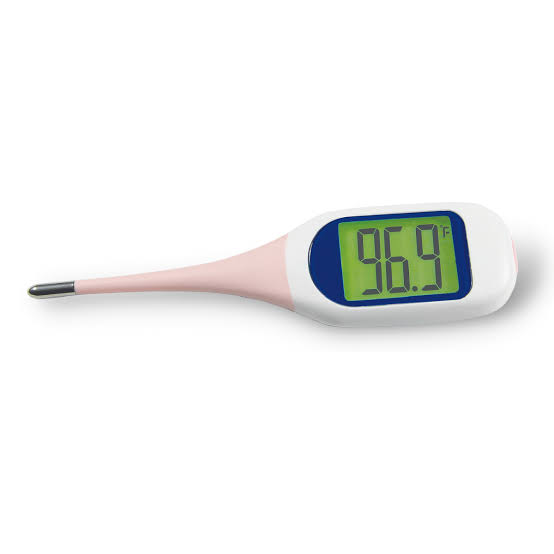
Quick Comparison
A temporal thermometer is often easier for everyday use, especially for people who dislike placing a device in their mouth. It can also help caregivers check someone’s temperature with little physical effort.
An oral digital thermometer may be a better choice when a person can hold it correctly under the tongue and needs a familiar method of checking temperature. Neither method is perfect, and forehead readings can be affected by sweat, room conditions, and scanning technique.
Temporal vs Oral Thermometer At a Glance
These thermometers serve the same basic purpose, but their comfort and measurement methods differ.
| Feature | Temporal Thermometer | Oral Thermometer |
|---|---|---|
| Measurement site | Forehead | Under the tongue |
| Ease of use | Usually simple | Requires correct placement |
| Physical effort | Minimal | Requires holding the device in place |
| Contact | Depends on the model | Contacts the mouth |
| Cleaning | Follow device instructions | Clean the probe after use |
| Reading conditions | Affected by forehead and room conditions | Affected by recent eating, drinking, and smoking |
| Comfort | No need to place it in the mouth | May feel uncomfortable for some users |
| Best use | Convenient routine checks | Familiar checks when oral use is suitable |
Temporal Thermometer Review for Seniors
A temporal thermometer uses an infrared sensor to estimate body temperature from the forehead area. Some models require the sensor to touch the skin, while others measure from a short distance.
Its main advantage is convenience. The user does not need to keep a thermometer under the tongue, which may make routine checks easier.
Ease of Use
Most temporal thermometers have a simple measuring process. Depending on the model, the user may need to sweep the sensor across the forehead or aim it at a specific spot.
This can be helpful for older adults with limited hand strength or people who find oral measurements uncomfortable.
However, correct positioning still matters. A user must follow the device instructions and keep the forehead clear and dry. Sweat, head coverings, direct sunlight, and nearby heat sources may affect some readings.
Key Strengths
- Does not require placing a device in the mouth.
- Can provide a reading quickly.
- May be easier for caregivers to use during routine checks.
- Some models allow temperature checks without touching the skin.
- May suit people who struggle to keep a thermometer under the tongue.
Potential Drawbacks
- Incorrect scanning can affect the result.
- Sweat and environmental conditions may influence readings.
- Different models have different measuring methods.
- A forehead reading may not match an oral reading.
- The device may cost more than a basic digital oral thermometer.
Oral Thermometer Review for Seniors
An oral thermometer measures temperature inside the mouth, usually with a digital probe placed under the tongue. It is a familiar option for many households.
It can be practical for older adults who can comfortably use it and follow the measuring steps.
Ease of Use
To take an oral reading, place the clean probe under the tongue as directed by the manufacturer. Keep the lips closed and hold the thermometer in position until it signals that the measurement is complete.
The process is straightforward, but it requires the user to keep the device in place. This may be difficult for someone with limited coordination, discomfort in the mouth, or difficulty following the steps.
Recent hot or cold drinks, food, and smoking can affect oral readings. Follow the thermometer instructions and wait the recommended time before measuring.
Key Strengths
- Familiar and widely used measurement method.
- Basic digital models are often affordable.
- Does not depend on scanning the forehead.
- Can be easy to operate for someone comfortable with oral measurements.
- Provides a useful way to monitor temperature when used correctly.
Potential Drawbacks
- Requires correct placement under the tongue.
- May be unsuitable for people who cannot keep their mouths closed or hold the probe in place.
- Recent food or drink can affect the result.
- The probe needs proper cleaning after use.
- Sharing a thermometer requires careful hygiene.
Which Is Easier for Seniors to Use?
Ease of use depends on the person’s needs, not simply their age.
A temporal thermometer may be easier for someone with reduced hand strength, limited coordination, or discomfort when using an oral device. A caregiver may also find forehead scanning convenient during routine temperature checks.
An oral thermometer may be just as easy for someone who has good coordination and prefers a familiar digital device. It can also be a practical choice for people who want a simple thermometer without extra features.
| User Need | More Suitable Option |
|---|---|
| Avoiding mouth contact | Temporal |
| Simple routine checks | Temporal |
| Comfortable with oral measurement | Oral |
| Limited ability to hold a probe in place | Temporal |
| Lower purchase cost | Basic oral model, often |
| Checking a reading that seems unreliable | Follow clinical guidance and consider another appropriate method |
The best choice is the one the user can operate correctly and comfortably.
Performance Comparison
Both types can be useful, but their readings are not always interchangeable.
A temporal thermometer estimates temperature from the forehead. Its performance may be affected by sweat, room temperature, recent exposure to outdoor conditions, and incorrect positioning.
An oral thermometer measures temperature inside the mouth. Its reading can be affected by recent food or drinks, smoking, and incorrect placement.
Neither method guarantees an accurate result every time. Follow the manufacturer’s instructions, use the same method when tracking changes where practical, and take an unexpected reading seriously if the person appears unwell.
Important: Do not automatically add or subtract a fixed number of degrees to convert a forehead reading into an oral reading. Differences depend on the device and measurement conditions.
Comfort, Accessibility, and Senior-Friendly Design
Comfort can make a real difference when someone needs to check their temperature often.
Temporal thermometers avoid oral contact and may be easier for people with mouth discomfort. Their large displays and simple buttons, when available, can also help users who prefer straightforward controls.
Oral thermometers may be suitable for people who want a compact device with few settings. A model with a clear display, an easy-to-press button, and a readable measurement can be useful.
Before buying, check the display size, button design, grip, battery type, cleaning instructions, and ease of storing the device. These details matter more than a long list of extra features.
Features Comparison
The most useful features are those that make measurements clear and repeatable.
| Feature | Temporal Thermometer | Oral Thermometer |
|---|---|---|
| Measurement process | Scan or aim at the forehead | Place probe under the tongue |
| Contact with the user | Model-dependent | Yes |
| Display | Varies by model | Varies by model |
| Memory function | Available on some models | Available on some models |
| Sound alerts | Available on some models | Available on some models |
| Cleaning needs | Follow model-specific instructions | Clean the probe after use |
Do not assume every model has a memory function, backlit screen, fever alert, or silent mode. Check the exact product specifications before buying.
Price, Maintenance, and Long-Term Value
Basic oral thermometers are often less expensive than temporal models. However, prices vary by brand, features, retailer, and location.
An oral thermometer needs a clean probe and suitable storage. A temporal thermometer also needs regular care, including keeping its sensor clean and following the manufacturer’s cleaning instructions.
For either type, consider battery replacement, warranty coverage, durability, and the availability of replacement parts. A higher price is worthwhile only if the extra features solve a real problem for the user.
Who Should Choose a Temporal Thermometer?
Choose a temporal thermometer if:
- You want a quick, convenient way to check temperature.
- You dislike placing a device in your mouth.
- You have difficulty holding an oral probe in place.
- A caregiver needs a simple option for routine checks.
- You prefer a device with minimal physical contact.
Who Should Choose an Oral Thermometer?
Choose an oral thermometer if:
- You are comfortable measuring temperature under the tongue.
- You prefer a familiar digital thermometer.
- You want an affordable option with basic functions.
- You can follow the measurement instructions consistently.
- You do not mind cleaning the probe after each use.
Temporal vs Oral Thermometer — Final Verdict
The best thermometer depends on comfort, correct use, and the reason for measuring temperature.
- Best for convenience: Temporal thermometer.
- Best for avoiding oral contact: Temporal thermometer.
- Best for a familiar, basic option: Oral thermometer.
- Best value: Often a basic oral thermometer, depending on local prices and features.
- Best for every senior: No universal winner.
For routine checks, a temporal thermometer may be the more convenient option. An oral thermometer can be a sensible choice when the user is comfortable with oral measurement and can follow the instructions.
Scoring Summary
A single numerical score would be misleading without comparing specific thermometer models. These general ratings are qualitative, based on typical use rather than hands-on testing.
| Category | Temporal | Oral |
|---|---|---|
| Convenience | Strong | Good |
| Comfort without mouth contact | Strong | Limited |
| Ease of routine use | Strong | Good |
| Low-cost options | Varies | Often strong |
| Dependence on correct technique | Yes | Yes |
Actual performance depends on the device, the user, and the measurement conditions.
How We Evaluate Products
This comparison considers ease of use, comfort, measurement technique, cleaning, accessibility, and long-term value for older adults.
It focuses on general differences between thermometer types. It does not claim that specific models have been tested or that either method is always more accurate.
When comparing individual products, useful evidence includes manufacturer instructions, stated accuracy specifications, independent testing, and warranty details.
Senior-Specific Buying Considerations
Before choosing a thermometer, consider these practical points.
Physical Effort
A temporal thermometer may require less precise handling. An oral thermometer requires the user to place and hold the probe correctly.
Controls and Display
Look for clear numbers, simple buttons, and a display that is easy to read without straining.
Cleaning
Check how the sensor or probe should be cleaned. Follow the instructions to avoid damaging the device.
Setup and Storage
Choose a thermometer that is easy to switch on, store safely, and use without complicated settings.
Measurement Needs
If a healthcare professional recommends a particular measurement method, follow that advice rather than choosing based on convenience alone.
Common Buying Mistakes
Avoid these mistakes when choosing a thermometer:
- Buying on price alone: A cheap device may lack a readable display or useful features.
- Ignoring ease of use: Check whether the user can operate the device independently.
- Assuming all forehead models work alike: Contact and non-contact models can have different instructions.
- Comparing readings as if they were identical: Different measurement sites can produce different results.
- Skipping cleaning instructions: Poor hygiene can create avoidable problems.
- Ignoring the reason for measuring: A routine check and a concerning illness may require different guidance.
Safety When Measuring Temperature
Follow the manufacturer’s instructions for every reading. Clean the device as directed, and do not share an oral thermometer without proper cleaning.
If a reading seems inconsistent with how the person feels, repeat the measurement correctly. If the person appears seriously unwell, do not delay seeking medical help just to obtain another reading.
Older adults may have a significant illness without a high fever. If there are concerning symptoms, a new change in mental state, or a temperature that worries you, contact a healthcare professional for advice.
Frequently Asked Questions
Is a temporal thermometer better than an oral thermometer for seniors?
A temporal thermometer may be easier for people who find oral measurements uncomfortable. An oral thermometer can work well for people who can use it correctly. The better choice depends on the user’s needs.
Which thermometer is more accurate?
Neither type is always more accurate in every situation. Accuracy depends on the model, technique, and conditions. Follow the instructions and seek clinical guidance when readings are concerning.
Can a forehead thermometer miss a fever?
Yes. Forehead readings can sometimes differ from oral measurements and may fail to identify an elevated temperature. If symptoms suggest illness, do not rely on one reassuring reading alone.
Should I wait after drinking before using an oral thermometer?
Yes. Hot or cold drinks can affect oral readings. Follow the device instructions; a common recommendation is to wait about 15–30 minutes after eating or drinking.
Can caregivers use a temporal thermometer for someone with limited mobility?
Often, yes. It can require less cooperation than an oral thermometer, although the person must still be positioned appropriately and the device must be used as directed.
When should an older adult seek medical advice about a temperature?
Seek advice when the temperature is concerning, symptoms are worsening, or the person seems unusually weak, confused, or seriously unwell. Do not rely on a single thermometer reading to rule out illness.
Conclusion
Temporal and oral thermometers can both help older adults and caregivers monitor body temperature. Temporal models often offer greater convenience and avoid mouth contact, while oral models provide a familiar and often affordable option.
Choose the device that the user can operate correctly and comfortably. For health concerns, especially when symptoms do not match the reading, follow professional guidance rather than relying on convenience alone.
