
Forehead vs Ear Thermometer for Seniors


Adaptive Eating Utensils

Slow Cooker Crock Pot

Electric Jar Opener
Forehead vs Ear Thermometer is an important comparison for seniors who want a quick and simple way to check their body temperature at home. Both types can provide digital readings in seconds, but they work in different ways.
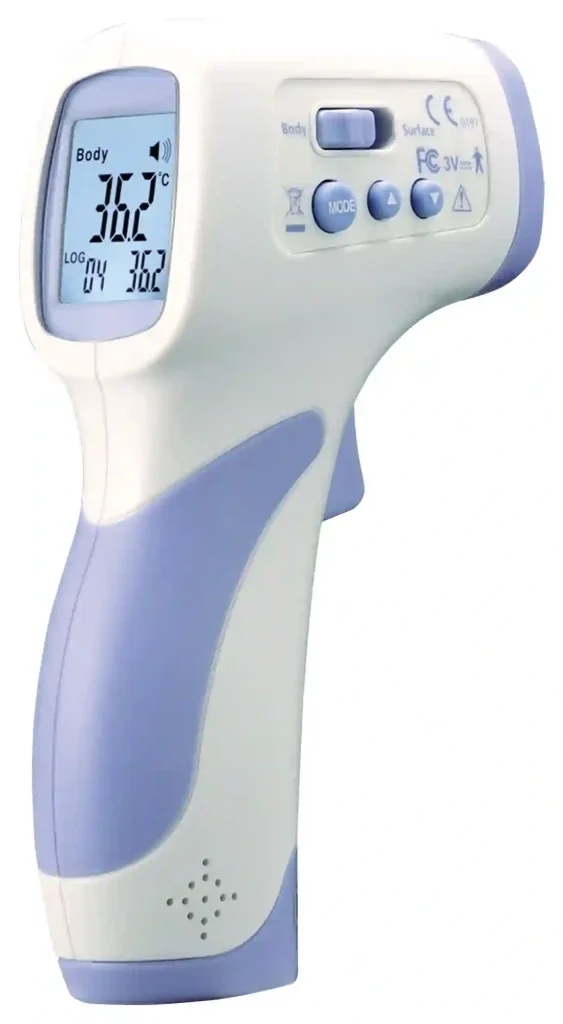
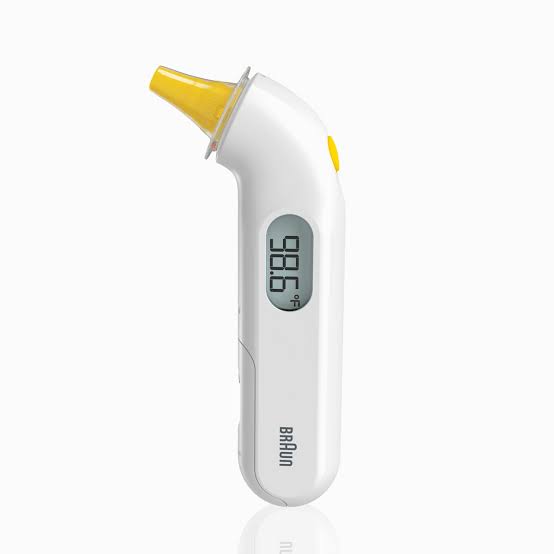
A forehead thermometer measures infrared heat from the forehead, while an ear thermometer measures heat inside the ear canal. The right choice depends on comfort, ease of use, measurement technique, and personal needs.
Quick Comparison
A forehead thermometer is often easier for everyday use because it does not need to enter the ear. A non-contact model can measure temperature without touching the skin. An ear thermometer may be a good choice for someone who prefers an ear reading and can position the device correctly.
Neither type is always more accurate. Proper use, the device design, and the person’s condition can affect the result.
Forehead vs Ear Thermometer at a Glance
Both options offer fast readings, but they have different benefits for older adults.
| Feature | Forehead Thermometer | Ear Thermometer |
|---|---|---|
| How it works | Measures infrared heat from the forehead | Measures infrared heat inside the ear |
| Ease of use | Usually simple | Requires careful positioning |
| Physical contact | May be contact or non-contact | Probe enters the outer ear canal |
| Comfort | Often very comfortable | May feel uncomfortable for some users |
| Reading speed | Usually a few seconds | Usually a few seconds |
| Main accuracy concern | Sweat, distance, and room conditions | Earwax and incorrect positioning |
| Cleaning | Clean the sensor as directed | Clean the probe and use covers if required |
| Best for | People who prefer simple, touch-free checks | People comfortable using an ear probe |
Forehead Thermometer Review for Seniors
A forehead thermometer can be a practical choice for seniors who want a simple way to check their temperature. Some models scan across the forehead, while others measure from a short distance away.
Ease of Use
Most digital forehead thermometers have a simple display and a measurement button. Some models use large screens or backlighting, which may help users who have trouble reading small numbers.
A non-contact model can be useful for caregivers who check temperatures often. It also avoids placing a probe inside the ear.
However, users must follow the correct distance and positioning instructions. Sweat, direct sunlight, and nearby heat sources may affect some readings.
Key Strengths
- No need to place a probe inside the ear.
- Non-contact models reduce direct contact between people.
- Quick readings make routine checks easier.
- Simple controls may suit users who prefer fewer steps.
- Some models have large displays and memory functions.
Potential Drawbacks
- Sweat can affect some forehead readings.
- Incorrect distance or positioning may cause errors.
- Outdoor temperatures and direct sunlight may affect measurements.
- Some models cost more than basic digital thermometers.
Ear Thermometer Review for Seniors
An ear thermometer measures infrared heat inside the ear canal. It can provide a quick reading without requiring the user to hold a thermometer in the mouth.
Ease of Use
An ear thermometer usually requires the user to place the probe gently in the ear and aim it according to the instructions. This step can be difficult for someone with limited hand control or trouble seeing the probe position.
The display is often easy to read, and the measurement itself takes little time. Still, correct placement is important. A poorly positioned probe can produce a misleading result.
Key Strengths
- Provides quick temperature readings.
- Does not require the user to hold a thermometer under the tongue.
- Can be convenient for repeated temperature checks.
- Some models store previous readings.
- May suit users who prefer ear-based measurements.
Potential Drawbacks
- Incorrect positioning can affect the reading.
- Earwax may interfere with measurement.
- The probe may feel uncomfortable to some users.
- Disposable probe covers may add ongoing costs.
- Cleaning and handling require care.
Which Is Easier for Seniors to Use?
Ease of use depends on the person’s needs and the thermometer’s design. A simple device with a clear display can be more useful than one with many extra features.
| User Need | Better Option to Consider |
|---|---|
| Avoiding contact with the body | Non-contact forehead thermometer |
| Avoiding an ear probe | Forehead thermometer |
| Preferring ear-based readings | Ear thermometer |
| Having trouble positioning a probe | Forehead thermometer |
| Checking temperature with caregiver help | Either type |
| Having difficulty reading small numbers | A model with a large display |
For many seniors, a non-contact forehead thermometer is the simpler option. An ear thermometer can work well when the user can position it correctly or has help from a caregiver.
Performance Comparison
Both types measure temperature quickly, but speed alone does not determine quality.
A forehead thermometer can give a misleading result if the forehead is sweaty or the device is held at the wrong distance. An ear thermometer can also give a misleading result if the probe is not aimed correctly or earwax interferes with the measurement.
For the best results:
- Follow the manufacturer’s instructions.
- Use the same measurement method when tracking temperature over time.
- Keep the sensor or probe clean.
- Repeat an unexpected reading according to the device instructions.
- Seek medical guidance if symptoms are concerning, even when a reading seems normal.
Comfort, Accessibility, and Senior-Friendly Design
Comfort can make a difference when someone needs to check their temperature several times a day.
A non-contact forehead thermometer may be more comfortable for a person who dislikes devices touching the skin. A contact forehead model still requires skin contact, so check the design before buying.
An ear thermometer may suit someone who is comfortable with the probe and can hold it steady. Users with limited dexterity may find the positioning step harder.
Look for these useful features:
- A large, easy-to-read screen.
- Simple buttons and clear instructions.
- A clear signal when measurement is complete.
- A comfortable shape that is easy to hold.
- Easy cleaning and readily available replacement covers, if needed.
Features Comparison
Extra features can help, but they should not make the thermometer harder to operate.
| Feature | Forehead Thermometer | Ear Thermometer |
|---|---|---|
| Non-contact measurement | Available on some models | No |
| Memory storage | Available on some models | Available on some models |
| Fever indicator | Available on some models | Available on some models |
| Probe covers | Usually not needed for non-contact models | May be required |
| Large display | Depends on the model | Depends on the model |
Check the exact model before buying. Not every thermometer includes memory, a fever alert, or a backlit screen.
Price, Maintenance, and Long-Term Value
The total cost depends on the brand, features, and replacement supplies. A basic model may be enough for routine home use.
A forehead thermometer may have fewer recurring costs if it does not require disposable covers. An ear thermometer may need replacement covers, depending on the model.
Before buying, check:
- The cost of batteries or charging supplies.
- Whether replacement covers are required.
- How the sensor or probe should be cleaned.
- The warranty and local service options.
- Whether the display and controls are easy to use.
The best value is a reliable thermometer that the user can operate correctly, not simply the cheapest model.
Who Should Choose a Forehead Thermometer?
Choose a forehead thermometer if:
- You want a simple way to check temperature.
- You prefer not to place a probe inside your ear.
- You want a non-contact option for caregiver-assisted checks.
- You value quick measurements and easy handling.
- You can follow the model’s positioning instructions.
Who Should Choose an Ear Thermometer?
Choose an ear thermometer if:
- You prefer measuring temperature through the ear.
- You can position the probe correctly.
- You are comfortable with a device inside the outer ear canal.
- You do not have an issue that interferes with ear measurements.
- You are happy to clean the device and manage any required probe covers.
Forehead vs Ear Thermometer — Final Verdict
The forehead thermometer is a practical starting point for many seniors because it can be simple and comfortable to use. An ear thermometer is also a useful option for people who prefer that method and can position the probe correctly.
| Category | Recommended Choice |
|---|---|
| Best for touch-free checks | Non-contact forehead thermometer |
| Best for avoiding an ear probe | Forehead thermometer |
| Best for people who prefer ear readings | Ear thermometer |
| Best value | Depends on price and ongoing costs |
| Best overall | Depends on comfort and correct use |
Neither option is automatically the most accurate in every situation. Choose a model that suits the user and follow its instructions carefully.
Scoring Summary
These are general usability assessments, not laboratory test results or ratings of specific products.
| Category | Forehead | Ear |
|---|---|---|
| Ease of use | 9/10 | 7/10 |
| Comfort | 9/10 | 7/10 |
| Ease of cleaning | 8/10 | 7/10 |
| Convenience | 9/10 | 8/10 |
| Value | Depends on model | Depends on model |
The scores are illustrative judgments based on typical designs. A particular model may perform differently.
How We Evaluate Products
This comparison considers factors that may matter to older adults and caregivers, including ease of use, comfort, measurement technique, cleaning, accessibility, and long-term cost.
It does not claim that either type was personally tested. Individual models should be assessed using their specifications and instructions.
Senior-Specific Buying Considerations
Before choosing a thermometer, consider the user’s daily needs.
Physical Comfort
Choose a design that feels comfortable to hold and use. A non-contact forehead model may help someone who dislikes direct contact.
Display and Controls
Look for clear numbers, simple buttons, and an easy-to-understand reading signal.
Cleaning and Maintenance
Check the manufacturer’s cleaning instructions. Make sure the user or caregiver can keep the device clean.
Measurement Technique
Consider whether the user can hold the device at the correct distance or position the ear probe correctly.
Medical Needs
If temperature readings will guide care for a medical condition, ask a healthcare professional which measurement method is appropriate.
Common Buying Mistakes
Avoid these mistakes when choosing between the two types.
- Choosing by price alone: Check ease of use, reliability, and replacement costs.
- Ignoring the display: Small numbers may be hard to read.
- Overlooking measurement technique: Incorrect use can lead to misleading readings.
- Assuming all models work alike: Features and instructions vary.
- Forgetting maintenance: Some ear thermometers need disposable covers.
- Ignoring symptoms: A normal reading does not always mean that a person is well.
Safety Tips
Use the thermometer according to its instructions, and never force an ear probe into the canal. Clean the device as directed and do not share it without proper cleaning.
If a temperature reading is unexpected, repeat it using the correct method. If the person seems seriously unwell, seek medical care rather than relying only on the thermometer reading.
Frequently Asked Questions
Is a forehead thermometer better than an ear thermometer for seniors?
A forehead thermometer may be easier for people who want a simple, comfortable measurement. An ear thermometer may suit those who can position the probe correctly. Neither is best for everyone.
Which thermometer is more accurate?
Accuracy depends on the model, measurement technique, and conditions. Sweat and incorrect distance can affect forehead readings, while earwax and poor probe placement can affect ear readings.
Can seniors use a forehead thermometer alone?
Many seniors can use one independently if the controls are simple and the instructions are clear. A caregiver may help when positioning or reading the display is difficult.
Do ear thermometers need cleaning?
Yes. Follow the manufacturer’s instructions for cleaning the probe and using or replacing protective covers.
Which thermometer is best for someone with limited hand movement?
A non-contact forehead thermometer may be easier because it avoids placing a probe in the ear. However, the device must still be positioned correctly, and some users may benefit from caregiver assistance.
Should I trust a normal reading if I feel unwell?
Not always. Symptoms matter as well as the number on the display. If you feel seriously unwell or your symptoms worsen, seek medical advice.
Conclusion
The main difference in the Forehead vs Ear Thermometer comparison is how each device measures temperature. A forehead thermometer may offer a more comfortable and straightforward experience, especially in its non-contact form. An ear thermometer can also be convenient when used correctly.
For seniors, choose the option that is easiest to operate, comfortable to use, and suitable for the user’s needs. Follow the manufacturer’s instructions, and seek medical guidance when symptoms or unexpected readings raise concern.
