
Thermometer vs Smart Thermometer: Which Is Better?


Indoor Security Camera

Talking Clock

Emergency SOS Phone
A Thermometer vs Smart Thermometer comparison can help older adults and caregivers choose a simple way to check body temperature. Both options can measure temperature, but they may differ in how they show, store, and share readings.
A traditional digital thermometer is often enough for basic home use. A smart thermometer may be more useful for people who want to track readings over time or share them with family members. The right choice depends on your needs, comfort, and budget.
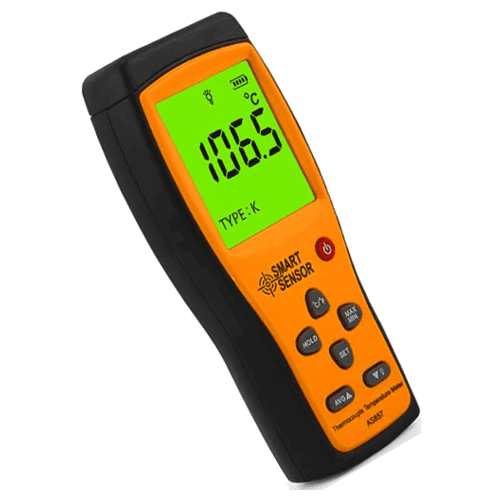
Quick Comparison
A traditional digital thermometer is usually the better choice for seniors who want a simple, low-cost device. It can show a reading on its own screen without an app or internet connection.
A smart thermometer may suit seniors who need temperature records or want to share readings with a caregiver. However, extra features can mean more setup and maintenance. Smart features do not automatically make a thermometer more accurate.
Thermometer vs Smart Thermometer at a Glance
Both types can help you check body temperature at home. The main difference is how they manage readings and connect with other devices.
| Feature | Traditional Thermometer | Smart Thermometer |
|---|---|---|
| Main purpose | Measures body temperature | Measures and may track temperature |
| Display | Usually a built-in screen | Screen, app, or both |
| Setup | Usually simple | May need app pairing |
| Reading history | Often limited or manual | May save readings automatically |
| Caregiver sharing | Usually manual | May support digital sharing |
| Internet access | Not usually needed | Depends on the model |
| Ease of use | Often very simple | Varies by design |
| Cost | Often lower | Often higher |
| Maintenance | Basic cleaning and battery care | May also need app or connection upkeep |
Smart features vary by model. Check the product details before assuming that a device can store readings, send alerts, or share data.
Traditional Thermometer Review
A traditional digital thermometer is a practical choice for checking temperature at home. Most models use a sensor and show the result on a small screen.
For seniors who prefer familiar devices, this simple design can be a major benefit.
Ease of Use
Many digital thermometers have a power button and a clear display. You turn the device on, follow the instructions, and wait for the reading.
Some models beep when the measurement is complete. This can help users know when to check the screen.
However, not every thermometer has large numbers or easy-to-press buttons. Seniors with poor eyesight or limited finger movement should check these features before buying.
Key Strengths
- Usually affordable and easy to find.
- Often works without a smartphone.
- Requires little setup.
- Can be simple to clean and store.
- Does not depend on Wi-Fi or an app for basic operation.
Potential Drawbacks
- Some models do not save past readings.
- Recording temperature changes may require a notebook.
- Sharing results with a caregiver may take extra steps.
- Small screens can be hard to read.
- The measurement method may require careful positioning.
Smart Thermometer Review
A smart thermometer adds digital features to temperature measurement. Depending on the model, it may connect to a phone, store past readings, or let a caregiver view temperature records.
These features can be useful when several readings need to be tracked over time.
Ease of Use
A smart thermometer may be easy to use after setup. Some devices send readings to an app with little extra effort.
However, the initial setup may require Bluetooth, Wi-Fi, an account, or a compatible phone. Not all smart thermometers need every one of these features.
A senior who does not enjoy using apps may find a basic digital thermometer easier to manage.
Key Strengths
- Some models save temperature readings automatically.
- Reading history can help users track changes.
- Certain models support caregiver sharing.
- Some connected devices offer alerts or ongoing monitoring.
- Digital records can reduce the need for handwritten notes.
Potential Drawbacks
- Often costs more than a basic thermometer.
- Some features depend on a phone or app.
- Software and connection issues may affect convenience.
- Battery charging or replacement may add upkeep.
- Data sharing may raise privacy concerns.
Not every smart thermometer offers continuous monitoring. Check whether the model measures temperature only when requested or tracks it at regular intervals.
Which Is Easier for Seniors to Use?
The traditional thermometer often wins for simplicity. A smart thermometer may win for tracking and sharing readings.
The better choice depends on which tasks the user finds easy.
| Senior Need | Better Fit | Why |
|---|---|---|
| Simple temperature checks | Traditional | Fewer setup steps |
| No smartphone use | Traditional | Usually works on its own |
| Saved reading history | Smart | Some models store records |
| Caregiver access | Smart | May support digital sharing |
| Large, clear display | Either | Depends on the model |
| Less technical upkeep | Traditional | Usually fewer connected features |
A large screen and simple controls may matter more than advanced technology. Seniors should not have to struggle with a device just to read their temperature.
Performance Comparison
Both types can measure body temperature, but their performance depends on the specific device.
A basic thermometer may provide a clear reading without any extra steps. A smart thermometer may add useful records, but those records do not guarantee better measurements.
Consider these factors before buying:
- Measurement method: Oral, underarm, ear, and forehead thermometers work differently. Follow the device instructions.
- Reading speed: Measurement time varies by model and method.
- Display quality: Look for numbers that are easy to see.
- Consistency: Follow the same method when tracking changes.
- Monitoring: Confirm whether the device offers occasional readings or continuous tracking.
A smart thermometer should not be chosen on connectivity alone. The quality of its measurements and its suitability for the intended use matter most.
Comfort, Accessibility, and Senior-Friendly Design
Comfort depends on the thermometer’s shape and how it measures temperature. A traditional digital thermometer may be a good fit for someone who wants a small, familiar device.
A smart model may be more convenient for someone who prefers digital records or needs help keeping track of readings.
Look for:
- A large, easy-to-read display.
- Clear buttons and simple instructions.
- A comfortable grip.
- A clear signal when the reading is complete.
- An easy-to-clean design.
- A storage case that keeps the device protected.
Forehead models may reduce the need for contact, while some digital models require oral or underarm placement. Choose a method the user can perform correctly and comfortably.
Features Comparison
The most useful features depend on how often the thermometer will be used and who needs to see the results.
| Feature | Traditional | Smart |
|---|---|---|
| Built-in display | Common | Model dependent |
| Automatic record keeping | Less common | Available on some models |
| Phone connection | Usually absent | Available on some models |
| Caregiver sharing | Usually manual | May be supported |
| Continuous monitoring | Model dependent | Available on certain models |
| App-based trends | Usually absent | Available on some models |
Do not assume that every smart thermometer can send alerts or monitor temperature continuously. Check the exact model and its compatible devices.
Price, Maintenance, and Long-Term Value
Traditional thermometers are generally the budget-friendly choice. They may need occasional battery replacement and routine cleaning.
Smart thermometers can cost more because they offer extra features. Some may also require charging, app updates, or ongoing connection support.
| Cost Factor | Traditional | Smart |
|---|---|---|
| Purchase price | Usually lower | Often higher |
| Battery upkeep | May be needed | Depends on model |
| App upkeep | Not usually needed | May be needed |
| Accessories | Model dependent | Model dependent |
| Long-term value | Strong for basic use | Strong when tracking features are useful |
The cheapest option is not always the best value. A smart model may be worth the extra cost if its record-keeping features solve a real problem. Otherwise, a basic digital thermometer may do the job just as well for everyday checks.
Who Should Choose a Traditional Thermometer?
Choose a traditional thermometer if:
- You want a simple device for home use.
- You do not use a smartphone regularly.
- You prefer not to manage apps or accounts.
- You need occasional temperature readings.
- You want to keep the purchase cost low.
For many households, a basic digital thermometer is enough.
Who Should Choose a Smart Thermometer?
Choose a smart thermometer if:
- You want to keep a digital history of readings.
- You regularly share temperature records with a caregiver.
- You are comfortable using a phone app.
- You need connected features offered by a specific model.
- You want to reduce the work involved in recording repeated measurements.
Caregivers may find saved readings useful when helping someone track temperature changes. Still, the thermometer must be easy for the person using it.
Thermometer vs Smart Thermometer — Final Verdict
There is no single winner for every senior. Each option serves a different need.
- Best for most basic home use: Traditional digital thermometer.
- Best for reading history: Smart thermometer with data storage.
- Best for caregiver sharing: A compatible smart model with sharing features.
- Best for a limited budget: Traditional thermometer.
- Best for connected monitoring: A smart model designed for that purpose.
The traditional option is the practical starting point for simple temperature checks. Choose a smart thermometer when its extra features offer a clear benefit.
Scoring Summary
The following scores are editorial judgments about typical usability, not laboratory test results. Actual performance depends on the model.
| Category | Traditional | Smart |
|---|---|---|
| Ease of use | 9/10 | 7/10 |
| Senior-friendly design | 8/10 | 8/10 |
| Basic measurement | 8/10 | 8/10 |
| Record keeping | 4/10 | 9/10 |
| Value for basic use | 9/10 | 7/10 |
These scores assume a simple digital thermometer and a smart model with useful tracking features. They should not be treated as accuracy ratings.
How We Evaluate Products
We compare thermometers based on the features that affect everyday use, including:
- Ease of operation.
- Display readability.
- Measurement method.
- Record keeping and connectivity.
- Cleaning and upkeep.
- Cost and long-term value.
This comparison does not claim hands-on testing. Individual product specifications should be checked before purchase.
Senior-Specific Buying Considerations
A few practical checks can make the choice easier.
Physical Effort
Choose a device that is easy to hold and position. If bending or reaching is difficult, consider whether the measurement method is comfortable.
Controls and Display
Look for clear instructions, large numbers, and simple buttons. A smart app should be easy to navigate if it is part of daily use.
Maintenance
Check how to clean the thermometer and whether it needs probe covers, charging, or regular battery changes.
Setup
A traditional thermometer usually needs less setup. For a smart model, confirm phone compatibility and whether an internet connection is required.
Data Privacy
If a smart thermometer stores personal health information, review its privacy settings and sharing options. Share readings only with people who need them.
Common Buying Mistakes
Avoid these common errors when choosing a thermometer.
- Choosing only by price: A low-cost model may have a screen that is hard to read.
- Assuming smart means more accurate: Connectivity does not prove measurement quality.
- Ignoring the measurement method: Pick one that suits the user’s needs and abilities.
- Overlooking app compatibility: Some smart features may not work with every phone.
- Forgetting upkeep: Check battery needs, cleaning steps, and replacement accessories.
- Buying unnecessary features: Do not pay extra for functions you will not use.
Safety Considerations
Use the thermometer according to its instructions. Different measurement methods can produce different readings, so avoid comparing results without considering how they were taken.
For forehead infrared models, correct distance, positioning, and room conditions can affect the result. Keep the sensor clean and follow the manufacturer’s guidance.
A thermometer reading alone cannot determine the cause of a fever. If a reading is concerning, symptoms are severe, or you are unsure what to do, contact a healthcare professional.
Frequently Asked Questions
Is a smart thermometer more accurate than a regular thermometer?
Not necessarily. Accuracy depends on the specific device, its design, and how it is used. Smart features mainly add functions such as data storage and sharing.
Do smart thermometers need Wi-Fi?
Some use Bluetooth, some use Wi-Fi, and others may work with a phone in different ways. Check the model’s requirements before buying.
Can a smart thermometer share readings with family?
Some models support caregiver sharing through an app or connected account. Others do not. Confirm that the feature is available and that the intended users can access it.
Is a traditional digital thermometer good for seniors?
Yes. A simple model can be a practical choice when the user wants occasional readings without app setup. Look for clear numbers and easy controls.
Can a smart thermometer monitor temperature continuously?
Some models can, but many only record readings when the user takes a measurement. Check the product specifications carefully.
Which thermometer is best for someone with limited eyesight?
Look for a large, high-contrast display, clear controls, and an easy-to-hear completion signal. Either type may work well if its design meets those needs.
Conclusion
The main difference in a Thermometer vs Smart Thermometer comparison is convenience beyond the basic reading. A traditional digital thermometer is often simpler and less costly, while a smart thermometer may help with tracking and caregiver sharing.
For most seniors who only need occasional readings, a clear, easy-to-use digital thermometer is a sensible choice. If keeping records or sharing readings is important, a smart model may offer better value. Focus on ease of use, suitable measurement methods, and features that genuinely help the user.
