
Air Purifier vs Dehumidifier: Which Is Best?


Indoor Security Camera
Audiobook Player

Bathroom Grab Bar Set
Is an air purifier vs dehumidifier better for your home? Many people confuse these two machines. Both can make a room feel much better. Yet, they do very different jobs.
Breathing clean air is vital as we age. A good machine can help you rest better and breathe easier. Let us look at what each device actually does. This guide will help you pick the right one for your daily needs.
Quick Comparison
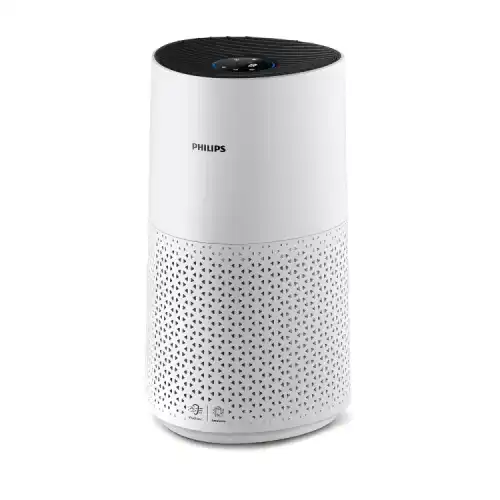
An air purifier cleans the air. It catches dust, smoke, and pet hair. It is best if you want to breathe cleaner air. It helps keep your lungs clear of tiny dirt bits.
A dehumidifier removes water from the air. It stops mold from growing. It is best if your home feels damp or smells musty. It protects your walls and keeps rooms dry.
The biggest difference is the physical work. Purifiers need fresh filters every few months. Dehumidifiers need their heavy water tanks emptied often.

At-A-Glance Comparison
Here is a quick look at how these two machines compare. This table highlights the main differences for daily use.
| Feature | Air Purifier | Dehumidifier |
| Primary Job | Cleans dirty air | Dries wet air |
| Main Target | Dust, pollen, smoke | Dampness, mold, mildew |
| Maintenance | Change filters | Empty water tank |
Air Purifier Review
An air purifier works like a giant lung for your home. It pulls in dirty air, traps bad particles, and blows out fresh air.
Ease of Use
Most purifiers are very light. You just plug them in and turn them on. You do not need to lift heavy things. You only need to change a simple filter twice a year.
Key Strengths
- Very quiet at low fan speeds.
- Very light and easy to move around.
- Helps clear away indoor dust and pollen.
- Needs almost zero daily physical effort.
Potential Drawbacks
- Good replacement filters cost extra money.
- Does not dry out wet or damp rooms.
- Will not stop mold from growing on damp walls.
Dehumidifier Review
A dehumidifier works like a cold glass of water on a hot day. It pulls water drops right out of the room air. This keeps rooms dry and safe.
Ease of Use
These machines do a great job, but they need more work. As they pull water from the air, a tank fills up. You must pull this tank out and dump it. The water gets quite heavy.
Key Strengths
- Stops harmful mold from growing in the home.
- Makes damp rooms feel warmer and cozier.
- Protects wood floors and walls from water damage.
- Filters can be washed instead of replaced.
Potential Drawbacks
- Water buckets get very heavy to carry.
- The fans and motors can be quite loud.
- Uses more electric power to run.
Which Is Easier for Seniors to Use?
This is the most important factor for daily life. Air purifiers are much easier to handle. You just tap a button to turn them on. Every few months, you slide in a new paper filter. The machines are usually light enough to carry from the bedroom to the living room. They do not add chores to your day.
Dehumidifiers demand more physical strength. The water bucket fills up fast. A full bucket can weigh ten to fifteen pounds. Lifting and pouring this water can be hard on your back and wrists. If bending over is tough, a dehumidifier might be a hassle.
“A home device is only helpful if you can actually use it without pain or strain.”
You can make a dehumidifier easier to use. Some models offer a drain hose hookup. A hose lets the water drain down a floor drain. This saves you from lifting heavy buckets. However, you must have a drain nearby to use this feature.
Performance Comparison
These devices fix totally different problems. An air purifier traps solid things. It has a fan that pulls air inside. The air hits a thick paper filter. This filter traps dust mites and tiny pollen bits. The clean air blows back into the room. If you have pet dander or wildfire smoke, an air purifier wins.
A dehumidifier tackles moisture. It will not catch fine dust or pollen. Instead, it uses cold metal coils. Damp air blows over the cold coils. The water turns into liquid drops. The drops fall into the bucket. Dry air blows back out. This stops mold spores from taking root. If your basement smells wet, you need to remove the water. A dehumidifier handles this perfectly.
Comfort, Accessibility, and Senior-Friendly Design
Comfort matters a lot for older adults. Air purifiers run very quietly. You can easily sleep with one running in your bedroom. The buttons are usually large and simple to tap. Most models have lights you can dim at night. They sit quietly in the corner and do their job.
Dehumidifiers can be loud. The machine has a built-in compressor. It sounds a bit like a small fridge running. Also, the water tanks sit at the bottom of the machine. This means you have to bend down to grab the handle. It takes good balance to pull the bucket out without spilling. They often have wheels, which helps. Still, they require more physical bending and lifting than purifiers.
Features Comparison
Here is how the daily features match up between the two choices. Both offer smart settings to make life simpler.
| Feature | Air Purifier | Dehumidifier |
| Noise Level | Very quiet | Often loud |
| Weight | Very light | Quite heavy |
| Sensors | Detects bad air | Detects dampness |
Price, Maintenance, and Long-Term Value
The upfront cost for both machines can be similar. Yet, the long-term costs differ a lot. Air purifiers use very little electric power. A small fan runs all day. However, you must buy new filters. Good filters cost money every six to twelve months. Over time, you pay for the fresh filters.
Dehumidifiers use much more electricity. They run a heavy motor to chill the air. This can raise your power bill during wet months. But, they do not need pricey filters. You just wash the basic mesh dirt filter in the sink. You pay for power, not parts. A well-built dehumidifier offers great value if it stops costly water damage in your home.
Who Should Choose an Air Purifier?
- Choose it if you want relief from indoor dust or pollen.
- Choose it if you live near busy roads or wildfire smoke.
- Choose it if you want a very quiet machine for better sleep.
- Choose it if you cannot lift heavy water buckets safely.
- Choose it if you want a machine you can ignore for months.
Who Should Choose a Dehumidifier?
- Choose it if your home feels sticky or damp.
- Choose it if you see dark mold spots on walls.
- Choose it if your home windows get wet on the inside.
- Choose it if you can easily carry a heavy water bucket.
- Choose it if you have a floor drain for a constant hose setup.
Final Verdict
Best for most seniors: Air Purifier. It is much easier to maintain and does not ask for heavy lifting. You set it up once and enjoy cleaner air.
Best for damp spaces: Dehumidifier. Nothing else will stop mold from growing in a wet room. It is the only tool that actually removes water.
Best for ease of use: Air Purifier. Sliding in a new filter twice a year beats dumping heavy water every single day.
Both are great tools. Just make sure you match the machine to your actual home air problem.
Scoring Summary
This table shows how each machine scores for practical senior use. Higher scores mean less physical effort.
| Category | Air Purifier | Dehumidifier |
| Ease of Use | 9/10 | 5/10 |
| Senior-Friendly Design | 9/10 | 6/10 |
| Performance | 8/10 | 8/10 |
| Maintenance | 8/10 | 4/10 |
| Overall Value | 8/10 | 7/10 |
How We Evaluate Products
We look at how real people use these machines in their own homes. We focus on physical effort, clear buttons, and daily safety. We care about how heavy a water tank gets. We care about how hard it is to change a tight filter. Our goal is to find tools that add comfort without adding painful chores. Practical daily use always wins over fancy features.
Senior-Specific Buying Considerations
Physical Effort
Can you lift ten pounds safely? If not, avoid manual dehumidifiers unless you can use a drain hose.
Controls
Look for big, bright buttons. Avoid tiny digital screens that are hard to read without glasses.
Storage
Dehumidifiers are bulky. They take up more floor space. Check your room size before buying one.
Setup
Check if you have a floor drain nearby. A drain hose makes a dehumidifier much easier to use every day.
Safety
Are there long cords? Plan where the machine will sit so the cord does not cross a walking path.
Common Buying Mistakes
- Buying an air purifier to fix a mold problem.
- Getting a huge dehumidifier that is far too heavy to empty.
- Forgetting to check the price of replacement air filters.
- Placing the machine in a tight corner where air cannot flow.
- Ignoring the true weight of the machine before bringing it home.
Safety
Water and electric cords do not mix. With a dehumidifier, be very careful not to spill water on the cord. Spills can also create a bad slip hazard on smooth wood or tile floors. Always wipe up splashed water right away. If you have poor balance, ask a family member to empty the tank.
Both machines use power cords. Keep all cords tucked away against the wall. A loose cord is a major tripping risk for older adults. Keep the machines out of main walking paths to prevent dangerous falls. Place them safely against a wall.
Conclusion
Choosing between these two machines comes down to your air problem and your physical strength. If you want to clean out dust and smoke with zero daily effort, get an air purifier. It is light, quiet, and very easy to manage. It runs safely in the background while you rest.
If you must fix a damp, wet room, you need a dehumidifier. Just be sure to plan for the heavy water tank. Set up a drain hose if you can. A safe, comfortable home starts with good air. Pick the one that fits your exact needs and enjoy breathing easier.
