
Medical Alert vs GPS Tracker for Seniors Guide


Mattress Topper Memory Foam

Lightweight Vacuum Cleaner

Portable Radio with Large Buttons
Medical Alert vs GPS Tracker can look like the same choice, but these devices solve different problems. A medical alert system focuses on getting help during an emergency. A GPS tracker focuses on knowing where a person is.
For seniors, the right choice depends on the main risk. A person who lives alone may care most about fast access to help. A senior who may wander or get lost may need reliable location tracking. Some products can offer both, but the core purpose still matters.

Quick Comparison
A medical alert system is usually the better fit when emergency help is the main goal. It may offer an emergency button, two-way communication, and optional monitoring.
A GPS tracker is more useful when location awareness is the priority. It can help a caregiver check where a senior is and may offer features such as geofencing or SOS alerts.
The key question is not which device has more features. It is which type of help matters most when something goes wrong.
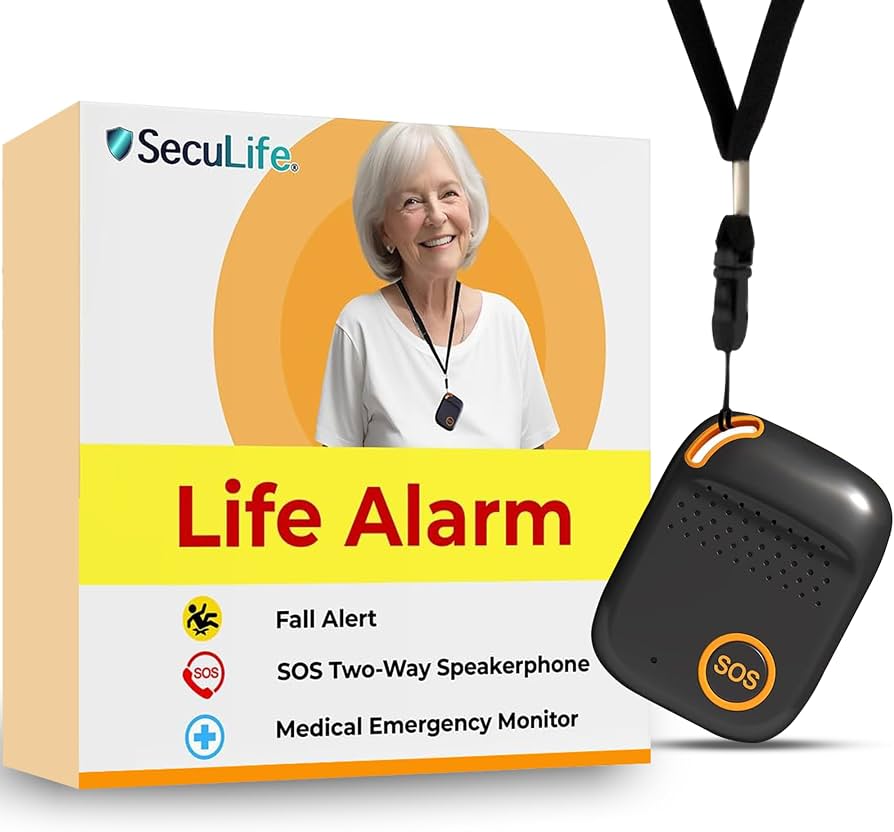
Medical Alert vs GPS Tracker At a Glance
These categories overlap in some areas, but they are not direct substitutes.
| Feature | Medical Alert | GPS Tracker |
|---|---|---|
| Main purpose | Emergency assistance | Location tracking |
| Emergency button | Common | Often available |
| Professional monitoring | Often available | Less common |
| GPS location | Some models | Core feature |
| Caregiver location view | Sometimes | Common |
| Geofencing | Some models | Common |
| Fall detection | Available on some models | Less common |
| Best for | Emergency response | Location awareness |
Medical Alert Systems Review for Seniors
Medical alert systems are designed around one simple need: getting help when the user cannot easily reach a phone.
They may use a wearable pendant, wrist device, or mobile unit. Some systems connect the user with a monitoring center. Others may contact family members or emergency services, depending on the product and plan.
Ease of Use
The main benefit is a simple action.
A large help button can be easier to use than unlocking a phone and opening an app. This can matter during a stressful event.
Some systems also provide two-way voice communication. That can reduce the need to find a separate phone.
Setup varies. Some systems are very simple. Others need a base unit, cellular connection, charging, or a subscription.
Key Strengths
- Built around emergency help
- Simple button-based operation
- Monitoring may be available
- Two-way communication may be included
- Fall detection is available on some models
- Can be useful for people who live alone
Potential Drawbacks
- Monthly monitoring fees may apply
- Some models need regular charging
- Features vary by plan
- A wearable can be forgotten or left behind
- Not every model includes GPS
GPS Trackers Review for Seniors and Caregivers
GPS trackers have a different goal. They help caregivers know where a person is or where the device is located.
This can be useful for seniors who enjoy going out alone, travel often, or may become disoriented in unfamiliar places.
Many GPS products rely on a mobile network and a companion app. The exact tracking features depend on the device.
Ease of Use
A GPS tracker can work well once it is set up. The senior may only need to wear or carry it.
The harder part is often the caregiver side. Someone may need to install an app, manage an account, check alerts, and maintain the device.
GPS devices can also need more frequent charging when location tracking is used often.
Key Strengths
- Strong focus on location
- Useful for caregiver tracking
- Geofencing may be available
- Helpful during outdoor trips
- Some models include SOS buttons
- Can provide more location detail
Potential Drawbacks
- Usually depends on a cellular connection
- Battery life can require attention
- Setup may involve an app
- Location accuracy can vary
- Some models do not provide professional emergency monitoring
Which Is Easier for Seniors to Use?
This depends on what the senior needs to do.
A medical alert device may be easier for someone who wants one clear emergency action. Pressing a button can be simpler than using a smartphone.
A GPS tracker may require less interaction from the senior during normal use. Once it is set up, the caregiver may handle most of the tracking.
For seniors with limited dexterity, large buttons and simple controls may matter more than advanced features.
| Usability Factor | Medical Alert | GPS Tracker |
|---|---|---|
| Simple emergency action | Strong | Moderate |
| Caregiver app | Sometimes | Common |
| Setup complexity | Low to moderate | Moderate |
| Daily user interaction | Often low | Often low |
| Tracking management | Limited on some models | Strong |
Performance Comparison
Performance should be judged by purpose, not by the number of features.
A medical alert system is stronger at emergency communication. A GPS tracker is stronger at location awareness.
For example, knowing where a senior is may help a caregiver find them. But location tracking alone does not always mean a professional monitoring center will respond to an emergency.
On the other hand, a medical alert system may provide quick access to help without offering detailed location history.
Comfort, Accessibility, and Senior-Friendly Design
Wearability matters for both types of devices.
A device that stays at home is not very useful during an outdoor emergency. A tracker that feels uncomfortable may also be left behind.
Look for:
- A comfortable wearable design
- Buttons that are easy to see and press
- Clear charging indicators
- Simple alerts
- Secure clips or wristbands
- Low-maintenance operation
For some seniors, a watch-style device may feel more natural. For others, a pendant may be easier to use.
Features Comparison
The most useful feature depends on the problem you are trying to solve.
| Feature | Medical Alert | GPS Tracker |
|---|---|---|
| Emergency call | Core feature | May be included |
| GPS tracking | Some models | Core feature |
| Geofencing | Some models | Common |
| Fall detection | Some models | Less common |
| Caregiver alerts | Common | Common |
| Two-way voice | Common on many systems | Available on some |
Price, Maintenance, and Long-Term Value
The cheaper device is not always the lower-cost option over time.
Medical alert systems may involve a device fee and a recurring monitoring charge. GPS trackers may also need a device purchase plus a cellular or service plan.
Check more than the starting price.
Look at:
- Monthly subscription fees
- Cellular service costs
- Replacement or repair costs
- Charging needs
- Accessories
- Battery replacement
- Warranty terms
- Cancellation rules
A medical alert system can offer better value when emergency response is the main need. A GPS tracker can provide better value when ongoing location awareness is the main goal.
Who Should Choose Medical Alert?
Choose a medical alert system when:
- Emergency help is the main concern
- The senior lives alone
- A simple help button is important
- Fall detection is useful
- Professional monitoring is desired
- The senior may struggle to reach a phone quickly
A medical alert system may also make sense when the family cares less about continuous location tracking and more about getting help during a serious event.
Who Should Choose a GPS Tracker?
Choose a GPS tracker when:
- Knowing the senior’s location is the main goal
- The senior spends time outside alone
- Caregivers want location alerts
- Geofencing would be useful
- The senior may become disoriented
- Caregivers want to check location from a phone
A GPS tracker may be especially useful when normal independence is important and the family mainly wants added location awareness.
Medical Alert vs GPS Tracker — Final Verdict
| Need | Better Fit |
|---|---|
| Emergency assistance | Medical Alert |
| Professional monitoring | Medical Alert |
| Location tracking | GPS Tracker |
| Geofencing | GPS Tracker |
| Fall detection | Medical Alert |
| Caregiver location checks | GPS Tracker |
| Simple emergency action | Medical Alert |
There is no single winner for every senior. These are different tools with different goals.
Best for emergency response: Medical Alert
Best for location awareness: GPS Tracker
Best for caregivers who need location updates: GPS Tracker
Best for a simple emergency button: Medical Alert
Scoring Summary
Because these are different product categories, a fixed 10-point score can create a false sense of precision. A practical fit summary is more useful.
| Category | Medical Alert | GPS Tracker |
|---|---|---|
| Emergency support | High | Moderate |
| Location tracking | Moderate | High |
| Ease of emergency use | High | Moderate |
| Caregiver location tools | Moderate | High |
| Long-term practicality | High | High |
The final choice should depend on the senior’s routine, risks, and caregiver needs.
How We Evaluate Products
For this comparison, the key factors are practical senior needs.
We look at:
- Ease of use
- Emergency access
- Location features
- Accessibility
- Comfort
- Maintenance
- Caregiver usefulness
- Long-term value
- Setup
- Safety
We focus on product functions and real-life use cases rather than marketing language.
Senior-Specific Buying Considerations
A senior’s daily routine should guide the decision.
Physical Effort
Choose a device that is easy to wear, carry, and charge. Small ports or tiny buttons may be frustrating for some users.
Controls
Check whether the emergency button is easy to find. Simple controls can matter more than a long feature list.
Maintenance
Look at charging needs and battery care. A device that needs regular attention should fit the user’s routine.
Setup
Check who will install the app, create the account, connect the device, and manage alerts.
Safety
Neither device should be treated as a guarantee of emergency response. Cellular coverage, battery power, device position, and service availability can affect performance.
For a serious or immediate emergency, use local emergency services rather than relying only on a tracking or alert device.
Common Buying Mistakes
Avoid these common mistakes:
- Choosing GPS tracking when emergency response is the real need
- Choosing a medical alert device when continuous location awareness is the priority
- Ignoring subscription costs
- Forgetting charging needs
- Buying a complex device for a user who wants simple controls
- Assuming every alert service provides professional monitoring
The biggest mistake is focusing on features instead of the actual problem.
Frequently Asked Questions
Is a medical alert better than a GPS tracker for seniors?
It depends on the main need. Medical alert systems focus on emergency assistance, while GPS trackers focus on location.
Can a GPS tracker replace a medical alert system?
Not always. A GPS tracker may show location without providing the same emergency monitoring or response features.
Can a medical alert device have GPS?
Yes. Some medical alert products include GPS, especially mobile systems. Always check the exact model.
Which is better for seniors who may wander?
A GPS tracker may be more useful when location awareness and caregiver alerts are the main goals.
Which is better for a senior who lives alone?
A medical alert system may be more suitable when quick access to emergency help is the main concern.
Conclusion
Medical Alert vs GPS Tracker is really a comparison between two different types of protection. Medical alert systems focus on getting help. GPS trackers focus on knowing where someone is.
For seniors, the best choice starts with the real need. Choose medical alert features when emergency access matters most. Choose GPS tracking when location awareness matters most. When both needs are important, a product that combines the two may be worth considering.
