
Oxygen Concentrator vs Oxygen Tank for Seniors


Adjustable Walker with Wheels

Bathtub Transfer Bench

Talking Clock
Oxygen Concentrator vs Oxygen Tank is a useful comparison when a senior has been prescribed supplemental oxygen. The two systems work in different ways, so the right choice depends on the prescribed oxygen needs, daily routine, mobility, and home setup.
An oxygen concentrator takes air from the room and concentrates oxygen for delivery. An oxygen tank stores a supply of compressed oxygen. That basic difference affects portability, power needs, refills, storage, and emergency planning.

Quick Comparison
For many seniors who use oxygen regularly at home, a concentrator can be convenient because it does not need routine oxygen-cylinder refills. It does, however, depend on electricity or battery power.
An oxygen tank can be useful when electricity is unavailable or when a portable oxygen supply is needed. The trade-off is that the stored oxygen eventually runs out and tanks need replacement or refilling.
The better choice depends on the prescribed oxygen therapy and how the senior uses oxygen each day.
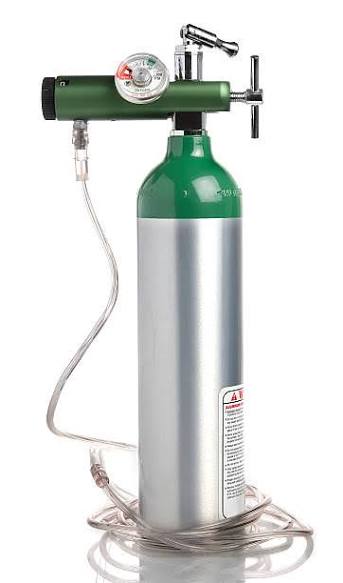
Oxygen Concentrator vs Oxygen Tank At a Glance
Both options can deliver supplemental oxygen, but their practical demands are different. Here is the basic comparison.
| Feature | Oxygen Concentrator | Oxygen Tank |
|---|---|---|
| Oxygen source | Concentrates oxygen from room air | Stores compressed oxygen |
| Refills | Usually not needed | Required when oxygen runs out |
| Electricity | Usually required | Not required to deliver stored oxygen |
| Portability | Depends on model | Depends on tank size and carrier |
| Long-term home use | Convenient for many users | Requires oxygen deliveries or refills |
| Power outage planning | Important | Stored oxygen can provide a backup supply |
| Storage | Needs electrical space and airflow | Requires safe storage and handling |
Medicare describes oxygen equipment as including both systems that give oxygen and containers that store oxygen.
Why Seniors May Prefer an Oxygen Concentrator
An oxygen concentrator can be practical for seniors who use oxygen frequently at home. It separates oxygen from room air and supplies concentrated oxygen through the prescribed delivery system.
Ease of Use
A concentrator avoids the need to arrange a new oxygen supply every time a tank becomes empty. The senior or caregiver still needs to operate the device correctly and follow the prescribed settings.
The main practical issue is power. A stationary concentrator needs electricity, so users who depend on it should have a plan for power interruptions.
Key Strengths
- No routine tank refills for normal operation
- Useful for regular home oxygen use
- No heavy oxygen cylinder needs to be carried for stationary use
- Can provide oxygen continuously while operating
- May simplify long-term home oxygen management
Potential Drawbacks
- Needs electrical power
- May be less convenient during a power outage
- Stationary models can be less portable
- Requires appropriate placement and maintenance
- The correct model must match the prescribed oxygen needs
Why Seniors May Prefer an Oxygen Tank
An oxygen tank stores oxygen rather than producing it. The tank can therefore provide oxygen without being connected to household electricity.
Ease of Use
A tank can be straightforward once the senior and caregiver understand the regulator, tubing, flow setting, and remaining oxygen level. The tank must be checked so the user does not unexpectedly run out of oxygen.
The American Lung Association recommends checking the tank gauge to make sure enough oxygen remains and following instructions from the healthcare provider or medical supply company.
Key Strengths
- Does not depend on household electricity
- Can provide a backup oxygen supply
- Available in portable forms
- Useful when a concentrator cannot operate
- Can be helpful during planned or unexpected power interruptions
Potential Drawbacks
- Oxygen supply is limited
- Tanks need refills or replacement
- Larger tanks can be difficult to move
- Storage and handling require care
- Running out of oxygen can become a serious problem for someone who depends on supplemental oxygen
Which Is Easier for Seniors to Use?
Ease of use depends heavily on the senior’s routine.
A concentrator may be easier for someone who spends most of the day at home and wants to avoid managing oxygen-cylinder refills. Once properly set up, it can provide oxygen while connected to power.
A tank may be easier for someone who needs oxygen away from electrical outlets or wants a stored supply for emergencies. Portable tanks can still require physical effort, especially when carrying equipment or moving it with a cart.
For seniors with limited strength or dexterity, caregivers should consider the complete setup rather than looking only at the oxygen source.
Important questions include:
- Can the senior move the equipment safely?
- Are the controls easy to understand?
- Can the oxygen level be checked easily?
- Is the tubing easy to manage?
- Can the equipment be stored safely?
- Is help available when the equipment needs to be changed?
Performance Comparison
The key performance issue is not simply which device is “stronger.” Oxygen equipment must match the oxygen therapy prescribed by the healthcare professional.
A concentrator produces oxygen from surrounding air, while a tank provides oxygen from its stored supply. Different equipment and models can have different delivery capabilities, so the prescribed flow or delivery method should guide equipment selection.
| Performance Area | Oxygen Concentrator | Oxygen Tank |
|---|---|---|
| Oxygen supply | Generated from room air | Stored in cylinder |
| Supply duration | Depends on power and device | Depends on tank size and prescribed use |
| Power dependence | Yes for powered models | No |
| Refilling | Not normally required | Required |
| Backup use | Needs backup power planning | Stored oxygen can serve as backup |
Comfort, Accessibility, and Senior-Friendly Design
The most senior-friendly system is often the one that fits the user’s daily routine with the least physical and mental effort.
A stationary concentrator can reduce the need to move oxygen cylinders around the home. A portable oxygen system, however, may be more useful for seniors who regularly leave home.
Tubing is another practical issue. Loose tubing can create a tripping hazard, particularly for someone who already has difficulty walking. The FDA notes that home medical equipment can create fall and other safety concerns when the surrounding environment is not managed carefully.
Features Comparison
The important features are different because these systems solve the oxygen-supply problem in different ways.
| Feature | Oxygen Concentrator | Oxygen Tank |
|---|---|---|
| Supply method | Concentrates room air | Stores oxygen |
| Power backup | Important | Not needed for stored oxygen |
| Oxygen gauge | Depends on model | Commonly used to monitor supply |
| Portability | Model-dependent | Model and tank-size dependent |
| Refills | Generally unnecessary | Necessary |
| Emergency planning | Backup power matters | Extra oxygen supply matters |
Price, Maintenance, and Long-Term Value
Price should not be judged only by the initial equipment cost. Oxygen users may also need to consider supplies, servicing, refills, replacement equipment, and transportation needs.
An oxygen concentrator can reduce the logistical burden of arranging oxygen refills, but it introduces dependence on electricity and equipment servicing. An oxygen tank does not need electricity to provide its stored oxygen, but the oxygen supply must be replenished.
In the U.S., Medicare states that covered oxygen equipment can include systems that give oxygen and containers that store oxygen. Coverage and supplier requirements depend on eligibility and the prescribed equipment.
| Cost Factor | Oxygen Concentrator | Oxygen Tank |
|---|---|---|
| Oxygen refills | Usually not needed | Needed |
| Electricity | Ongoing use may affect power costs | Not required to supply stored oxygen |
| Maintenance | Device maintenance required | Equipment and cylinder handling required |
| Accessories | Tubing and related supplies | Tubing, regulator, and related supplies |
| Long-term consideration | Power and servicing | Oxygen supply and delivery |
Who Should Choose an Oxygen Concentrator?
An oxygen concentrator may make sense for a senior who:
- Uses oxygen regularly at home.
- Wants to avoid frequent oxygen-cylinder refills.
- Has reliable access to electricity.
- Prefers a home-based setup.
- Has a caregiver who can help with device maintenance when needed.
- Has a prescribed oxygen requirement that the selected concentrator can meet.
Who Should Choose an Oxygen Tank?
An oxygen tank may make sense for a senior who:
- Needs a stored oxygen supply.
- Wants oxygen that does not depend on household electricity.
- Needs a backup option for power interruptions.
- Uses a portable oxygen setup.
- Has access to a dependable oxygen refill or delivery service.
- Can safely manage the tank with help when necessary.
Final Verdict
There is no universal winner in the Oxygen Concentrator vs Oxygen Tank comparison. A concentrator is often more convenient for regular home use because it concentrates oxygen from room air instead of relying on a finite cylinder supply. A tank offers an important advantage when stored oxygen and independence from household electricity matter.
For a senior who relies on supplemental oxygen, the decision should start with the prescribed oxygen flow and delivery method. The healthcare professional and oxygen supplier can help match the equipment to those needs. Medicare also notes that equipment should fit the user’s mobility needs and that changes in prescribed equipment should be handled through the healthcare provider and supplier.
Scoring Summary
Because this comparison covers equipment categories rather than specific models, assigning precise 10-point scores could give a false sense of accuracy. The practical comparison is clearer this way:
| Category | Oxygen Concentrator | Oxygen Tank |
|---|---|---|
| Home convenience | Strong advantage | More supply management |
| Electricity independence | Limited | Strong advantage |
| Refill convenience | Strong advantage | Requires planning |
| Portability | Depends on model | Depends on tank setup |
| Backup potential | Needs power backup | Stored oxygen can help |
| Long-term practicality | Depends on power and maintenance | Depends on supply access |
How We Evaluate Products
For oxygen equipment, the most useful comparison factors are ease of use, prescribed oxygen delivery, portability, power needs, supply management, maintenance, storage, and safety.
The comparison should not assume that every senior has the same mobility, strength, or lifestyle. A homebody and an active traveler may have very different equipment needs.
Senior-Specific Buying Considerations
Physical Effort
Consider how much lifting, pushing, carrying, or moving the equipment requires. A caregiver may be able to handle heavier equipment when needed.
Controls
Check whether the controls, indicators, and alarms are easy for the user or caregiver to understand.
Maintenance
Ask what cleaning, servicing, tubing changes, or other routine care is required.
Storage
Tanks and equipment need an appropriate storage area. Keep tubing organized so it does not become a trip hazard.
Setup
Ask the oxygen supplier to explain how the equipment should be operated, stored, and maintained.
Safety
Oxygen increases fire risk. The FDA specifically identifies supplemental oxygen therapy as a home fire-safety concern, particularly around electrical faults and high oxygen concentrations.
Never smoke near oxygen equipment, and keep oxygen away from flames and other ignition sources. Follow the safety instructions supplied with the equipment.
Common Buying Mistakes
Avoid these mistakes when choosing oxygen equipment:
- Choosing equipment before confirming the prescribed oxygen requirements.
- Focusing only on the purchase price.
- Forgetting about power-outage planning.
- Ignoring portability needs.
- Underestimating the effort needed to move a tank.
- Failing to plan for oxygen refills when using tanks.
- Treating a concentrator as a substitute for professional guidance.
Safety
Oxygen equipment should be used exactly as directed by the healthcare professional and equipment supplier. The FDA warns that oxygen therapy can increase home fire risk, while the American Lung Association recommends checking oxygen supplies and following the instructions provided by the healthcare team and medical supply company.
Do not change the prescribed oxygen flow on your own. FDA guidance states that oxygen concentrators should not be used at home without appropriate healthcare-provider direction because receiving too much or too little oxygen can cause serious problems.
Frequently Asked Questions
Is an oxygen concentrator better than an oxygen tank?
Neither is automatically better. A concentrator can be convenient for regular home use, while a tank can be useful when stored oxygen or independence from electricity is important.
Does an oxygen concentrator need electricity?
Most stationary concentrators require electrical power. Portable models may also use batteries, depending on the model.
Can an oxygen tank work during a power outage?
Yes. A tank stores oxygen, so it does not need household electricity to deliver its stored supply. The available duration depends on the tank and prescribed use.
Does an oxygen concentrator need to be refilled?
A concentrator does not normally need oxygen refills because it concentrates oxygen from surrounding air. It does need an appropriate power source.
Which is easier to carry?
It depends on the equipment. Portable concentrators and smaller oxygen cylinders can be easier to move than larger stationary equipment or cylinders.
Can a senior choose oxygen equipment without a prescription?
Oxygen therapy should be selected and used under appropriate healthcare-provider guidance. The equipment should match the person’s prescribed oxygen needs.
Conclusion
The main difference between an oxygen concentrator and an oxygen tank is how the oxygen is supplied. A concentrator extracts and concentrates oxygen from room air, while a tank stores a finite supply of compressed oxygen.
For seniors, the best fit depends on prescribed oxygen needs, home electricity, mobility, portability, refill access, and emergency planning. The safest approach is to discuss these factors with the healthcare professional and oxygen supplier before choosing or changing equipment.
