
BiPAP vs Oxygen Concentrator for Seniors Guide


Smart Health Watch for Seniors

Bathtub Grab Bar

Smart Doorbell Camera
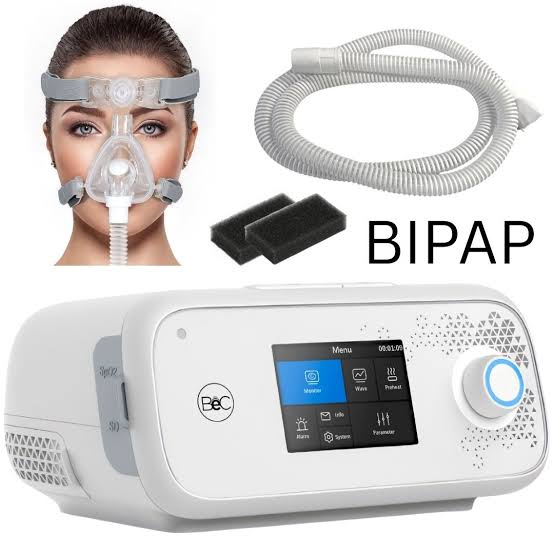
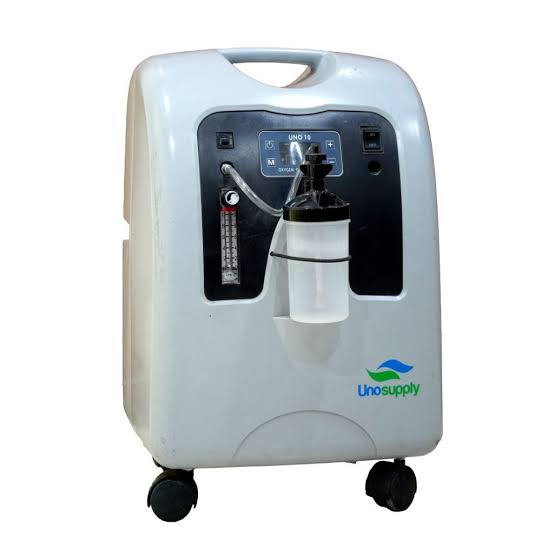
BiPAP vs Oxygen Concentrator is not a simple head-to-head choice. These devices do different jobs. BiPAP uses positive airway pressure to support breathing, while an oxygen concentrator supplies supplemental oxygen from room air.
For seniors and caregivers, the key question is not which machine is better. It is which device matches the medical need. In some cases, a person may use supplemental oxygen with a breathing device under professional guidance.
Quick Comparison
BiPAP is designed to provide breathing support with two pressure levels. An oxygen concentrator is designed to provide extra oxygen. Because the main functions differ, neither device is automatically better.
The biggest difference: BiPAP changes breathing pressure, while an oxygen concentrator adds oxygen to the air being breathed.
For a senior who needs positive airway pressure, BiPAP may be the relevant device. For someone who has been prescribed supplemental oxygen, an oxygen concentrator may be part of the oxygen setup. The correct choice depends on the prescribed therapy.
BiPAP vs Oxygen Concentrator At a Glance
The table below shows the practical difference between the two devices.
| Feature | BiPAP | Oxygen Concentrator |
|---|---|---|
| Main purpose | Breathing support | Supplemental oxygen |
| How it works | Uses two air-pressure levels | Extracts oxygen from room air |
| Typical delivery | Mask and hose | Cannula or mask |
| Pressure support | Yes | No |
| Oxygen supply | May be combined with prescribed oxygen | Yes |
| Main home concern | Mask fit and machine setup | Oxygen safety and power |
BiPAP provides higher pressure during inhalation and lower pressure during exhalation. Oxygen concentrators draw in room air, remove other gases, and deliver concentrated oxygen.
BiPAP Review for Senior-Friendly Breathing
BiPAP can be useful when a person needs breathing assistance rather than oxygen alone. It is a form of noninvasive ventilation that delivers air through a mask.
Ease of Use
BiPAP usually requires a machine, hose, mask, and proper settings. A healthcare or medical equipment provider should explain setup and operation.
For some seniors, the mask is the biggest adjustment. A poor fit can feel uncomfortable or create air leaks. Mask style, strap adjustment, and humidification can also affect comfort.
Key Strengths
- Provides two levels of pressure.
- Can support inhalation and make exhalation easier.
- Can be used at home for some chronic conditions.
- May be used for certain sleep-related or respiratory problems.
- Can sometimes be used alongside supplemental oxygen when prescribed.
Potential Drawbacks
- The mask may take time to get used to.
- Setup has more parts than a basic oxygen cannula.
- Incorrect settings can be unsafe.
- Some users may dislike the feeling of pressurized air.
- Regular cleaning and equipment care are needed.
Oxygen Concentrator Review for Senior Home Use
An oxygen concentrator has a different job. It takes air from the room and separates oxygen for delivery to the user.
Ease of Use
A home concentrator can be fairly straightforward once it has been installed and the oxygen prescription is set. The user generally connects tubing or a cannula and follows the prescribed flow setting.
For older adults, the tubing can be an everyday consideration. It may create a tripping problem if it crosses walkways or is not stored safely.
Key Strengths
- Produces oxygen without needing regular tank refills.
- Can support long-term oxygen therapy when prescribed.
- Home models are designed for regular use.
- Portable versions are available for some users.
- The basic oxygen-delivery process can be easier to understand than pressure-based breathing support.
Potential Drawbacks
- It requires electricity.
- Tubing can limit movement around the home.
- Filters, tubing, cannulas, and other parts require care.
- Oxygen increases fire risk.
- A backup plan may be important when continuous oxygen is required.
Which Is Easier for Seniors to Use?
Ease of use depends on what the senior has been prescribed.
An oxygen concentrator may feel simpler for someone who only needs supplemental oxygen. The basic process can involve turning on the device, connecting the tubing, and using the prescribed flow rate.
BiPAP usually involves more adjustment because the user must wear a mask and work with pressurized airflow. A senior with limited dexterity may benefit from help with mask straps, hose connections, and routine cleaning.
| Senior Need | BiPAP | Oxygen Concentrator |
|---|---|---|
| Simple oxygen delivery | Not its main role | Strong fit |
| Mask tolerance | Important | May use mask, but cannula is common |
| Fine-motor setup | Moderate | Usually simpler |
| Tubing management | Needed | Needed |
| Pressure adjustment | Important | Not the main function |
| Caregiver help | May be useful | May be useful |
Neither device should be selected simply because it looks easier. The prescribed therapy comes first.
Performance Comparison
The performance question is different for each device because the machines perform different functions.
BiPAP is focused on pressure-assisted breathing. It uses separate inhalation and exhalation pressures and may be used for conditions where a person needs help moving air in and out.
An oxygen concentrator is focused on oxygen delivery. It pulls in room air and supplies concentrated oxygen through the prescribed delivery system.
| Performance Area | BiPAP | Oxygen Concentrator |
|---|---|---|
| Airway pressure | Two pressure levels | None |
| Breathing assistance | Yes | No |
| Supplemental oxygen | Possible with prescribed setup | Main purpose |
| Main focus | Ventilatory support | Oxygen delivery |
| Sleep use | Common in some conditions | Possible when prescribed |
This is why replacing one with the other without professional guidance can be inappropriate. They solve different problems.
Comfort, Accessibility, and Senior-Friendly Design
Comfort can vary widely between users.
With BiPAP, mask fit is often central. A mask that is too tight may be uncomfortable, while a poor seal can allow leaks. A senior who struggles with the mask or straps may need help from a caregiver or equipment provider.
With an oxygen concentrator, the physical machine itself may be less demanding, but the tubing needs attention. Clear walkways and sensible equipment placement matter.
For senior users, the most practical device is often the one that fits the prescribed treatment without creating unnecessary daily barriers.
Caregivers should also consider whether the display, controls, tubing, and maintenance steps are easy for the user to manage.
Features Comparison
The useful features are different because the machines have different purposes.
| Feature | BiPAP | Oxygen Concentrator |
|---|---|---|
| Mask connection | Yes | Optional, depending on setup |
| Pressure settings | Yes | No |
| Oxygen concentration | Not its primary function | Yes |
| Humidification | May be available | May be added |
| Portability | Depends on model | Portable models exist |
| Backup power concern | Important | Especially important for oxygen-dependent users |
Portable oxygen concentrators can be battery powered, while home concentrators generally depend on electrical power. Some portable units use pulse-dose delivery rather than continuous flow.
Price, Maintenance, and Long-Term Value
Exact prices vary by model, supplier, insurance coverage, and location. It is better to compare the total ownership requirements than to focus on one advertised price.
BiPAP ownership may involve masks, filters, tubing, humidification parts, and other accessories.
Oxygen concentrator ownership may involve filters, tubing, cannulas, humidifier supplies, servicing, and backup oxygen planning.
| Cost Factor | BiPAP | Oxygen Concentrator |
|---|---|---|
| Main machine | Varies by model | Varies by model |
| Consumables | Mask, filters, tubing | Cannula, tubing, filters |
| Electricity | Required | Required |
| Maintenance | Regular cleaning and parts | Regular cleaning and filter care |
| Backup planning | Depends on therapy | Important for continuous oxygen users |
The American Lung Association recommends routine cleaning and replacement of several oxygen-system components. It also stresses having backup equipment when oxygen access is critical.
Who Should Choose BiPAP?
BiPAP may be the relevant option when:
- A healthcare professional has prescribed bilevel positive airway pressure.
- The main need is breathing or ventilatory support.
- Different inhalation and exhalation pressures are needed.
- A senior can tolerate a mask-based setup.
- A caregiver can help with setup when needed.
BiPAP should not be viewed as a general replacement for supplemental oxygen.
Who Should Choose an Oxygen Concentrator?
An oxygen concentrator may be appropriate when:
- Supplemental oxygen has been prescribed.
- The person needs oxygen at home or during sleep.
- A continuous home oxygen system is needed.
- A caregiver can safely manage the tubing and equipment.
- Backup planning is available when uninterrupted oxygen is important.
Home oxygen should be used according to the prescribed flow rate. The American Lung Association specifically advises users not to change the flow rate unless their healthcare provider instructs them to do so.
BiPAP vs Oxygen Concentrator — Final Verdict
There is no overall winner in this comparison because BiPAP and an oxygen concentrator are not interchangeable devices.
Best for pressure-assisted breathing: BiPAP
Best for prescribed supplemental oxygen: Oxygen concentrator
Best for simple oxygen delivery: Oxygen concentrator
Best when two different needs must be addressed: A prescribed combination may be used, depending on the person’s treatment plan.
The important decision is the therapy being prescribed, not the brand or machine that appears easier to use.
Scoring Summary
Because these devices have different medical roles, a traditional overall score would be misleading. A role-based comparison is more useful.
| Category | BiPAP | Oxygen Concentrator |
|---|---|---|
| Breathing pressure support | 5/5 | 1/5 |
| Supplemental oxygen delivery | 3/5* | 5/5 |
| Simple oxygen use | 2/5 | 5/5 |
| Mask-free potential | 1/5 | 4/5** |
| Role clarity | 5/5 | 5/5 |
*Some BiPAP systems can be used with supplemental oxygen when prescribed.
**Delivery method varies by oxygen setup and prescription.
These scores describe device function, not medical suitability for a specific person.
How We Evaluate Products
For health-related equipment, SeniorsProTalk should focus on practical factors such as:
- Ease of use
- Setup complexity
- Comfort
- Accessibility
- Maintenance
- Safety
- Portability
- Long-term practicality
This comparison does not assume hands-on testing or laboratory testing. Product claims should be checked against current manufacturer documentation and appropriate clinical guidance.
Senior-Specific Buying Considerations
Physical Effort
Consider whether the senior can handle the mask, tubing, controls, and daily equipment setup.
Controls
Large, clear controls can make everyday operation easier. Caregivers should know how the settings work before helping with the device.
Maintenance
Ask who will clean the mask, tubing, cannula, filters, and humidification equipment.
Storage
The machine should have a stable location that is easy to reach without blocking walkways.
Setup
Medical equipment should be set up according to the instructions from the healthcare or equipment provider.
Safety
Oxygen requires special fire precautions. Smoking, open flames, and certain flammable products must be kept away from oxygen equipment.
Common Buying Mistakes
Avoid these mistakes when comparing BiPAP and oxygen equipment:
- Choosing based only on machine price.
- Assuming oxygen and pressure support are the same thing.
- Changing prescribed settings without professional guidance.
- Ignoring mask or tubing comfort.
- Forgetting backup planning for power-dependent equipment.
- Placing oxygen equipment near flames or heat sources.
The biggest mistake is treating this as a normal consumer gadget comparison. Medical devices should match the treatment plan.
Safety
Home oxygen creates an important fire-safety concern. Oxygen itself does not burn, but it supports combustion. Smoking and open flames should be kept away from oxygen equipment.
BiPAP also needs correct setup and prescribed settings. Because both devices relate directly to breathing, seniors and caregivers should discuss the appropriate equipment with a healthcare professional rather than switching between therapies on their own.
Conclusion
BiPAP vs Oxygen Concentrator is really a comparison of two different types of respiratory equipment. BiPAP provides two levels of positive airway pressure, while an oxygen concentrator provides supplemental oxygen.
For seniors, the right choice depends on the prescribed therapy, daily comfort, setup needs, maintenance, and safety at home. When both breathing support and supplemental oxygen are needed, the two technologies may sometimes be used together under professional guidance rather than treated as competing alternatives.