
BiPAP vs APAP: Which Is Better for Seniors?


Anti-Slip Shower Stickers

LED Magnifying Glass

Portable Wheelchair
BiPAP vs APAP can be confusing when a doctor suggests positive airway pressure therapy. Both use a mask and airflow during sleep, but they work in different ways. APAP changes pressure as needed. BiPAP uses two pressure levels.
For many seniors with routine obstructive sleep apnea, APAP may be the simpler option. BiPAP may make more sense when a person needs two pressure levels or has other breathing needs. The right choice depends on the diagnosis and prescription.
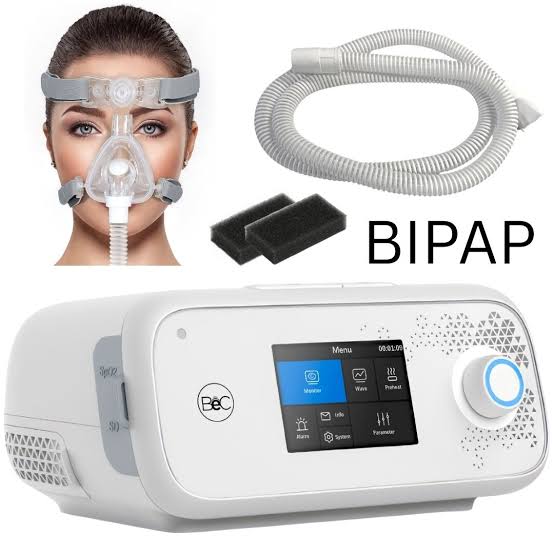
Quick Comparison
APAP is often the more direct fit for routine obstructive sleep apnea. It can change pressure during the night as breathing needs change.
BiPAP gives one pressure when breathing in and a lower pressure when breathing out. That may help some people who need higher support or have trouble with other PAP settings.
The key point is simple:
APAP adjusts pressure. BiPAP uses two pressure levels.
BiPAP vs APAP At a Glance
These two devices may look similar. The main difference is how they deliver pressure.
| Feature | BiPAP | APAP |
|---|---|---|
| Pressure | Two pressure levels | Auto-adjusting pressure |
| Breathing support | Higher in, lower out | Adjusts during sleep |
| Routine OSA use | Not usually first choice | Common option |
| Setup | May need more guidance | Often simpler |
| Comfort | May help with exhaling | May feel natural as pressure changes |
| Best fit | Specific breathing needs | Many routine OSA users |
BiPAP Review for Senior Sleep Needs
BiPAP, or bilevel PAP, uses two air pressures. The pressure is higher when you breathe in and lower when you breathe out.
This design can be useful for some people who need more support. It may also feel easier for a person who finds steady pressure hard to breathe against.
Ease of Use
BiPAP can be easy to use once it is set up. The daily steps are much like other PAP systems.
You put on the mask, start the machine, and sleep.
The harder part may be the setup. Pressure settings need to match the medical prescription. That means a user should not change them on their own.
Key Strengths
- Two pressure levels may feel easier for some users.
- It can suit certain higher-pressure needs.
- It may be used when extra breathing support is needed.
- The lower exhale pressure can improve comfort for some people.
Potential Drawbacks
- It may be more than a routine OSA user needs.
- Setup can require more clinical guidance.
- The device may cost more, depending on the model and coverage.
- It is not the right choice for every person with sleep apnea.
APAP Review for Senior Sleep Needs
APAP means auto-adjusting positive airway pressure. It changes the air pressure during sleep based on breathing patterns.
That makes APAP different from a fixed-pressure CPAP machine. It can respond as pressure needs change through the night.
Ease of Use
APAP can be a good fit for someone who wants a simple daily routine.
The machine does the pressure adjustment during sleep. The user still needs to fit the mask, use the hose, and keep the equipment clean.
The machine should still be set according to a medical prescription or care plan.
Key Strengths
- Pressure can change during the night.
- It can be a practical option for routine OSA.
- Daily operation can be simple.
- It may avoid the need for one fixed pressure all night.
Potential Drawbacks
- It may not meet every person’s breathing needs.
- Some users may still struggle with mask leaks or pressure comfort.
- More automatic features do not always mean better results.
- A doctor may choose another PAP mode based on the person’s condition.
Which Is Easier for Seniors to Use?
For many seniors, APAP has the simpler concept. The machine changes pressure on its own.
BiPAP is also simple once set up. But its two-pressure design can require more careful setup.
For a senior with limited dexterity, the mask and controls may matter more than the pressure mode itself. Large, clear controls can help. A simple mask fit can help too.
Maintenance matters as well. Both systems use a mask, tubing, and other parts that need routine care.
| Senior Need | BiPAP | APAP |
|---|---|---|
| Simple pressure system | Moderate | Strong |
| Automatic pressure changes | No | Yes |
| Easy daily routine | Good | Good |
| Needs prescribed settings | Yes | Yes |
| Mask care | Needed | Needed |
Performance Comparison
The main performance difference is pressure delivery.
APAP can raise or lower pressure during sleep. This may help when pressure needs change.
BiPAP uses two levels. The higher level supports inhalation. The lower level can make exhalation easier.
So neither machine is simply “more powerful.”
They solve different needs.
For routine obstructive sleep apnea, APAP is often a practical choice. BiPAP becomes more relevant when a clinician decides that two pressure levels or additional breathing support are needed.
Comfort, Accessibility, and Senior-Friendly Design
Comfort often depends on more than the machine.
The mask is a major part of the experience. So are the hose, humidity settings, bed setup, and noise.
APAP may feel comfortable when pressure changes with need. BiPAP may feel more comfortable for a person who dislikes breathing out against higher pressure.
A senior who has trouble reading small screens should also check the controls. A caregiver may be able to help with setup and cleaning when needed.
The best PAP mode is not the one with the most features. It is the one that fits the user’s medical needs and can be used comfortably and correctly.
Features Comparison
The most useful difference is the way pressure is delivered.
| Feature | BiPAP | APAP |
|---|---|---|
| Pressure control | Two levels | Changes automatically |
| Exhale pressure | Lower level | Based on current pressure |
| Automatic adjustment | No | Yes |
| Routine OSA role | More selective | Common |
| User controls | Model dependent | Model dependent |
Price, Maintenance, and Long-Term Value
Do not compare these devices by price alone.
The total cost can include the machine, mask, tubing, filters, replacement parts, and any insurance or supplier costs.
BiPAP is a more specialized therapy mode, so the total cost may be higher in some cases. But a lower-cost APAP is not better value if it does not match the prescribed therapy.
Both options need regular cleaning and part replacement. Mask fit also matters. A poor fit can lead to leaks and discomfort.
The best value is the system that meets the prescribed need and can be used consistently.
Who Should Choose BiPAP?
BiPAP may be worth discussing with a healthcare professional when:
- Two pressure levels have been prescribed.
- Exhaling against pressure is difficult.
- Higher pressure support is needed.
- A person has another breathing problem that affects PAP choice.
- A clinician has recommended bilevel therapy.
BiPAP should not be selected simply because it sounds more advanced.
Who Should Choose APAP?
APAP may suit a senior who:
- Has routine obstructive sleep apnea.
- Has been prescribed auto-adjusting PAP.
- Wants pressure to change during sleep.
- Prefers a simple daily setup.
- Needs a PAP mode that can adjust to changing breathing needs.
The final choice should still follow the prescribed treatment plan.
BiPAP vs APAP — Final Verdict
There is no single winner for every senior.
Best for routine OSA: APAP is often the more direct choice.
Best for two pressure levels: BiPAP.
Best for automatic pressure changes: APAP.
Best for certain higher-support needs: BiPAP.
The biggest difference is how pressure is delivered. APAP changes pressure as needed. BiPAP provides a higher pressure when breathing in and a lower pressure when breathing out.
Scoring Summary
These scores are practical comparison ratings, not medical ratings.
| Category | BiPAP | APAP |
|---|---|---|
| Ease of Use | 8/10 | 9/10 |
| Senior-Friendly Design | 8/10 | 9/10 |
| Routine OSA Fit | 7/10 | 9/10 |
| Comfort Flexibility | 9/10 | 8/10 |
| Maintenance | 8/10 | 8/10 |
| Overall Practical Value | 8/10 | 9/10 |
The scores are meant to summarize the trade-offs above. They do not replace a clinician’s choice of therapy.
How We Evaluate Products
For this comparison, the focus is on real daily use.
We look at:
- Ease of use
- Comfort
- Pressure delivery
- Setup
- Maintenance
- Senior-friendly controls
- Routine practicality
- Long-term value
- Safety
We do not treat marketing claims as proof.
We also do not claim hands-on testing or personal use.
Senior-Specific Buying Considerations
Physical Effort
Check whether the mask is easy to put on and remove. A simple headgear design can help.
Controls
Look for controls that are easy to see and understand. This matters more at night.
Maintenance
Ask how often the mask, tubing, filters, and other parts need care or replacement.
Storage
Keep the machine on a stable surface near the bed. Make sure the hose can reach without creating a trip hazard.
Setup
Follow the prescribed settings. Ask the care team for help if setup is unclear.
Safety
PAP devices affect breathing during sleep. Do not change pressure settings on your own. Discuss symptoms, poor tolerance, or treatment problems with the appropriate healthcare professional.
Common Buying Mistakes
- Choosing BiPAP just because it sounds more advanced.
- Choosing APAP only because it is simple.
- Ignoring mask fit.
- Focusing only on the machine price.
- Changing pressure settings without medical guidance.
- Forgetting the cost of replacement parts.
Frequently Asked Questions
Is BiPAP better than APAP for seniors?
Not for every senior. APAP may be a better fit for routine obstructive sleep apnea, while BiPAP may be used when two pressure levels or added breathing support are needed.
Can APAP replace BiPAP?
Not always. The two modes work in different ways. A healthcare professional should decide which mode fits the person’s needs.
Is BiPAP more comfortable than APAP?
It can be for some users. The lower pressure during exhalation may feel easier. Comfort varies by person, mask, settings, and condition.
Which is easier to maintain?
Both need regular mask and equipment care. The daily maintenance burden is often similar.
Can seniors change from APAP to BiPAP?
A change may be appropriate in some cases, but it should be guided by a healthcare professional.
Does BiPAP treat sleep apnea better than APAP?
There is no general rule that one is better for everyone. For routine obstructive sleep apnea, clinical guidance supports CPAP or APAP over bilevel PAP in routine treatment. Other conditions may call for a different PAP mode.
Conclusion
BiPAP and APAP both use positive airway pressure, but they serve different needs. APAP changes pressure during sleep, while BiPAP uses separate pressures for breathing in and out.
For a senior with routine obstructive sleep apnea, APAP may offer the simpler path. For someone who needs two pressure levels or more specialized breathing support, BiPAP may be the better fit. The safest choice is the one that matches the prescribed treatment plan and is comfortable enough to use every night.
