
Pulse Oximeter vs Smartwatch for Seniors


Automatic Can Opener

Shiatsu Neck Massager

Smart Digital Photo Frame
A Pulse Oximeter vs Smartwatch comparison matters because both can provide information about blood oxygen, but they are designed for different purposes. A pulse oximeter is built around oxygen saturation and pulse readings, while a smartwatch may combine oxygen tracking with fitness and wellness features.
For seniors, the choice depends on what the device needs to do. A simple pulse oximeter may suit someone who wants quick spot checks. A smartwatch may appeal to someone who also wants activity, sleep, heart-rate, and other wellness information.
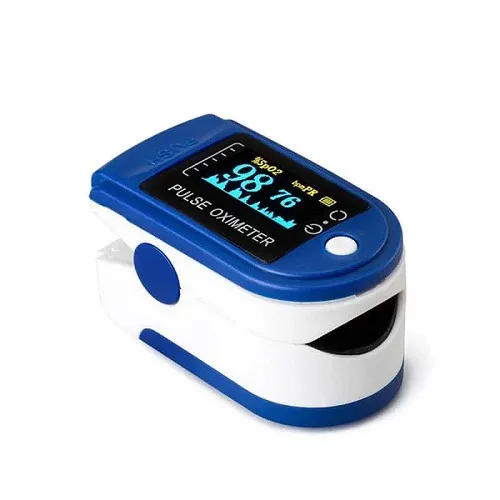
Quick Comparison
A pulse oximeter is more focused on oxygen and pulse measurements. A smartwatch offers a much broader set of features, but its health sensors may be intended for wellness rather than medical use.
Simple choice: Choose a pulse oximeter for focused oxygen checks. Choose a smartwatch when broader everyday health and fitness tracking matters.
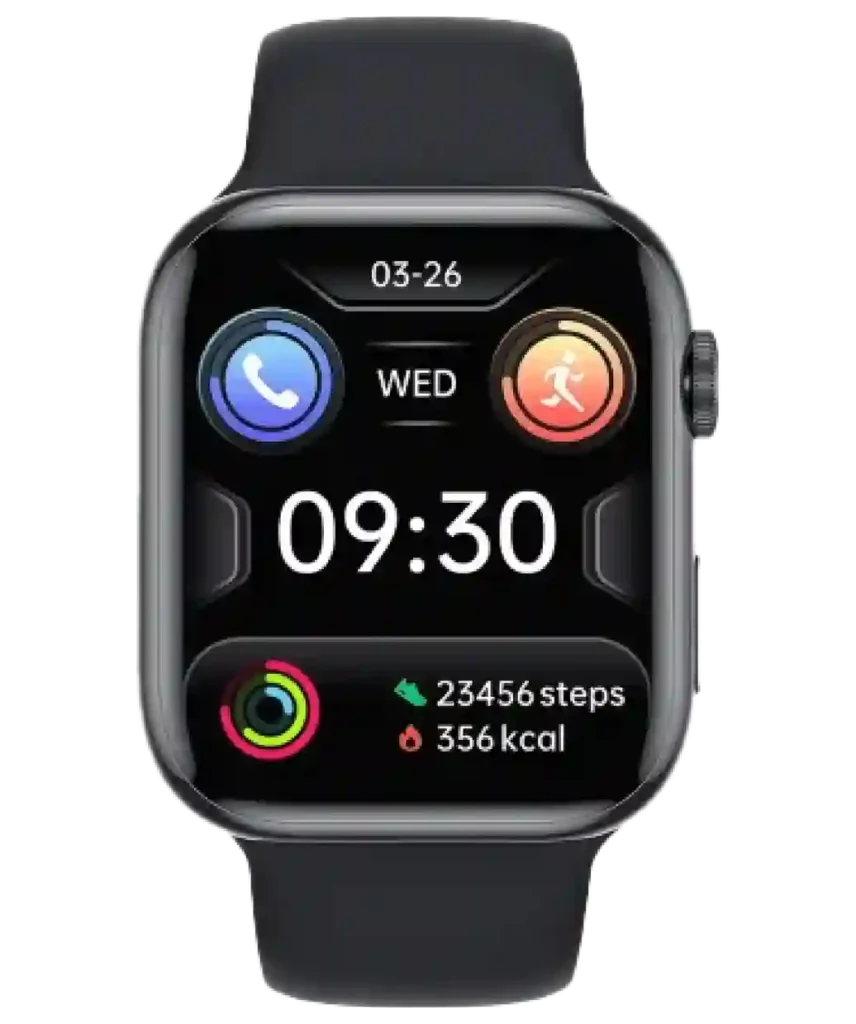
Pulse Oximeter vs Smartwatch At A Glance
The biggest difference is focus. One is a dedicated measurement device, while the other is a multipurpose wearable.
| Feature | Pulse Oximeter | Smartwatch |
|---|---|---|
| Main purpose | Oxygen and pulse checks | Fitness and wellness tracking |
| Design | Finger device | Wrist wearable |
| Oxygen readings | Main function | Model-dependent |
| Portability | Very high | High |
| Setup | Usually simple | Requires setup and pairing |
| Screen | Small | Usually larger |
| Other health features | Limited | Often extensive |
| Notifications | Limited | Common |
| Battery charging | Occasional | Regular charging |
| Best use | Focused spot checks | Broader daily tracking |
Pulse Oximeter for Simple Oxygen Checks
A pulse oximeter is usually placed on a fingertip and uses light to estimate blood oxygen saturation and pulse rate.
Ease of Use
The basic process is simple. Place the device correctly on a finger, remain still, and wait for a stable reading. The FDA recommends using a warm, relaxed hand and removing nail polish from the measurement finger when taking a reading.
Key strengths
- Small and easy to carry
- Simple finger-clip design
- Focused on oxygen and pulse readings
- Quick to use
- Does not require a phone for basic operation
Potential drawbacks
- Provides fewer wellness features
- Small screens may be harder for some users to read
- Readings can be affected by several factors
- Not every consumer model is intended for medical decision-making
Smartwatch for Everyday Health Tracking
A smartwatch can combine health and fitness features in one wrist-worn device. Depending on the model, it may track heart rate, activity, sleep, and blood oxygen.
For example, Apple says its Blood Oxygen feature provides wellness information and is not intended for medical use.
Ease of Use
A smartwatch can be convenient because it stays on the wrist. Once configured, many measurements can be collected without carrying another device.
However, the initial setup can be more involved. Users may need to pair the watch with a phone, configure apps, manage permissions, charge the watch, and learn several menus.
Key strengths
- Worn throughout the day
- Many health and fitness features
- Can store health trends
- Useful for notifications and reminders
- Combines several functions in one device
Potential drawbacks
- More complicated than a basic pulse oximeter
- Requires regular charging
- Some health features vary by model and region
- Oxygen readings may be intended for wellness rather than medical use
- A smartwatch can cost much more than a basic pulse oximeter
Which Is Easier for Seniors to Use?
For a single oxygen reading, a pulse oximeter is usually simpler.
There are fewer steps. The user does not need to navigate a smartwatch interface or manage a phone connection.
A smartwatch can be easier for someone who already wears and understands one. Its larger screen and wrist-based design may also make everyday tracking convenient.
The important point is that simple does not always mean better. The right choice depends on how much functionality the user actually needs.
Performance Comparison
The two devices should be judged by their intended purpose.
A pulse oximeter is specifically designed to estimate oxygen saturation and pulse rate. However, the FDA warns that readings can be affected by factors such as poor circulation, skin pigmentation, skin temperature, nail polish, and other conditions.
A smartwatch may use optical sensors to estimate blood oxygen. Apple, for example, describes its Blood Oxygen feature as a wellness tool rather than a medical device.
| Performance Area | Pulse Oximeter | Smartwatch |
|---|---|---|
| Oxygen measurement | Primary purpose | Model-dependent |
| Pulse rate | Common | Common |
| Spot checking | Very suitable | Available on some models |
| Daily tracking | Limited | Strong |
| Fitness tracking | Limited | Extensive |
| Health trends | Model-dependent | Often extensive |
| Medical use | Depends on device | Feature-dependent and model-specific |
Comfort, Accessibility, and Senior-Friendly Design
Comfort depends on personal preference.
A pulse oximeter only needs to be worn during a reading. This can suit someone who does not want to wear a device all day.
A smartwatch stays on the wrist. That can make it convenient for users who want regular activity or wellness tracking. But the watch must be worn comfortably and may need frequent charging.
For seniors with vision concerns, display size and text readability deserve attention. For users with limited dexterity, a device with fewer controls may be easier to manage.
Features Comparison
More features are not automatically more useful. The best choice depends on what the senior will actually use.
| Feature | Pulse Oximeter | Smartwatch |
|---|---|---|
| Oxygen tracking | Core feature | Model-dependent |
| Pulse tracking | Yes | Often available |
| Activity tracking | Limited | Common |
| Sleep tracking | Limited | Common |
| Notifications | Limited | Common |
| Phone integration | Usually not needed | Often required |
| Health history | Model-dependent | Often available |
Price, Maintenance, and Long-Term Value
A basic pulse oximeter is usually a simpler purchase because it focuses on one main task. A smartwatch costs more when it includes advanced sensors, apps, connectivity, and other features.
Maintenance also differs. A pulse oximeter mainly needs batteries or charging and basic cleaning. A smartwatch needs regular charging, software updates, and sometimes phone or app compatibility.
When comparing value, think about actual use.
A smartwatch can be poor value if the user only wants occasional oxygen readings. A pulse oximeter can be limiting if the user wants broader daily health tracking.
Who Should Choose a Pulse Oximeter?
A pulse oximeter may suit seniors who:
- Want a simple oxygen-checking device.
- Prefer a small and portable product.
- Do not want to wear a watch all day.
- Mainly need occasional oxygen and pulse readings.
- Prefer fewer controls and features.
- Want a dedicated device rather than a multipurpose wearable.
If the device will be used for a medical purpose, check its intended use and appropriate regulatory status rather than assuming every consumer pulse oximeter is suitable for clinical decisions. The FDA notes that many general-wellness pulse oximeters are not evaluated for clinical decision-making.
Who Should Choose a Smartwatch?
A smartwatch may suit seniors who:
- Want several health and fitness features together.
- Already wear a watch regularly.
- Want activity and sleep tracking.
- Like viewing health trends over time.
- Want notifications and phone connectivity.
- Prefer a wrist-worn device.
Before choosing one for oxygen tracking, check the exact model. Features can differ between watch generations, countries, and versions.
Pulse Oximeter vs Smartwatch — Final Verdict
There is no single winner for every senior.
For simple oxygen spot checks: a pulse oximeter is the more focused option.
For broader daily tracking: a smartwatch offers more functions.
For portability: the pulse oximeter has the simpler form.
For multifunction use: the smartwatch offers more capabilities.
One important distinction should not be overlooked: a smartwatch’s oxygen feature may be designed for general wellness rather than medical use. Apple, for example, explicitly states that its Blood Oxygen measurements are not intended for medical use.
Scoring Summary
Because the two products have different purposes, a simple numerical score can hide the most important differences.
| Category | Pulse Oximeter | Smartwatch |
|---|---|---|
| Simple oxygen checks | Excellent fit | Good fit, model-dependent |
| Portability | Excellent | Very good |
| Daily health tracking | Limited | Excellent |
| Ease of basic operation | Excellent | Good |
| Extra features | Limited | Excellent |
| Focused oxygen monitoring | Strong | Model-dependent |
How We Evaluate Products
This comparison focuses on practical factors that matter when seniors use wearable or home health devices.
We consider:
- Ease of use
- Display readability
- Portability
- Comfort
- Oxygen-monitoring purpose
- Other useful features
- Battery needs
- Maintenance
- Safety
- Long-term practicality
No hands-on testing is claimed.
Senior-Specific Buying Considerations
Physical Effort
A pulse oximeter requires finger placement. A smartwatch requires comfortable wrist placement and regular charging.
Controls
A simple pulse oximeter generally has fewer controls. A smartwatch may have several menus, apps, buttons, or touch controls.
Display
Look for large, readable numbers if vision is a concern.
Setup
A pulse oximeter usually has minimal setup. A smartwatch may require pairing, account setup, software updates, and app configuration.
Accuracy
Do not assume that every oxygen reading is equally reliable. The FDA identifies several factors that can affect pulse oximeter accuracy, including circulation, skin pigmentation, temperature, and nail polish.
Common Buying Mistakes
Avoid these mistakes when choosing between the two:
- Buying a smartwatch only for oxygen readings without checking the exact model
- Assuming every smartwatch oxygen feature is medically validated
- Choosing a pulse oximeter without checking its intended use
- Paying for smartwatch features that will not be used
- Ignoring display readability
- Treating one oxygen reading as a diagnosis
Safety
A pulse oximeter provides an estimate. It should not be used by itself to diagnose a medical condition. The FDA recommends considering symptoms and other information rather than relying only on a pulse oximeter reading.
Smartwatch oxygen measurements also need careful interpretation. For example, Apple states that its Blood Oxygen measurements are intended for general fitness and wellness and not for medical use.
If someone has concerning symptoms or feels seriously unwell, a wearable reading should not replace appropriate medical care.
Conclusion
A pulse oximeter and smartwatch can both provide useful information, but they serve different roles. A pulse oximeter is focused, simple, and portable. A smartwatch combines oxygen tracking, where supported, with a much wider range of wellness and fitness features.
For seniors who mainly want simple oxygen and pulse checks, a pulse oximeter is the more direct choice. For someone who wants an all-day wearable with broader tracking, a smartwatch may be more useful. The key is to check the exact device and understand whether its oxygen feature is intended for wellness or medical use.
