
Magnifying Glass vs Reading Glasses

Audiobook Player

Non-Slip Slippers

Mattress Topper Memory Foam
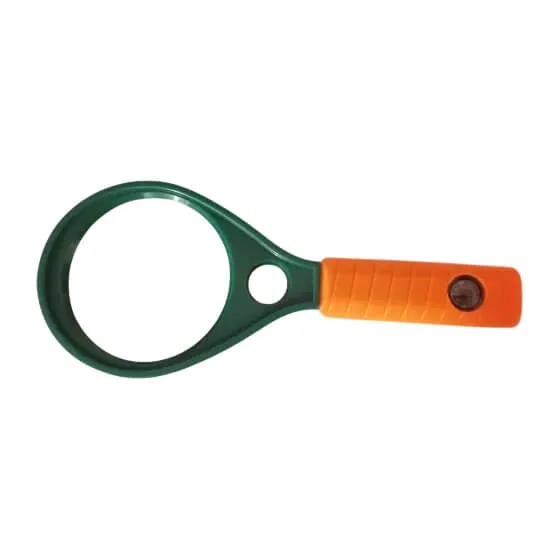
If you are comparing Magnifying Glass vs Reading Glasses, the main difference is simple: reading glasses help both eyes focus on close text, while a magnifying glass makes a small area look larger. Both can help with everyday reading, but they work in very different ways.
For seniors, the better choice depends on the task. Reading glasses are usually more practical for regular reading, while a magnifying glass can be useful for small print, labels, maps, hobbies, and other tasks that need extra enlargement.
Quick Comparison
Reading glasses are generally more useful for people who want hands-free help with books, newspapers, menus, or other close reading. They are worn like normal glasses and allow both hands to remain free.
A magnifying glass is more useful when a particular item is too small to see clearly even with reading glasses. It provides extra enlargement without requiring prescription-style correction.
Simple rule: Reading glasses improve close-up focus. A magnifying glass makes the object itself look larger.
Magnifying Glass vs Reading Glasses At a Glance
The two tools solve different problems, so the right choice depends on how you plan to use them.
| Feature | Magnifying Glass | Reading Glasses |
|---|---|---|
| Main purpose | Enlarges small objects or text | Helps focus on close objects |
| Hands-free use | No, in most designs | Yes |
| Best for | Small print and detailed tasks | Books, newspapers, menus |
| Magnification | Can provide strong enlargement | Provides optical correction |
| Portability | Usually easy to carry | Very easy to carry |
| Learning curve | Very low | Very low |
| Field of view | Usually limited | More natural viewing |
| Long reading sessions | Can be tiring | Usually more practical |
| Fine-detail work | Useful | Less useful when extra enlargement is needed |
Magnifying Glass Review for Seniors
A magnifying glass is a simple tool for enlarging text and objects. It can be especially useful when normal print is too small for comfortable viewing.
Its biggest advantage is flexibility. You can move it over a label, prescription bottle, craft project, newspaper section, or other small object and enlarge only the area you need.
Ease of Use
A basic magnifying glass is simple to operate. There are no complicated settings, batteries, or controls on a standard model.
The user simply holds the lens at a suitable distance from the object. Finding the clearest position may take a little practice.
Hand strength can matter, too. A handheld model requires the user to keep holding it during use.
Key Strengths
- Provides extra enlargement when small print is difficult to see.
- Simple to operate.
- Useful for detailed hobbies and crafts.
- Can be shared between household members.
- Does not require wearing glasses.
- Works for objects as well as printed text.
Potential Drawbacks
- Usually requires one hand.
- Holding it for a long time may become tiring.
- The viewing area can be limited.
- Moving the lens too far from the ideal position can reduce clarity.
- A handheld model may be inconvenient when both hands are needed.
Reading Glasses Review for Seniors
Reading glasses are designed to make close-up tasks easier by providing optical correction for near vision. They are worn like regular glasses and leave both hands available.
For everyday reading, this hands-free design can be a major practical advantage.
Ease of Use
Reading glasses are simple to put on and remove. Once the appropriate strength is selected, there are no controls or settings to manage.
They can be especially convenient for reading books, newspapers, recipes, menus, letters, and other printed material.
The main challenge is choosing a suitable strength and fit. If the glasses do not provide a comfortable level of clarity, another strength or professional eye-care advice may be needed.
Key Strengths
- Hands-free operation.
- Convenient for regular reading.
- Easy to carry.
- Natural for reading larger areas of text.
- No need to hold a lens.
- Can be worn whenever close-up reading is needed.
Potential Drawbacks
- They may not provide enough enlargement for extremely small details.
- The wrong strength may make close work uncomfortable.
- Fit and lens quality can affect comfort.
- They are mainly intended for close-up viewing rather than enlarging objects like a handheld lens.
Which Is Easier for Seniors to Use?
For normal reading, reading glasses are often easier because they do not need to be held. This leaves both hands free to hold a book, turn pages, write, or perform another task.
A magnifying glass can be easier when the main problem is very small detail rather than general close-up focus.
| Use Case | More Practical Option | Why |
|---|---|---|
| Reading a book | Reading glasses | Hands-free viewing |
| Reading a small label | Magnifying glass | Extra enlargement |
| Reading a newspaper | Reading glasses | Covers a wider viewing area |
| Examining tiny details | Magnifying glass | More targeted enlargement |
| Doing crafts | Magnifying glass | Useful for fine details |
| Reading a menu | Reading glasses | Easy for longer viewing |
| Checking small print | Magnifying glass | Can enlarge specific text |
A senior who has limited hand strength may prefer the hands-free nature of reading glasses for routine reading. However, this does not mean a magnifying glass is unsuitable for seniors. The best choice depends on the task.
Performance Comparison
The two products perform different optical jobs, so performance should be judged by the type of task.
Reading glasses are designed for close-up focus. They can make ordinary reading more comfortable when near vision needs additional correction.
A magnifying glass physically enlarges the appearance of text or objects. This makes it useful when the user needs more detail than ordinary reading glasses provide.
If you need to read an entire page, reading glasses are usually more practical. If you need to inspect one tiny area, a magnifying glass may be more useful.
Comfort, Accessibility, and Senior-Friendly Design
Comfort depends on how the product is used. Reading glasses can be convenient because they stay in place while the user reads.
A magnifying glass may require more hand movement. The user needs to hold and position the lens while keeping the object within a useful viewing distance.
| Senior Need | Magnifying Glass | Reading Glasses |
|---|---|---|
| Hands-free use | Limited | Strong advantage |
| Long reading | Less convenient | More convenient |
| Small details | Strong advantage | Limited |
| Simple operation | Strong | Strong |
| Hand movement | More required | Very little |
| Portability | Good | Excellent |
| Whole-page reading | Less practical | More practical |
For seniors with hand or dexterity concerns, the amount of holding and repositioning required is worth considering.
Features Comparison
The useful features are different because these are not direct substitutes in every situation.
| Feature | Magnifying Glass | Reading Glasses |
|---|---|---|
| Enlargement | Main function | Not the main function |
| Hands-free use | Usually no | Yes |
| Lens positioning | Required | Not normally required |
| Close reading | Useful | Main purpose |
| Fine detail | Very useful | Less useful |
| Storage | Simple | Simple |
| Maintenance | Basic lens cleaning | Basic lens cleaning |
Some magnifying glasses also come in specialized designs, such as larger lenses or models intended for detailed work. Reading glasses can also vary in lens strength and frame design.
The specific features depend on the product, so buyers should check the actual model rather than assuming every magnifying glass or pair of reading glasses is identical.
Price, Maintenance, and Long-Term Value
Both products can be relatively simple to maintain. The lenses should be kept clean and stored where they will not be scratched or damaged.
The bigger value question is frequency of use.
If you read every day, reading glasses may provide more practical value because they are designed for routine close-up viewing. If you only occasionally need to inspect tiny print or small details, a magnifying glass can be a useful low-complexity tool.
| Cost Factor | Magnifying Glass | Reading Glasses |
|---|---|---|
| Initial cost | Varies by design | Varies by lens and frame |
| Maintenance | Basic cleaning | Basic cleaning |
| Replacement | Usually simple | Depends on condition and fit |
| Accessories | Some models may include cases or stands | Cases may be useful |
| Long-term value | Strong for occasional detail work | Strong for frequent reading |
Avoid choosing based only on the lowest price. The better value is the tool that matches the user’s most common task.
Who Should Choose a Magnifying Glass?
A magnifying glass may be a better fit for someone who:
- Needs extra enlargement for tiny print.
- Examines labels, maps, stamps, or small objects.
- Enjoys crafts or detailed hobbies.
- Wants a simple tool without wearing glasses.
- Only needs magnification occasionally.
- Needs to enlarge one specific area rather than an entire page.
A model with a comfortable handle may be worth considering if the user expects to hold it for more than a few minutes at a time.
Who Should Choose Reading Glasses?
Reading glasses may be a better fit for someone who:
- Reads books or newspapers often.
- Wants both hands free.
- Reads menus, recipes, letters, or magazines.
- Wants a simple everyday reading solution.
- Prefers not to hold a lens while reading.
- Needs comfortable viewing across a larger area of text.
For frequent reading, the hands-free design can make a noticeable difference.
Magnifying Glass vs Reading Glasses — Final Verdict
There is no single winner for every user because these products perform different jobs.
Best for everyday reading: Reading glasses
Best for very small details: Magnifying glass
Best for hands-free use: Reading glasses
Best for targeted enlargement: Magnifying glass
Best for detailed hobbies: Magnifying glass
Best for reading larger areas of text: Reading glasses
The key difference is simple: reading glasses help your eyes focus on close objects, while a magnifying glass enlarges the object you are looking at.
Scoring Summary
Scores can be misleading here because the products are designed for different purposes. A direct 10-point winner would make the comparison look more precise than it really is.
| Category | Magnifying Glass | Reading Glasses |
|---|---|---|
| Everyday reading | Good | Excellent fit |
| Small-detail work | Excellent fit | Limited |
| Hands-free use | Limited | Excellent |
| Simplicity | Excellent | Excellent |
| Portability | Good | Excellent |
| Targeted enlargement | Excellent | Limited |
The table is best viewed as a task-based comparison, not a universal product rating.
How We Evaluate Products
This comparison focuses on practical factors that matter during everyday senior use.
The main areas are ease of use, accessibility, comfort, portability, maintenance, and how well each option fits common close-up tasks.
No hands-on testing is claimed here. Product-specific specifications can vary, so buyers should check the details of the actual model before purchasing.
Senior-Specific Buying Considerations
The right choice becomes easier when you focus on the actual task.
Physical Effort
Think about whether the user will need to hold and reposition a magnifying glass for long periods. For regular reading, hands-free glasses may require less physical effort.
Controls
Basic versions of both products are simple. A magnifying glass generally has no controls, while reading glasses simply need to be put on.
Maintenance
Both require basic lens care. Keep lenses clean and avoid storing them where they can become scratched.
Storage
Both are small enough for convenient storage. A case can help protect either type of lens when not in use.
Setup
Neither normally requires complicated setup. The main consideration is finding the correct reading-glass strength or learning the best viewing distance for a magnifying glass.
Safety
Avoid using either product while walking or performing activities that require full environmental awareness. A magnifying glass can also focus sunlight under certain conditions, so it should not be left where sunlight can pass through the lens and create a fire hazard.
Common Buying Mistakes
Avoid these common mistakes when choosing between the two:
- Buying a magnifying glass for long reading sessions without considering hand fatigue.
- Choosing reading glasses when the real need is strong enlargement of tiny details.
- Selecting reading glasses only because the stated magnification number looks higher.
- Ignoring frame comfort and fit.
- Choosing a very small magnifying lens for tasks that require a wider viewing area.
- Assuming one product can replace the other for every close-up task.
The best choice starts with the task, not the product name.
Conclusion
Magnifying Glass vs Reading Glasses is less about choosing a universal winner and more about choosing the right optical tool. Reading glasses are generally more practical for regular, hands-free reading, while a magnifying glass is useful when small text or detailed objects need additional enlargement.
For seniors, caregivers, and family members, the most important question is simple: Does the user need better close-up focus, or does the user need the object itself to appear much larger? That answer will usually point toward the more useful option.