
Walker vs Wheelchair: Which Is Better for Seniors?


Reacher Grabber Tool

Emergency SOS Phone

Button Hook Dressing Aid
Walker vs Wheelchair is an important choice for seniors who need help getting around. The two aids work in very different ways. A walker supports a person who can still walk. A wheelchair helps when walking is very hard, unsafe, or not practical.
The right choice depends on walking ability, balance, strength, daily activities, and the places where the mobility aid will be used. A healthcare professional or physical therapist can also help with the choice and proper fit.
Quick Comparison
A walker is usually better for a senior who can walk safely but needs extra support. It can help with balance and stability while keeping the person on their feet.
A wheelchair may be better when walking is not possible or is too difficult for longer distances. It can reduce the physical effort needed to move from place to place.
The key question is not which product is better. It is which mobility aid matches the person’s current needs.
Walker vs Wheelchair At a Glance
Both can improve mobility, but they support movement in different ways.
| Feature | Walker | Wheelchair |
|---|---|---|
| Main purpose | Walking support | Seated mobility |
| Walking ability | User can usually walk | User may have limited or no safe walking ability |
| Balance support | Strong | Not designed for walking balance |
| Physical effort | Moderate to high | Lower for the user during movement |
| Short indoor trips | Often useful | Useful when walking is difficult |
| Longer distances | Can be tiring | Often more practical |
| Storage | Usually easier | Needs more space |
| Caregiver help | Often less | May be needed, depending on user |
| Portability | Often easier | Varies by wheelchair type |
Walker Review for Senior-Friendly Use
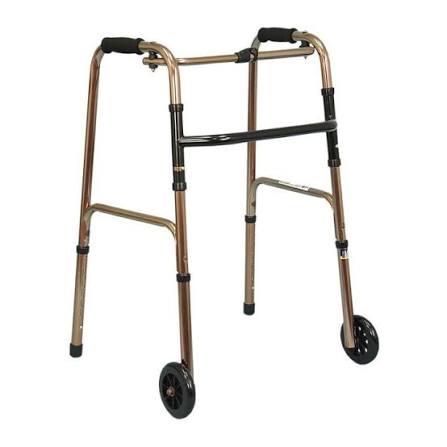
A walker is designed to give extra support during walking. It can be useful for a senior who has reduced balance or needs more stability while moving around the home or outside.
The NHS notes that walking frames provide more support than walking sticks. Some frames have wheels, seats, baskets, or trays. Different designs suit different situations.
Ease of Use
A walker can be simple to use once it is correctly fitted. The user holds the handles and moves the frame while walking.
However, the user still needs enough strength and balance to control the walker. A poor fit can also make the device harder or less safe to use. MedlinePlus recommends proper fitting for walkers and notes that some mobility aids require adequate upper-body strength or balance.
Key Strengths
- Supports walking and balance
- Can help with short trips around the home
- Many models are easy to store
- Some models include wheels
- Some rollators include a seat for rest
- Can help maintain walking independence
Potential Drawbacks
- Requires the user to remain able to walk
- Can be tiring over long distances
- Some models are harder to lift
- Wheels and tips need regular checking
- May be difficult to use on some uneven surfaces
Wheelchair Review for Senior Mobility
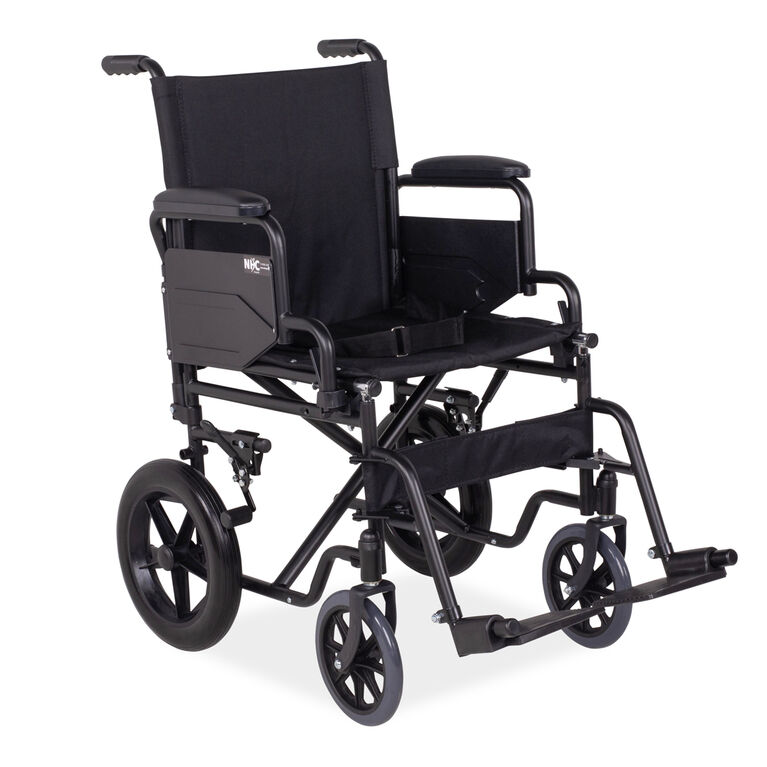
A wheelchair provides a different type of mobility support. Instead of helping the user walk, it allows the person to move while seated.
Wheelchairs can be useful for people who struggle to walk or cannot walk safely. The NHS also recommends an assessment when choosing a wheelchair because the right type depends on individual needs.
Ease of Use
A wheelchair can reduce the effort needed for longer trips. This can be useful when standing or walking for extended periods is difficult.
The exact effort depends on the wheelchair. Some require the user to propel the chair. Others may be pushed by a caregiver or use powered assistance.
The chair also needs enough space for safe movement. Doorways, ramps, flooring, and storage should be considered before choosing one.
Key Strengths
- Allows seated movement
- Useful when walking is very difficult
- Can make longer trips easier
- May reduce walking-related fatigue
- Different wheelchair designs suit different needs
- Can support community mobility
Potential Drawbacks
- Requires more storage space than most walkers
- Some users need caregiver assistance
- Not every home is easy to navigate with a wheelchair
- Transport can require extra planning
- Proper fitting and assessment are important
Which Is Easier for Seniors to Use?
There is no universal answer.
A walker may be easier for a senior who has enough strength and balance to walk. It keeps the person moving on their feet and can provide useful support during short trips.
A wheelchair may be easier when walking itself takes too much effort. It can also be more practical for longer distances.
Think about the distance, not just the device.
A senior who walks safely around the home may prefer a walker but use a wheelchair for a long outing. Mobility needs can also change from day to day.
The National Institute on Aging recommends using the correct size walking aid and getting help from a physical or occupational therapist when choosing and learning to use one.
Performance Comparison
The main performance difference is simple. A walker supports walking. A wheelchair supports seated movement.
| Performance Area | Walker | Wheelchair |
|---|---|---|
| Walking support | Excellent | Not the main purpose |
| Seated mobility | Limited | Excellent |
| Short walking trips | Strong choice | Useful if walking is difficult |
| Long-distance mobility | Can be tiring | Often more practical |
| Balance assistance | Strong | Not designed for walking balance |
| User physical effort | Higher | Usually lower while seated |
For a person who can walk safely, a walker may provide useful support without replacing walking. For someone who cannot safely walk enough for daily activities, a wheelchair may offer more practical mobility.
Comfort, Accessibility, and Senior-Friendly Design
Comfort depends on fit and the user’s abilities.
A walker should be the correct height. Its handles should be comfortable to grip. Wheels and tips should work properly.
A wheelchair should provide suitable seating and enough support for the user’s needs. The chair should also fit through important doorways and work with the user’s home environment.
Accessibility matters just as much as the device itself. A narrow hallway may be easy to navigate with a walker but difficult with a wheelchair. On the other hand, stairs and long distances may make a walker impractical.
Features Comparison
The most useful features depend on how the mobility aid will be used.
| Feature | Walker | Wheelchair |
|---|---|---|
| Wheels | Optional or common | Standard |
| Seat | Available on some rollators | Built in |
| Basket or storage | Available on some models | Varies |
| Folding design | Common | Available on many models |
| Brakes | Common on rollators | Common |
| Portability | Often easier | Depends on design |
| Outdoor use | Depends on terrain and model | Depends on chair and terrain |
Avoid paying for features that do not solve a real need. A simple walker may be enough for one person. Another person may need a wheelchair with features suited to daily use.
Price, Maintenance, and Long-Term Value
Price varies widely by design and features. It is better to compare the total cost than the purchase price alone.
For a walker, check:
- Replacement tips
- Wheels
- Brakes
- Seat or basket parts
- Folding mechanism
- Frame condition
For a wheelchair, consider:
- Tires and wheels
- Brakes
- Seat components
- Cushions
- Footrests
- Battery costs for powered models
- Transport requirements
The NHS lists walking-frame prices in its UK guidance but also notes that different people need different types of frames and wheelchairs. Prices can vary by market and model, so a current local price should be checked before buying.
Who Should Choose a Walker?
A walker may be a better fit for a senior who:
- Can still walk but needs more stability
- Wants support around the home
- Needs help with balance
- Can manage the physical effort of walking
- Wants a mobility aid that is usually easy to store
- Needs support for short trips
A walker is not automatically safer simply because it allows walking. Correct fit and proper use matter.
Who Should Choose a Wheelchair?
A wheelchair may be a better fit for a senior who:
- Cannot walk safely for useful distances
- Gets tired quickly when walking
- Needs seated mobility
- Needs to travel longer distances
- Has mobility needs that make walking impractical
- Needs caregiver-assisted mobility
A wheelchair can also complement a walker rather than replace it. Some people may use different mobility aids for different situations.
Walker vs Wheelchair — Final Verdict
The better choice depends on the person’s mobility.
Better for supported walking: Walker
Better for seated mobility: Wheelchair
Better for short walking trips: Walker, when walking is safe
Better for longer trips when walking is difficult: Wheelchair
Better for a person who cannot safely walk: Wheelchair
The main difference is simple. A walker helps a person walk with support. A wheelchair helps a person move while seated.
How We Evaluate Products
For this comparison, the most useful factors are practical rather than cosmetic.
We look at:
- Ease of use
- Physical effort
- Balance and stability
- Comfort
- Accessibility
- Portability
- Maintenance
- Storage
- Safety
- Long-term practicality
This is a category comparison, not a hands-on product test. No laboratory or personal testing is claimed.
Senior-Specific Buying Considerations
Physical Effort
Think about how much walking the user can safely manage. A walker requires active movement. A wheelchair can reduce walking effort.
Controls
Check brakes, handles, footrests, and other controls. They should be easy for the user to understand and operate.
Maintenance
Check wheels, tips, brakes, tires, and moving parts. Small worn parts can affect safe use.
Storage
Measure the storage area first. A wheelchair usually needs more space than a basic walker.
Setup
Make sure the mobility aid can be adjusted correctly. Walker height is especially important.
Safety
Do not choose based on appearance alone. The user should be able to control the device safely.
If the correct mobility aid is unclear, a doctor, physical therapist, or occupational therapist can help assess the person’s needs.
Common Buying Mistakes
- Choosing only by price
- Ignoring the user’s walking ability
- Buying a walker without checking the height
- Forgetting to measure doorways and storage space
- Choosing too many unnecessary features
- Ignoring maintenance needs
Another common mistake is assuming one mobility aid must be used for every situation. A walker can work well for short trips while a wheelchair may be more useful for longer outings.
Safety
Safety should come before convenience.
For walkers, check that the tips or wheels touch the ground correctly. Keep the walker at a suitable distance and avoid cluttered walking paths. MedlinePlus provides specific guidance for safe walker use, including keeping the user’s feet inside the frame.
For both walkers and wheelchairs, the home environment matters. Loose rugs, cords, poor lighting, and uneven surfaces can increase fall risks. The National Institute on Aging recommends proper sizing and professional guidance when needed.
If a person has major balance problems, weakness, pain, or a recent injury, choosing a mobility aid should be discussed with an appropriate healthcare professional.
Conclusion
Walker vs Wheelchair is not really a contest between two competing products. They solve different mobility problems.
A walker can be a practical choice for a senior who can still walk and wants extra stability. A wheelchair may be more suitable when walking is too difficult, unsafe, or tiring for longer trips.
The best starting point is the user’s actual mobility needs. Consider walking ability, balance, strength, distance, home layout, comfort, and safety before choosing.