
Fitbit vs Samsung Galaxy Smartwatch for Seniors: Which?


Shiatsu Neck Massager

Adjustable Bed Frame
Medical Alert System
Fitbit vs Samsung Galaxy smartwatch for seniors is really a choice between a simpler health-focused experience and a more complete smartwatch experience. Fitbit models such as the Versa 4 and Sense 2 focus heavily on fitness, sleep, activity, and wellness tracking, while Samsung Galaxy Watch models offer a wider range of apps, communication tools, health features, and smart functions.
For many older adults, the better choice depends on how much smartwatch functionality they actually want. Fitbit can make sense for someone who mainly wants activity and health tracking with less frequent charging. Samsung Galaxy Watch can be a better fit for someone who wants calls, messages, apps, emergency features, and a more traditional smartwatch experience.
Quick Comparison
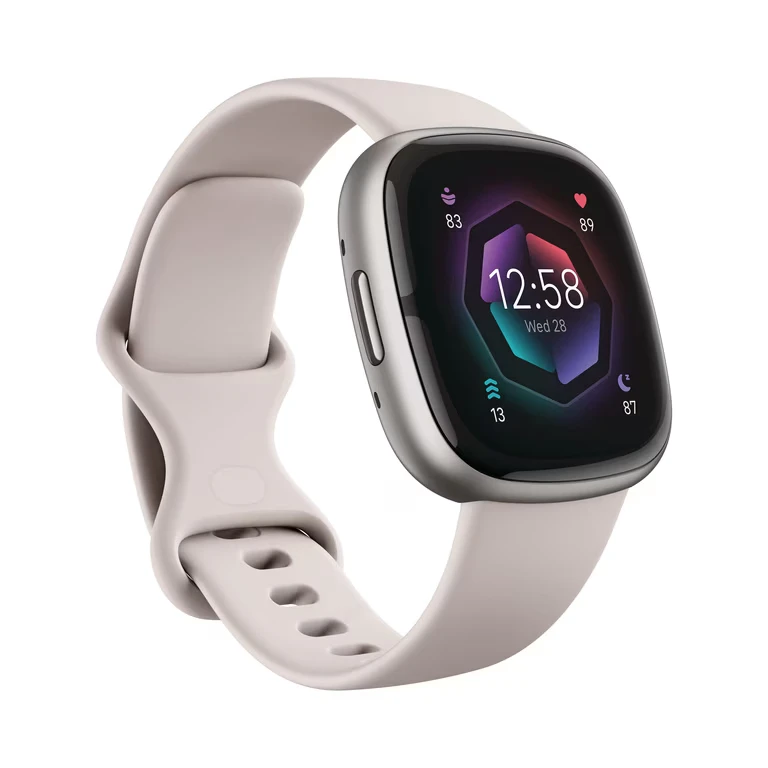
Fitbit is generally the simpler option for seniors who mainly want fitness, sleep, heart-rate, and wellness tracking. Current Fitbit models such as Versa 4 offer 6+ days of battery life and work with both Android and iPhone.
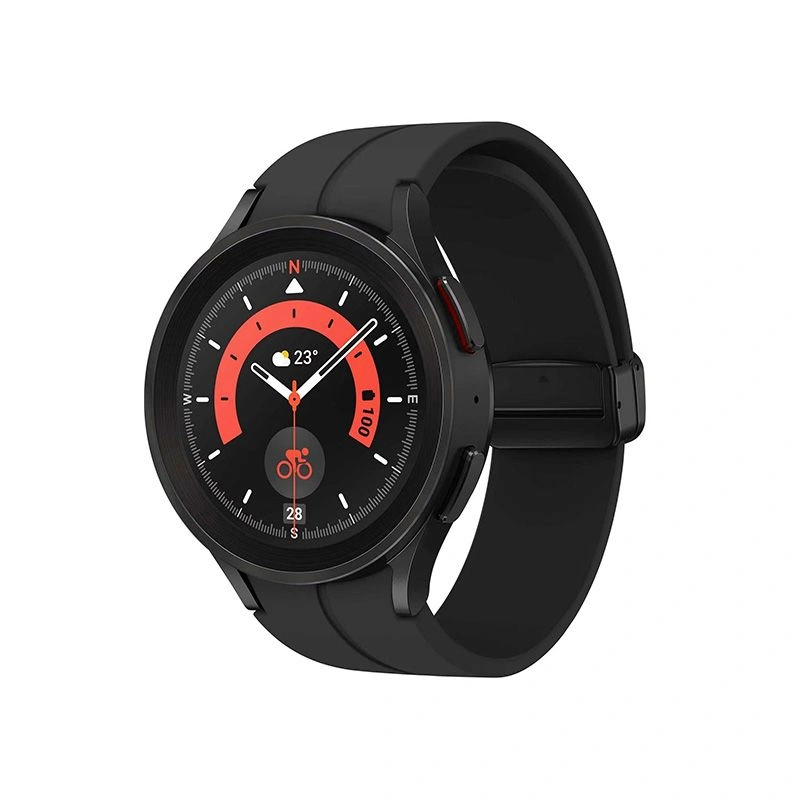
Samsung Galaxy Watch offers a broader smartwatch experience. Current Galaxy Watch models include features such as fall detection, SOS, health tracking, GPS, apps, and optional LTE connectivity.
The important difference is simplicity versus smartwatch functionality.
Fitbit vs Samsung Galaxy At a Glance
The table below focuses on features that can affect everyday use for an older adult.
| Feature | Fitbit | Samsung Galaxy Watch |
|---|---|---|
| Main focus | Fitness and wellness | Smartwatch + health + fitness |
| Battery | 6+ days on Versa 4/Sense 2 | Around 30 hours with AOD on for Galaxy Watch8 |
| Phone compatibility | Android and iPhone | Primarily Android; some features require Samsung phones |
| Sleep tracking | Yes | Yes |
| Heart tracking | Yes | Yes |
| GPS | Available on models such as Versa 4 and Sense 2 | Built-in GPS |
| Fall detection | Model-dependent | Available on current Galaxy Watch models |
| Calls and notifications | Yes, with phone nearby | Yes; LTE models offer greater independence |
| App ecosystem | More limited | Broader smartwatch app experience |
| Ease of use | Generally simpler | More feature-rich |
| Charging frequency | Less frequent | More frequent |
Samsung lists Galaxy Watch8 in 40 mm and 44 mm sizes, with GPS, Bluetooth/LTE options, and SOS/fall detection. Fitbit Versa 4 and Sense 2 list 6+ day battery life.
Fitbit Is Simple and Health-Focused
Fitbit’s appeal for seniors comes from its focus on health, activity, sleep, and everyday wellness rather than trying to pack every possible smartwatch feature onto the wrist.
Ease of Use
Fitbit models such as Versa 4 have a color touchscreen, lightweight design, and features such as reminders to move, sleep tracking, stress information, and notifications.
A 37.64 g Versa 4 or Sense 2 is relatively light, which may make it comfortable for long periods of wear.
Setup still requires a compatible phone and Google account. Fitbit currently supports Android 11 or higher and iOS 16.4 or higher through the Fitbit app.
Key Strengths
- Long 6+ day battery life on Versa 4 and Sense 2
- Lightweight design
- Strong sleep and activity tracking
- Works with Android and iPhone
- Built-in GPS on Versa 4 and Sense 2
- Simple wellness-focused experience
- Fast charging can reduce the inconvenience of low battery
Potential Drawbacks
- Fewer smartwatch functions than a full Galaxy Watch
- Some advanced Fitbit/Google Health features may depend on subscriptions or account services
- The experience is less suited to someone wanting many apps and advanced phone-like features
Samsung Galaxy Watch Offers More Smart Features
Samsung Galaxy Watch is aimed at people who want more than fitness tracking. Current models combine health tracking with communication, apps, GPS, notifications, and other smartwatch functions.
Ease of Use
Galaxy Watch can be very useful, but its larger feature set can also mean more menus, settings, apps, and notifications to manage.
Galaxy Watch8 comes in 40 mm and 44 mm sizes. Samsung also lists a bright display reaching up to 3,000 nits, which can help with visibility in bright outdoor conditions.
Key Strengths
- Broad smartwatch functionality
- Bright, easy-to-see display on current models
- Built-in GPS
- Calls and messages
- Optional LTE connectivity
- SOS and fall detection on current models
- Extensive health and fitness tracking
- Access to apps and Google services
Potential Drawbacks
- Much shorter battery life than Fitbit’s 6+ day claim
- More features can mean a steeper learning curve
- Some features depend on the phone and Samsung ecosystem
- More frequent charging may be inconvenient for some seniors
Which Is Easier for Seniors to Use?
For a senior who mainly wants to check steps, sleep, heart rate, workouts, and daily activity, Fitbit’s focused approach may feel easier.
Samsung Galaxy Watch offers more controls and functions. That can be useful for an older adult who enjoys technology, but unnecessary features can also make the watch feel more complicated.
Simple rule: If the goal is mainly health and activity tracking, Fitbit keeps the experience focused. If the goal is health tracking plus a full smartwatch, Galaxy Watch offers more.
Phone compatibility is also important. Fitbit supports both Android and iPhone, while Galaxy Watch8 is designed for Android and Samsung notes that some features require Galaxy smartphones.
Performance Comparison
Both brands provide strong tracking, but they approach the smartwatch experience differently.
Fitbit Versa 4 and Sense 2 provide activity tracking, sleep information, heart-rate data, and GPS-related functions. Google also lists Fitbit devices such as Sense 2 and Versa 4 among devices supported by the Google Health ecosystem.
Samsung Galaxy Watch8 goes further with activity tracking, sleep tracking, heart monitoring, GPS, body composition, and other health features. Samsung also lists ECG, irregular heart rhythm notifications, and blood-pressure monitoring on supported configurations and markets.
For basic daily fitness, either can cover the important areas. Galaxy Watch has the broader feature set.
Comfort, Accessibility, and Senior-Friendly Design
Comfort matters because a smartwatch is most useful when the wearer actually keeps it on.
Fitbit Versa 4 and Sense 2 weigh about 37.64 g and are designed for extended wear. Their 6+ day battery claim also means fewer charging interruptions.
Galaxy Watch8 is available in smaller 40 mm and larger 44 mm sizes. Samsung says the Watch8 is 8.6 mm thick and uses a Dynamic Lug System designed for a closer fit.
For seniors with smaller wrists, either brand should be considered in the appropriate case size. For someone who dislikes frequent charging, Fitbit has a clear practical advantage based on the published battery claims.
Fitbit vs Samsung Galaxy Features
The biggest differences become clearer when looking beyond basic step and heart-rate tracking.
| Feature | Fitbit | Samsung Galaxy Watch |
|---|---|---|
| Sleep tracking | Strong focus | Strong focus |
| Activity tracking | Yes | Yes |
| GPS | Model-dependent | Built-in |
| ECG | Available on supported models/markets | Available on supported models/markets |
| Fall detection | Not the main focus | Available on current Galaxy Watch models |
| LTE | Model-dependent | Available on selected models |
| Voice assistant | Alexa on Versa 4 | Google Gemini on supported current models |
| Apps | More limited | Broader ecosystem |
| Battery | 6+ days on Versa 4/Sense 2 | Around 30 hours AOD on Galaxy Watch8 |
Samsung says Galaxy Watch8 includes Google Gemini and LTE options, while Fitbit Versa 4 includes Alexa, Google Maps, Google Wallet, notifications, and Find My Phone.
Price, Maintenance, and Long-Term Value
Prices can change by model, retailer, region, and promotion, so a fixed price comparison can become outdated quickly.
Fitbit generally has an advantage when the buyer wants a lighter health-focused watch without needing a large smartwatch ecosystem. Versa 4’s current Google Store listing also shows a lower listed price than Sense 2, although actual retail pricing can vary.
Galaxy Watch can offer more functions for the money if the user will actually use calls, apps, LTE, advanced health tools, navigation, and smartwatch features.
The biggest long-term issue is charging. Fitbit’s 6+ day battery claim can mean fewer charging routines, while Samsung’s Galaxy Watch8 is rated for up to 30 hours with Always-On Display enabled.
Who Should Choose Fitbit?
Choose Fitbit if:
- You mainly want steps, sleep, heart rate, and activity tracking.
- You prefer fewer charging sessions.
- You use an iPhone or Android phone.
- You want a lightweight watch.
- You prefer a focused health and fitness experience.
- You do not need a large smartwatch app ecosystem.
- Simple daily tracking matters more than advanced smartwatch features.
Who Should Choose Samsung Galaxy Watch?
Choose Samsung Galaxy Watch if:
- You want a full smartwatch rather than mainly a fitness watch.
- Calls, messages, apps, and notifications matter.
- You want optional LTE connectivity.
- Fall detection and SOS features are important to your use case.
- You want a bright display and broad smartwatch functionality.
- You already use a compatible Android or Samsung phone.
- You want more advanced health and fitness features.
Fitbit vs Samsung Galaxy — Final Verdict
There is no single choice that fits every senior.
For simpler health and fitness tracking: Fitbit is the more focused option.
For a fuller smartwatch experience: Samsung Galaxy Watch offers more functionality.
For battery life: Fitbit has the stronger published claim, with Versa 4 and Sense 2 rated at 6+ days compared with Galaxy Watch8’s up to 30 hours with AOD on.
For smartwatch features: Samsung Galaxy Watch has the broader feature set.
For iPhone users: Fitbit is the more straightforward choice because Fitbit supports iOS, while Galaxy Watch8 is designed for Android.
Scoring Summary
The scores below are editorial comparisons based on the documented features above, not laboratory test results.
| Category | Fitbit | Samsung Galaxy Watch |
|---|---|---|
| Ease of Use | 9/10 | 8/10 |
| Senior-Friendly Design | 9/10 | 9/10 |
| Health Tracking | 9/10 | 10/10 |
| Battery Convenience | 10/10 | 7/10 |
| Smartwatch Features | 7/10 | 10/10 |
| Overall Flexibility | 8/10 | 10/10 |
These scores should be read as a summary of the comparison rather than a claim that one brand is universally better.
How We Evaluate Products
For senior-focused comparisons, the most useful factors are practical ones: ease of use, comfort, display visibility, battery requirements, phone compatibility, health and safety features, maintenance, and long-term usefulness.
We do not treat manufacturer marketing claims as independent test results. The comparison above uses published product information and focuses on how those features may affect everyday use.
Senior-Specific Buying Considerations
Before choosing either smartwatch, check these points.
Phone Compatibility
Make sure the watch works properly with the phone already being used. This can prevent setup problems later.
Battery Routine
Think about whether charging every day is acceptable. A longer battery can be useful for someone who may forget to charge small electronics regularly.
Display
A bright, readable display can make checking steps, notifications, and other information easier.
Controls
Consider whether the user is comfortable with touchscreen menus, swipes, notifications, and changing settings.
Safety Features
If fall detection or emergency communication is important, check the exact model and regional availability before buying. Samsung lists SOS and fall detection on current Galaxy Watch models.
Health Features
Health sensors can provide useful information, but smartwatch readings should not be treated as a diagnosis. Samsung itself describes health-monitoring functions as tools for monitoring rather than replacing professional medical care.
Common Buying Mistakes
Avoid these mistakes when comparing Fitbit and Samsung Galaxy Watch:
- Buying a feature-heavy watch that the user does not need.
- Ignoring phone compatibility.
- Choosing based only on the number of health features.
- Forgetting how often the watch needs charging.
- Buying the wrong case size.
- Assuming every health feature works in every country or on every phone.
Safety
Smartwatches contain batteries and electronic components, so follow the manufacturer’s charging and care instructions.
Health features also need careful interpretation. ECG, blood-pressure, heart-rhythm, oxygen, and similar measurements can have limitations and may vary by model, country, software, and regulatory availability. They should not replace professional medical advice.
For a senior using a smartwatch because of a specific medical concern, it is sensible to discuss the relevant feature with a healthcare professional rather than relying on the watch alone.
Conclusion
Fitbit and Samsung Galaxy Watch serve different priorities. Fitbit models such as Versa 4 and Sense 2 emphasize lightweight design, long battery life, sleep, activity, and wellness tracking. Samsung Galaxy Watch provides a broader smartwatch experience with communication, apps, GPS, safety features, and a wider collection of health tools.
For seniors who want a straightforward health and fitness watch with less frequent charging, Fitbit may be the simpler fit. For those who want their watch to do much more than track activity, Samsung Galaxy Watch provides the broader smartwatch experience.
