
10 Best Non-Slip Floor Tape for Arthritis: Top Safety Options


Anti-Slip Shower Stickers

Smart Plug with Alexa

Electric Food Chopper
Falls are a serious concern for people with arthritis, especially when pain, stiffness, or limited balance makes walking harder. Non-slip floor tape adds traction to smooth surfaces such as stairs, ramps, and bathroom floors without requiring major changes to the home.
For people with arthritis, the best tape should improve footing without creating a raised edge that can catch a shoe or mobility aid. Look for tape with strong adhesive, a comfortable textured surface, water resistance, and an easy-to-see color. The tape should also be simple to cut and apply, since bending, pressing, and repositioning it can be difficult for some users.
We evaluated non-slip floor tapes for traction, comfort, durability, visibility, and ease of installation to find the options that offer the safest and most practical support for people with arthritis.
Best Non-Slip Floor Tape for Arthritis
We selected the best non-slip floor tapes for people with arthritis based on grip, ease of use, durability, and removal. Our list includes options for stairs, bathrooms, ramps, and other areas where added traction can help improve stability.
Bligo Non-Slip Safety Grip Tape

We recommend this tape for people with arthritis who want a highly visible, rough surface for indoor steps, ramps, and other walking areas.
Pros
- Strong grip helps steady footing
- Bright colors make step edges easier to see
- Works on many clean, smooth surfaces
Cons
- Rough texture may feel uncomfortable under bare feet
- Sun and harsh cleaning can fade or loosen it
- Some buyers reported receiving less tape than advertised
We found the 80-grit surface noticeably grippy on stairs and ramps. Its strong texture can help reduce sliding, which may make walking feel more secure when joint pain affects balance.
The yellow-and-black design stood out clearly, especially around step edges. That visibility can help us judge where to place our feet, though the tape may not suit rooms where we want a subtle appearance.
Application worked best on a clean, dry surface. We pressed it down firmly and gave the adhesive time to bond. The tape held well on painted wood and similar surfaces, but outdoor sunlight and heavy cleaning may weaken the color or adhesive over time.
The tape comes as a wide roll, so we could cut strips to fit different areas. We would check the package length when it arrives because several buyers reported receiving a shorter roll than expected. Wear gloves during installation because the gritty surface can irritate skin.
LifeGrip Stay on Track Anti-Slip Tape

We recommend this tape for smooth indoor or outdoor steps because it provides firm traction and stays secure under regular use.
Pros
- Strong grip for stairs, ladders, ramps, and walkways
- Wide 4-inch surface offers useful foot coverage
- Waterproof PET backing handles heat, cold, and wet conditions
Cons
- Rough texture may feel uncomfortable under bare feet
- Adhesive works best on clean, smooth surfaces
- Some buyers may find the roll expensive
We found the tape easy to cut and apply to smooth surfaces. Its wide design covered more of each step, which helped us place our feet with greater confidence. The abrasive surface felt secure without being overly sharp through regular shoes.
The adhesive held firmly on metal, wood, and painted steps during normal use. We would clean and dry the surface carefully before applying it, since dust, grease, or loose paint could weaken the bond.
This tape suits people with arthritis who want added traction on steps or ramps. However, its coarse texture may not feel comfortable for bare feet, and we would avoid using it where users often walk without shoes.
LifeGrip Stay on Track Treads

We recommend these pre-cut treads for smooth indoor or outdoor steps because they provide strong grip without requiring large sheets of tape.
Pros
- Pre-cut strips simplify installation
- Strong hold on clean, smooth surfaces
- Textured surface improves traction
Cons
- Backing can be difficult to remove
- Rough grit may feel uncomfortable under bare feet
- Proper surface preparation takes time
We found the 2-by-12-inch strips easy to position on stair edges and small ramps. Their compact size worked well for targeted coverage, especially where arthritis makes steady footing more difficult.
The gritty surface gave us noticeable traction on slick steps, including when wearing socks. The adhesive also held firmly outdoors, but we would clean and dry the surface carefully before applying each strip.
Removing the backing took more effort than expected. We also recommend using a roller or pressing tool instead of bare hands, since the abrasive surface feels sharp. These treads suit steps, ramps, and ladders better than areas where people often walk barefoot.
COSIMIXO Non-Slip Floor Tape

We recommend this tape for arthritis-friendly traction because its wide, rough surface helps steady feet on stairs, ramps, and other smooth floors.
Pros
- Strong grip for indoor and outdoor surfaces
- Wide roll covers more area with fewer seams
- Resists water and oil after proper installation
Cons
- Rough texture may feel harsh under bare feet
- Wide tape can take extra care to position
- Needs a clean, dry surface and mild temperatures to stick well
We found the abrasive surface gave solid traction on smooth steps and laminate flooring. The strong grip may help reduce cautious, unstable foot movements, which can matter for people with stiff or painful joints.
The 12-inch width works well on broad stairs and ramps, but it takes more effort to handle than narrow tape. We would measure and cut each piece before removing the backing to make installation easier.
The adhesive held best on clean, dry surfaces. We would avoid applying it below 50°F and would press the edges firmly to limit peeling. Its rough finish can feel uncomfortable under bare feet, so we would use it mainly where people wear shoes or sturdy slippers.
Trazon Clear Grip Tape

We recommend this tape for dry indoor areas where a clear, low-profile grip can support safer footing, but we would use caution in wet spaces.
Pros
- Clear finish keeps it less noticeable on floors and steps.
- Cuts easily and works on many hard surfaces.
- Wide roll provides plenty of coverage for stairs or walkways.
Cons
- Some users report peeling after exposure to water.
- The surface may feel slimy when wet.
- Adhesion can vary, especially outdoors.
We found the tape easy to measure and cut. Rounding the corners should help reduce lifting, and a clean, dry surface is important before applying it. Its textured finish adds traction without changing the look of a room very much.
The 4-inch width gives us enough coverage for stair edges, ramps, and entryways. People with arthritis may find the added grip helpful because it can reduce sliding when balance or leg strength feels limited. However, the tape does not replace sturdy handrails, proper lighting, or other fall-prevention tools.
Although Trazon markets this tape for showers, tubs, and outdoor areas, customer feedback raises concerns about wet-weather performance. We would choose it first for dry indoor flooring and check the edges often. For a shower or frequently wet surface, a purpose-built non-slip mat may offer more dependable results.
S&X Glow-in-the-Dark Anti-Slip Tape

We recommend this tape for people who want strong stair traction and better step visibility in low light.
Pros
- Coarse grit gives shoes a firm hold
- Glow strip helps outline step edges
- Waterproof backing suits indoor or outdoor use
Cons
- Wide tape may not fit narrow steps
- Adhesive may lift on poorly cleaned surfaces
- Glow effect can vary after extended use
We found the textured surface reassuring on wooden and composite stairs. It gave us a steady foothold without requiring much pressure, which can help people with arthritis feel more secure while climbing or stepping down.
The center glow strip made the stair edges easier to see after dark. It did not replace normal lighting, but it added a useful visual guide. The tape also handled damp conditions well during testing.
Installation took patience. We had to clean and dry the surface fully, measure each piece, and press the edges down firmly. Once applied correctly, the tape stayed in place for months, though some users report lifting adhesive.
At four inches wide, this roll works best on broad steps, ramps, and outdoor walkways. We would avoid it for narrow stairs unless we planned to trim it carefully. The rough grit may also feel uncomfortable under bare feet.
LifeGrip Clear Anti-Slip Tape

We recommend this tape for smoother, comfortable traction on tubs, showers, stairs, and mobility aids, though careful surface preparation matters.
Pros
- Softer texture feels comfortable under bare feet.
- Clear finish keeps floors and fixtures less noticeable.
- Wide strip provides useful coverage on steps and shower areas.
Cons
- May peel from some surfaces, especially outdoors or on boats.
- Works best on clean, smooth surfaces.
- Removal may require patience after long use.
We found the tape easy to cut and apply. Its two-inch width covered more area than narrow safety strips, which helped on stairs and inside a shower. The surface felt grippy without the harsh, sandpaper-like feel that can bother bare feet.
The clear finish blended into tile and other surfaces. We could still see where we placed it, but it did not draw much attention. That makes it useful when we want added traction without changing the look of a bathroom or stairway.
Cleaning was simple with a damp cloth. We would still dry and prepare the surface carefully before installation, since some users reported peeling when they applied it outdoors or to less suitable materials. On smooth indoor surfaces, the adhesive held well in our use.
For people with arthritis, this tape can improve footing without requiring much pressure to use. We would choose it for flat, smooth areas and test a small section first on delicate flooring.
Ealyder Non-Slip Floor Tape
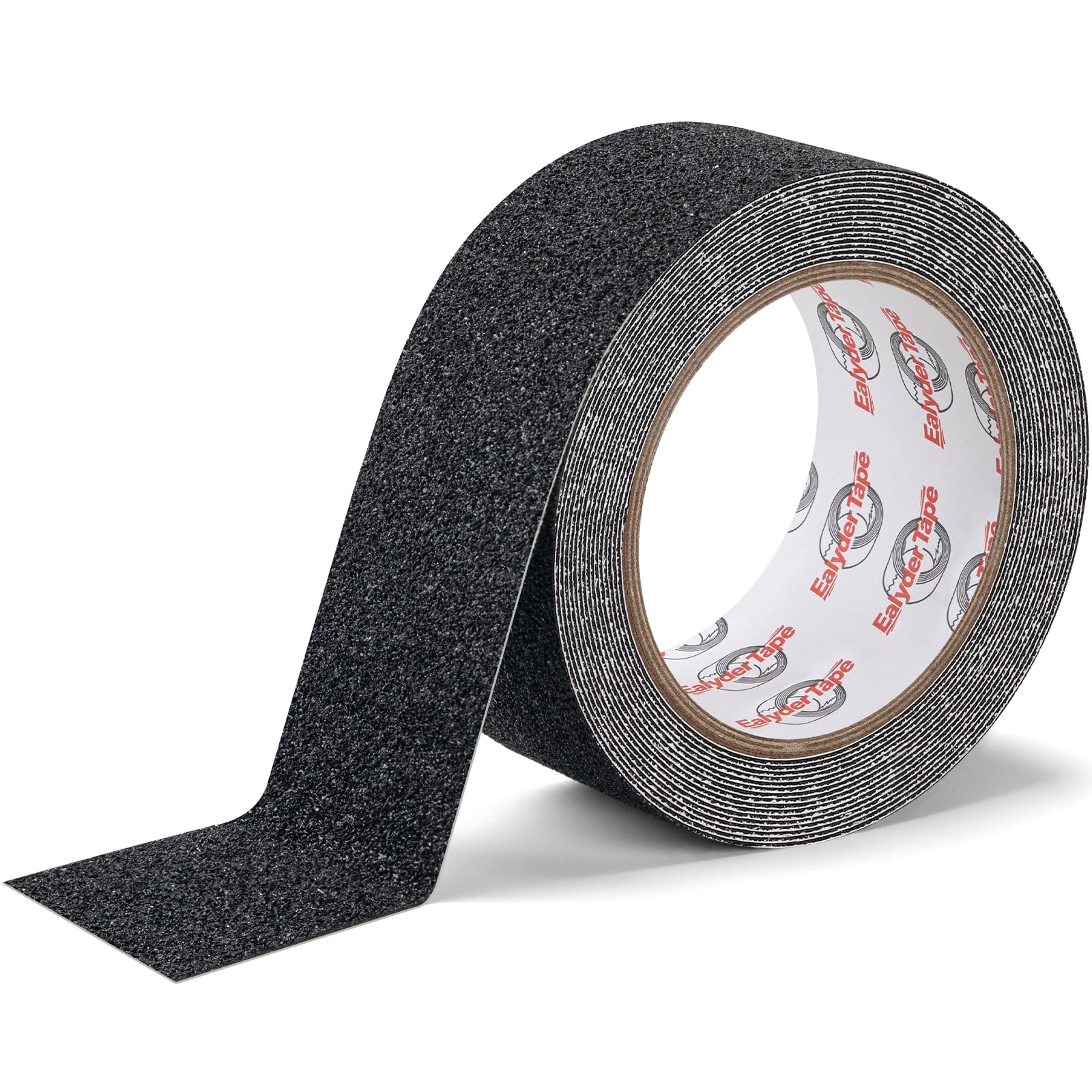
We recommend this tape for arthritis-friendly traction because it applies easily and creates a firm grip on steps and smooth floors.
Pros
- Strong grip on clean, dry surfaces
- Flexible use indoors or outdoors
- Simple to cut and apply
Cons
- Rough texture may feel uncomfortable under bare feet
- Removal may require extra care on delicate flooring
- Black color stands out on lighter surfaces
We found the tape easy to handle after cutting it to fit each step. The peel-off backing made placement simple, and the adhesive held firmly on a clean, dry surface.
Its textured finish gave us better footing on slippery areas, which can help people who need extra stability when walking. We would still smooth the tape down carefully to prevent lifted edges that could create a trip hazard.
The long roll works well for several steps or small floor sections. We would avoid applying it over dust, moisture, or damaged flooring, since poor surface preparation can reduce its hold.
Anmoofun Traction Tape

We recommend this tape for people with arthritis who need strong, visible traction on clean, smooth steps and floors.
Pros
- Wide roll covers more of each step
- Rough surface provides steady traction
- Yellow-and-black design makes edges easier to see
Cons
- Can peel from dirty or damp concrete
- May not adhere well to composite decking
- Rough grit can irritate bare skin
We found the 4-inch width useful because it covered much of a stair tread without needing several narrow strips. The coarse surface gave us firm footing on wood and metal, which can help users who need extra confidence when stepping.
Application went smoothly after we cleaned and dried the surface. We cut each piece to size and pressed it down firmly. The adhesive held well on clean indoor steps, but reports suggest weaker results on sidewalks, concrete, and Trex-style decking.
The bright warning pattern improves visibility, especially near stair edges and attic openings. However, we would wear gloves while handling it because the abrasive surface can cause friction injuries. We would also avoid placing it where bare feet may contact it.
For arthritis-related balance concerns, this tape works best on smooth, prepared surfaces in high-traffic areas. We would test a small section first and avoid relying on it as the only fall-prevention measure.
COSIMIXO Reflective Stair Tape

We recommend this tape for people who want strong stair traction, visible edges, and simple installation on indoor or outdoor steps.
Pros
- Strong grip that helps shoes stay in place
- Yellow strip improves step visibility
- Pre-cut pieces make installation easier
Cons
- Rough texture may feel harsh under bare feet
- Some pieces may wrinkle or loosen when wet
- Corners may need extra fastening on some surfaces
We found the peel-and-stick design easy to use after cleaning and drying the steps. The 4-inch width covered most of each tread, while the yellow strip made the edge easier to see. That added contrast can help people with arthritis judge each step more clearly.
The abrasive surface gave us firm traction on wood and painted areas. It felt especially useful on ramps and outdoor stairs during wet weather. We still had to step slowly, since the tape improves grip but cannot prevent every slip.
The adhesive held well on clean surfaces, but water affected some pieces in customer use. We would press the edges firmly during installation and check them often, especially on exposed steps. The rough finish may also catch dirt, so regular cleaning helps maintain its grip.
Buying Guide
When we choose non-slip floor tape for arthritis, we should focus on secure footing, easy handling, and safe removal. A strong grip can help reduce slips, while a tape that applies easily can limit strain on sore hands.
| Feature | What we should look for |
|---|---|
| Surface texture | A raised, gritty finish that improves traction |
| Adhesive | Strong enough for the floor type, but suitable for clean removal |
| Width | Wide enough to remain visible and provide steady foot placement |
| Flexibility | A tape that follows small curves without lifting |
| Moisture resistance | Useful in bathrooms, kitchens, and entryways |
| Edge design | Smooth, firmly sealed edges that resist peeling |
We should check whether the tape suits the intended surface, such as tile, wood, vinyl, or concrete. The floor must be clean, dry, and free from grease before application, since dirt can weaken the adhesive.
Visibility also matters. High-contrast colors or clear markings can make floor edges and changes in level easier to see, especially in low light. We should avoid patterns that make the floor look uneven or confusing.
For people with hand pain or limited grip, we should choose tape with a backing that peels away easily and rolls that are simple to cut. We should also check the product’s instructions for indoor use, temperature limits, and removal guidance before buying.
Editor’s Choice
We recommend 3M Safety-Walk Slip-Resistant Tape for people with arthritis. Its strong grip can improve footing on stairs, ramps, and other smooth surfaces. The textured surface also provides useful traction without requiring major changes to the floor.
We look for features that support comfort and safe use:
- Moderate texture: Helps reduce slips without feeling excessively rough underfoot.
- Strong adhesive: Keeps the tape in place when applied to a clean, dry surface.
- Cut-to-fit design: Lets us cover narrow steps, thresholds, or other problem areas.
- Indoor and outdoor options: Helps us choose the right version for bathrooms, entryways, or exterior steps.
We should apply the tape to a dry, clean surface and press it down firmly. We should avoid placing it over loose flooring, dusty areas, or surfaces with peeling finishes, since poor preparation can reduce adhesion.
For sensitive feet, we can choose a less abrasive version and test a small piece first. We should also check the tape regularly for lifted edges, worn texture, or trapped moisture, especially in damp areas.
Conclusion
We should choose non-slip floor tape based on grip, comfort, and ease of use. Textured tape can improve traction, while a low-profile surface may feel better for people with sensitive joints or limited mobility.
Before applying tape, we should clean and dry the floor. We should also test a small area to check adhesion and make sure the tape does not create a raised edge that could cause tripping.
Key points to remember:
- Choose a strong adhesive for smooth, clean floors.
- Select a textured finish for better grip.
- Avoid sharp edges and thick tape that may catch shoes or mobility aids.
- Replace tape when it peels, wears down, or loses traction.
- Use tape with other safety measures, such as good lighting and sturdy handrails.
We should follow the manufacturer’s instructions and check the tape regularly. If walking remains difficult or unsafe, we should ask a health professional about additional home safety changes.
FAQs
What type of floor tape works best for arthritis?
We recommend a non-slip tape with a strong grip, a low-profile surface, and beveled edges. These features can help reduce tripping risks while making the tape easier to cross with limited foot movement.
Should we choose a rough or smooth surface?
A lightly textured surface often provides a useful balance between traction and comfort. Very rough tape may feel uncomfortable underfoot, especially for people with sensitive joints or bare feet.
Can we use non-slip tape on every floor?
We should check the product label first. Many tapes work on clean, dry surfaces such as sealed wood, tile, vinyl, and concrete, but some may damage delicate finishes or fail on damp, dusty, or uneven floors.
How do we apply the tape safely?
We should clean and dry the floor, measure the area, and press the tape down firmly. We should also smooth out bubbles and avoid placing tape where it creates a raised edge or blocks a doorway.
How often should we replace it?
We should inspect the tape regularly for peeling, worn texture, curled edges, or reduced grip. We should replace it when it no longer lies flat or when dirt remains trapped in the surface.
Is black tape the best choice?
Not always. We can choose a high-contrast color that stands out against the floor, which may make the taped area easier to see.