
Kitchen Safety for Elderly Meal Prep Tips That Work


Digital Blood Pressure Monitor

Automatic Pill Dispenser
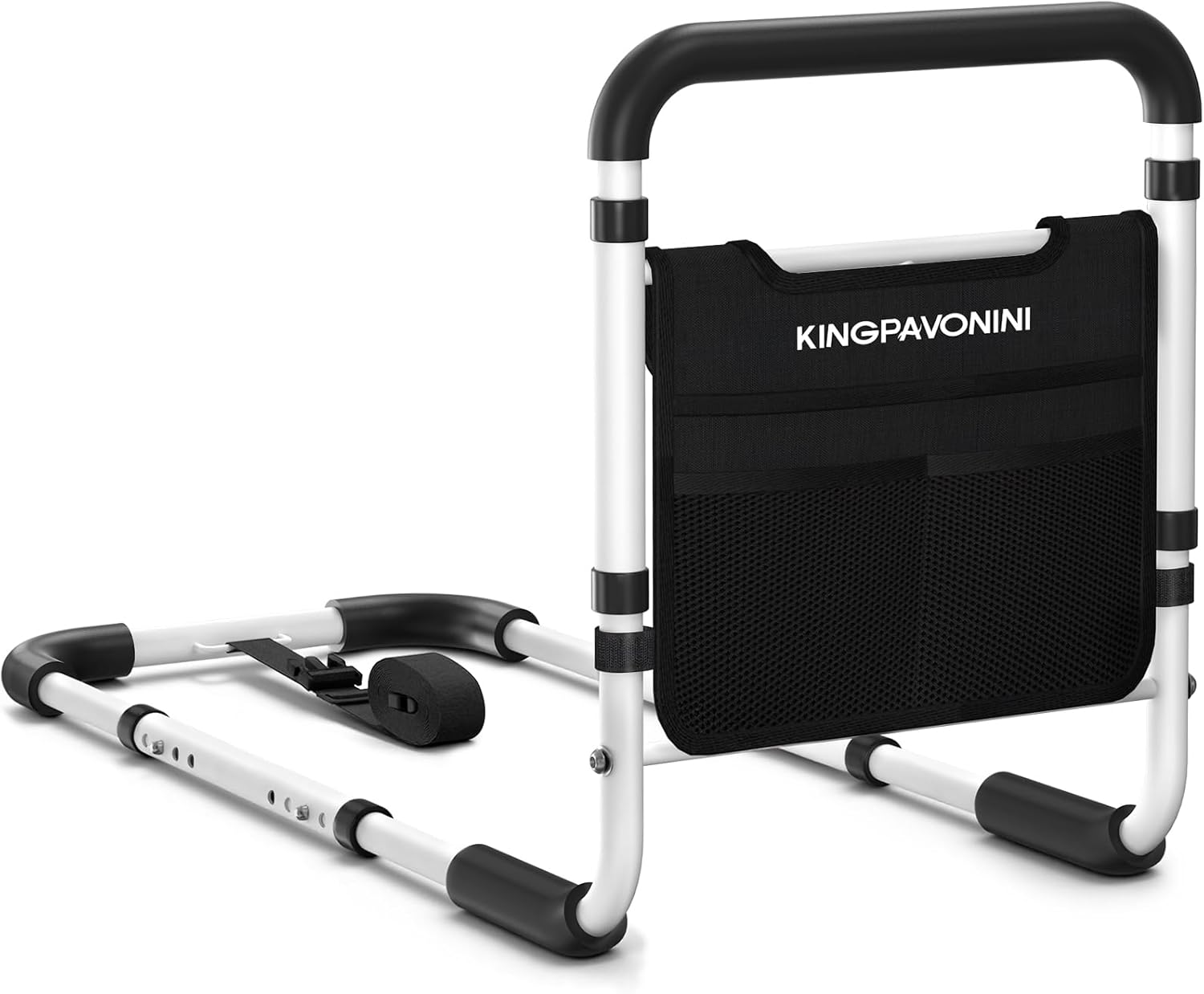
Bed Rail for Seniors
Kitchen safety for elderly meal prep is about reducing common risks like falls, burns, and cuts while keeping cooking simple and independent. The best fixes are good lighting, clear floors, safer tools, and routines that reduce reaching, lifting, and multitasking.
Kitchen safety for elderly meal prep is about making everyday cooking simpler, steadier, and less tiring. With a few smart changes, many older adults can keep cooking with more confidence and fewer accidents.
- Start with the environment: Improve lighting, remove clutter, and reduce slip hazards.
- Use safer habits: Set timers, cut slowly, and handle hot items with care.
- Choose the right tools: Non-slip mats, jar openers, and lightweight cookware can help.
- Keep tasks simple: Batch prep, seated prep, and one-step routines lower strain.
- Get help early: New dizziness, confusion, or repeated accidents should be reviewed.
Why kitchen safety for elderly meal prep matters in 2026
Meal prep can support independence, nutrition, and routine, but the kitchen also brings sharp tools, heat, wet floors, and fast decisions. For older adults, those everyday risks can become more serious when vision, balance, strength, or memory changes over time.
Good kitchen safety for elderly meal prep is not about taking away independence. It is about reducing the chance of cuts, burns, falls, and exhaustion so cooking stays manageable for as long as possible.
Common age-related risks that affect cooking safety
Many seniors notice slower reaction time, weaker grip, stiffer joints, or less steady balance. These changes can make it harder to lift a heavy pan, turn quickly at the stove, or reach for items on a high shelf.
Vision changes can also matter. A dim kitchen, small labels, or dark cookware on a dark counter can make it easier to miss spills, sharp edges, or a burner that is still hot.
Memory and attention can play a role too. Even a brief distraction may lead to forgotten pots, overcooked food, or leaving an appliance on longer than intended.
What seniors and caregivers want from a safer meal-prep routine
Most people want a routine that feels realistic, not complicated. Seniors often want to keep doing familiar tasks, while caregivers want fewer hazards and less stress.
A safer routine should save energy, reduce reaching and lifting, and make cleanup easier. When possible, it should also preserve choice, dignity, and the pleasure of preparing a meal.
Assessing the kitchen for hazards before meal prep begins
Before changing recipes or buying new tools, it helps to look at the kitchen itself. Small environmental fixes often prevent more problems than people expect.
Lighting, floor slip risks, and clutter hot spots
Bright, even lighting helps older eyes see spills, stove controls, and knife edges more clearly. Under-cabinet lights, task lamps, and replacing burned-out bulbs can make a real difference.
Floors should be dry and clear. Loose rugs, cords, pet bowls, and clutter near the sink or stove can create trip hazards, especially when carrying food or water.
Pay attention to “hot spots” where clutter collects, such as the counter next to the microwave or the area by the trash can. These are common places for small accidents to start.
- Are walkways clear and dry?
- Can the stove and sink be seen easily?
- Are frequently used items stored within easy reach?
- Are rugs, cords, and loose mats secured?
Appliance placement, reach zones, and storage changes that reduce strain
Store the most-used items between waist and shoulder height when possible. This reduces bending, climbing, and overhead reaching, which can be hard on balance and joints.
Keep heavy items, such as stockpots or mixers, on lower shelves only if they can be lifted safely. If not, move them to a more reachable spot, even if that means reorganizing the cabinet layout.
If bending or reaching is painful, consider moving daily-use dishes, spices, and utensils closer to the prep area. A safer kitchen is usually a more organized kitchen.
Essential kitchen safety habits that prevent everyday injuries
Tools help, but habits matter just as much. Simple routines can lower risk without making meal prep feel slow or overwhelming.
Safer knife handling, cutting methods, and stable prep surfaces
Use a stable cutting board that does not slide. A damp towel underneath or a non-slip mat can help keep it in place.
Cut away from the body and keep fingertips tucked. If hand strength is limited, a sharper knife may sometimes be safer than a dull one because it requires less pressure, but it should still be handled carefully and stored securely.
When chopping feels tiring, try smaller batches or pre-cut ingredients. If hand pain, tremor, or numbness makes knife work difficult, talk to your doctor or occupational therapist about safer options.
Never rush knife work when tired, distracted, or unsteady. A small cut can become a bigger problem if blood thinners, diabetes, or slower healing are involved, so ask your healthcare provider for guidance if wounds heal slowly.
Burn prevention with stoves, ovens, microwaves, and hot liquids
Burns are a major concern in senior kitchens because reaction time may be slower and skin can be more fragile. Use dry oven mitts, turn pot handles inward, and keep sleeves away from open flames or heating elements.
Microwaves can be safer for some tasks, but hot containers and steam still cause injuries. Open lids away from the face and test food carefully before eating or carrying it.
For hot liquids, use lightweight mugs or pots and move slowly. A stable route from stove to counter matters as much as the cookware itself.
Set a timer every time you cook, even for simple tasks like boiling water or reheating soup. Timers help reduce forgotten burners and overcooked food.
Medication, fatigue, and distraction: hidden risks during cooking
Some medicines can cause dizziness, sleepiness, blurry vision, or slower thinking. That can make cooking less safe, especially later in the day or after a new prescription starts.
Fatigue also matters. If standing feels shaky or concentration fades, meal prep should be simplified or delayed. Cooking while exhausted raises the risk of spills, falls, and missed steps.
If a medication seems to affect balance, alertness, or hand control, consult your pharmacist or healthcare provider. Do not stop a medicine on your own.
If cooking feels suddenly harder because of dizziness, confusion, shaking, new weakness, or vision changes, ask your doctor to review the cause. These changes may need medical attention before kitchen safety can improve.
Senior-friendly tools and equipment that make meal prep safer
The right tools can reduce strain, improve grip, and make cleanup easier. The best choices are usually the ones that fit the person’s hands, strength, and routine.
Comparing adaptive tools: jar openers, non-slip mats, lightweight cookware, and automatic shut-off appliances
Jar openers reduce the twisting force needed for lids. Non-slip mats help bowls, boards, and plates stay steady during prep and serving.
Lightweight cookware can make a big difference for people with arthritis or shoulder pain. Automatic shut-off appliances add another layer of safety when memory or distraction is a concern.
| Option | Best For | Note |
|---|---|---|
| Jar opener | Weak grip or hand pain | Useful for daily pantry items |
| Non-slip mat | Unsteady cutting or mixing | Helps keep tools from sliding |
| Lightweight cookware | Limited arm strength | Choose stable handles and balanced weight |
| Auto shut-off appliance | Forgetfulness or distraction | Helpful, but not a substitute for supervision |
When a higher-cost safety upgrade is worth it
Some upgrades are worth more than they first appear. A good lighting change, a safer cooktop, or an appliance with shut-off protection may prevent repeated strain or a serious accident.
Cost matters, of course. Medicare usually does not cover ordinary kitchen tools, though coverage may vary if an occupational therapist recommends certain home-safety items as part of care. Check your plan and ask about flexible spending or other benefits if available.
Simple meal-prep strategies that reduce risk without sacrificing independence
Safer cooking is often about working smarter, not harder. Small process changes can help seniors stay involved without standing too long or juggling too many steps at once.
Batch prep, seated prep, and one-task-at-a-time routines
Batch prep means doing a little extra when energy is good, then storing portions for later. That can reduce daily chopping, lifting, and cleanup.
Seated prep can help people who tire easily or feel unsteady standing. A sturdy chair at counter height, good lighting, and a clear workspace can make this easier.
One-task-at-a-time routines are also helpful. For example, wash vegetables first, then cut them, then put tools away before moving to the next step.
Gather ingredients, tools, and a timer before starting so there is less walking back and forth.
Focus on chopping, mixing, or heating one task before moving to the next.
Wipe spills right away and put sharp tools away before switching tasks.
Using pre-cut ingredients, meal kits, and easy-clean methods
Pre-cut vegetables, rotisserie chicken, salad kits, and other ready-to-use items can lower risk on days when energy is limited. These shortcuts are not a failure; they are a practical safety choice.
Easy-clean methods help too. Lining pans, using one-bowl recipes, and choosing dishes that rinse quickly can reduce bending, scrubbing, and the chance of slipping on a wet floor.
If swallowing problems, diabetes, high blood pressure, or another condition affects food choices, talk to your doctor or dietitian before relying heavily on packaged foods.
Convenience foods can be helpful, but labels still matter. Sodium, sugar, and texture may need to be adjusted based on health needs, medications, or chewing and swallowing comfort.
Realistic examples of safer breakfast, lunch, and dinner prep
Breakfast might be oatmeal made in the microwave with a bowl that has a handle and a timer set for the heating cycle. That keeps the task simple and reduces stovetop use.
Lunch could be a sandwich assembled at the counter with pre-washed greens and sliced turkey, using a non-slip mat under the cutting board. This avoids heavy cookware and long standing time.
Dinner may be a sheet-pan meal with vegetables and protein placed on a lined tray, then baked with an automatic reminder. Fewer pans usually means less lifting and cleanup.
Many kitchen accidents happen during routine tasks, not unusual ones. That is why simple habits like timers, clear counters, and non-slip surfaces can be so effective.
Common mistakes families make when supporting elderly meal prep
Family help is valuable, but well-meaning support can sometimes create new risks. The goal should be practical safety, not assuming someone can do more than they comfortably can.
Overestimating strength, balance, or memory
It is easy to assume a loved one can still manage stairs, stools, heavy pans, or multitasking because they did so in the past. But aging changes can be subtle until something goes wrong.
If a person is dropping items, forgetting steps, or getting tired quickly, those are real signs that the routine needs to change. Denying the problem can delay a safer solution.
Choosing unsafe shortcuts like overloaded pans or unstable stools
Trying to carry too much at once is a common mistake. A heavy pan, full kettle, or stack of dishes can be harder to control if balance is not steady.
Unstable stools and step stools are another concern. If reaching high shelves is difficult, it is usually safer to rearrange storage than to keep climbing for daily items.
Ignoring signs that the kitchen routine is becoming too difficult
Repeated burns, falls, near-misses, spoiled food, or a kitchen that stays messy may signal that the current setup is no longer working. These signs deserve attention, not embarrassment.
Families can help by asking calm, specific questions: Which tasks feel hardest? What time of day feels safest? Where do spills or fatigue happen most often?
When to get expert help or make a safety intervention
Sometimes kitchen changes are enough. Other times, the safest step is getting outside help or changing the meal plan itself.
Warning signs that require caregiver support, OT input, or medical review
Consider extra help if there are frequent falls, confusion with appliances, repeated cuts or burns, or trouble remembering whether food is cooking. Hand weakness, severe arthritis, tremor, or vision changes also deserve attention.
An occupational therapist can often suggest safer ways to set up the kitchen and complete daily tasks. If symptoms are new or worsening, talk to your doctor to rule out a medical cause.
Sudden confusion, fainting, chest pain, severe dizziness, or new one-sided weakness is not a kitchen problem alone. Seek urgent medical help right away.
When assisted meal prep, home modifications, or meal delivery may be the safer choice
Some seniors do best with partial help, such as having ingredients prepped by a caregiver while they still handle simple assembly. Others may need a full change in routine for safety.
Home modifications may include better lighting, lower storage, safer appliances, or a more accessible work area. In some cases, meal delivery or prepared meals can lower risk while preserving energy for other activities.
The right choice depends on health, budget, home layout, and support available. There is no single answer that fits everyone.
Final recap: the safest kitchen safety for elderly meal prep plan
The safest meal-prep plan is usually the simplest one that still supports independence. Clear floors, good lighting, reachable storage, safer tools, and slower routines can all reduce risk.
When safety starts to slip, it is wise to ask for help early instead of waiting for an injury. A small adjustment now can protect confidence, comfort, and independence later.
Quick checklist of the most effective changes to keep seniors safer and independent
- Improve lighting and remove slip hazards.
- Keep tools and ingredients within easy reach.
- Use timers, non-slip mats, and lightweight cookware.
- Cook one task at a time and sit when needed.
- Ask for medical or OT help if safety is declining.
If you are supporting a loved one, start with the easiest fixes first. Then build a routine that matches current strength, balance, and memory rather than past habits.
- Fewer cuts, burns, and falls.
- Less strain on joints and hands.
- More confidence during daily cooking.
- Better support for independent living.
For more home safety ideas, see our guide on senior beds with safety rails and how they can support safer daily movement. If you are making broader care plans, the article on in-home senior care providers may also help.
And if you are looking for practical kitchen aids, our guide to easy-grip kitchen utensils offers a helpful starting point for safer meal prep tools.
Frequently Asked Questions
Falls, burns, and cuts are among the most common kitchen risks for older adults. The biggest concern depends on the person’s balance, vision, strength, and memory.
Start with lighting, clear floors, and easy-reach storage. Then add simple tools like non-slip mats, timers, and lightweight cookware.
Microwave meals can be safer for some seniors because they reduce stove use and standing time. Hot containers and steam can still cause burns, so careful handling is important.
A senior may need help if they are having repeated falls, confusion with appliances, frequent burns, or trouble remembering steps. Talk to a doctor or occupational therapist if safety is getting worse.
Yes, they can help reduce risk when forgetfulness or distraction is a concern. They are useful, but they should not replace supervision when a person is still unsafe cooking alone.
Medicare usually does not cover ordinary kitchen tools, but coverage can vary in some care situations. Check your plan and ask a healthcare provider or occupational therapist what may be covered.