
Caregiver Stress Relief Tips for Seniors Living Alone


Smart Digital Photo Frame
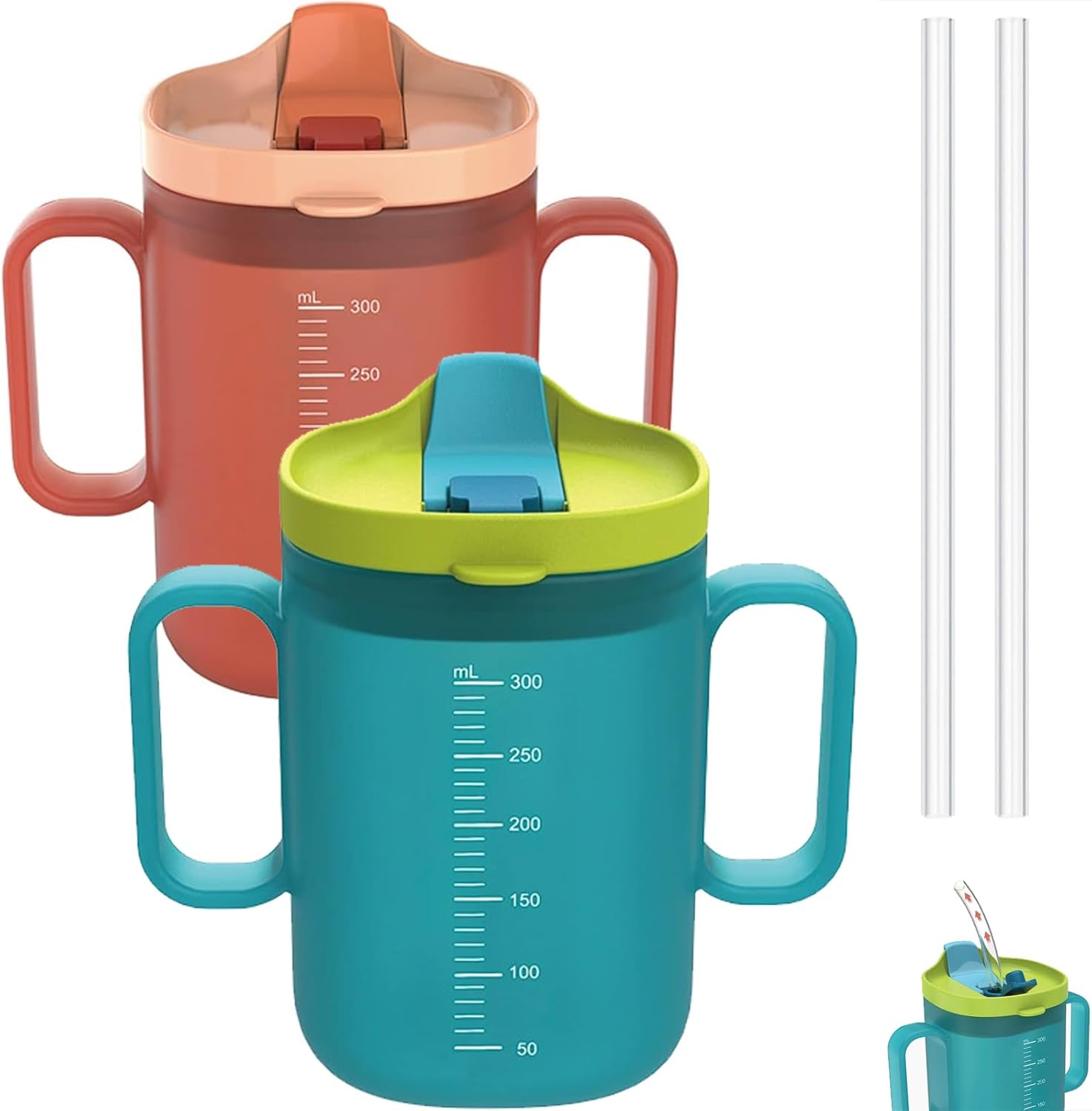
Spill-Proof Adult Cup

Anti-Slip Shower Stickers
The best caregiver stress relief tips for seniors living alone are simple routines, clear reminders, safer home setups, and calm communication. Start small, keep support predictable, and ask a doctor or healthcare provider for help if stress or safety concerns keep growing.
Living alone can bring freedom, but it can also make everyday stress feel bigger. For seniors, the goal is not to remove all challenges; it is to lower pressure, protect safety, and make daily life feel manageable again.
These caregiver stress relief tips for seniors living alone are meant to help family caregivers, neighbors, and paid aides support independence without creating more frustration. When stress is easier to spot and routines are simpler to follow, older adults often feel calmer, safer, and more in control.
- Keep routines simple: Predictable mornings and evenings lower stress.
- Reduce confusion: Use notes, organizers, and brief check-ins.
- Make the home easier: Improve lighting, seating, and clear pathways.
- Choose easy tools: Use only technology the senior will actually use.
- Watch for red flags: Falls, confusion, and missed meds need attention.
Caregiver Stress Relief Tips for Seniors Living Alone: What “Stress Relief” Really Means in 2026
In this setting, stress relief does not mean a luxury spa day or a major lifestyle change. It usually means fewer confusing tasks, less rushing, fewer safety worries, and more predictable support.
It also means helping in a way that respects dignity. Many older adults want to stay independent, so the best support is often small, steady, and easy to accept.
Why seniors living alone face unique emotional and physical strain
When a senior lives alone, there is no one nearby to notice a missed meal, a wobble while walking, or a bad day that turns into a bad week. That can increase worry for both the senior and the caregiver.
Physical strain can also build faster. A sore back, stiff knees, poor sleep, or limited stamina can make ordinary chores feel exhausting.
How this guide helps family caregivers, neighbors, and professional aides
This guide focuses on practical support that does not take over the senior’s life. The ideas are useful whether you help once a week, check in by phone, or provide daily care.
If you are also comparing living options, it may help to read about senior living vs independent living and how different levels of support affect daily comfort. For some families, learning about senior living with no buy-in can also reduce stress around long-term planning.
Recognizing the Most Common Stress Triggers for Seniors Aging in Place Alone
Stress often grows from a few repeated problems, not one dramatic event. The sooner those triggers are identified, the easier they are to soften.
Isolation, mobility limits, chronic pain, and fear of falls
Loneliness can make small problems feel larger. A senior who rarely sees others may become more anxious, less motivated to cook, and less likely to stay active.
Mobility limits and chronic pain can add another layer. If walking, standing, or climbing steps hurts, the person may start avoiding tasks that once felt routine.
Fear of falling is especially common. Even if a fall has not happened, the worry alone can make someone tense, cautious, and less confident at home.
Medication confusion, hearing or vision loss, and daily routine overload
Medication schedules can be stressful when pills look similar or instructions are hard to remember. If a senior is unsure what was taken, the worry can last all day.
Hearing and vision changes can also create strain. Missing a phone call, misreading a label, or not hearing a doorbell can make the home feel less predictable.
Daily routine overload happens when too many small decisions pile up. Choosing meals, sorting mail, remembering appointments, and keeping up with chores can wear a person down.
Practical signs stress is building before it becomes a crisis
Look for skipped meals, more confusion, unusual irritability, repeated phone calls about the same issue, or a home that is becoming harder to keep tidy. These can be early signs that the senior is overwhelmed.
Other clues include poor sleep, missed medications, more complaints of pain, or a reluctance to answer the door or phone. If these changes continue, talk to your doctor or healthcare provider.
Simple Daily Caregiver Stress Relief Tips That Reduce Pressure Without Taking Away Independence
The best support often works quietly in the background. Small systems can lower stress without making the senior feel watched or controlled.
Building a calmer morning and evening routine
A calm day often starts with fewer decisions. Keep the morning routine simple: wake up, wash up, take medications if prescribed, eat something easy, and review the day’s plan.
Evening routines matter too. Soft lighting, a prepared glass of water, and a short “tomorrow” checklist can reduce nighttime worry and make sleep easier.
Try to keep the same order each day for meals, medications, and rest. Predictable routines often lower anxiety for seniors who live alone.
Using check-in calls, reminder notes, and low-effort organization systems
Check-in calls work best when they are consistent and brief. A simple “good morning” or “good night” call can provide comfort without feeling intrusive.
Reminder notes should be easy to read and placed where they are actually needed, such as on the refrigerator, by the phone, or near the bathroom mirror. Large print is helpful if vision is limited.
Organization should be simple enough to maintain on a tired day. A labeled basket for keys, glasses, and medications can prevent a lot of frustration.
Creating “one-task-at-a-time” support for bathing, meals, and housekeeping
Many seniors feel overwhelmed when several chores are grouped together. Breaking support into one task at a time can make help feel manageable instead of overwhelming.
For example, one visit might focus only on a bath, while another handles laundry or meal prep. This approach can preserve energy and reduce arguments over “getting everything done.”
- Are medications easy to find and read?
- Is the daily routine simple and repeatable?
- Are meals and water easy to access?
- Is help divided into small, clear tasks?
Home-Based Comfort Strategies That Work for Seniors Living Alone
A safer, calmer home can reduce stress every hour of the day. Comfort does not have to be expensive; it just needs to be practical.
Making the home easier to navigate with lighting, seating, and clutter reduction
Good lighting can reduce strain and help prevent falls. Bright pathways, nightlights, and lamps in key areas often make a big difference.
Stable seating in the kitchen, bathroom, and entryway can also help. If standing for long periods is tiring, having a place to sit may make daily tasks more comfortable.
Clutter reduction is another simple stress reliever. Clear walkways, fewer loose cords, and easy-to-reach items can make the home feel less chaotic.
Using music, TV, hobbies, pets, and sensory comfort to lower tension
Comforting sounds and familiar activities can settle the nervous system. Soft music, a favorite show, reading, puzzles, knitting, or gardening can all help the day feel more normal.
Pets can also be calming, but they add responsibility. Make sure the senior can safely manage feeding, walking, and vet visits before relying on a pet for emotional support.
Sensory comfort matters too. A favorite blanket, a comfortable chair, or a warm drink can help a tense afternoon feel easier.
Practical examples: a 10-minute reset routine, a meal-prep station, and a calm corner
A 10-minute reset routine might include clearing one table, putting away dishes, opening curtains, and taking a few slow breaths. It is short enough to finish without exhaustion.
A meal-prep station can hold easy snacks, a water bottle, a spoon, napkins, and any safe, approved foods the person likes. This reduces the effort needed to eat well.
A calm corner can be as simple as one chair, one lamp, and one basket of pleasant activities. The idea is to create a spot that feels restful, not crowded.
If pain, balance problems, or memory changes are making home routines harder, talk to your doctor. Small home changes help most when they match the senior’s health needs.
Technology and Support Tools: What Helps, What Costs Less, and What to Avoid
Technology can reduce stress, but only if it is easy to use. The best tool is the one the senior will actually keep using.
Comparing low-cost options like pill organizers and reminder clocks vs. higher-cost monitoring devices
Low-cost tools are often the best first step. A pill organizer, large-print calendar, or reminder clock can solve common problems without adding complexity.
Higher-cost monitoring devices may help when safety concerns are greater, but they are not always necessary. Some families pay for features they do not use, especially if the setup is confusing.
| Option | Best For | Note |
|---|---|---|
| Pill organizer | Medication reminders | Simple and low cost |
| Reminder clock | Routine support | Helpful for daily structure |
| Fall alert device | Higher fall risk | Check battery life and comfort |
| Video check-in | Family reassurance | Requires willingness to use it |
When smart speakers, video check-ins, and fall alerts are worth the expense
Smart speakers can help with reminders, music, and hands-free calls if the setup is simple. They may be worth it when the senior has trouble using a phone or remote.
Video check-ins can be useful when family lives far away, but only if the senior is comfortable with them. Fall alerts may be worth considering for someone with balance issues or a history of falls.
Before buying anything, ask whether it reduces stress or creates more work. If a device needs frequent charging, updates, or troubleshooting, it may not be the right fit.
Common mistakes: overcomplicating tech, ignoring setup needs, or choosing tools the senior will not use
One common mistake is buying too many tools at once. Another is assuming the senior will learn the device without hands-on setup and practice.
It is also a mistake to choose something because it looks impressive rather than useful. If the person will not wear it, charge it, or understand it, the money may be wasted.
Emotional Stress Relief for Caregivers and Seniors: Communication That Lowers Tension
Stress often gets worse when people feel rushed, judged, or misunderstood. Calm communication can lower tension faster than a long list of instructions.
How to talk without sounding controlling or alarmist
Use plain language and focus on the goal, not the problem. For example, “Let’s make mornings easier” sounds less controlling than “You can’t keep doing it this way.”
Try to offer choices whenever possible. Even small choices, like which snack to eat or when to make a call, can help a senior feel respected.
Using reassurance, validation, and predictable routines to reduce anxiety
Validation means acknowledging feelings before offering help. Saying “I can see this is frustrating” often calms a conversation more than correcting the person right away.
Predictable routines also reduce worry. When a senior knows what will happen next, the day feels less uncertain.
Simple routines and familiar cues can reduce stress for many older adults because they lower the number of decisions needed each day.
Setting boundaries so caregivers do not burn out while still offering support
Caregivers need limits too. If you are always “on call,” resentment and exhaustion can build quickly.
Set clear times for calls, visits, and emergency contact. If possible, share tasks with siblings, neighbors, or paid helpers so the burden does not fall on one person.
If caregiving is affecting your sleep, mood, or health, it may be time to ask for more help. Burnout is a real risk, and it deserves attention.
When Stress Signals a Bigger Problem: Safety Red Flags and Expert Help
Some stress is manageable at home, but some signs mean the situation needs professional attention. It is better to ask early than to wait for a crisis.
Warning signs that point to depression, caregiver burnout, neglect, or cognitive decline
Warning signs can include giving up on bathing, eating less, forgetting important steps, or becoming unusually withdrawn. A home that is suddenly much messier can also be a clue.
Caregiver burnout may show up as irritability, dread, sleep problems, or feeling emotionally numb. If the caregiver is overwhelmed, the senior may not receive the support they need.
Sudden confusion, repeated falls, chest pain, trouble breathing, or a major change in behavior should be treated seriously. If there is immediate danger, call emergency services right away.
When to contact a doctor, home care professional, social worker, or emergency service
Contact a doctor if stress is tied to pain, sleep changes, medication problems, memory loss, or a noticeable mood change. A pharmacist can also review medications for possible side effects or interactions.
Home care professionals and social workers can help when daily tasks are becoming too hard to manage alone. They may suggest safer routines, equipment, or community support.
If a senior is missing medications, losing weight, falling often, or showing confusion, consult a healthcare provider soon. The right next step depends on the person’s health conditions, medicines, and overall safety.
How to decide when home support is no longer enough
Home support may no longer be enough if the senior cannot manage meals, medications, hygiene, or safety even with regular help. Repeated emergencies are another sign that the plan needs to change.
At that point, families may need to consider more services, more supervision, or a different living arrangement. The right choice depends on health, finances, and local care options.
Final Recap: The Most Effective Caregiver Stress Relief Tips for Seniors Living Alone
The most effective caregiver stress relief tips for seniors living alone are usually the simplest ones: predictable routines, easier home setups, clear reminders, and calm communication. Small changes can lower stress without taking away independence.
Start with one or two practical fixes, watch what helps, and adjust as needs change. If stress keeps building, ask for help early and talk to your doctor or healthcare provider about the next steps.
Frequently Asked Questions
The best tips are simple routines, easy home organization, reminder systems, and calm check-ins. These reduce pressure without taking away independence.
Use respectful language, offer choices, and explain the reason for each suggestion. Try to support the person’s routine instead of taking it over.
Look for missed meals, confusion, irritability, poor sleep, skipped medications, or a messier home than usual. If the changes continue, talk to a doctor or healthcare provider.
Pill organizers, large-print notes, reminder clocks, and labeled storage baskets are often helpful. They are usually easier to use than more complicated devices.
Ask for help when the caregiver feels burned out or when daily tasks are no longer safe to manage alone. A home care professional or social worker can help review options.
Call a doctor if stress is linked to falls, confusion, weight loss, medication mistakes, pain, or a major mood change. Emergency services are needed for immediate danger or sudden severe symptoms.