
Job Description of a Senior Carer


HOMLAND Shower Chair with Padded Armrests and Back

RMS 32 Inch Reacher Grabber, 2 Pack

Goodbaby No-Touch Forehead Thermometer for Adults and Kids
A Senior Carer plays a crucial role in providing high-quality care to elderly or disabled individuals, ensuring their safety, comfort, and emotional well-being. This position involves supervising junior staff, managing daily care routines, and supporting residents’ physical and mental health needs. With strong communication and leadership skills, a Senior Carer bridges the gap between care delivery and operational excellence in senior care settings.
Key Takeaways
- Leadership and Supervision: A Senior Carer often oversees a team of care assistants, assigning tasks, monitoring performance, and providing mentorship to ensure consistent, compassionate care.
- Comprehensive Care Planning: They develop personalized care plans based on individual resident needs, including mobility support, medication management, and assistance with activities of daily living (ADLs).
- Health and Safety Compliance: Ensuring adherence to health regulations, infection control protocols, and emergency procedures is a core responsibility to maintain a safe environment.
- Emotional and Social Support: Beyond physical care, Senior Carers offer companionship, encourage social interaction, and help residents maintain dignity and self-worth.
- Documentation and Reporting: Accurate record-keeping of care activities, observations, and incidents is essential for continuity of care and regulatory compliance.
- Family Communication: They act as a liaison between residents, families, and healthcare professionals, keeping families informed about their loved one’s condition and progress.
- Continuous Professional Development: Staying updated on best practices in geriatric care, dementia support, and wellness strategies enhances the quality of service delivered.
📑 Table of Contents
- What Does a Senior Carer Do?
- Core Responsibilities of a Senior Carer
- Supervisory and Leadership Duties
- Communication and Documentation
- Specialized Skills and Qualifications
- Work Environment and Daily Routine
- Career Growth and Advancement Opportunities
- Challenges Faced by Senior Carers
- How to Become a Senior Carer
- Why This Role Matters More Than Ever
What Does a Senior Carer Do?
A Senior Carer is more than just someone who helps seniors with daily tasks—they are leaders, mentors, and advocates within their care teams. Whether working in a nursing home, assisted living facility, or private home care setting, the Senior Carer ensures that every resident receives compassionate, individualized attention while maintaining a high standard of care across the board.
This role blends hands-on care with supervisory duties, making it both physically and emotionally demanding yet deeply rewarding. Unlike basic care aides, Senior Carers often have several years of experience under their belt and may hold certifications in first aid, dementia care, or gerontology. Their expertise allows them to handle complex medical situations, guide new team members, and adapt care plans as residents’ needs evolve.
In essence, the Senior Carer acts as the backbone of senior care operations—balancing empathy with efficiency, independence with support, and routine with responsiveness.
Core Responsibilities of a Senior Carer
1. Providing Personal Care and Assistance
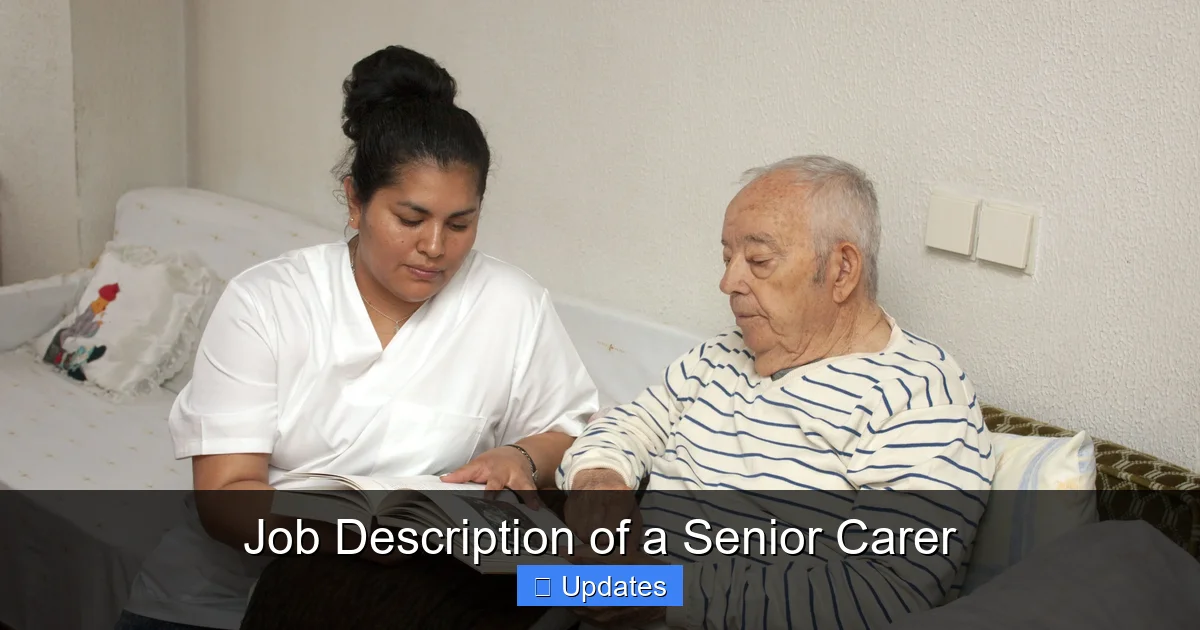
The day-to-day heart of a Senior Carer’s job involves direct care. This includes helping residents with:
Visual guide about Job Description of a Senior Carer
Image source: betterteam.com
- Dressing and grooming
- Bathing and hygiene maintenance
- Mobility support (e.g., walking aids, transfers from bed to chair)
- Assistance with eating and hydration
- Continence care and bathroom assistance
For example, if a resident has limited mobility due to arthritis, the Senior Carer might use a gait belt during walks or reposition them frequently to prevent pressure sores. These actions aren’t just practical—they promote dignity, reduce discomfort, and prevent secondary health issues.
2. Medication Management
Safety is paramount when administering medications. A Senior Carer must:
- Verify prescription details with nurses or pharmacists
- Use correct dosages and timing schedules
- Document administration accurately
- Watch for side effects or adverse reactions
Imagine a resident taking multiple blood pressure medications—the Senior Carer ensures they take each pill at the right time without mixing them up. This reduces risks like dizziness or falls and supports overall health stability.
3. Monitoring Health Conditions
Many seniors manage chronic conditions such as diabetes, heart disease, or dementia. The Senior Carer keeps close tabs on these by:
- Recording vital signs (blood pressure, temperature, weight)
- Observing behavioral changes (e.g., confusion, agitation)
- Reporting concerns promptly to registered nurses or doctors
For instance, noticing increased confusion in a dementia patient could signal an infection or medication issue—early detection prevents hospitalizations and improves outcomes.
4. Supporting Nutritional Needs
Proper nutrition is vital for aging adults. The Senior Carer assists with:
- Preparing and serving meals
- Adapting diets (soft foods for chewing difficulties)
- Encouraging fluid intake to avoid dehydration
- Monitoring food allergies or dietary restrictions
If a resident has swallowing problems (dysphagia), the Senior Carer might puree certain foods or thicken liquids—small adjustments that make a big difference in safety and enjoyment of meals.
5. Encouraging Independence and Engagement
One of the most important roles of a Senior Carer is fostering autonomy. Instead of doing everything for residents, they:
- Offer choices (“Would you like oatmeal or toast today?”)
- Support decision-making about personal preferences
- Engage residents in light activities (puzzles, music, gardening)
This approach boosts confidence, reduces anxiety, and slows cognitive decline—especially critical in memory care units.
Supervisory and Leadership Duties
Mentoring Junior Staff
A key part of being a Senior Carer is guiding newer team members. This includes:
Visual guide about Job Description of a Senior Carer
Image source: cftc.org.uk
- Onboarding new hires
- Providing real-time feedback during shifts
- Answering questions about care techniques
- Modeling professional behavior and empathy
For example, if a new caregiver struggles with lifting techniques, the Senior Carer demonstrates proper body mechanics using a transfer lift—protecting both the resident and employee.
Scheduling and Task Assignment
In many facilities, the Senior Carer helps coordinate shift coverage and delegate duties based on staff availability and resident needs. They ensure no one is overwhelmed and that all areas receive adequate attention.
Quality Assurance
Regular checks are made to verify cleanliness, safety equipment functionality (like call bells), and adherence to care plans. Any gaps found are addressed immediately or escalated to supervisors.
Communication and Documentation
Accurate Record Keeping
Every interaction with a resident must be documented—this isn’t just busywork; it’s legally and medically necessary. Examples include:
Visual guide about Job Description of a Senior Carer
Image source: interviewguy.com
- Daily activity logs
- Medication charts
- Incident reports (e.g., fall, injury)
- Changes in behavior or mood
These records help track progress over time and provide evidence-based insights for doctors and families.
Interdisciplinary Collaboration
The Senior Carer works closely with nurses, therapists, social workers, and dietitians. For instance, after a physical therapist recommends exercises, the Senior Carer incorporates gentle stretches into morning routines—ensuring consistency between professional recommendations and actual practice.
Family Updates
Families appreciate honest, timely updates. The Senior Carer might say, “Mr. Thompson enjoyed his walk today and smiled during lunch—he seems more alert lately,” giving peace of mind while avoiding alarmist language.
Specialized Skills and Qualifications
Certifications That Matter
While requirements vary by region, common certifications include:
- CPR and First Aid
- Dementia Care Specialist (e.g., through Dementia Care Matters)
- Medication Administration Training
- Food Handler’s Permit (if meal prep is involved)
These credentials show commitment to excellence and protect both staff and residents.
Soft Skills That Define Success
Technical knowledge alone isn’t enough. Top Senior Carers possess:
- Patience: Dealing with repetitive requests or memory lapses requires calm reassurance.
- Active Listening: Hearing unspoken worries beneath words like “I’m fine” can reveal hidden distress.
- Empathy: Understanding loneliness, fear, or frustration fosters trust.
- Problem-Solving: When a resident refuses medication, the Senior Carer tries different approaches—timing, flavor masking, or distraction techniques.
Work Environment and Daily Routine
Where Do Senior Carers Work?
Common settings include:
- Nursing homes
- Assisted living communities
- Residential care homes
- Home health agencies
- Hospice care facilities
Each environment has unique rhythms—nursing homes operate 24/7, while home care follows client schedules.
A Typical Day
A Senior Carer’s day might start with:
- Checking overnight incident reports
- Reviewing updated care plans
- Conducting handover meeting with night shift
- Beginning rounds to assist with breakfast
Midday could involve:
- Administering midday medications
- Supporting therapy sessions
- Lunchtime engagement (singing, conversation)
Evenings focus on winding down: dinner prep, calming activities, and preparing residents for bed—always with safety and comfort in mind.
Career Growth and Advancement Opportunities
Experienced Senior Carers often transition into roles like:
- Care Home Manager
- Clinical Lead Nurse
- Training Coordinator
- Consultant in Elderly Care
Some pursue further education—studying nursing, gerontology, or social work—to expand their impact. Others specialize in niche areas like palliative care or neurological disorders.
As the population ages, demand for skilled Senior Carers continues to rise. According to the Bureau of Labor Statistics, jobs in home health and personal care aides are projected to grow much faster than average through 2032—making this a stable, meaningful career path.
Challenges Faced by Senior Carers
Emotional Burnout
Caring for vulnerable people day after day can lead to compassion fatigue. Signs include irritability, exhaustion, or feeling detached. Combatting this means:
- Taking scheduled breaks
- Seeking peer support groups
- Practicing self-care (exercise, hobbies)
- Accessing employer counseling services
Physical Strain
Transferring patients, standing for long hours, and repetitive motions increase injury risk. Prevention strategies include:
- Using mechanical lifts
- Following ergonomic guidelines
- Stretching regularly
- Wearing supportive footwear
Navigating Family Expectations
Sometimes, relatives expect more than what’s feasible. The Senior Carer remains respectful but firm: “We understand your concern, but we must prioritize safety over speed when assisting with dressing.” Clear boundaries build trust.
How to Become a Senior Carer
Education and Experience
Most employers require:
- High school diploma or equivalent
- Previous caregiving experience (1–3+ years)
- Relevant certifications
- Clean criminal background check
Volunteering at senior centers or shadowing experienced carers can also build foundational skills.
Interview Tips
During interviews, highlight:
- Specific examples of handling difficult situations
- Your understanding of person-centered care
- Ability to work under pressure
- Commitment to ongoing learning
Ask about team culture, training opportunities, and how they support staff well-being—these reflect long-term job satisfaction.
Why This Role Matters More Than Ever
With nearly 65 million Americans aged 65+, and projections showing this number will double by 2060, the need for compassionate, capable Senior Carers has never been greater. These professionals don’t just change sheets or give baths—they preserve identity, honor dignity, and turn care routines into moments of connection.
In a world where technology speeds up everything else, the Senior Carer stands out by slowing down—choosing presence over productivity, kindness over convenience. Their work transforms institutions from places of care into homes away from home.
If you’re considering this path, know that your role is vital. You’re not only supporting physical health but nurturing emotional resilience, social belonging, and the simple joy of being seen and valued.
Frequently Asked Questions
What qualifications do I need to become a Senior Carer?
You typically need a high school diploma, prior caregiving experience, and certifications like CPR or dementia care training. Some employers prefer candidates with additional qualifications in health and safety or first aid.
Is a Senior Carer role physically demanding?
Yes. The job often involves lifting, bending, standing for long periods, and assisting with transfers. Using proper techniques and equipment minimizes injury risk.
Can I specialize as a Senior Carer?
Absolutely. Specializations include dementia care, palliative support, mobility rehabilitation, or working exclusively in home health settings.
How does a Senior Carer differ from a nurse?
While nurses diagnose conditions and prescribe treatments, Senior Carers focus on daily living support, emotional care, and implementing care plans created by nurses and doctors.
What salary can I expect as a Senior Carer?
Salaries vary by location and facility type. In the U.S., median pay ranges from $18–$28/hour, with higher wages in urban or specialized care environments.
Are there good advancement opportunities in this field?
Yes. With experience and further education, Senior Carers can move into management, clinical roles, or consultancy positions in senior care organizations.