
How Do You Qualify for Senior Housing in Hawaii


OMRON Bronze Upper Arm Blood Pressure Monitor

5X Large Rechargeable Hands Free Magnifying Glass with Light

HOMLAND Adjustable Height Shower Stool for Small Showers
Qualifying for senior housing in Hawaii depends on age, income level, and residency status. Most communities require residents to be 62 or older and meet financial guidelines based on federal poverty levels. Understanding local rules and applying early increases your chances of securing a comfortable, supportive home.
Key Takeaways
- Age Requirement: Most senior housing in Hawaii requires applicants to be at least 62 years old.
- Income Limits: Income eligibility is often tied to HUD’s low-income thresholds, which vary by island and household size.
- Residency Proof: Applicants must show they are legal residents of Hawaii, not just visitors or tourists.
- Application Process: Complete applications early, as many affordable units have long waiting lists.
- Support Programs: Hawaii offers state-funded programs like the Aging and Disability Resource Centers (ADRC) to help with housing access.
- Specialized Housing: Some communities offer memory care, assisted living, or independent living—each with different qualification criteria.
- Documentation Needed: Expect to provide ID, income statements, medical records, and proof of residence.
📑 Table of Contents
- How Do You Qualify for Senior Housing in Hawaii?
- Understanding the Basics: What Is Senior Housing in Hawaii?
- Income Requirements: How Much Can You Earn?
- Residency and Citizenship Status
- The Application Process: Step-by-Step Guidance
- Financial Assistance and Subsidies
- Finding the Right Community: Tips for Choosing
- Common Challenges and How to Overcome Them
- Resources to Help You Succeed
- Final Thoughts: Your Path Forward
How Do You Qualify for Senior Housing in Hawaii?
If you’re exploring senior housing options in Hawaii—whether you’re a lifelong resident or planning to move to the islands—you’re likely wondering how to qualify. The Aloha State offers a variety of housing solutions designed specifically for older adults, but each comes with its own set of eligibility rules. From age requirements to income limits, understanding what it takes to get into affordable senior housing can feel overwhelming. That’s why we’re breaking it down step by step, so you know exactly where you stand and what steps to take next.
Senior housing in Hawaii isn’t a one-size-fits-all situation. There are public housing units, subsidized apartments, luxury retirement communities, and everything in between. While some places welcome active seniors who live independently, others are built for those needing daily assistance. No matter your needs, knowing how the system works will help you make informed choices about your future home. And the good news? With the right preparation, qualifying for senior housing in Hawaii is absolutely achievable.
Understanding the Basics: What Is Senior Housing in Hawaii?
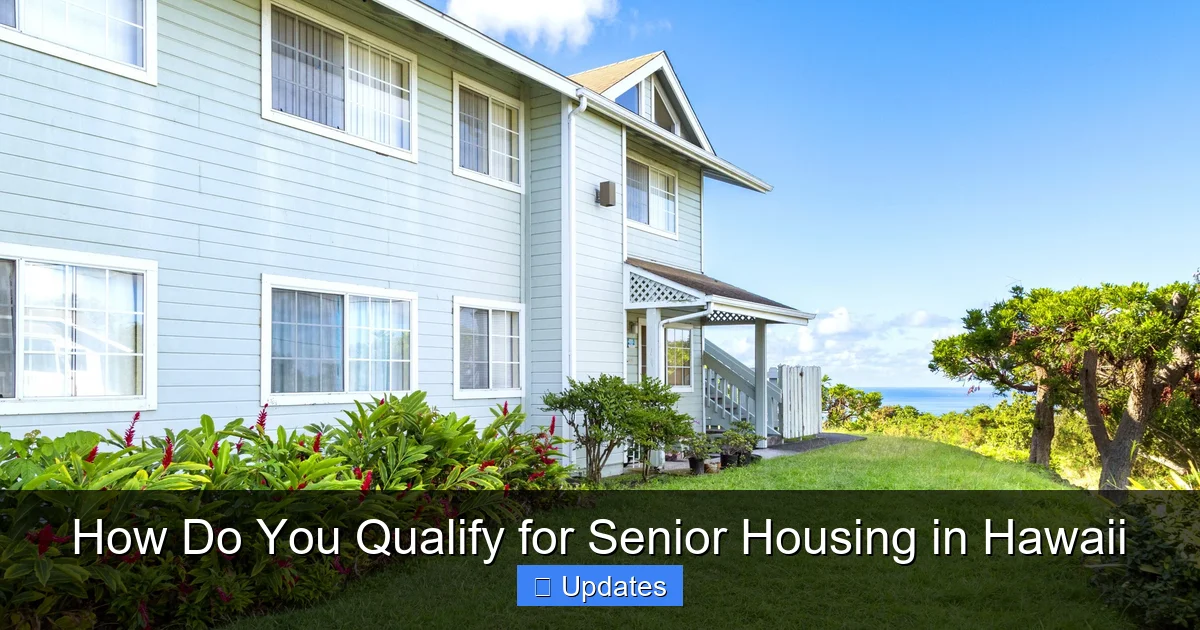
Before diving into qualifications, let’s clarify what “senior housing” actually means in the context of Hawaii. It generally refers to residential communities or apartment complexes that cater to adults aged 55 or older—though most require 62+ due to federal funding rules. These aren’t just regular apartments; they often include amenities like community centers, transportation services, wellness programs, and sometimes even meal delivery or housekeeping.
Visual guide about How Do You Qualify for Senior Housing in Hawaii
Image source: hawaiiaffordable.com
Types of Senior Housing Available
Hawaii offers several types of senior housing, each with unique features and eligibility standards:
- Affordable Senior Apartments: Funded by HUD and other agencies, these units prioritize low-income residents and often charge rent based on 30% of monthly income.
- Independent Living Communities: Designed for active seniors who don’t need daily care but want a maintenance-free lifestyle with social activities.
- Assisted Living Facilities: For those who need help with daily tasks like bathing, medication management, or mobility—but still prefer to live in their own unit.
- Memory Care Units: Specialized housing for individuals with Alzheimer’s or dementia, offering secure environments and trained staff.
Each type has different qualification rules. For example, an independent living community might only check your age and ability to pay rent, while an assisted living facility may require a doctor’s assessment of your functional needs.
Why Age Matters in Hawaii
The U.S. Department of Housing and Urban Development (HUD) sets the standard age requirement for federally funded senior housing at 62 years old. This is true across all states, including Hawaii. However, some private communities start at 55, especially if they focus on active aging lifestyles. Still, even if you’re 58 or 60, you may still qualify for certain programs or waitlist spots before reaching 62.
It’s important to note that age alone doesn’t guarantee admission. Many communities use a lottery system or first-come, first-served approach, especially when demand exceeds availability. So while turning 62 is a milestone, it’s not the finish line—it’s just the starting gate.
Income Requirements: How Much Can You Earn?
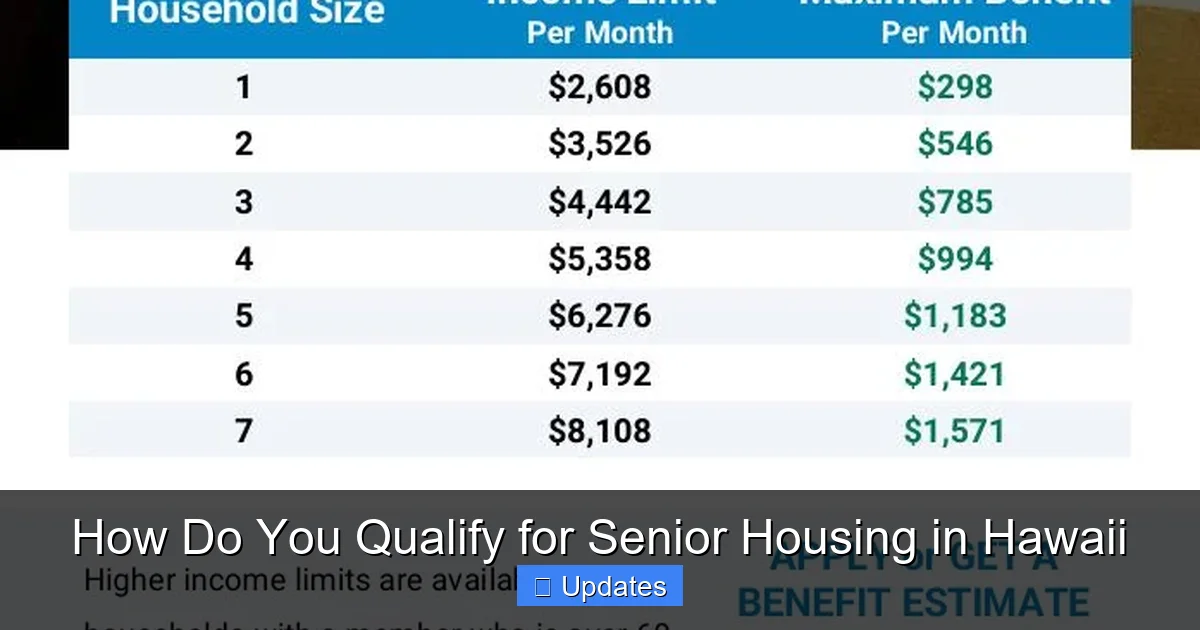
Income is one of the biggest factors determining whether you qualify for senior housing in Hawaii. Most affordable housing projects are subsidized through HUD or state programs, and they strictly limit how much income residents can earn.
Visual guide about How Do You Qualify for Senior Housing in Hawaii
Image source: snapscreener.com
Federal Income Limits Explained
HUD publishes annual income limits based on the Area Median Income (AMI). In Hawaii, AMI tends to be higher than in mainland states due to the cost of living, so income caps reflect that reality. For example, in Honolulu County, a one-person household earning more than $49,000 annually (as of 2024) would typically exceed the threshold for a two-bedroom unit under HUD guidelines.
Here’s a rough breakdown of income limits for a one-person household in major Hawaiian counties (figures from HUD 2024 data):
- Honolulu County: $49,000 (for very low income)
- Maui County: $45,000
- Kauai County: $42,000
- Big Island (Hawaii County): $41,000
These numbers apply to households receiving subsidies. If you’re paying market rate, income limits don’t apply—but you’ll still need to prove you can afford rent without assistance.
What Counts as Income?
When applying, agencies look at gross monthly income before taxes. This includes wages, Social Security, pensions, disability benefits, investment income, and even alimony or child support. Exceptions are made for certain deductions like medical expenses or dependent care costs, but those must be documented.
For instance, if you receive $2,000 per month from Social Security and $800 from part-time work, your total monthly income is $2,800. On average, rent in Hawaii’s senior housing runs between $800 and $1,500 depending on location and unit size. So unless you have significant assets or savings, your income should fall well below the limit.
Residency and Citizenship Status
Another key requirement for senior housing in Hawaii is proof of residency. You don’t need to be a U.S. citizen, but you do need to demonstrate that you intend to live in Hawaii long-term. This is different from simply visiting the islands temporarily.
Visual guide about How Do You Qualify for Senior Housing in Hawaii
Image source: gov-relations.com
Who Qualifies as a Legal Resident?
Acceptable documents include a Hawaii driver’s license, utility bill under your name, lease agreement, voter registration card, or tax return showing Hawaii as your primary address. If you’re not a U.S. citizen, you may still qualify as a permanent resident (green card holder) or non-citizen national.
Note: Transient visitors, seasonal workers, or people who spend most of their time outside Hawaii usually won’t meet residency requirements. Some communities even ask applicants to sign an affidavit stating they plan to remain in Hawaii for at least one year.
Exceptions for Military Veterans and Native Hawaiians
There are special considerations for military veterans and Native Hawaiians. The U.S. Department of Veterans Affairs (VA) funds housing vouchers and supportive housing for eligible veterans regardless of income. Similarly, some Native Hawaiian-serving organizations prioritize applicants with cultural ties to the islands.
If this applies to you, reach out to local VA offices or nonprofits like the Office of Hawaiian Affairs (OHA) for guidance on preferred access programs.
The Application Process: Step-by-Step Guidance
Once you confirm you meet basic age and income requirements, it’s time to begin the application process. This can vary slightly by provider, but here’s a general roadmap:
Gather Required Documents
You’ll typically need:
- Government-issued photo ID (passport, driver’s license)
- Proof of Social Security number or ITIN
- Three months of bank statements
- Past six months of pay stubs or benefit award letters
- Rental history (if available)
- Medical documentation (for assisted living or memory care)
Keep digital copies and originals handy—some forms require wet signatures or certified translations if English isn’t your first language.
Submit Your Application Early
This might sound obvious, but it bears repeating: apply as soon as possible. Many affordable senior housing properties have waiting lists lasting 1–3 years. By submitting your application early, you increase your chances of getting noticed when a spot opens up.
Some communities allow pre-applications before official openings. Others operate waitlists continuously. Check with local housing authorities or nonprofit partners listed below.
Attend an Interview or Assessment
After submitting paperwork, you may be invited for an interview. This helps staff understand your needs, lifestyle preferences, and support network. Be honest about any health concerns—especially if you’re considering assisted living.
Financial Assistance and Subsidies
If your income is above HUD limits but still low enough to struggle with rent, you may qualify for partial subsidies or sliding-scale fees. Hawaii also offers state-specific aid through programs like the Supplemental Security Income (SSI) or the Low-Income Home Energy Assistance Program (LIHEAP).
How to Apply for Financial Help
Contact your local Aging and Disability Resource Center (ADRC) for personalized assistance. They can connect you with case managers who review your finances, help complete complex forms, and advocate on your behalf.
Additionally, consider applying for Section 8 Housing Choice Vouchers administered by county housing authorities. While wait times are long, these vouchers allow you to choose any privately owned apartment accepting them—not just designated senior housing.
Finding the Right Community: Tips for Choosing
Qualifying is only half the battle—finding a place that fits your lifestyle matters just as much. Here are some practical tips:
Visit Multiple Properties
Schedule tours during different times of day to see noise levels, traffic flow, and neighbor interactions. Ask current residents about pros and cons.
Check Accessibility Features
If you use a wheelchair, walker, or have vision/hearing impairments, ensure the building has elevators, grab bars, wide doorways, and emergency call systems.
Review Contract Terms Carefully
Read fine print about pet policies, guest rules, maintenance responsibilities, and lease renewal conditions. Some communities charge extra for utilities or meals.
Consider Proximity to Healthcare
Living near hospitals, pharmacies, and clinics improves quality of life, especially if you have chronic conditions.
Common Challenges and How to Overcome Them
Even qualified applicants face hurdles. Long waitlists are common. Language barriers exist in multicultural communities. And sometimes, outdated information leads to confusion.
Beat the Waitlist
Register with multiple providers. Volunteer at partner nonprofits—some offer priority placement to community contributors. Stay in touch with caseworkers and update your info regularly.
Get Language Support
Many Hawaiian communities serve Japanese, Tagalog, Chinese, and Portuguese speakers. Request interpreters during interviews or ask for translated materials.
Clarify Confusing Policies
If you’re unsure about a rule, call the property manager or housing authority directly. Don’t assume silence means approval.
Resources to Help You Succeed
Navigating senior housing in Hawaii doesn’t have to be lonely. These trusted resources can guide you every step of the way:
- Aging and Disability Resource Centers (ADRCs): Free, unbiased counseling on housing, care options, and benefits. Find yours at hawaii.gov/dhs/adrc.
- Hawaii Statewide Independent Living Council (SILC): Advocates for accessible housing and peer support.
- Hawaiian Homes Commission Act (HHCA) Housing: Reserved units for enrolled Native Hawaiians—contact the Department of Hawaiian Home Lands.
- Veterans Affairs (VA) Supportive Housing: For eligible veterans, visit va.gov.
- Local Nonprofits: Organizations like Aloha United Way (call 2-1-1) can refer you to vetted housing programs.
Don’t hesitate to lean on these services—they exist to help!
Final Thoughts: Your Path Forward
Qualifying for senior housing in Hawaii involves meeting age, income, and residency criteria, but it also means being proactive, organized, and patient. Start gathering documents now, research nearby communities, and build relationships with caseworkers. Remember, you’re not alone—many people walk this path before you, and there’s plenty of support along the way.
Whether you dream of ocean views in Waikiki, quiet neighborhoods in Hilo, or vibrant communities in Kailua-Kona, the Aloha State has options tailored to your needs. With persistence and the right guidance, you can find a safe, affordable, and fulfilling place to call home.
Ready to take the next step? Begin by contacting your nearest ADRC or visiting the HUD Exchange website to compare income limits across counties. Then, create a folder with all your documents and set reminders to follow up on applications. Small actions today lead to big changes tomorrow.
Frequently Asked Questions
What is the minimum age to qualify for senior housing in Hawaii?
Most senior housing in Hawaii requires applicants to be at least 62 years old due to federal funding rules. Some private communities accept residents 55 and up, but HUD-subsidized units almost always enforce the 62+ rule.
Can I still apply if my income is slightly above the HUD limit?
Possibly. Some properties offer “moderate-income” units with higher thresholds, or they may consider exceptions for medical expenses or large families. Contact local housing authorities or ADRCs to explore alternatives.
Do I need to be a U.S. citizen to live in senior housing in Hawaii?
No, but you must be a legal resident of Hawaii and either a U.S. citizen, green card holder, or otherwise authorized to reside in the country. Tourists or temporary visitors generally do not qualify.
Are there senior housing options for veterans in Hawaii?
Yes. Eligible veterans can access VA-funded housing vouchers and supportive housing regardless of income. Visit the nearest VA medical center or call 1-877-222-VETS for assistance.
How long does it take to get approved for senior housing in Hawaii?
Approval timelines vary widely. Market-rate communities may approve within weeks, while subsidized units can have waitlists lasting 1–3 years. Applying early significantly improves your odds.
What if I lose my job or benefits after moving in?
Notify your housing provider immediately. They may adjust your rent based on new income or help you apply for emergency assistance programs through the state or nonprofit organizations.