
Golf Clubs with Senior Flex Shafts

Drive Medical Folding Walker

Drive Medical Premium Shower Chair with Back and Padded Arms

AUVON Plug-in LED Night Light 4 Pack, Motion & Dusk to Dawn Sensor
Golfers over 50 or those with slower swing speeds often struggle with off-the-tee distance and accuracy due to stiff or regular flex shafts. Senior flex shafts are specifically engineered to provide extra flexibility, helping players generate more clubhead speed and achieve straighter shots. These lightweight graphite options reduce strain on wrists and shoulders while improving launch conditions. In this guide, we’ll explore everything you need to know about golf clubs with senior flex shafts—from understanding flex ratings to choosing the right set for your game.
Golf is a game that evolves with time. What was once a challenge of strength and power becomes one of finesse, timing, and smart equipment choices. For many golfers, especially those aged 50 and above, the transition into senior-level play brings new physical considerations. Swing speed decreases. Joints become more sensitive. Energy levels fluctuate. And suddenly, the clubs that worked just fine a decade ago no longer do.
Enter golf clubs with senior flex shafts—a simple yet powerful upgrade that can make a world of difference. These specially designed shafts are built to accommodate the natural decline in muscle strength and speed that comes with aging. Instead of fighting against stiff graphite or steel shafts, senior golfers can now enjoy smoother swings, better ball contact, and noticeably longer distances.
But what exactly makes a senior flex shaft different? Why should you consider switching? And how do you pick the right set? This comprehensive guide dives deep into every aspect of golf clubs with senior flex shafts, from understanding the science behind flex ratings to selecting the perfect set based on your swing profile.
Key Takeaways
- Senior flex shafts are softer than regular or stiff flex, ideal for golfers with slower swing speeds, typically 45 mph or less.
- These shafts increase clubhead speed, improve launch angle, and reduce spin, leading to longer and more consistent drives.
- Graphite construction reduces vibration and arm fatigue, making them especially beneficial for seniors or players with joint sensitivity.
- Choosing clubs with senior flex shafts doesn’t mean sacrificing performance—modern designs offer precision and forgiveness.
- Many major brands like Callaway, TaylorMade, Ping, and Cobra offer complete sets or customizable options with senior flex.
- Proper fitting is crucial: even small changes in shaft flex can dramatically affect ball flight and feel.
- Used or pre-owned senior flex clubs are a cost-effective way to try the flex without full investment.
📑 Table of Contents
- Understanding Golf Shaft Flex: Why It Matters
- Benefits of Using Golf Clubs With Senior Flex Shafts
- Who Should Use Senior Flex Shafts?
- Types of Senior Flex Shafts Available
- Top Brands Offering Golf Clubs With Senior Flex Shafts
- How to Choose the Right Set of Senior Flex Clubs
- Maintaining Your Senior Flex Golf Clubs
- Common Myths About Senior Flex Shafts Debunked
- Real-Life Success Stories: How Senior Flex Changed Lives
- Final Thoughts: Is Senior Flex Right for You?
Understanding Golf Shaft Flex: Why It Matters
Before we get into the specifics of senior flex, it’s important to understand what shaft flex actually does in your golf swing. Think of the shaft as the bridge between your hands and the clubhead. When you swing, the shaft bends—or flexes—depending on how hard you hit the ball and how fast your swing travels.
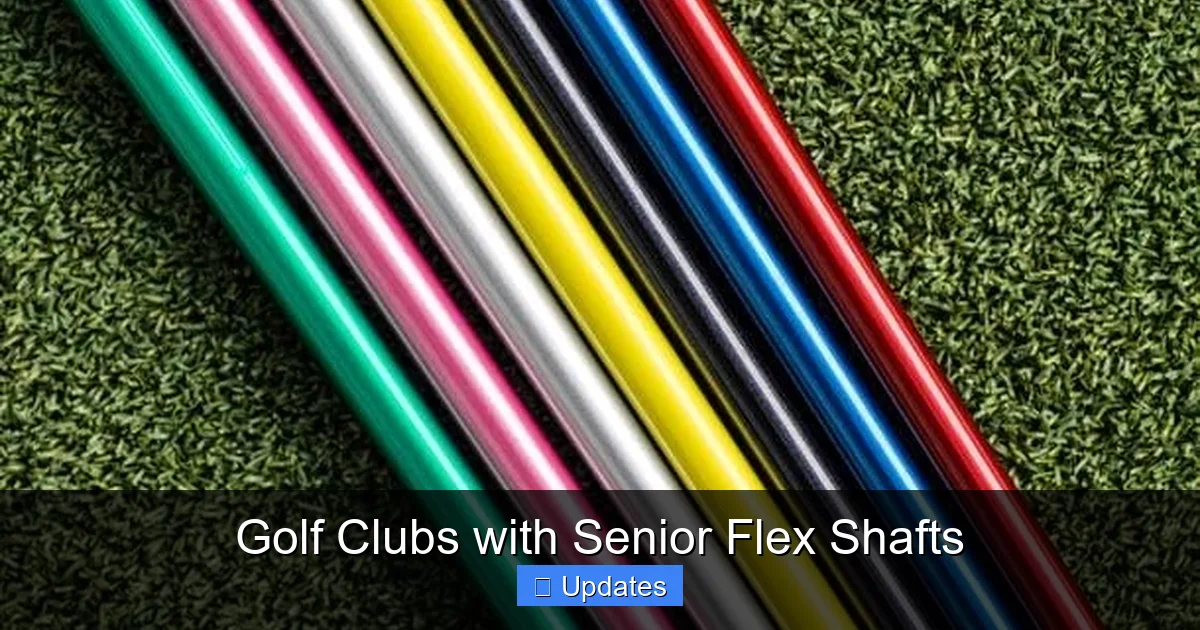
The amount of bend determines the flex rating. Golf shafts are categorized into several types: Extra Stiff (X), Stiff (S), Regular (R), Senior (A), Ladies (L), and Uniflex (U). Among these, senior flex—often labeled as “A” or “Senior”—is the softest standard option available.
So why does this matter for older or less powerful golfers? Because a shaft that’s too stiff will restrict energy transfer from your swing to the ball. The energy gets absorbed by the shaft instead of being released at impact. That means lower ball speed, reduced distance, and inconsistent shot patterns.
On the flip side, a shaft that matches your swing speed allows maximum energy transfer. You’ll see higher launch angles, less backspin, and more carry distance. That’s where golf clubs with senior flex shafts come in—they’re engineered to give you that sweet spot between control and forgiveness.
The Science Behind Flex and Swing Speed
Most professional golfers swing their driver at 100+ mph, which pairs well with stiff or extra-stiff shafts. But recreational players—especially those over 50—often average between 70–90 mph. Even slower for women or beginners.
According to the USGA and other golf research organizations, the ideal flex for a swing speed under 85 mph is usually regular or senior. At 75 mph or below, senior flex becomes not just helpful—it becomes essential.
When you use a senior flex shaft, the increased bend during the downswing allows the clubhead to accelerate more freely toward impact. This results in greater clubhead speed without requiring explosive upper-body strength. It’s like giving your swing a little mechanical advantage.
Additionally, senior flex shafts are typically made from lightweight graphite, which further enhances speed and reduces fatigue. Steel shafts, while durable, tend to be heavier and transmit more shock through the hands—something many seniors want to avoid.
Benefits of Using Golf Clubs With Senior Flex Shafts
Visual guide about Golf Clubs with Senior Flex Shafts
Image source: skilledgolf.com
Switching to golf clubs with senior flex shafts isn’t just about hitting the ball farther. It’s about playing smarter, feeling better, and enjoying the game again. Here’s what you gain:
Increased Clubhead Speed
One of the most noticeable benefits is faster clubhead speed. Studies show that using a shaft with the correct flex can add 5–10 mph to your swing speed. For someone averaging 70 mph, that’s a 10–15% boost—enough to add 20–30 yards of driving distance.
Improved Launch Conditions
Senior flex shafts promote a higher launch angle and lower spin rate. This helps the ball stay airborne longer and land softly on the green. That translates directly into more greens in regulation and fewer three-putts.
Reduced Arm and Wrist Strain
Because the shaft bends more easily, there’s less stress on your joints. Seniors with arthritis, carpal tunnel, or previous injuries often find relief when moving from stiff to senior flex.
More Forgiveness on Off-Center Hits
Softer shafts absorb some of the impact from mishits. Whether you slice fat or chunk the ball, the extra flex cushions the blow and keeps the ball flight more predictable.
Enhanced Feel and Confidence
There’s an emotional component too. When you feel confident in your equipment, your swing mechanics improve naturally. Golf clubs with senior flex shafts deliver a smooth, responsive feel that builds trust with each swing.
Who Should Use Senior Flex Shafts?
Visual guide about Golf Clubs with Senior Flex Shafts
Image source: southamptongolfclub.com
Not every golfer needs senior flex. If you’re in your 20s with a powerful swing, you might still benefit from stiff or regular flex. But here’s who definitely should consider it:
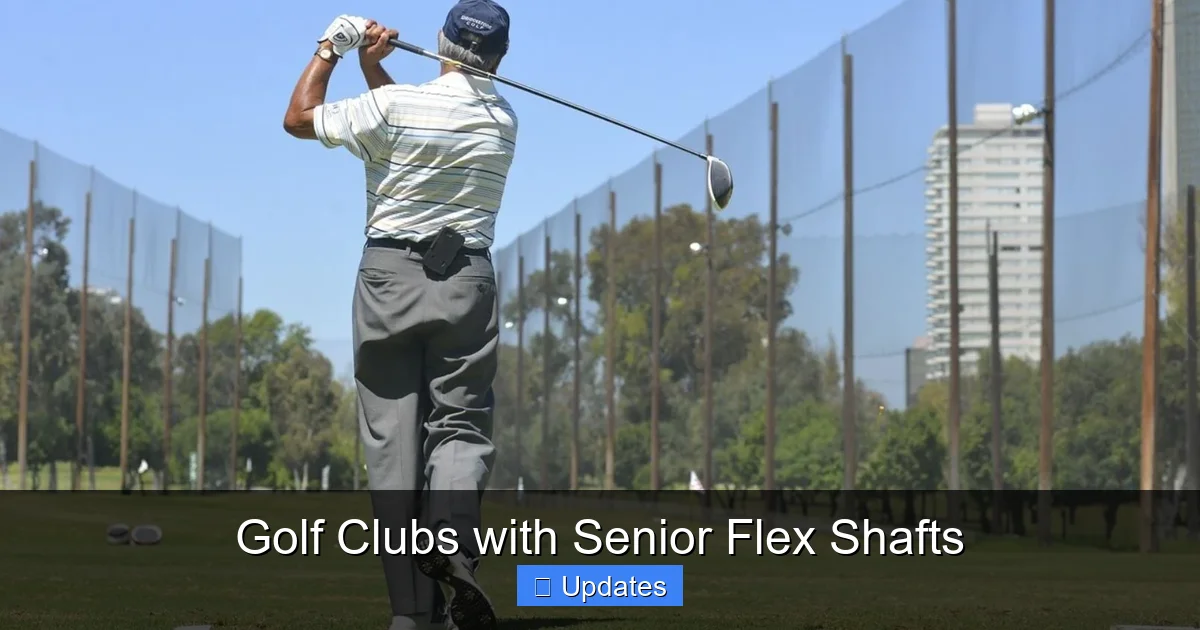
- Men aged 50+ with swing speeds below 85 mph: This is the classic demographic for senior flex. Most men over 50 see a natural drop in swing speed.
- Women of all ages: Due to generally lighter build and lower muscle mass, women often benefit greatly from senior or ladies flex—even if they’re younger.
- Beginners and high-handicap players: Learning the game is easier when you have more forgiveness and consistency. Senior flex helps new players develop rhythm and tempo.
- Seniors recovering from injury or surgery: Reducing strain on elbows, wrists, and shoulders is critical during recovery.
- Players transitioning from steel to graphite: First-time graphite users often choose senior flex because it feels lighter and less aggressive.
If you’re unsure whether senior flex is right for you, take a simple swing speed test at a local pro shop. Many offer free assessments using launch monitors.
Signs You Might Need Senior Flex
Watch for these red flags:
- You frequently miss the sweet spot, resulting in weak or thin shots.
- Your ball flies low and slices or hooks consistently.
- You experience wrist or elbow pain after playing.
- You struggle to generate distance even with good contact.
- Your current clubs feel “dead” or unresponsive.
- Clean regularly: Wipe grips and clubheads after each round. Use mild soap and water—never submerge graphite shafts.
- Store upright or flat: Avoid leaving clubs in hot cars or damp basements, which can warp shafts.
- Check grip condition: Replace worn grips every 100 rounds or so. Slippery grips hurt control and increase injury risk.
- Get periodic regripping: Moisture degrades grip tackiness over time.
- Avoid extreme temperatures: Graphite becomes brittle in freezing weather; heat causes swelling in rubber components.
If any of these sound familiar, it’s worth trying golf clubs with senior flex shafts.
Types of Senior Flex Shafts Available
Visual guide about Golf Clubs with Senior Flex Shafts
Image source: progolfshafts.co.uk
Not all senior flex shafts are created equal. Manufacturers use different materials and design philosophies to optimize performance. Let’s break down the main types:
Graphite vs. Steel Shafts
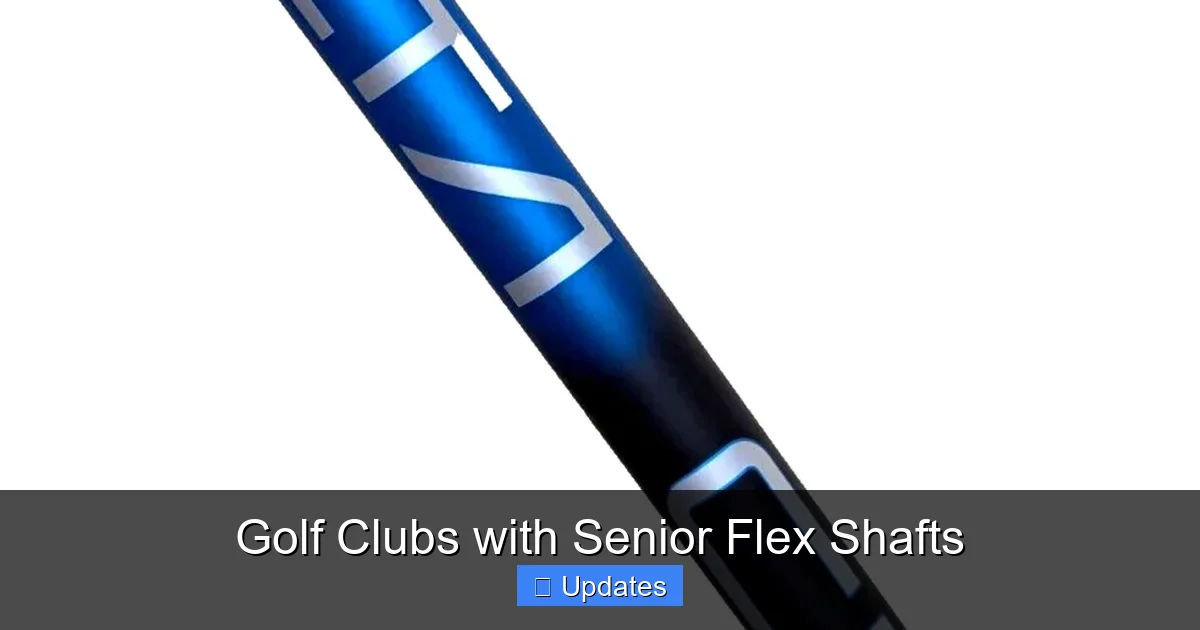
Graphite shafts are the dominant choice for senior flex due to their light weight and vibration-dampening properties. They’re especially popular in drivers and fairway woods. Steel shafts, though less common in senior-specific sets, are sometimes used in irons for added control and durability.
Mid-Kick vs. Low-Kick Point
Kick point refers to where the shaft bends most during the swing. A low-kick point shaft bends near the tip, promoting a draw bias and higher trajectory. A mid-kick point offers flatter ball flight and more workability. For most seniors, a mid-to-low kick point works best because it balances distance and control.
Torque and Weight Variations
Torque measures how much the shaft twists upon impact. Lower torque = more control. Senior flex shafts typically have moderate torque levels—not too high, not too low. Weight is another variable: ultra-light shafts (under 60 grams) maximize speed but may sacrifice stability, while heavier ones offer more feel but require slightly faster swings.
Top Brands Offering Golf Clubs With Senior Flex Shafts
Several leading manufacturers produce complete sets or allow custom fitting with senior flex options. Here are some standout brands:
Callaway
Callaway’s Epic Flash Driver and Rogue ST Irons come standard with senior flex graphite shafts. Their Smart Face technology optimizes ball speed across the face, while the lightweight design supports faster swings.
Ping
Ping’s G425 LST Driver features a low-spin design paired with senior flex shafts. Their i525 Irons also offer excellent feel and forgiveness, ideal for seniors seeking precision without sacrificing distance.
TaylorMade
TaylorMade’s Stealth 2 Driver and SIM2 Max OS Irons include senior flex options. Their Inverted Cone Technology helps maintain ball speed on off-center hits—perfect for inconsistent ball strikers.
Cobra
Cobra’s King F9 Speedzone Driver and Radspeed Irons feature proprietary shafts tuned for senior swing speeds. The brand emphasizes aerodynamics and low CG placement for higher launch.
Wilson Staff
Wilson’s Duo Forged Irons and D9 Drivers offer great value with senior flex graphite shafts. Known for affordability and quality, Wilson is a favorite among budget-conscious seniors.
Each brand has its own approach to senior flex, so it pays to demo before buying.
Custom Fitting vs. Stock Sets
While stock sets are convenient, custom fitting ensures your shafts match your exact swing dynamics. A fitter analyzes your swing speed, attack angle, and path to recommend the optimal flex, material, and bend profile.
Even within senior flex, there are subtle differences—some are softer, others stiffer. Custom fitting can help you find the sweet spot.
How to Choose the Right Set of Senior Flex Clubs
Buying golf clubs with senior flex shafts doesn’t have to be overwhelming. Follow these steps:
Step 1: Assess Your Current Game
Track your stats: average drive distance, handicap index, and swing speed. Are you struggling with distance or accuracy? Identifying weaknesses guides your club selection.
Step 2: Consider Your Skill Level
High-handicappers benefit from oversized heads and high MOI (moment of inertia) designs. Mid-handicappers may prefer balanced forgiveness and control. Pros usually avoid senior flex unless specifically fitted.
Step 3: Decide Between Complete Sets or Individual Clubs
Complete sets offer consistency across all clubs but may not perfectly fit your swing. Buying individual clubs lets you mix and match based on performance data.
Step 4: Prioritize Shaft Material and Flex
For most seniors, graphite with senior flex is the way to go. Avoid steel unless you prefer heavier feedback or plan to compete in tournaments where rules restrict certain materials.
Step 5: Try Before You Buy
Visit a PGA professional or retail store offering launch monitor demos. Hit balls with different senior flex options and note which feels most natural.
Step 6: Factor in Budget
New senior flex sets range from $300–$1,200+. Used or pre-owned clubs can save hundreds. Just ensure they’ve been properly maintained.
Maintaining Your Senior Flex Golf Clubs
Once you’ve invested in golf clubs with senior flex shafts, proper care extends their life and preserves performance:
Also, consider getting your clubs professionally cleaned annually—many pro shops offer this service.
Common Myths About Senior Flex Shafts Debunked
Despite their popularity, misconceptions persist. Let’s clear them up:
Myth #1: Senior Flex Clubs Are Only for Old People
False. Anyone with slow swing speed—regardless of age—can benefit. Many 40-year-olds with sedentary lifestyles see huge improvements.
Myth #2: You Can’t Compete With Senior Flex
Not true. Many senior tour professionals use customized senior flex shafts tailored to their unique swings. Performance isn’t dictated solely by flex.
Myth #3: All Senior Flex Shafts Feel the Same
Wrong. As mentioned earlier, there are variations in kick point, torque, and weight. Two “senior” shafts from different brands can behave very differently.
Myth #4: Graphite Is Fragile
While graphite is more delicate than steel, modern shafts are surprisingly durable. With normal use, they last years.
Myth #5: I’ll Lose Control With So Much Flex
Actually, senior flex improves consistency by encouraging better swing mechanics. You’ll likely see fewer slices and hooks.
Real-Life Success Stories: How Senior Flex Changed Lives
Meet Bob, a 68-year-old retiree who hadn’t played seriously since college. His old clubs felt dead, and he couldn’t generate enough speed to enjoy the game. After switching to a complete set with senior flex shafts, he gained 20 yards off the tee and dropped his handicap by six strokes in three months.
Then there’s Maria, a 55-year-old teacher recovering from rotator cuff surgery. Her doctor advised against heavy lifting and repetitive motion. Senior flex graphite clubs allowed her to return to golf pain-free, rebuilding confidence and social connections on the course.
These stories aren’t rare. Thousands of seniors report renewed enjoyment, improved health, and stronger community ties thanks to better equipment.
Final Thoughts: Is Senior Flex Right for You?
Golf clubs with senior flex shafts aren’t a one-size-fits-all solution, but they’re a game-changer for countless players. If you’re tired of weak shots, joint pain, or feeling left behind on the course, it’s worth exploring.
Remember: the goal isn’t just distance—it’s enjoyment, health, and staying active. Senior flex helps you play better while protecting your body.
Start by testing a few options. Talk to a knowledgeable fitter. Read reviews. And most importantly—have fun! Golf is supposed to be enjoyable, regardless of age or skill level.
With the right clubs, every senior can experience the joy of hitting a long, straight drive off the tee. The secret? Let the shaft do the work.
Frequently Asked Questions
What does senior flex mean on golf clubs?
Senior flex refers to the softest standard shaft flex, labeled “A” or “Senior.” It’s designed for golfers with slower swing speeds (typically under 85 mph), offering more bend and flexibility for increased clubhead speed and distance.
Are senior flex shafts only for older golfers?
No, senior flex shafts benefit anyone with reduced swing speed—regardless of age. Women, beginners, and injured players often gain significant advantages from this softer flex compared to regular or stiff shafts.
Can I use senior flex shafts in all clubs?
Yes, but drivers, fairway woods, and hybrids benefit most from senior flex due to their role in maximizing distance. Irons can also use senior flex, though some players prefer steel for added control and feel.
How do I know if I need senior flex?
If you average less than 85 mph swing speed, frequently miss the sweet spot, or feel pain in your wrists/elbows, senior flex could help. A launch monitor test at a pro shop provides definitive guidance.
Are graphite senior flex shafts better than steel?
For most seniors, yes. Graphite is lighter, reduces vibration, and promotes faster swing speed. Steel is heavier and transmits more shock, which may bother those with joint sensitivities.
Where can I buy golf clubs with senior flex shafts?
Reputable golf retailers, online stores like Golf Galaxy or PGA Tour Superstore, and manufacturer websites (Callaway, TaylorMade, etc.) offer complete sets or custom options with senior flex. Used clubs are also available at discounted prices.