
Faith-based Senior Nursing Home


Bed Rails for Elderly Adults Safety, 380 LBS

Moen 18 Inch Shower Grab Bar

CallToU Caregiver Pager with 2 Wireless Call Buttons for Elderly
Faith-based senior nursing homes combine professional medical care with spiritual guidance, creating a nurturing environment where aging adults receive both physical and emotional support. These facilities often feature prayer services, Bible studies, and chaplain visits, helping residents maintain their religious identity while enjoying dignity and respect. For families seeking compassionate end-of-life or long-term care options rooted in shared values, faith-based senior nursing homes provide peace of mind through integrated care and meaningful community connections.
When it comes to choosing a place for your loved one as they age, the decision often weighs heavily on love, safety, and respect. But what if that home could also reflect your family’s values? That’s where faith-based senior nursing homes come in—places that blend compassionate elder care with spiritual support, creating a sanctuary not just for bodies, but for souls.
These specialized facilities go beyond standard assisted living or skilled nursing by weaving religious traditions into everyday routines. Whether your loved one is a lifelong Methodist, devout Catholic, faithful Muslim, or part of another tradition, these homes can offer familiar rituals, trusted guidance, and a sense of belonging that money alone cannot buy. In this article, we’ll explore everything you need to know about faith-based senior nursing homes, from how they operate to how to find the right fit for your family.
Key Takeaways
- Spiritual Integration: Faith-based senior nursing homes offer regular worship services, prayer groups, and access to chaplains, allowing residents to practice their beliefs daily.
- Holistic Care Approach: These facilities focus not only on physical health but also on emotional and spiritual well-being, promoting overall quality of life.
- Trained Religious Staff: Many staff members are trained in pastoral care and understand the unique needs of residents from specific faith traditions.
- Community Connection: Residents often participate in intergenerational programs, church events, and volunteer opportunities that strengthen social bonds.
- Family Involvement: Families appreciate transparency, visitation policies aligned with religious customs, and open communication about care decisions.
- Ethical End-of-Life Options: Some facilities offer hospice or palliative care with a strong emphasis on dignity, forgiveness, and spiritual preparation.
- Funding & Affordability: While costs may vary, many faith-based organizations offer sliding-scale fees, scholarships, or partnerships with religious charities to assist low-income families.
📑 Table of Contents
- What Is a Faith-Based Senior Nursing Home?
- Benefits of Choosing a Faith-Based Nursing Home
- Types of Faith-Based Senior Nursing Homes
- How to Choose the Right Faith-Based Nursing Home
- Financial Considerations and Assistance Programs
- Supporting Your Loved One’s Spiritual Journey
- Future Trends in Faith-Based Elder Care
What Is a Faith-Based Senior Nursing Home?
At its core, a faith-based senior nursing home is a residential facility designed specifically for older adults who require some level of medical or personal assistance. Unlike secular nursing homes, these institutions are affiliated with religious organizations—such as churches, synagogues, mosques, or denominational charities—and integrate spiritual practices into their care model.
This doesn’t mean residents must convert to a new religion; rather, the environment honors and respects existing beliefs. For example, a resident who grew up Catholic might attend weekly Mass, receive Holy Communion, or meet with a priest during difficult times—all within the walls of their care facility.
Many of these homes began decades ago when congregations recognized gaps in care for elderly members. As communities aged, pastors noticed parishioners struggling with loneliness, illness, or financial hardship. The solution? Build homes where faith and function coexist. Today, over 30% of U.S. nursing homes have some form of religious affiliation, though only a fraction actively promote daily spiritual engagement.
The Role of Chaplains and Pastoral Care
One of the most distinctive features of faith-based senior nursing homes is the presence of trained chaplains. These individuals—often ordained clergy or seminary students—provide counseling, sacraments, and comfort tailored to each resident’s denomination.
Imagine your grandmother nearing her final days. A chaplain might sit beside her bed, read scripture, pray together, or simply listen without judgment. This kind of presence is rare in conventional nursing homes but common in faith-affiliated ones. It reassures residents that their spiritual journey continues uninterrupted by institutionalization.
In addition to one-on-one sessions, chaplains often lead group Bible studies, Quran recitations, or interfaith dialogues depending on the population served. They also help families navigate grief, make funeral arrangements, and process loss—always within a framework of compassion and belief.
Daily Rituals That Matter
Daily life in a faith-based senior nursing home often includes moments that ground residents in their identity. Morning prayers might start the day, followed by breakfast and medication management. Afternoon activities could include hymn singing, meditation, or storytelling circles centered around sacred texts.
For Jewish residents, Shabbat meals with candle lighting and kiddush are preserved. Muslims may enjoy daily salah (prayer) times, halal meals, and access to a muezzin during Ramadan. Even non-practicing seniors benefit from the quiet reverence such environments cultivate.
These rituals aren’t performative—they’re real, intentional acts meant to affirm dignity and continuity. When someone says, “I still believe,” they’re more likely to feel heard, seen, and cherished in a place where belief is woven into the fabric of care.
Benefits of Choosing a Faith-Based Nursing Home
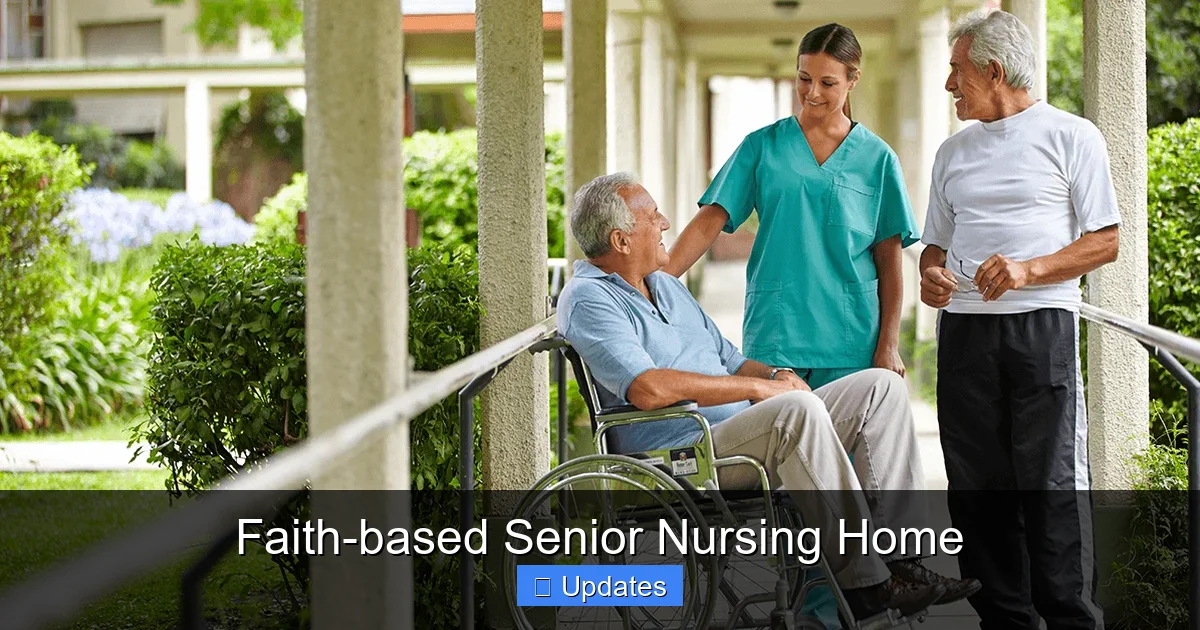
Visual guide about Faith-based Senior Nursing Home
Image source: nursinghomeabusecenter.com
Families considering faith-based senior nursing homes often wonder: “Will my parent lose touch with their roots?” Or, “Can this really be better than a regular facility?” The answer depends on individual needs, but numerous advantages stand out.
First, there’s the psychological comfort. Studies show that people who maintain strong spiritual beliefs tend to cope better with chronic illness, depression, and mortality anxiety. In a faith-based senior nursing home, those beliefs aren’t sidelined—they’re celebrated.
Second, these homes frequently foster deeper community ties. Residents bond over shared values, attend church together, and sometimes even mentor younger congregants. This reduces isolation, which is a major risk factor for cognitive decline and premature death among elders.
Third, ethical consistency helps avoid conflicts. If your family is Christian and wants to ensure euthanasia isn’t pursued without consent, or if you prefer palliative over aggressive treatment, a faith-aligned home can honor those wishes more reliably than secular institutions.
Finally, many faith-based senior nursing homes partner with local parishes, schools, and nonprofits. This means extra resources—like free transportation to worship services, discounted meal plans, or volunteer companionship—that wouldn’t exist otherwise.
Real Stories From the Field
Take the case of Margaret, an 87-year-old widow from rural Georgia. After a stroke left her unable to live independently, her daughter searched high and low for a nursing home that allowed her to continue attending Sunday services. Most places refused or offered only token chapel visits. Then she found Grace Pointe Retirement Community—a Baptist-affiliated facility with a full-time minister, daily devotions, and a chapel large enough for congregation-sized gatherings.
“Mom cried every morning when she woke up,” her daughter recalls. “Not because she was sad—but because she felt at home. She passed away six months later surrounded by family, having sung hymns until her last breath.”
Stories like Margaret’s aren’t uncommon. Another example involves Mr. Alvarez, a Spanish-speaking Catholic whose children worried he’d be lost in translation at a non-Spanish-speaking facility. At St. Jude’s Nursing Home—run by Franciscan sisters—he received rosary beads, attended Spanish Mass weekly, and ate traditional foods prepared by nuns. His grandchildren visited regularly, knowing Dad wasn’t just surviving—he was thriving spiritually.
Addressing Concerns About Proselytization
Some families hesitate to choose a faith-based senior nursing home because they fear pressure to convert. Reputable facilities strictly prohibit proselytizing. Their mission isn’t to grow membership but to serve vulnerable elders with integrity.
Look for accreditations like CARF (Commission on Accreditation of Rehabilitation Facilities) or state licensing that mandates respect for diverse beliefs—even within faith-affiliated homes. Ask direct questions during tours: “Are non-believers welcome here?” “Can I bring my own religious materials?” “Is there opt-out for prayer services?”
Transparency is key. Legitimate faith-based senior nursing homes celebrate inclusion, not exclusion.
Types of Faith-Based Senior Nursing Homes
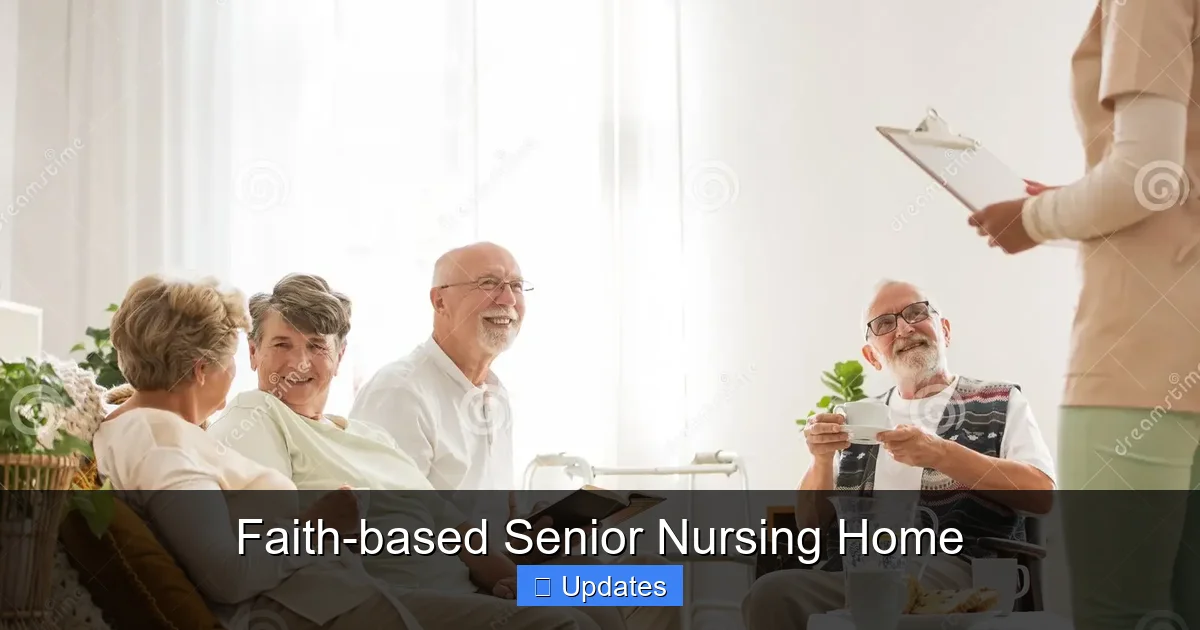
Visual guide about Faith-based Senior Nursing Home
Image source: thumbs.dreamstime.com
Not all faith-based senior nursing homes are created equal. They vary widely in size, service level, and theological emphasis. Understanding the differences helps families match needs with the best environment.
Denominational Homes
These are tied directly to a specific church body—Methodist, Lutheran, Presbyterian, etc. They often prioritize doctrinal alignment but still welcome interfaith couples or lapsed believers. Services reflect denominational norms: Lutherans might emphasize liturgy; Baptists focus on preaching and believer’s baptism.
Interfaith or Ecumenical Facilities
Increasingly popular, these homes serve multiple faiths under one roof. Residents choose between Catholic Mass, Protestant sermons, Jewish seder meals, or Islamic fasting schedules during Ramadan. Chaplains rotate weekly or offer drop-in counseling. This model suits diverse urban populations or military families with shifting assignments.
Charitable Foundations
Some faith-based senior nursing homes operate as nonprofit arms of larger faith groups. Examples include Catholic Charities, Salvation Army, or Islamic Relief USA. They rely on donations, grants, and volunteer labor to keep costs low while maintaining high standards.
Hospice-Focused Faith Homes
Specialized units within bigger facilities cater to terminally ill patients. End-of-life care emphasizes spiritual closure: confession, last rites, legacy projects, and family reconciliation. Hospice chaplains coordinate with physicians to align medical decisions with religious ethics.
Affordable vs. Luxury Models
Cost varies wildly. While some faith-based senior nursing homes charge premium rates for private rooms and gourmet meals, others run on modest budgets. Low-income seniors may qualify for Medicaid waivers or faith-based scholarships. Always ask about payment flexibility.
How to Choose the Right Faith-Based Nursing Home
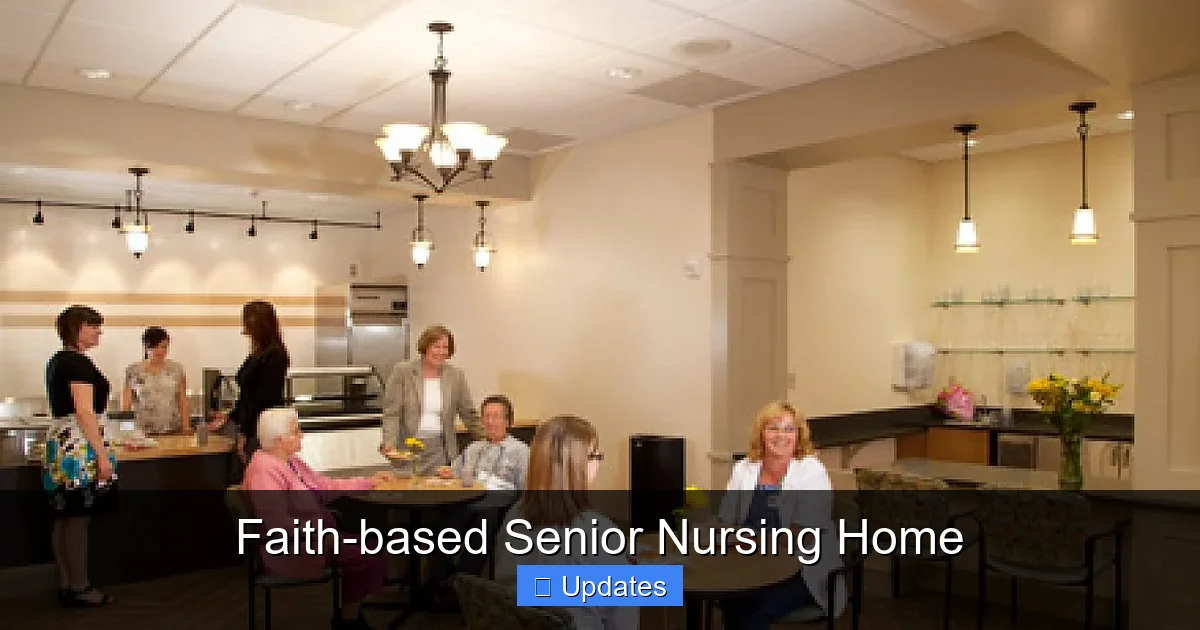
Visual guide about Faith-based Senior Nursing Home
Image source: kahlhome.org
Finding the perfect faith-based senior nursing homes starts with honest reflection. What does your loved one value most? Daily worship? Dietary restrictions based on faith? Accessibility for mobility issues? Family involvement?
Begin by consulting your pastor, rabbi, imam, or spiritual advisor. They often have recommendations or even own nearby facilities. Next, tour at least three options—ideally two secular and one faith-based—to compare atmospheres.
During visits, observe:
– How staff interact with residents (is it respectful and warm?)
– Are there visible symbols of faith (crucifixes, prayer mats, Torah scrolls)?
– Do residents seem engaged or withdrawn?
– Is there a dedicated chapel or quiet room for reflection?
Ask pointed questions:
– “Can we schedule a visit during prayer time?”
– “Do you accommodate special dietary needs for religious reasons?”
– “How do you handle end-of-life decisions in line with our beliefs?”
Also verify credentials: Is the facility licensed? Does it accept Medicare/Medicaid? Has it passed recent inspections?
Finally, involve your loved one. Even if they can’t speak clearly, watch their reactions. Do they light up when shown a stained-glass window? Nod during a hymn? These small cues reveal whether a place feels like *home*—not just a stopgap solution.
Red Flags to Avoid
Be wary if:
– The staff refuses to discuss alternative spiritual practices.
– Meals don’t account for kosher, halal, or vegetarian preferences.
– Visitation rules contradict your family’s availability.
– There’s no written policy against proselytizing.
Trust your gut. If something feels off during the tour, keep looking.
Financial Considerations and Assistance Programs
Cost is a reality for most families. The average monthly rate for a private room in a nursing home exceeds $10,000 nationwide—but faith-based senior nursing homes aren’t always cheaper. However, many offset expenses through creative funding.
Medicare and Medicaid
Both programs cover skilled nursing care in certified facilities—including some faith-affiliated ones—but only after a hospital stay of at least three days. Medicaid eligibility varies by state and income level. Some faith-based senior nursing homes specialize in serving Medicaid recipients and may streamline enrollment.
Faith-Based Grants and Scholarships
Many religious charities offer aid. For instance, Catholic Charities provides subsidies for low-income seniors; the Lutheran Brotherhood Foundation funds memory-care units. Contact the facility’s administrator early to inquire.
Veterans Benefits
Veterans (and surviving spouses) may qualify for Aid and Attendance benefits, which can cover up to $2,400/month toward private nursing care. Some faith-based senior nursing homes partner with veteran service officers to help applicants.
Sliding Scale Fees
Some facilities adjust tuition based on ability to pay. Others offer “pay-what-you-can” models during slow seasons. Don’t assume affordability equals lower quality—ask for references from similar-income families.
Long-Term Care Insurance
Check your policy details. Most comprehensive plans cover nursing homes regardless of ownership type, including faith-based ones.
Remember: upfront cost shouldn’t overshadow long-term value. A slightly pricier faith-based senior nursing homes may reduce hidden expenses like emergency hospitalizations or behavioral interventions due to untreated loneliness or depression.
Supporting Your Loved One’s Spiritual Journey
Even if your family isn’t deeply religious, supporting your parent’s spiritual needs shows profound respect. Here’s how:
– **Bring photos of holy sites or scripture verses** to brighten their room.
– **Schedule regular visits during worship hours**, even if you don’t participate.
– **Ask open-ended questions**: “What part of the sermon spoke to you today?”
– **Celebrate religious holidays together**—Easter brunch, Hanukkah menorah lighting, Eid dinners.
– **Encourage journaling or art projects** related to their beliefs.
For non-believers, acknowledge that meaning-seeking is universal. Many faith-based senior nursing homes offer humanist or philosophical discussions alongside spiritual ones.
The goal isn’t conversion—it’s honoring the person your loved one has become.
Future Trends in Faith-Based Elder Care
As America ages, demand for culturally competent, spiritually aware care will rise. Already, we see innovation in tele-chaplaincy (virtual counseling), intergenerational ministry programs, and AI-assisted prayer reminders for cognitively impaired residents.
Some faith-based senior nursing homes now incorporate mindfulness apps compatible with Buddhist or Hindu practices. Others host “faith cafes” where skeptics and believers share meals and stories.
Technology also improves accessibility. Video calls let residents attend distant church services. Smart beds monitor vital signs while respecting modesty norms during prayer times.
And sustainability matters too. Green building designs—solar panels, rainwater harvesting—align with stewardship teachings in many religions.
The future points toward personalized, holistic care where body, mind, and spirit heal together.
Frequently Asked Questions
Are faith-based senior nursing homes only for religious people?
No, many faith-based senior nursing homes welcome residents of all backgrounds. While they integrate spiritual elements, they prioritize respect for individual beliefs and often offer interfaith options. Non-believers report feeling calmer and more respected in these environments.
How do I know if a facility is truly reputable?
Check state inspection reports, CARF accreditation, staff-to-resident ratios, and resident satisfaction surveys. Visit unannounced if possible. Ask current families about responsiveness, cleanliness, and how staff handle emergencies.
Can my loved one still receive secular medical care?
Absolutely. All nursing homes must comply with federal healthcare standards. Faith-based senior nursing homes provide the same medical services as secular facilities—plus optional spiritual support. Doctors, nurses, and therapists follow evidence-based protocols regardless of the home’s religious ties.
What if my family disagrees on care decisions?
Most faith-based senior nursing homes require legal documentation like power of attorney or advance directives. Bring these to the tour so everyone agrees on who can make decisions. Chaplains can also mediate conflicts by focusing on shared values.
Are meals adapted to religious dietary laws?
Yes, especially in Catholic, Jewish, Muslim, or Hindu-affiliated homes. Kosher, halal, vegetarian, and gluten-free options are standard. During festivals like Passover or Lent, menus change accordingly. Always confirm dietary accommodations during admission.
How involved can families be?
Very! Most faith-based senior nursing homes encourage frequent visitation, holiday participation, and even volunteer roles (e.g., reading scripture, gardening). Some host potlucks open to extended family. Policies vary, so clarify expectations early.