
Examples of Senior Pages for Yearbooks


Levoit Classic 300S Cool Mist Humidifier
RMS Deluxe Sock Aid with Foam Handles

Telescopic Grabber Reacher Tool, 5-Level Adjustable Length
Senior yearbook pages are more than just photos—they’re a celebration of your high school journey. From classic spreads to modern designs, these pages tell your unique story in style. Whether you’re planning your own or helping design one, this guide offers creative ideas, layout tips, and real examples to make your senior page stand out.
Key Takeaways
- Personalization is key: The best senior pages reflect the individual’s personality, interests, and achievements through photos, quotes, and creative themes.
- Layout matters: A well-balanced design with clear headings, photo grids, and white space enhances readability and visual appeal.
- Include meaningful content: Add class memories, favorite subjects, extracurricular highlights, and heartfelt messages from friends and family.
- Use consistent branding: Stick to school colors, fonts, and logos to maintain a cohesive look that aligns with the yearbook’s overall theme.
- Think beyond photos: Incorporate fun facts, inside jokes, awards, and future goals to create a dynamic and engaging narrative.
- Proofread carefully: Typos or errors can distract from the page’s impact, so always double-check names, dates, and facts before printing.
- Inspiration drives creativity: Review past yearbooks, online galleries, and professional templates to spark fresh ideas tailored to your story.
📑 Table of Contents
- Why Senior Pages Matter in Yearbooks
- Classic Senior Page Layouts That Still Work Today
- Modern & Creative Senior Page Ideas
- How to Choose the Right Photos for Your Senior Page
- Writing Tips for Captions and Bios
- Common Mistakes to Avoid
- Getting Feedback Before Finalizing
- Digital vs. Print: Which Format Works Best?
- Final Thoughts: Make Your Mark
Why Senior Pages Matter in Yearbooks
Senior year is more than just the final chapter of high school—it’s the culmination of years of hard work, friendships, and personal growth. Your senior pages in the yearbook are the perfect way to commemorate this milestone. These dedicated sections aren’t just about showing off your senior portraits; they’re storytelling tools that capture who you are at this pivotal moment in life.
Imagine flipping through your yearbook years from now and landing on your page. What will it say about you? Will it show your passion for robotics, your love of music, or your unforgettable pranks on Mr. Jenkins? The right layout with thoughtful design can make all the difference. Senior pages allow students to express their individuality while celebrating shared experiences like prom, graduation ceremonies, and team victories.
Classic Senior Page Layouts That Still Work Today
While trends come and go, some senior page designs remain timeless. These layouts focus on clarity, elegance, and strong visual storytelling—perfect for students who want something traditional yet meaningful.
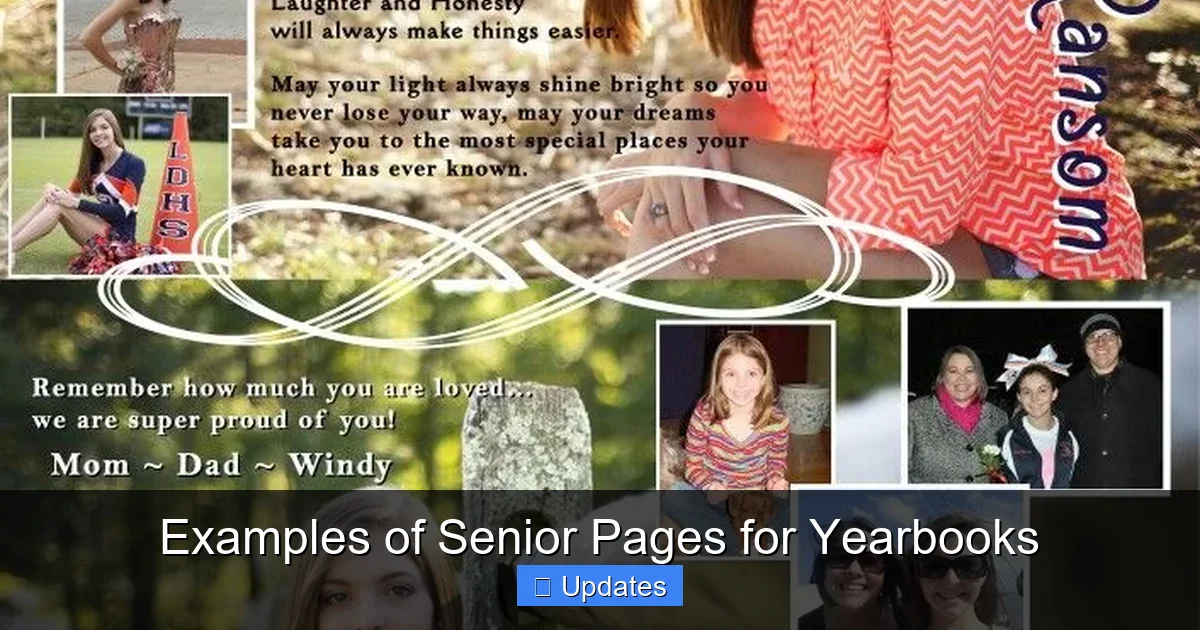
Visual guide about Examples of Senior Pages for Yearbooks
Image source: i.pinimg.com
The Two-Photo Grid
This simple yet effective design features two large senior photos side by side, often with a bold name header and a short caption below. It’s clean, easy to read, and works great when you have contrasting expressions or poses—like one formal portrait and one candid shot laughing.
For example, Emma Thompson used this layout with her black-and-white senior photo next to a color candid of her playing violin at the school recital. Her caption read: “Music isn’t my major—but it’s my soul.” This subtle nod to her passion made the page feel authentic and heartfelt.
The Vertical Timeline
A vertical timeline breaks down your high school journey into key moments: freshman orientation, first sports game, junior prom, and finally, graduation day. Each milestone includes a small photo and brief description. This layout helps tell the full story of your four years and is especially popular among students involved in multiple activities.
Take Jake Ramirez’s timeline page: he highlighted his soccer career, his role as student council treasurer, and his volunteer work at the local animal shelter. By organizing his achievements chronologically, Jake gave readers a clear picture of his growth and dedication.
The Quote-Driven Spread
This design centers around an inspirational quote—either from a famous figure or something personal you wrote yourself. Large typography makes the quote pop, while smaller photos surround it. It’s ideal for students who want their words to carry weight and meaning.
Sophia Chen chose the quote, “The future belongs to those who believe in the beauty of their dreams,” from Eleanor Roosevelt. She paired it with four images: her debate team trophy, a self-drawn sketchbook cover, her acceptance letter to art school, and a group photo with her closest friends. The result was both poetic and powerful.
Modern & Creative Senior Page Ideas
If you’re feeling adventurous, why not break away from the standard formats? Modern senior pages embrace bold colors, unconventional layouts, and multimedia elements—even if it’s just clever use of text boxes and graphic icons.
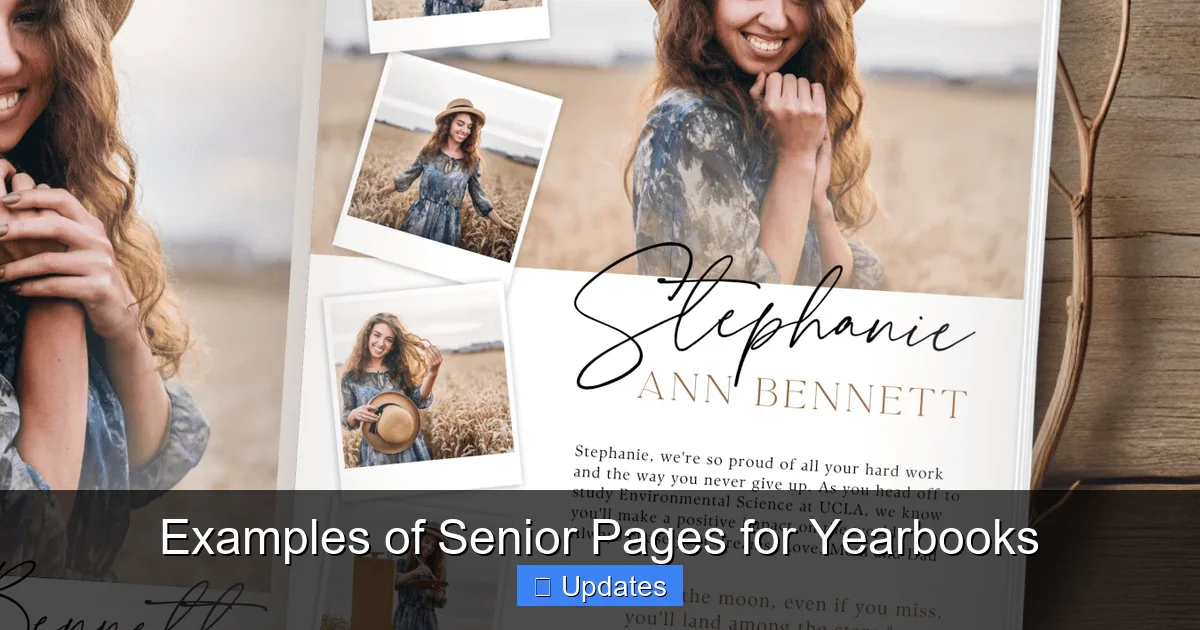
Visual guide about Examples of Senior Pages for Yearbooks
Image source: strawberrykit.com
Theme-Based Designs
Choose a theme that reflects your identity or interests. For instance, a travel lover might design a world map with pins marking places they’ve visited or dreamed of going. A gamer could use pixel art borders and console-style fonts. The key is consistency—use colors, symbols, and imagery throughout the page to reinforce the concept.
Marcus Lee, a film enthusiast, created a “director’s chair” theme. His page featured a mock movie poster background, with photos arranged like scenes from a short film titled “Four Years Later.” Even the captions were written as scene descriptions: “Act I: The Freshman Fear,” “Act III: Prom Night Drama,” etc. It was playful, original, and totally unforgettable.
Photo Montages with Captions
Instead of labeling every photo with tiny text, try letting each image speak for itself—using longer, reflective captions beneath or beside them. This creates a journal-like feel and invites readers to pause and reflect.
Lila Patel filled her page with candid shots from band camp, science fair prep, and late-night study sessions. Each photo had a single line like, “This is where I realized chemistry wasn’t so scary,” or “When the band director cried during our last rehearsal—we knew it was time.” These little stories made her page deeply personal.
Interactive Elements (Even in Print!)
You don’t need digital interactivity to be interactive. Try fold-out sections, pull-tabs, or even QR codes linking to a video message from your future self. Some schools print scratch-off stickers that reveal motivational messages—great for adding surprise and engagement.
At Lincoln High, students designed pages with “future prediction” sections. One student included a scratch-off area that said, “Will I travel to Japan?” After graduation, classmates could peel it back to see their guess. It added a fun layer of community connection.
How to Choose the Right Photos for Your Senior Page
Photos are the heartbeat of any senior page in a yearbook. But selecting the right ones isn’t just about aesthetics—it’s about authenticity. Here’s how to pick pictures that truly represent you.

Visual guide about Examples of Senior Pages for Yearbooks
Image source: i.pinimg.com
Mix Formal and Candid Shots
Include at least one professional senior portrait alongside casual, everyday images. The contrast shows both your polished side and your true self. For example, pair a studio photo with one of you blowing bubbles at recess or fixing a bike chain behind the gym.
Show Your Passions
If you’re in band, include a photo of you mid-performance. If you write poetry, show your notebook open to a favorite piece. These visuals tell more than words ever could.
Capture Relationships
Group shots with close friends, teammates, or mentors add warmth and context. They remind others how connected you are to your school community. Just make sure everyone looks happy and engaged—not forced or blurry.
Consider Diversity of Settings
Don’t limit yourself to the school building. Photos taken at home, on field trips, or during internships offer variety and depth. A photo of you gardening at your grandma’s house can say more than a thousand classroom shots.
Writing Tips for Captions and Bios
Your words matter almost as much as your pictures. Well-written captions and bios bring your page to life, while poorly worded ones can leave it feeling flat or confusing.
Keep It Concise but Meaningful
Aim for 1–2 sentences per caption. Too much text overwhelms the eye. Instead of listing every club you joined, focus on what mattered most: “Joining drama club changed everything. Mrs. Alvarez gave me voice when I didn’t know I needed one.”
Use First-Person Voice
Write like you’re telling your story to a friend. Avoid overly formal language or clichés like “best years of my life.” Be honest—even vulnerable. Readers connect more with realness than perfection.
Highlight Growth, Not Just Achievements
Mention challenges overcome, fears faced, or lessons learned. Did you start shy and become a debate champion? Did you fail a test but study harder next time? These moments define character far more than trophies do.
Add Humor When Appropriate
Laughter is contagious. A lighthearted caption about surviving calculus or accidentally wearing mismatched shoes to prom can make your page memorable without sacrificing dignity.
Common Mistakes to Avoid
Even the most talented students make mistakes when designing their yearbook pages. Being aware of these pitfalls can save you time and stress—and ensure your page stands out for the right reasons.
Rushing the Process
Many students wait until the last minute to submit their content. This leads to rushed layouts, typos, and missed deadlines. Start early! Give yourself weeks to gather photos, write captions, and revise.
Overloading the Page
Less is often more. Don’t cram ten photos and three paragraphs into one column. Let your content breathe with white space. A cluttered page feels chaotic and hard to read.
Neglecting Proofreading
Misspelled names, incorrect dates, or wrong class ranks are embarrassing and distracting. Always have a teacher, parent, or peer review your submission before finalizing.
Ignoring School Guidelines
Each yearbook has rules about size limits, font types, and submission formats. Skipping these can delay approval or get your page rejected entirely. Check with your yearbook advisor early!
Using Low-Quality Images
Blurry, dark, or pixelated photos ruin an otherwise great page. Use high-resolution images and avoid resizing originals too much. If you’re unsure, ask your photographer for copies.
Getting Feedback Before Finalizing
Your final draft should reflect input from trusted sources. Getting feedback doesn’t mean someone else takes over—it means collaborating to make your page stronger.
Ask Close Friends and Family
People who know you well can spot gaps or suggest additions. Does your page show your sense of humor? Your kindness? Your determination? Their perspectives help round out your story.
Consult Teachers or Counselors
They’ve seen your journey unfold. Ask if your achievements are accurately represented and if your tone matches your personality. They might also catch factual errors you missed.
Test Readability
Print out a sample or share it digitally with a few people. Ask: Is it easy to follow? Are the photos clear? Do the captions make sense? Adjust based on what feels natural to readers.
Digital vs. Print: Which Format Works Best?
With digital yearbooks becoming more common, students sometimes wonder whether to prioritize online or printed layouts. Both have strengths—and considerations.
Digital Yearbook Advantages
Digital formats allow for animations, embedded videos, hyperlinks, and easy updates. Students can revisit their pages anytime on smartphones or tablets. Plus, sharing is instant—ideal for social media tributes.
However, screen time limits engagement. Tiny fonts and compressed images may reduce quality. Also, not everyone owns reliable devices to view them properly.
Print Yearbook Advantages
Tangible yearbooks create lasting keepsakes. You can flip pages, highlight passages, and pass them down through generations. High-quality printing preserves photo clarity and design details beautifully.
But print costs money, and mistakes are permanent. Layout flexibility is limited once paper is set in press.
Hybrid Approach? Why Not Both!
Some schools offer both options. Use digital for interactive extras (like audio messages) and print for the main layout. This gives students choice and flexibility.
Final Thoughts: Make Your Mark
Your senior page in the yearbook isn’t just another formality—it’s your legacy. It’s proof that you existed, thrived, and left your mark on your school community. Whether you go classic or go wild, the goal is the same: to honor your journey in a way that feels true to who you are.
Remember, there’s no “right” way to design your page. What matters most is that it tells your story—with honesty, creativity, and pride. So gather your best shots, brainstorm bold ideas, and don’t be afraid to take risks. After all, senior year only happens once.
Frequently Asked Questions
What should I include on my senior yearbook page?
Include a mix of senior portraits and candid photos, your name, class rank (if applicable), favorite subjects, extracurricular activities, quotes, and personal messages from friends or family. Focus on what makes you unique.
Can I customize my senior yearbook page layout?
Yes! Most yearbooks allow some level of customization within school guidelines. Talk to your yearbook staff about approved templates, font sizes, and image dimensions to create a personalized design.
How many photos should I submit for my senior page?
Typically, 4–8 high-quality photos work well. Too many can clutter the page, while too few may leave it sparse. Choose images that showcase different aspects of your personality and interests.
Should I write my own captions or let someone else do it?
Always write your own captions if possible. They’ll reflect your voice and perspective. If time is tight, ask a close friend or family member to proofread—but keep the wording authentic.
Are there rules about senior yearbook submissions?
Yes. Schools often have deadlines, formatting requirements, and content limits. Check with your yearbook advisor early to avoid rejections or delays. Ignoring guidelines can cost you valuable placement.
Can I include future plans on my senior page?
Absolutely! Many students add college acceptances, career goals, or aspirations like “Marine Biologist” or “Teacher.” This adds depth and shows growth beyond high school.