
Senior Living Food Service Companies


Adaptive Eating Utensils

Gardening Kneeler Bench

Voice Assistant Smart Speaker
Senior living food service companies are transforming how older adults eat by offering nutritious, personalized meals that support health and dignity. These specialized providers design menus for common health conditions, use fresh ingredients, and often integrate with wellness programs to improve residents’ overall well-being.
When we think about what makes a senior living community truly welcoming, comfort, safety, and access to nutritious food all come to mind. But one often overlooked piece of the puzzle is the quality of food service. That’s where senior living food service companies play a vital role. These specialized providers don’t just cook meals—they craft experiences that nourish both body and spirit.
In today’s aging population, more people than ever are choosing independent or assisted living communities. And with that shift comes an increased focus on holistic wellness—including what gets served at breakfast, lunch, and dinner. Whether it’s managing chronic conditions through diet or simply enjoying a warm cup of tea in a quiet dining room, food is deeply tied to identity and daily joy.
Let’s explore why senior living food service companies matter so much, how they operate, and what sets them apart from traditional restaurant or hospital food services.
Key Takeaways
- Personalized Nutrition: Many senior living food service companies create customized meal plans based on dietary restrictions, cultural preferences, and medical needs such as diabetes or heart disease.
- Dining Experience Focus: Beyond nutrition, these companies emphasize social dining, communal meals, and comfortable environments—key factors in encouraging seniors to eat well and stay engaged.
- Integration with Care Plans: Top providers work closely with healthcare teams to align meals with individual care goals, medication schedules, and physical limitations.
- Technology & Innovation: Modern operators use digital menu boards, allergy tracking software, and telehealth integration to streamline operations and improve resident satisfaction.
- Staff Training & Expertise: Staff are trained not only in culinary arts but also in geriatric nutrition, dementia-friendly service, and communication techniques tailored to aging populations.
- Compliance & Safety: Reputable senior living food service companies follow strict health codes, maintain HACCP plans, and conduct regular audits to ensure food safety and regulatory compliance.
- Cost-Effective Partnerships: Community operators often outsource food services to reduce overhead while accessing expertise that might be hard to develop in-house.
📑 Table of Contents
What Are Senior Living Food Service Companies?
At their core, senior living food service companies are businesses dedicated exclusively (or primarily) to feeding older adults in residential settings. This includes independent living communities, memory care units, skilled nursing facilities, continuing care retirement communities (CCRCs), and even some home-based care models.
Unlike commercial restaurants or large-scale institutional cafeterias, these providers tailor every aspect of food delivery—from menu planning to plating style—to meet the unique needs of seniors. They understand that swallowing difficulties, reduced taste buds, and mobility challenges can make eating less enjoyable or even dangerous if not addressed properly.
For example, a company serving a community like Laurel Parc Senior Living Community Photos might design soft-textured meals for residents with dementia or offer smaller portion sizes to prevent waste among those who eat less due to appetite changes.
These companies also invest heavily in staff training. Servers aren’t just there to serve food—they’re trained in gentle communication, patience, and recognizing signs of distress during mealtimes. In many cases, they help residents who need assistance with utensils or have trouble reaching their mouths.
The Difference Between General and Specialized Food Services
You might wonder: why can’t any catering company handle senior meals? The answer lies in specialization.
General food service providers may lack experience with common age-related conditions like dysphagia (swallowing disorders), diabetes, or kidney disease. A one-size-fits-all approach could lead to malnutrition, choking risks, or worsening health outcomes.
In contrast, senior living food service companies employ registered dietitians who consult regularly with residents’ doctors and nurses. They adjust recipes without sacrificing flavor—using herbs instead of salt, pureed vegetables instead of raw ones, and nutrient-dense ingredients to compensate for lower caloric intake.
They also consider psychological factors. For instance, studies show that eating alone can contribute to depression in older adults. So, top-tier providers arrange seating to encourage conversation, play soft background music, and sometimes even host themed dinners (like Italian night or garden brunch).
Why Nutrition Matters More Than Ever

Visual guide about Senior Living Food Service Companies
Image source: americanorchardsaz.com
As we age, our bodies change in ways that directly impact how we eat and absorb nutrients. Muscle mass declines, metabolism slows, and digestive efficiency drops. At the same time, many seniors face multiple chronic illnesses requiring careful dietary management.
This is precisely why senior living food service companies are essential partners in healthy aging.
Take protein, for example. Older adults need adequate protein to maintain muscle strength—critical for preventing falls and staying mobile. Yet, research shows up to 40% of seniors consume less than recommended amounts. Skilled food service providers ensure every meal includes lean proteins like grilled chicken, fish, eggs, or legumes, often disguised in tasty formats like meatloaf or lentil soup.
Similarly, hydration is frequently overlooked. Thirst sensation diminishes with age, increasing dehydration risk. Many senior living food service companies incorporate water-rich foods into meals—think melons, soups, and smoothies—and remind residents throughout the day to drink fluids.
Another major concern is weight loss and sarcopenia (muscle wasting). Malnutrition affects nearly half of all nursing home residents, according to federal data. To combat this, some providers offer supplemental nutrition drinks or snacks between meals, especially for those recovering from illness or surgery.
Addressing Common Dietary Challenges
Each senior has different needs, but certain issues are widespread:
- Dysphagia: Requires pureed or mechanically altered foods to reduce choking risk.
- Diabetes: Needs balanced carbohydrates, controlled portions, and consistent timing.
- Hypertension: Calls for low-sodium options without compromising taste.
- Osteoporosis: Benefits from calcium-rich foods like fortified plant milk or yogurt.
- Constipation: Can be eased with fiber from fruits, vegetables, and whole grains.
Leading senior living food service companies don’t treat these as separate problems—they weave solutions into everyday menus. For instance, a diabetic-friendly dessert might use mashed bananas and almond flour instead of sugar-laden cake, while still feeling indulgent.
How These Companies Operate

Visual guide about Senior Living Food Service Companies
Image source: dana.dexterra.com
Running a successful operation isn’t just about following recipes. It involves logistics, technology, and deep empathy.
Most senior living food service companies either contract directly with senior living communities or partner with regional management firms. Some even own their chains of assisted living facilities, integrating food service into the broader business model.
On the ground, kitchens are designed with accessibility in mind. Stainless steel countertops, easy-grip handles, and clear labeling help staff work efficiently. Equipment ranges from industrial mixers to specialized blenders capable of creating smooth purees without damaging nutrients.
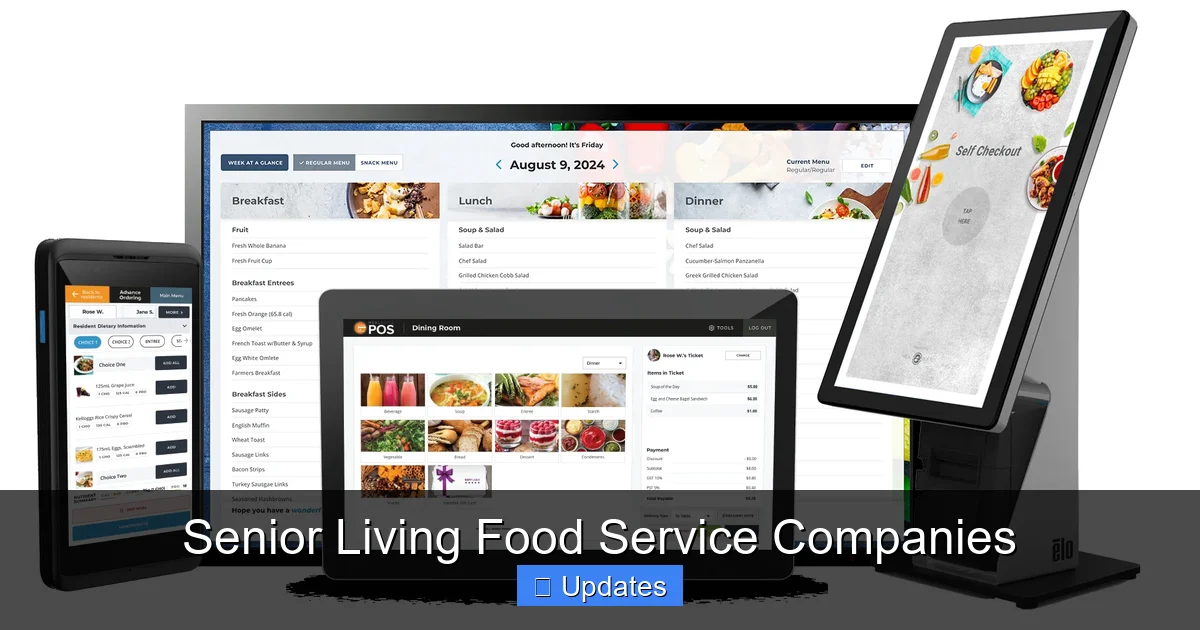
Supply chain transparency is another hallmark. Reputable companies source fresh produce locally when possible, avoid artificial additives, and clearly list allergens on digital menus. Many now use apps or tablets where residents can preview meals, suggest substitutions, or report allergies instantly.
Scheduling also plays a big role. Instead of three large meals, some communities opt for five smaller ones—breakfast, mid-morning snack, lunch, afternoon tea, and dinner—to better match seniors’ appetites and energy levels.
Technology Enhances Quality and Efficiency
Modern senior living food service companies leverage tech to stay ahead. Digital menu boards allow real-time updates—like announcing today’s salmon special or alerting staff about a guest’s peanut allergy. Inventory systems track expiration dates automatically, reducing waste.
Some even integrate with electronic health records (EHRs). When a doctor updates a resident’s dietary restriction, the kitchen receives the change within minutes. This seamless coordination prevents errors and ensures continuity of care.
Mobile ordering is emerging too. Residents using tablets or smartphones can choose their meals in advance, select preferred times, and even rate dishes after eating—feedback that helps chefs refine offerings.
Top Benefits for Residents and Communities
Visual guide about Senior Living Food Service Companies
Image source: mealsuite.com
The impact goes beyond plates and bowls. High-quality food service creates ripple effects across a senior living community.
First, improved nutrition leads to better health outcomes: fewer hospitalizations, stronger immunity, and enhanced mood. Seniors who feel physically better are more likely to participate in activities, socialize, and maintain cognitive function.
Second, dining becomes a highlight of the day. Communal meals foster connection, reduce isolation, and create natural opportunities for storytelling and laughter. In communities like Hidden Lakes Senior Living Community Photos, residents often gather in bright, open spaces with views of gardens—making meals something to look forward to.
Third, families gain peace of mind. Knowing their loved ones are receiving balanced, safe meals allows relatives to focus on spending quality time rather than worrying about basic needs.
Lastly, well-run food operations boost a community’s reputation. Positive reviews often mention “delicious meals” or “attentive staff,” which attracts new residents and reduces turnover.
Practical Tips for Choosing the Right Provider
If you’re evaluating senior living food service companies for a loved one—or considering opening your own community—here are key questions to ask:
- Do they employ licensed dietitians who visit regularly?
- Can they accommodate specific diets (vegan, gluten-free, kosher, etc.)?
- How do they handle food allergies and cross-contamination?
- Are meals prepared on-site or delivered from a central kitchen?
- Do they offer flexible scheduling and supplemental nutrition options?
- Can residents provide feedback easily?
- Have they received any awards or certifications (e.g., ServSafe, NRA)?
Also, request to tour the kitchen. Observe cleanliness, organization, and staff interactions. Ask to taste a sample meal—flavor matters just as much as nutrition.
Challenges and Industry Trends
Despite their importance, senior living food service companies face real challenges. Labor shortages mean higher wages and turnover. Rising food costs squeeze budgets. And meeting diverse cultural, religious, and personal preferences requires constant creativity.
But innovation keeps pace. Plant-based proteins are gaining popularity—not just for health, but because many seniors enjoy the variety they bring. Fermented foods like kimchi or kefir support gut health, which research links to brain function.
Sustainability is another growing priority. Companies are composting scraps, switching to eco-friendly packaging, and sourcing from farms practicing regenerative agriculture.
Telehealth integration continues to expand. Virtual consultations between dietitians and residents help monitor progress without added travel stress.
And perhaps most exciting: AI-powered nutrition tools analyze bloodwork and symptoms to recommend personalized meal adjustments—something few providers currently offer but increasingly within reach.
Future Outlook
The future belongs to companies that see food not as a chore, but as part of holistic care. As baby boomers age, demand will surge. Communities that prioritize exceptional food service will stand out in a competitive market.
We’ll likely see more automation—robots for prep work, smart fridges that track stock—but human touch will remain irreplaceable. After all, feeding someone isn’t just about calories; it’s about respect, dignity, and shared moments.
Communities like Lantern Crest Senior Living Reviews already highlight dining excellence as a selling point. Forward-thinking operators know that great food builds loyalty, improves outcomes, and turns houses into homes.
Frequently Asked Questions
What makes senior living food service companies different from regular caterers?
Unlike general caterers, senior living food service companies specialize in the unique nutritional and physical needs of older adults—such as managing diabetes, dysphagia, or reduced appetite. They employ dietitians, train staff in geriatric care, and design menus that balance health with enjoyment.
How do these companies ensure food safety and hygiene?
Reputable providers follow strict health regulations, maintain HACCP plans, conduct regular inspections, and use modern equipment like temperature-controlled storage and allergen-tracking software to minimize risks like cross-contamination.
Can residents customize their meals?
Yes! Many senior living food service companies offer customization through digital menus, substitution requests, and consultation with dietitians. Residents can often swap proteins, adjust spice levels, or request softer textures based on individual needs.
Are vegetarian or vegan options available?
Absolutely. Top-tier companies recognize the growing demand for plant-based diets and include vegetarian, vegan, halal, kosher, and other specialty options—always ensuring they’re nutritionally complete for seniors.
How do food service companies handle medication timing with meals?
They coordinate closely with nursing staff to align meal schedules with medication routines. For example, certain drugs must be taken with food or on an empty stomach, so providers adjust plating times accordingly.
What should families look for when reviewing a community’s food program?
Families should ask about on-site preparation vs. delivery, staff qualifications, allergy protocols, resident feedback mechanisms, and whether dietitians are involved. Visiting the kitchen and tasting a meal are also highly recommended.