
Valentine’s Day Cards for Senior Citizens


Toilet Safety Rails

Foot Massager Machine

Kindle E-Reader
Valentine’s Day cards for senior citizens are more than just paper and ink—they’re a meaningful way to honor love, connection, and shared life experiences. Whether you’re writing to a spouse, parent, or close friend, these cards can bring joy, comfort, and warmth during this special season. Simple gestures often mean the most, and choosing the right message can make all the difference in brightening someone’s day.
Valentine’s Day is often celebrated as a time for romance—red roses, chocolates, candlelit dinners. But love isn’t confined to young hearts. For many senior citizens, this day holds a deeper meaning: not just romantic love, but the quiet, enduring strength of long-term partnerships, the warmth of family bonds, and the comfort of lifelong friendships. That’s why Valentine’s Day cards for senior citizens are so powerful. They aren’t just pieces of paper—they’re bridges to the past, tokens of appreciation, and reminders that someone still cares.
Whether you’re sending a card to your 80-year-old grandmother, your retired father, or your golden-era sweetheart, the right message can light up their world. Seniors often face unique emotional landscapes—retirement, loss of peers, health changes, or living alone. A thoughtful card can be a beacon of hope, love, and connection during these times. And let’s be honest: who doesn’t feel better after receiving a sweet, handwritten note?
In this guide, we’ll explore everything you need to know about Valentine’s Day cards for senior citizens—from choosing the perfect design to crafting messages that truly speak from the heart. We’ll also share practical tips, examples, and even touch on how technology is helping bridge the gap between generations through digital cards. Because love, at any age, deserves to be celebrated.
Key Takeaways
- Emotional Connection: Valentine’s Day cards for senior citizens help strengthen bonds and remind loved ones they’re cherished, especially important during times of loneliness or transition.
- Accessible Design: Look for cards with large print, clear fonts, and high-contrast colors to ensure readability for seniors with vision challenges.
- Personalization Matters: Handwritten notes or customized messages make a significant impact, showing thoughtfulness beyond generic greetings.
- Memory-Inspired Content: Cards referencing shared memories or inside jokes resonate deeply with older adults who value nostalgia and storytelling.
- Ease of Use: Many online services offer print-at-home options, making it simple to create and send personalized cards without leaving home.
- Inclusive Themes: Choose themes like friendship, family, resilience, and enduring love—not just romantic affection—to reflect the full spectrum of relationships.
- Accessibility Options: Consider voice-recorded cards or digital formats for those with limited dexterity or difficulty writing.
📑 Table of Contents
- Why Valentine’s Day Cards Matter More for Seniors
- Choosing the Right Card: What to Look For
- Crafting Heartfelt Messages: Examples and Tips
- Where to Find Great Valentine’s Day Cards for Seniors
- Practical Tips for Sending Cards to Seniors
- Beyond Romance: Celebrating All Kinds of Love
- Technology Meets Tradition: Digital Cards for Modern Seniors
- Community Initiatives and Volunteer Opportunities
- Conclusion: Small Acts, Big Impact
Why Valentine’s Day Cards Matter More for Seniors
For many older adults, Valentine’s Day isn’t always a festive occasion. It can bring up feelings of loneliness, especially if they’ve lost a spouse or live far from family. According to AARP, over 10 million Americans aged 65 and older live alone, and social isolation remains a growing concern among seniors. In such cases, a simple card can be a lifeline.
Valentine’s Day cards for senior citizens do more than mark the date—they affirm that someone is thinking of them. They validate their worth, their history, and their continued importance in the lives of others. For example, imagine your grandfather, who served in World War II, opening a card that says, “Thank you for your service and your unwavering love.” That moment? Priceless.
Moreover, physical cards have a tactile quality that digital messages often lack. The weight of the paper, the texture of the envelope, the act of unfolding—these sensory details create a lasting memory. Studies show that receiving handwritten correspondence increases oxytocin levels, the “bonding hormone,” which promotes happiness and reduces stress.
The Emotional Impact of Thoughtful Greetings
When you send a Valentine’s Day card to a senior, you’re not just delivering words—you’re delivering emotion. A well-chosen message can:
– Reduce feelings of loneliness
– Boost self-esteem
– Strengthen intergenerational relationships
– Provide comfort during difficult times
Consider the difference between a mass-produced card that says, “Happy Valentine’s Day!” and one that reads, “I still remember how you taught me to ride a bike—your hands were steady, your smile was proud. Thank you for being my hero.” The second one touches the soul. It honors their past, acknowledges their role in your life, and celebrates their legacy.
Cultural and Generational Differences in Expression
Different generations express love in different ways. While younger people might post romantic photos on Instagram, many seniors prefer quiet, private expressions of affection. They may not be active on social media, but they treasure tangible keepsakes.
This is where Valentine’s Day cards for senior citizens shine. They align with traditional values of sincerity and modesty. A card isn’t flashy—it’s meaningful. It shows effort. It says, “I took the time to think about you.”
Additionally, some seniors may not have regular access to technology or may struggle with digital platforms. Physical cards ensure your message reaches them, no matter their tech-savviness.
Choosing the Right Card: What to Look For
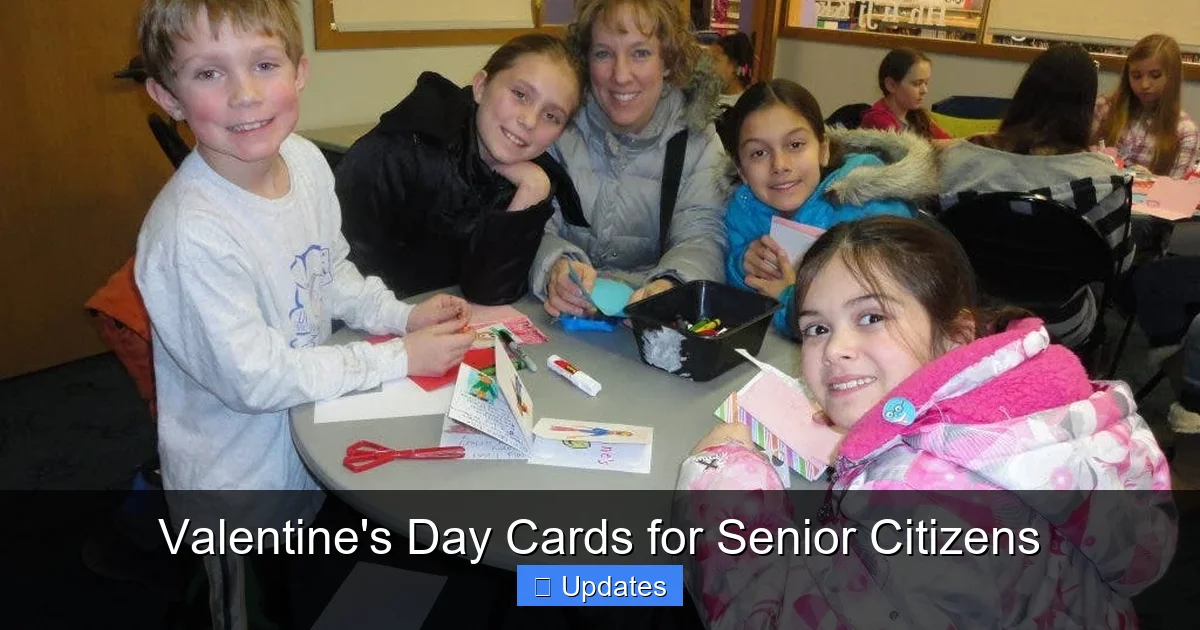
Visual guide about Valentine’s Day Cards for Senior Citizens
Image source: worksheetbunny.com
Not all cards are created equal—especially when it comes to serving the needs of older adults. When selecting Valentine’s Day cards for senior citizens, consider several key factors:
Large Print and Clear Fonts
Many seniors experience presbyopia (age-related vision decline) or cataracts. Cards with small text or cursive handwriting can be hard to read. Opt for designs with:
– Bold, sans-serif fonts (like Arial or Helvetica)
– High contrast between text and background (e.g., black on white or dark blue)
– At least 14-point font size
Some greeting card companies now offer “senior-friendly” lines specifically designed for readability. These often feature clean layouts and oversized type.
Sturdy Paper and Easy-to-Open Envelopes
Thin paper tears easily, and small envelopes can be tricky for arthritic hands to open. Look for cards made with:
– Heavyweight cardstock (at least 100 gsm)
– Peel-and-seal envelopes or those with wider openings
– Reinforced corners to prevent bending
These small details make a big difference in usability and durability.
Simple, Uncluttered Designs
Avoid cards with overly busy patterns, glitter, or tiny illustrations. Seniors may have cognitive fatigue or visual processing issues. Instead, choose:
– Clean, minimalist designs
– Soft, calming color palettes (blues, greens, warm neutrals)
– Single-focus imagery (e.g., a single rose, a couple walking, a family photo)
Simplicity enhances readability and reduces visual strain.
Themed Cards That Resonate
While traditional red and pink cards are classic, consider themes that reflect seniors’ lived experiences:
– **Nostalgic themes**: Vintage cars, old movies, classic music
– **Nature-inspired**: Gardens, birds, sunsets
– **Family-focused**: Grandchildren, grandchildren, multi-generational gatherings
– **Spiritual or inspirational**: Bible verses, quotes about love, peace and kindness
For instance, a card featuring a photo of a couple dancing to Frank Sinatra might spark joy and memories for a 75-year-old widow.
Crafting Heartfelt Messages: Examples and Tips
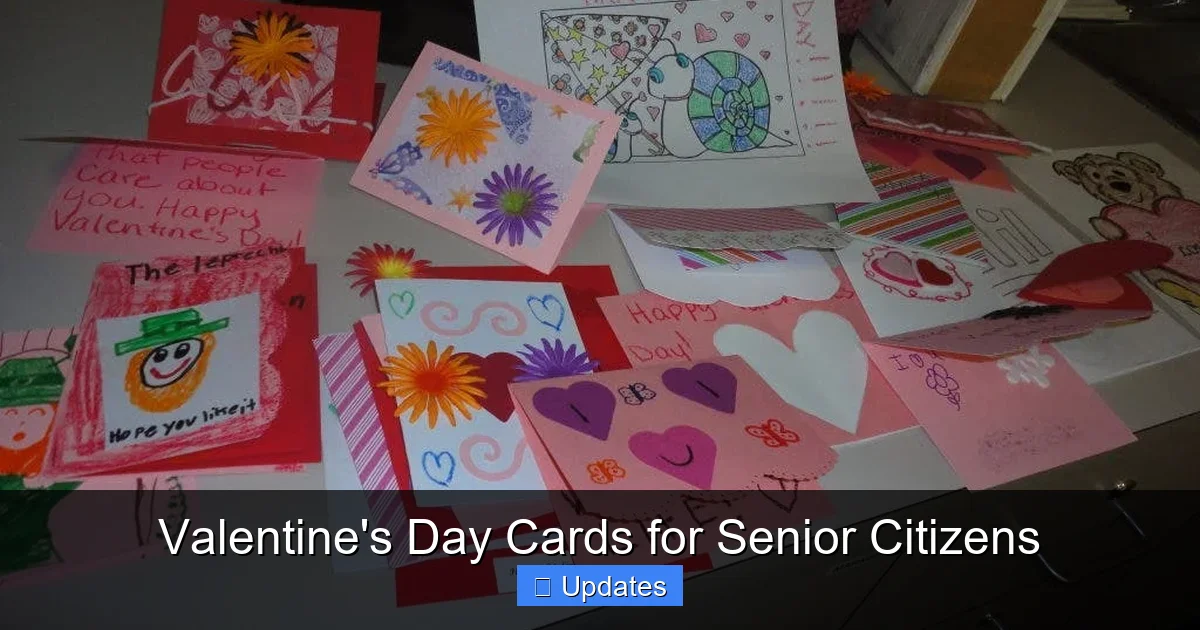
Visual guide about Valentine’s Day Cards for Senior Citizens
Image source: worksheetbunny.com
The content of your card matters just as much as the design. Here’s how to write messages that truly connect with senior citizens:
Start with Personalization
Generic greetings like “To My Dearest Love” can feel impersonal if not tailored. Instead, use names and specific references. For example:
> “Dear Margaret,
> I still remember the time you baked apple pie for my graduation. The house smelled like heaven, and your pride shone brighter than any diploma. Happy Valentine’s Day—you’re still my favorite person.”
Personal stories show you know and value them as an individual.
Acknowledge Their Strength and Journey
Seniors have lived through decades of change—wars, technological shifts, social movements. Recognizing their resilience builds deep respect. Try phrases like:
– “Your love has stood the test of time.”
– “You’ve seen so much, yet your heart remains kind.”
– “Thank you for teaching me what real love looks like.”
These statements honor their life experience.
Use Warm, Simple Language
Avoid slang, abbreviations, or complex metaphors. Stick to clear, sincere language. For example:
✅ Good: “I’m so grateful you’re in my life.”
❌ Avoid: “U rock my world, gramps!”
Even if you’re close, clarity trumps cleverness.
Include a Memory or Inside Joke
Inside the card, add a short anecdote or reference to a shared moment. This creates intimacy. Example:
> “Remember when we tried to build that birdhouse and it looked more like a spaceship? Still makes me laugh every time I see it on the porch.”
These little touches make the card unforgettable.
Offer Reassurance and Support
If you suspect they’re struggling, your words can provide comfort. Say things like:
– “You don’t have to go through this alone.”
– “I’m here for you, always.”
– “Your presence brings joy to everyone around you.”
Sometimes, the most loving thing you can say is, “I see you.”
Digital Alternatives: When Physical Isn’t Possible
Not everyone can receive mail regularly, or may prefer digital communication. In those cases, consider:
– **Printable PDF cards**: Download and print from sites like Hallmark, Shutterfly, or Etsy.
– **Video messages**: Record a short video reading the card aloud.
– **Voice-recorded cards**: Some apps allow you to record and email audio messages.
Just ensure the recipient can access the format. If unsure, call ahead to ask.
Where to Find Great Valentine’s Day Cards for Seniors
Visual guide about Valentine’s Day Cards for Senior Citizens
Image source: i.pinimg.com
There are plenty of places to source cards that cater to older adults:
Online Retailers
Websites like Amazon, Etsy, and Hallmark offer filters for “large print” or “senior-friendly.” You’ll find options ranging from traditional floral designs to modern minimalist styles.
Pro tip: Read reviews from other buyers—some mention whether cards were easy to open or clearly printed.
Local Grocery Stores
Many supermarkets (like Kroger, Walmart, or Publix) carry greeting card sections near the pharmacy or customer service. These often include senior discount days, so check for deals.
Plus, buying locally supports your community and reduces shipping time.
Custom Card Services
Want something truly unique? Use services like Zazzle or Canva to design your own card. Upload a family photo, choose readable fonts, and print at home.
This is especially useful if you want to include personal photos or handwritten elements.
Charities and Senior Centers
Some organizations run card-making workshops for seniors. You could participate in one or donate cards they’ve made to local nursing homes. It’s a beautiful way to give back.
For example, the Alzheimer’s Association sometimes hosts craft events where families create cards for residents.
Practical Tips for Sending Cards to Seniors
Sending a card isn’t just about dropping it in the mailbox—there are best practices to follow:
Address Clearly
Use large handwriting or printed labels. Include apartment numbers, care facility names, and contact details. Example:
> “Margaret Johnson
> Room 204, Maplewood Assisted Living
> 123 Oak Street, Atlanta, GA 30301”
Mail Early
Postmarks should be at least two weeks before Valentine’s Day to avoid delays. Holidays, weather, and postal volume can slow delivery.
Add a Personal Touch
Tuck a small gift inside—a photo, a pressed flower, or a coupon for coffee. Just ensure nothing melts or damages the card.
Follow Up
Call or visit after they’ve received the card. Ask, “Did you get my Valentine’s card?” This shows you care about whether they saw it.
Respect Privacy
If they’re in hospice or recovering from illness, keep messages gentle and hopeful. Avoid overly cheerful tones if they’re facing loss.
Beyond Romance: Celebrating All Kinds of Love
While many think of Valentine’s Day as romantic, it’s also a time to celebrate other forms of love—especially for seniors.
Friendship Cards
Longtime friends often share deep bonds. A card between two elderly women who’ve known each other for 60 years is just as meaningful as one between spouses.
Try messages like:
> “You’ve been my confidante, my partner-in-crime, and my sunshine on cloudy days. Happy Valentine’s Day, dear friend.”
Grandparent-Grandchild Cards
Grandchildren can write cards that honor their elders’ wisdom and love. Example:
> “You’ve told me more stories than I can count, Grams. Each one taught me something new about courage and kindness. I love you more than cookies.”
These cards strengthen family ties across generations.
Self-Love and Self-Care
Encourage seniors to send themselves cards too! Remind them they deserve love—even if they’re single or widowed.
> “You’ve worked hard, traveled far, and loved deeply. Today, you’re enough—just as you are.”
Self-affirmations boost mental well-being.
Technology Meets Tradition: Digital Cards for Modern Seniors
With more seniors embracing tablets and smartphones, digital cards are becoming popular. Apps like Boomerang, Tinycards, or even WhatsApp allow you to send animated or voice-enhanced messages.
But remember: not all seniors are tech-savvy. Before sending digitally, confirm they can access it. If not, stick to print.
That said, hybrid approaches work well:
– Email a PDF card + a voice memo
– Share a slideshow of old photos with soft music
– Use Zoom to “hand-deliver” a card together
The goal is connection—not gadgetry.
Community Initiatives and Volunteer Opportunities
Many organizations welcome volunteers to help seniors with Valentine’s Day. Examples include:
– Nursing home visits: Bring cards, sing songs, play music
– Postal outreach: Help mail cards for isolated seniors
– Craft drives: Collect and assemble cards for donation
Contact local senior centers or churches to get involved. It’s rewarding and builds community.
Also, consider partnering with groups like the YMCA (which offers senior memberships) or programs that support senior housing.
Conclusion: Small Acts, Big Impact
Valentine’s Day cards for senior citizens are more than seasonal decorations—they’re expressions of enduring love, respect, and remembrance. In a world that moves fast, taking the time to send a thoughtful card slows down, listens, and connects.
Whether you’re honoring a lifelong partnership, celebrating a grandparent’s legacy, or simply saying “I’m thinking of you,” your words matter. They carry warmth, history, and hope.
So this Valentine’s Day, don’t overlook the power of a simple card. Let it be a reminder that love grows stronger with age—and that every generation deserves to feel cherished.
And if you’re looking for other ways to support seniors—whether through travel, gifts, or daily activities—check out our guides on things for senior citizens to do near me or good gifts for senior citizens. After all, caring for our elders enriches us all.
Frequently Asked Questions
Are Valentine’s Day cards only for romantic partners?
No, Valentine’s Day cards for senior citizens can celebrate any form of love—family bonds, lifelong friendships, or even self-appreciation. They’re especially meaningful when sent to grandparents, parents, or close friends.
How do I know if a senior can read the card?
Test the card yourself first. If the text is too small or faint, choose a larger-print version. Many stores now label cards as “senior-friendly” or “easy-read.”
Can I include a photo in the card?
Yes! Photos of shared memories—like vacations or family gatherings—add emotional depth. Just ensure the image is clear and prints well.
What if the senior lives in a nursing home?
Most facilities accept mail, but check their policies. Some restrict items inside envelopes. Use sturdy paper and avoid liquids or sharp objects.
How early should I send the card?
At least two weeks before February 14th. This accounts for potential delays due to holidays, weather, or postal volume.
Is it okay to send a card to someone who recently lost a loved one?
Yes, but keep messages gentle and supportive. Focus on memories of the person they’ve lost rather than romantic love. Example: “I’ll never forget how much joy your husband brought to our Sunday dinners.”