
Senior Community Care of Michigan


Weekly Pill Organizer

Slow Cooker Crock Pot

LED Clip Reading Light
Senior Community Care of Michigan offers compassionate, personalized support for older adults and their families throughout Michigan. From in-home care to community programs, this organization helps seniors maintain independence while accessing vital health and social services. Whether you’re seeking assistance with daily activities or looking for a supportive network, Senior Community Care connects Michiganders with the right resources at every stage of aging.
Key Takeaways
- Comprehensive Support Services: Offers in-home care, adult day programs, transportation, and wellness initiatives tailored to individual needs.
- Community-Centered Approach: Works closely with local agencies, healthcare providers, and volunteers to create integrated care networks across Michigan.
- Focus on Dignity and Independence: Empowers seniors to live safely at home with dignity through personalized care plans and ongoing support.
- Family Engagement: Provides education, respite care, and counseling to help families navigate caregiving challenges.
- Accessibility Across Michigan: Serves urban, suburban, and rural communities with flexible service models that adapt to regional needs.
- Holistic Wellness Programs: Includes nutrition support, fitness classes, mental health resources, and social engagement opportunities.
- Partnerships with Local Organizations: Collaborates with nonprofits, faith-based groups, and government programs to expand access to care.
📑 Table of Contents
- Understanding Senior Community Care of Michigan: A Compassionate Network for Aging Adults
- The Mission Behind the Care: Putting Seniors First
- Core Services: What Sets Them Apart
- Technology Meets Tradition: Innovation Without Disruption
- Community Partnerships That Amplify Impact
- How to Access Services: A Step-by-Step Guide
- Looking Ahead: Trends Shaping the Future
- Conclusion: More Than Care—It’s About Belonging
- FAQS
Understanding Senior Community Care of Michigan: A Compassionate Network for Aging Adults
Imagine being able to age gracefully in your own home, surrounded by familiar walls and cherished memories—while still having access to professional support when needed. That’s exactly what Senior Community Care of Michigan aims to provide. This nonprofit organization stands as a lifeline for thousands of older adults across the Great Lakes State, offering a wide range of services designed not just to meet basic needs but to enhance quality of life, promote independence, and build strong community connections.
What makes Senior Community Care of Michigan truly special is its deep understanding that every senior has unique needs, preferences, and goals. Whether someone is managing a chronic condition, recovering from surgery, or simply wants companionship and a safe place to gather, this organization tailors its approach accordingly. It’s not just about providing care—it’s about creating meaningful experiences that honor each person’s identity and history.
In a state as diverse as Michigan—with bustling cities like Detroit and Grand Rapids, tight-knit rural towns, and everything in between—Senior Community Care ensures that no one is left behind. From Metro Detroit to the Upper Peninsula, their reach spans across regions, adapting services to fit local cultures and infrastructures. And it all starts with listening: truly hearing what individuals and families need before designing solutions.
The Mission Behind the Care: Putting Seniors First
At the heart of Senior Community Care of Michigan lies a simple yet powerful mission: to empower older adults to live independently, safely, and with dignity in their homes and communities. This isn’t just a slogan; it’s reflected in every program, partnership, and interaction they facilitate. The organization believes strongly that aging shouldn’t mean losing autonomy or feeling isolated—and they work tirelessly to prove that wrong.

Visual guide about Senior Community Care of Michigan
Image source: seniorcommunitycarejc.org
To achieve this mission, Senior Community Care operates on several core principles. First, they prioritize person-centered care, meaning each service plan is customized around the individual’s lifestyle, values, and medical requirements. Second, they emphasize prevention—helping people avoid hospitalizations or nursing home placements whenever possible through early intervention and proactive support. Third, they foster community integration, connecting seniors with peers, volunteer opportunities, and civic engagement so they feel valued beyond their immediate family circle.
This holistic philosophy extends into how the organization trains its staff and volunteers. Everyone who works with Senior Community Care receives training not only in physical care techniques but also in communication, empathy, and cultural sensitivity. After all, caring for someone isn’t just about assisting with bathing or medication—it’s about respecting their story, listening to their concerns, and celebrating small victories together.
Building Trust Through Transparency
One reason why many Michiganders trust Senior Community Care is their commitment to transparency. From clearly outlining costs (often sliding scale or fully covered by insurance or Medicaid) to openly sharing success stories, they make sure clients and families understand what they’re getting—and how it aligns with their goals.
They also publish annual reports detailing financial stewardship, program outcomes, and client satisfaction scores. This openness builds credibility and reassures donors, partners, and regulators alike that resources are being used wisely and effectively.
Core Services: What Sets Them Apart
So what exactly does Senior Community Care of Michigan offer? Their portfolio includes over a dozen key services, ranging from hands-on personal care to technology-enabled monitoring systems. Let’s break down some of the most impactful ones:
Visual guide about Senior Community Care of Michigan
Image source: seniorcommunitycaremi.org
In-Home Personal Care
For seniors who wish to remain in their homes, this service is often the cornerstone of their care plan. Trained aides assist with activities like bathing, dressing, meal preparation, light housekeeping, and medication reminders. But it goes deeper than chores—these caregivers become trusted companions who check in regularly, report changes to family members, and even accompany clients to doctor appointments.
Example: Maria, a 78-year-old widow living alone in Lansing, struggled with mobility after a stroke. With in-home care, she regained confidence walking her dog again and maintained her independence longer than expected. Her caregiver also helped her set up telehealth visits, reducing unnecessary trips to urgent care.
Tip: Families can schedule hourly visits or live-in arrangements depending on need. Many contracts are renewable monthly, allowing flexibility if circumstances change.
Adult Day Health Programs
When caregivers need a break—or when seniors benefit from structured daytime activities—Adult Day Health Centers offer a welcoming environment. These centers provide nutritious meals, recreational therapy, cognitive stimulation, and supervised exercise sessions. They’re staffed by nurses, occupational therapists, and social workers who monitor health trends and intervene early if issues arise.
Practical Benefit: Participation reduces fall risks, improves mood, and delays cognitive decline. Plus, it gives family members time to rest, work, or attend to other responsibilities without guilt.
Transportation Assistance
Mobility challenges are among the top barriers to staying connected and healthy. Senior Community Care addresses this by coordinating reliable transportation to medical appointments, grocery stores, religious services, and social events. Volunteers sometimes drive, and partnerships with ride-share companies ensure affordability and accessibility.
Real-Life Impact: James, an 85-year-old diabetic from Muskegon, missed critical eye exams due to lack of transport. Once enrolled in their shuttle service, he now sees his ophthalmologist quarterly and hasn’t had a preventable complication in two years.
Caregiver Support & Respite Services
Caregiving is rewarding but exhausting. Recognizing this, Senior Community Care offers counseling, support groups, educational workshops, and temporary respite care. Respite might mean bringing in a trained aide for a few hours weekly so the primary caregiver can attend a concert or simply sleep uninterrupted.
Why It Matters: Studies show that supported caregivers are more effective and less likely to experience burnout. By investing in family members, the organization strengthens the entire care ecosystem.
Technology Meets Tradition: Innovation Without Disruption
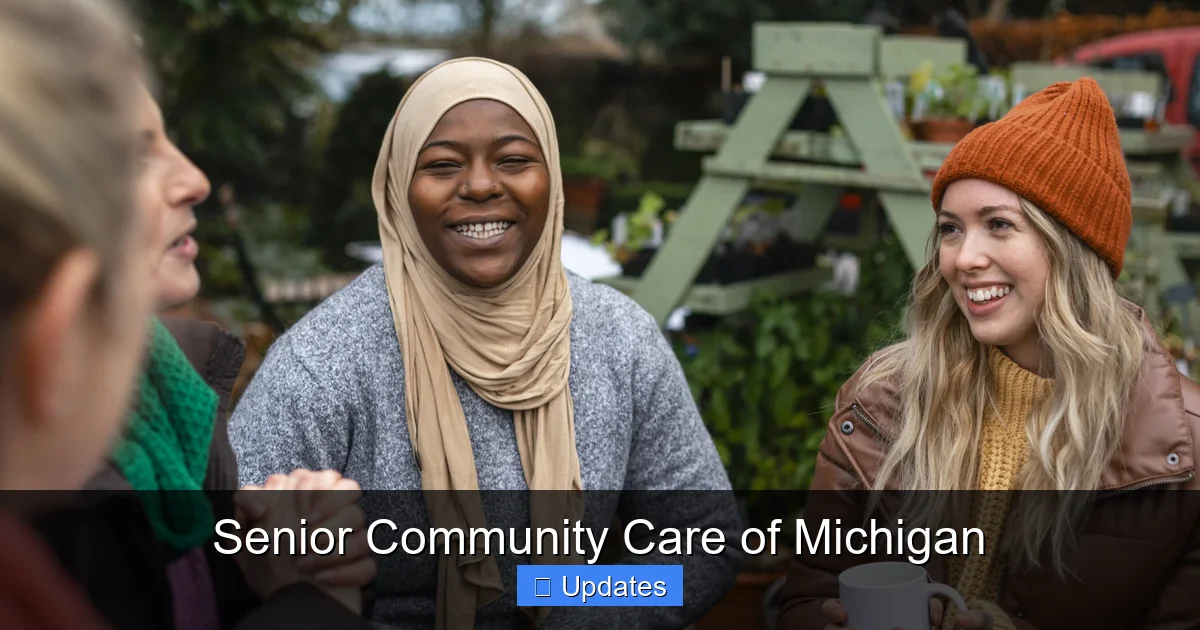
In today’s digital age, many seniors worry that tech will replace human touch—not enhance it. Senior Community Care navigates this carefully, blending modern tools with old-fashioned compassion. For instance, they use secure video platforms for virtual check-ins when face-to-face visits aren’t possible, but always follow up with phone calls or letters.
Visual guide about Senior Community Care of Michigan
Image source: seniorcommunitycareky.org
They’ve also piloted wearable devices that alert staff if a client falls or misses multiple medication doses. However, adoption depends entirely on client comfort level—no one is pushed toward automation if they prefer traditional methods.
Another innovation is their mobile app, which lets families track care logs, communicate with providers, and access emergency contacts instantly. But again, training ensures seniors aren’t overwhelmed—only those ready for it get onboarded.
Safety-First Design
Every tool and process prioritizes safety. Staff undergo background checks, CPR certification, and ongoing training. Emergency protocols are clear, and backup plans exist for power outages or internet failures. Clients’ privacy is never compromised—HIPAA compliance is non-negotiable.
Community Partnerships That Amplify Impact
No single organization can solve complex social determinants of health alone. That’s why Senior Community Care collaborates with dozens of entities across Michigan. Here are just a few examples:
- Local Hospitals: Joint discharge planning prevents readmissions by ensuring continuity of care at home.
- Faith-Based Groups: Churches and temples host nutrition workshops, memory cafes, and holiday celebrations.
- Utility Companies: Programs help low-income seniors reduce energy bills—critical for health and comfort during harsh winters.
- Volunteer Networks: Students, retirees, and professionals donate time to deliver groceries, mow lawns, or play cards.
These alliances multiply impact exponentially. Instead of duplicating efforts, partners pool resources and expertise, reaching more people faster.
Success Stories Rooted in Connection
Consider Dorothy, a 90-year-old WWII veteran living in Kalamazoo. Isolated since her husband passed away, she joined a weekly bingo night at her local senior center—arranged through Senior Community Care’s outreach team. Not only did she make friends, but she also learned about a VA benefits workshop she qualified for. Today, she volunteers herself, mentoring new attendees.
This ripple effect—where one connection sparks dozens more—is what keeps the organization growing sustainably.
How to Access Services: A Step-by-Step Guide
Wondering how to get started? The process is straightforward and client-driven:
- Initial Assessment: Call their intake hotline (available 24/7 in emergencies). A care coordinator conducts a free evaluation covering health status, living situation, and personal goals.
- Customized Plan Creation: Based on assessment results, they draft a roadmap including recommended services, frequency, and estimated cost.
- Approval & Onboarding: If approved (many services are income-based), clients choose providers, sign agreements, and begin receiving care within days.
- Ongoing Reviews: Plans are reassessed quarterly to reflect changing needs.
Pro Tip: Don’t wait until crisis hits! Early enrollment often qualifies clients for priority scheduling and reduced fees.
Funding Options Explained
Affordability shouldn’t be a barrier. Senior Community Care accepts Medicaid waivers, private pay, long-term care insurance, and charitable grants. Financial counselors help applicants navigate paperwork and eligibility criteria.
Common Misconception: “Only wealthy people can afford senior care.” Reality: Over 60% of their clients qualify for subsidized slots thanks to state/federal programs.
Looking Ahead: Trends Shaping the Future
As Michigan’s population ages—projected to double by 2050—Senior Community Care anticipates evolving demands. Key trends include:
- Aging-in-Place Technology: Smart home sensors, voice-activated assistants, and AI-driven analytics will predict health declines before symptoms appear.
- Intergenerational Programming: More activities bridging seniors and youth (e.g., tutoring, gardening projects) to combat loneliness and transfer wisdom.
- Mental Health Integration: Routine depression screenings and access to therapists embedded within primary care teams.
Their strategic plan emphasizes scalability without sacrificing personalization—a delicate balance they’ve mastered over decades.
Conclusion: More Than Care—It’s About Belonging
Senior Community Care of Michigan doesn’t just provide services; it cultivates belonging. In a world that often rushes past elders, they remind us that aging is not something to fear but to honor. Through kindness, competence, and collaboration, they turn isolated individuals into vibrant members of resilient communities.
If you’re a senior seeking support or a loved one exploring options, reach out today. You don’t have to walk this journey alone. With Senior Community Care as your partner, aging well becomes not just possible—but deeply fulfilling.
FAQS
What types of services does Senior Community Care of Michigan offer?
They provide in-home personal care, adult day health programs, transportation assistance, caregiver support, meal delivery, and wellness workshops tailored to individual needs across Michigan.
Is Senior Community Care of Michigan a nonprofit?
Yes, it operates as a 501(c)(3) nonprofit organization funded by donations, grants, and participant fees, with strict financial transparency and oversight.
How much do their services cost?
Costs vary based on income and service level. Many participants qualify for Medicaid coverage or sliding-scale fees; financial counselors help determine affordability upfront.
Can I choose my own caregiver?
Absolutely. Clients interview and select their preferred aide(s) during onboarding, ensuring compatibility and trust from day one.
Do they serve rural areas?
Yes, they operate in both urban and rural regions, though availability may differ slightly due to logistics—always worth calling to explore options.
How quickly can services start?
After approval, most clients begin receiving care within 5–7 business days, with urgent cases prioritized based on risk level.
Frequently Asked Questions
What is senior community care of michigan?
senior community care of michigan is an important topic with many practical applications.