
St Louis City Senior Tax Freeze


Electric Food Chopper

Large Button TV Remote

Anti-Slip Shower Stickers
The St Louis City Senior Tax Freeze is a vital program designed to help Missouri residents aged 62 and older keep their property taxes stable despite rising assessments. By freezing your tax bill at a set amount, this initiative reduces financial stress and supports retirement security. If you’re a senior homeowner in St. Louis City, understanding and applying for this freeze could save you thousands over time.
The St Louis City Senior Tax Freeze is more than just a piece of local policy—it’s a lifeline for many Missourians navigating the challenges of aging in place. For seniors living on fixed incomes, rising property taxes can feel like an unending burden. Imagine getting your tax statement only to discover it’s gone up again, even though your home hasn’t changed. That’s where the St Louis City Senior Tax Freeze comes in. It freezes your assessed value and tax rate so that your annual payment stays predictable, no matter what the city assesses happen.
This program reflects a growing national trend of cities recognizing that housing affordability is central to senior well-being. In St. Louis City, the freeze isn’t just about saving money—it’s about dignity, stability, and peace of mind. Whether you’re enjoying quiet mornings in your garden or spending afternoons at a local senior center, knowing your tax bill won’t suddenly spike helps you plan your future with confidence.
Key Takeaways
- Eligibility Age: Must be at least 62 years old and own residential property in St. Louis City.
- Tax Bill Protection: Once approved, your property tax assessment is frozen at a specific dollar amount, shielding you from increases due to reassessments or rising rates.
- Annual Application Required: The freeze must be renewed each year by the March deadline to remain active.
- Income Limits Apply: Household income must not exceed certain thresholds (typically around $50,000–$80,000 depending on household size).
- Only Applies to Primary Residence: The freeze covers one homestead—your primary home—not rental properties or vacation homes.
- Potential Savings: Many qualifying seniors save hundreds or even thousands annually compared to standard tax increases.
- Application Process Is Simple: Complete the form online or in person, submit required documents, and await confirmation.
📑 Table of Contents
- What Is the St Louis City Senior Tax Freeze?
- Who Qualifies for the St Louis City Senior Tax Freeze?
- How to Apply for the St Louis City Senior Tax Freeze
- Benefits Beyond Just Lower Bills
- Common Mistakes to Avoid
- What Happens After Approval?
- How Does This Compare to Other Missouri Programs?
- Real-Life Impact: Stories from St. Louis Seniors
- Resources and Support
- Looking Ahead: Will the Program Continue?
- Final Thoughts
What Is the St Louis City Senior Tax Freeze?
At its core, the St Louis City Senior Tax Freeze is a property tax relief program for eligible homeowners aged 62 and older. When you qualify, the city agrees to lock in your property’s taxable value and tax rate for as long as you meet the requirements. This means even if your home is reassessed upward or city-wide tax rates increase, your actual tax payment won’t go up.
Think of it like locking in a low interest rate on a mortgage. You get protection against market fluctuations—in this case, the volatility of property valuations and municipal budgets. The freeze applies only to your primary residence, so it doesn’t cover second homes, investment properties, or vacant lots.
How Does It Work?
When you first apply and are approved, the city calculates your current tax liability based on your home’s assessed value and the applicable tax rate. That number becomes your “freeze base.” Every year after that, even if your home’s value goes up due to market changes or improvements, your tax bill will stay the same unless you make major renovations—like adding a second story—that trigger a new assessment.
For example, suppose your home was assessed at $150,000 last year with a tax rate of 10 mills ($.01 per dollar), resulting in a $1,500 annual tax bill. If the city reassesses your home to $180,000 next year but you have the freeze active, your tax bill still reads $1,500—unless you’ve made changes that require reevaluation.
Why Was This Program Created?
St. Louis City implemented the Senior Tax Freeze in response to concerns about senior displacement due to escalating property taxes. Many older adults rely solely on Social Security, pensions, or savings, making sudden tax hikes difficult to absorb. Without intervention, some seniors faced losing their homes simply because they couldn’t afford the bills.
The program also aligns with broader state-level initiatives in Missouri, such as the statewide senior property tax credit, but offers more targeted relief specifically for St. Louis City residents. It’s part of a larger effort to support aging populations and ensure they can continue living independently in their communities.
Who Qualifies for the St Louis City Senior Tax Freeze?
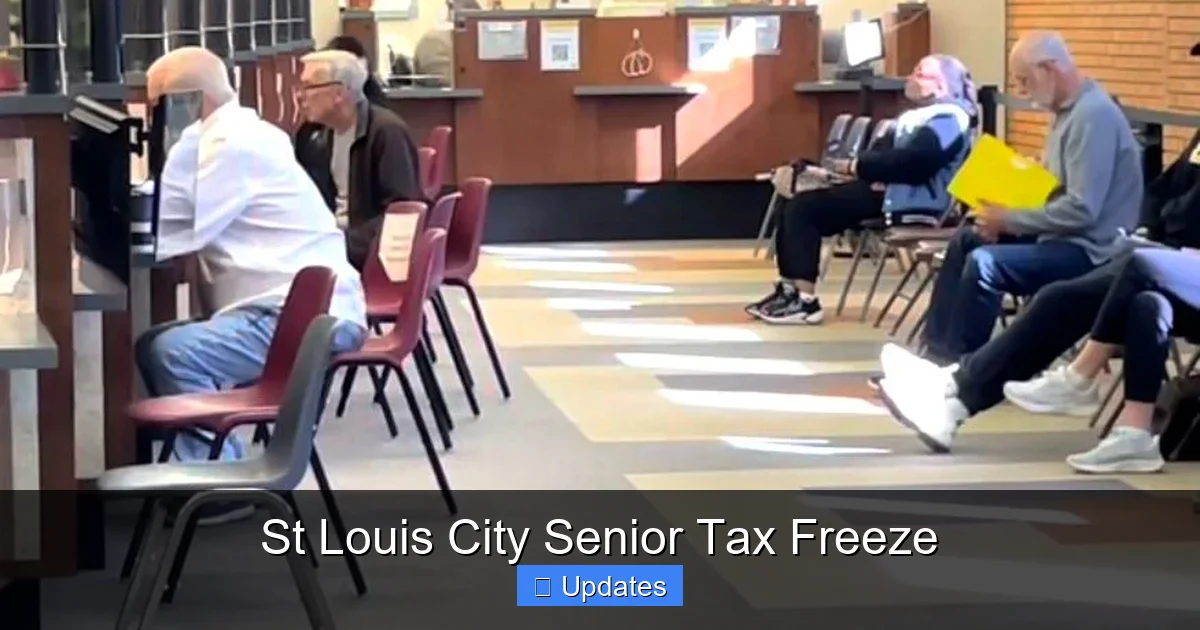
Visual guide about St Louis City Senior Tax Freeze
Image source: s7d2.scene7.com
Not every senior automatically qualifies—there are clear criteria to ensure resources go to those who need them most. Understanding these requirements early can save time and frustration during the application process.
Age Requirement
You must be at least 62 years old on January 1 of the tax year for which you’re applying. There’s no upper age limit—once you turn 62, you remain eligible as long as you meet other conditions.
Residency and Property Ownership
You must own and occupy your home as your primary residence within St. Louis City limits. Rental properties, vacation homes, or homes owned by trusts or corporations typically don’t qualify. Proof of ownership (like a deed) and residency (utility bills, voter registration) may be requested.
Income Limits
Income is a key factor. While exact thresholds vary slightly each year based on inflation and city budgeting, the general guideline is:
– Single applicants: Household income under $50,000
– Married couples: Combined income under $75,000
These figures include wages, Social Security, pensions, retirement accounts, and investment income. Exceptions may apply for veterans or disabled individuals, so it’s worth checking with the assessor’s office for special considerations.
No Other Freeze Programs Allowed
You cannot simultaneously participate in another local tax freeze or exemption program (like Jackson County’s version). You must choose one primary residence freeze program.
How to Apply for the St Louis City Senior Tax Freeze

Visual guide about St Louis City Senior Tax Freeze
Image source: mn-cpa.com
The application process is straightforward but requires attention to detail. Missing paperwork or late submissions can delay approval, so plan ahead.
Gather Required Documents
Before starting your application, collect these items:
– Valid photo ID (driver’s license or passport)
– Most recent property tax statement
– Proof of income (Social Security award letter, pension statements, bank statements showing withdrawals)
– Deed or title showing you own the property
– Utility bill confirming residency
Keep digital copies and physical originals ready.
Complete the Application Form
Visit the official St. Louis City Assessor’s website or stop by their office at 1 N Tucker Blvd, Room 220, St. Louis, MO 63101. Fill out the Senior Tax Freeze Application Form (available in English and Spanish). Be honest and accurate—misrepresentation can lead to penalties or disqualification.
Submit Your Application
You can submit your completed form and documents:
– In person at the assessor’s office
– By mail to the address listed on the form
– Via email if the city accepts digital submissions (check their website for updates)
Deadline: Applications must be postmarked or delivered by **March 1** of each year to qualify for that tax year.
Wait for Approval
Processing usually takes 4–6 weeks. You’ll receive a written notice confirming whether your freeze is approved, denied, or needs additional information. If approved, your tax bill will reflect the frozen amount starting with the following tax year.
Benefits Beyond Just Lower Bills
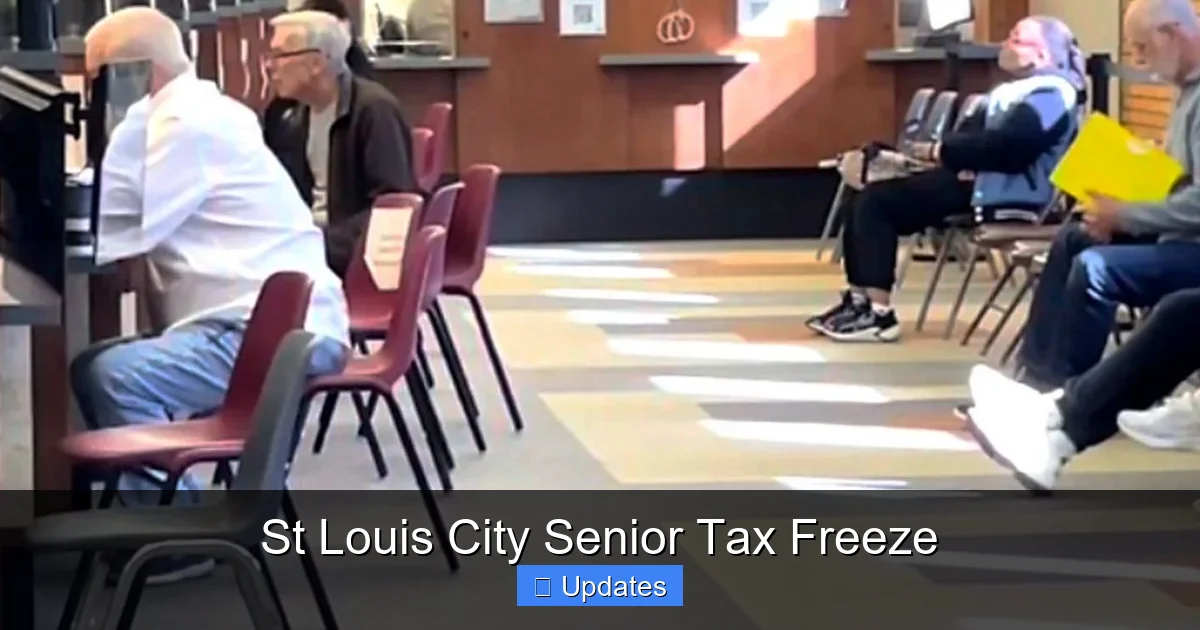
Visual guide about St Louis City Senior Tax Freeze
Image source: s7d2.scene7.com
While reduced taxes are the obvious perk, the St Louis City Senior Tax Freeze offers deeper advantages that impact quality of life.
Financial Predictability
Seniors on fixed incomes benefit immensely from knowing exactly what their tax bill will be each year. This predictability allows better budgeting for healthcare, travel, or home repairs without fear of surprise expenses.
Home Equity Preservation
By keeping tax burdens manageable, the freeze helps seniors retain more of their home equity. Instead of allocating 20% or more of monthly income to taxes, they can invest in comfort, safety, or even downsize later with less financial strain.
Community Stability
When seniors stay in their homes longer, neighborhoods remain stable and vibrant. Long-term residents contribute to local schools, businesses, and civic engagement. The freeze supports intergenerational continuity.
Access to Additional Benefits
Some organizations offer grants or assistance specifically for seniors who participate in tax freeze programs. For instance, local nonprofits may provide home modification services (grab bars, ramps) at reduced costs for freeze participants.
Common Mistakes to Avoid
Even with good intentions, applicants sometimes run into issues. Here are pitfalls to watch out for:
Missing the Deadline
Applying after March 1 means waiting until the *next* tax year. Don’t assume extensions exist—stick to the calendar.
Underreporting Income
Honesty is critical. If your income exceeds limits by even $100, your application could be rejected retroactively.
Using Incorrect Addresses
Ensure all forms list your current St. Louis City address. Using an old mailing address might result in lost notices.
Assuming Automatic Eligibility
Just because you’re over 62 doesn’t mean you qualify. Always verify income and residency before applying.
Overlooking Documentation
Bringing incomplete sets of papers slows processing. Double-check the assessor’s website for the latest checklist.
What Happens After Approval?
Once your freeze is active, there’s not much ongoing work required—but staying informed matters.
Renewal Process
Each year, you must reapply by March 1. The city sends renewal notices, but don’t wait until the last minute. If you miss the deadline, your freeze lapses.
Changes in Circumstances
Notify the assessor’s office immediately if:
– Your income changes significantly
– You move out of state temporarily
– You sell or transfer ownership
– A dependent moves in or out
Failure to report changes can void your freeze and lead to back taxes.
Monitoring Your Tax Bills
Check your annual tax statement carefully. If the amount differs from your frozen figure, contact the assessor’s office right away. Errors do happen, and prompt action resolves them faster.
How Does This Compare to Other Missouri Programs?
Missouri offers several senior tax relief options, but they differ in scope and location. Comparing them helps you choose the best fit.
| Program | Location | Age Limit | Income Cap | Key Feature |
|——–|———-|———|————|————-|
| St Louis City Senior Tax Freeze | St. Louis City Only | 62+ | ~$50K single / $75K couple | Locks tax dollar amount |
| Jackson County Senior Tax Freeze | Kansas City Metro Area | 65+ | Varies by household | Reduces assessed value |
| Clay County Senior Tax Relief | Northland Region | 65+ | Under $40K | One-time exemption |
| Statewide Senior Property Tax Credit | All Missouri Counties | 65+ | No income limit | Monthly credit up to $1,100 |
Note: You generally can’t stack multiple freeze programs. Choose the one that offers the greatest benefit for your situation.
For residents near county lines, it’s wise to consult a tax advisor or senior advocate to compare options. Sometimes a neighboring county’s program provides better savings even if you live just across the border.
Real-Life Impact: Stories from St. Louis Seniors
Meet Eleanor, 71, who lives in the Central West End. After retiring from teaching, her Social Security and small pension barely covered groceries and prescriptions—until she discovered the tax freeze. “My tax bill used to jump from $1,200 to $1,600 every few years,” she says. “Now it’s always $1,200. I use that money to pay for my daughter’s college fund and take weekend trips to Illinois.”
Then there’s Robert, 68, a Vietnam veteran who moved back to St. Louis after living abroad. He wasn’t sure he’d qualify due to modest investment income, but the assessor’s office helped him adjust his application. “They were patient and explained everything,” he says. “Thanks to the freeze, I haven’t had to consider moving to a cheaper apartment.”
These stories aren’t rare. Thousands of St. Louis seniors rely on the freeze to maintain independence and comfort in their golden years.
Resources and Support
Navigating government programs can feel overwhelming, but help is available.
St. Louis City Assessor’s Office
Phone: (314) 657-3800
Website: [stlouiscityassessor.org](https://www.stlouiscityassessor.org)
Hours: Monday–Friday, 8:30 AM–4:30 PM
Senior Centers
Local centers like the City Of Livonia Senior Center often host workshops on tax assistance. Call yours to ask about upcoming events.
Nonprofit Advocates
Organizations like United Way of Greater St. Louis offer free tax preparation and counseling for seniors. Their volunteers understand freeze rules and can help with applications.
Online Tools
Use the city’s property search tool to check your current assessment and tax history. Knowing your baseline makes freeze calculations easier.
Looking Ahead: Will the Program Continue?
Like all public programs, the St Louis City Senior Tax Freeze depends on annual city council approval and funding. Recent years have seen steady support, but advocates urge seniors to stay engaged.
Attend city board meetings, sign up for email alerts from the assessor’s office, and vote in local elections. Collective voice ensures these protections endure.
If you’re eligible, apply early—and encourage neighbors to do the same. More participation strengthens the case for continued funding and expansion.
Final Thoughts
The St Louis City Senior Tax Freeze isn’t just a policy—it’s a promise: that aging in your own home shouldn’t mean financial ruin. For thousands of Missourians, it’s made all the difference between struggling and thriving.
Whether you’re planning your first application or renewing for the tenth year, remember that this program exists because someone cared enough to create it. Take advantage of it. Protect your home, your savings, and your peace of mind.
And if you know a neighbor who’s 62 or older, share this article. Knowledge truly is power—especially when it comes to securing your future.
Frequently Asked Questions
Who is eligible for the St Louis City Senior Tax Freeze?
You must be at least 62 years old, own and live in your home as a primary residence within St. Louis City, and meet income limits (typically under $50,000 for singles or $75,000 for couples). Veterans and disabled applicants may qualify for exceptions.
Do I need to renew the tax freeze every year?
Yes, the freeze must be reapplied annually by March 1 to remain active for that tax year. Failure to renew results in the freeze lapsing until the next cycle.
Can I freeze taxes on more than one property?
No, the program covers only your primary residence. Second homes, rentals, or investment properties do not qualify for the St Louis City Senior Tax Freeze.
What if my income increases above the limit?
You must notify the assessor’s office immediately. If your income exceeds limits, your freeze may be suspended or canceled, potentially requiring repayment of excess tax savings.
Is there a penalty for applying late?
Yes, applications received after March 1 are processed for the following tax year. There are no exceptions to the deadline, so always plan ahead.
How do I check if my freeze is still active?
Review your annual property tax statement. If the amount matches your previously frozen figure, your freeze is likely active. Contact the assessor’s office if discrepancies occur.