
Shasta Senior Nutrition Programs


Folding Walking Cane

Electric Jar Opener

Orthopedic Pillow
Shasta Senior Nutrition Programs are vital community initiatives that provide nutritious meals, food assistance, and wellness resources to seniors facing hunger or isolation in Shasta County. These programs combine meal delivery, food distribution, and supportive services to promote health, dignity, and independence for older adults.
Key Takeaways
- Shasta Senior Nutrition Programs offer free or low-cost meals to eligible adults aged 60+ through congregate dining sites and home-delivered meal services.
- The program partners with local food banks and volunteers to ensure reliable access to fresh, balanced nutrition for seniors in rural and urban areas of Shasta County.
- Nutrition education and wellness activities are often included to help seniors make healthier choices and stay active within their communities.
- Eligibility is based on income and age, with priority given to those at risk of malnutrition or social isolation.
- Transportation assistance may be available for seniors who cannot reach meal pickup locations independently.
- The program supports caregivers and family members by offering resources and respite opportunities through senior center networks.
- Funding comes from federal, state, and private grants, making these services sustainable and widely accessible across Northern California.
📑 Table of Contents
- Understanding Shasta Senior Nutrition Programs: A Lifeline for Older Adults
- What Are Shasta Senior Nutrition Programs?
- Who Qualifies for Shasta Senior Nutrition Programs?
- Benefits Beyond the Plate
- Real-Life Impact: Stories from the Community
- Challenges and Ongoing Needs
- Looking Ahead: Innovations in Senior Nutrition
- Conclusion: More Than Just Food
Understanding Shasta Senior Nutrition Programs: A Lifeline for Older Adults
If you’re a senior living in Shasta County, California, or know someone who is, you’ve likely heard about the importance of staying nourished and connected as we age. One of the most impactful ways communities support aging individuals is through Shasta Senior Nutrition Programs. These comprehensive services go beyond just providing meals—they foster dignity, independence, and social engagement among older adults.
Imagine being unable to leave your home due to mobility challenges, yet needing nutritious food to maintain your health. Or picture an elderly neighbor who lives alone and feels increasingly isolated. For many seniors in Shasta County, these are daily realities. Fortunately, local organizations have stepped up with programs designed specifically to meet the nutritional and emotional needs of aging populations. This article explores how Shasta Senior Nutrition Programs operate, who they serve, and why they matter so much to both individuals and entire communities.
What Are Shasta Senior Nutrition Programs?
At their core, Shasta Senior Nutrition Programs are federally funded initiatives aimed at reducing hunger and promoting wellness among adults aged 60 and over. Administered primarily through Area Agencies on Aging (AAA) and nonprofit partners like the North State Resource Center, these programs deliver meals, groceries, and related support services across Shasta County. Unlike generic food pantries, these nutrition-focused efforts emphasize balanced diets tailored to the unique dietary needs of older adults.
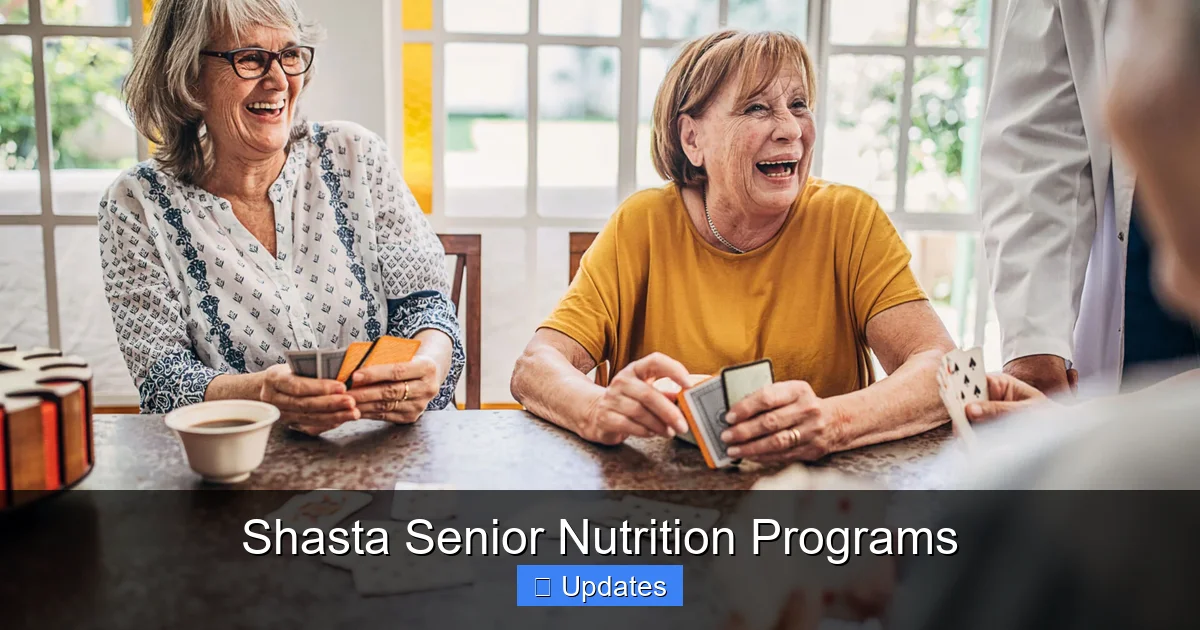
Visual guide about Shasta Senior Nutrition Programs
Image source: mnraaa.org
Core Components of the Program
The program operates through two main models:
- Congregate Meal Sites: These are central locations—often senior centers or churches—where seniors gather daily to enjoy prepared meals together. Not only do they get quality nutrition, but they also benefit from social interaction, which combats loneliness and depression.
- Home-Delivered Meals (Meals on Wheels): For homebound seniors, volunteers deliver hot lunches right to their doorsteps. Each meal is carefully planned to meet USDA nutritional guidelines and includes information about health tips or upcoming events.
Additionally, some sites offer take-home grocery bags filled with shelf-stable items, fresh produce when available, and even baby formula or medical nutrition supplements for those with specific health conditions.
How It All Works Together
A typical day might begin at a local senior center where 50 or more people arrive for breakfast or lunch. Staff and volunteers greet each guest by name, ask about their week, and ensure everyone receives a warm meal. In the afternoon, another team loads up vehicles for route deliveries—sometimes covering remote areas like Cottonwood or Anderson. At night, data is compiled to track attendance, dietary restrictions, and any urgent needs reported during visits.
This coordinated effort relies heavily on partnerships: local farmers donate surplus fruits and vegetables; restaurants provide discounted ingredients; healthcare providers refer patients showing signs of malnutrition; and volunteers commit hundreds of hours each month to keep everything running smoothly.
Who Qualifies for Shasta Senior Nutrition Programs?
Access to Shasta Senior Nutrition Programs isn’t limited to anyone who walks into a food bank. Eligibility follows strict federal and state guidelines set by the Older Americans Act. To participate, applicants must:
Visual guide about Shasta Senior Nutrition Programs
Image source: cdn.prod.website-files.com
- Be at least 60 years old
- Reside within Shasta County boundaries
- Meet income requirements (typically no more than 185% of the federal poverty level)
- Demonstrate need—whether due to financial hardship, disability, or lack of transportation
Importantly, even if someone doesn’t qualify based on income, they may still receive assistance if they care for a spouse who meets the criteria or if their circumstances change rapidly due to illness or job loss.
Inclusive Outreach Efforts
To reach underserved groups—such as Native American elders, LGBTQ+ seniors, or non-English speakers—the program works closely with tribal councils, cultural organizations, and bilingual staff. They also use radio announcements, flyers in multiple languages, and door-to-door outreach in neighborhoods where digital access is limited.
Benefits Beyond the Plate
While the primary goal is clear—preventing hunger—the ripple effects of Shasta Senior Nutrition Programs extend far beyond feeding bodies. Studies show that regular participation correlates strongly with improved mental health, better medication adherence, reduced hospitalizations, and even longer life expectancy.
Visual guide about Shasta Senior Nutrition Programs
Image source: cdn.prod.website-files.com
Social Connection Matters
Loneliness affects nearly one-third of adults over 65, according to the National Institute on Aging. Congregate meal sites act as safe havens where friendships form, conversations flow, and laughter fills the air. For many, this becomes their highlight of the week—a place where they feel seen, heard, and valued.
Health Monitoring Opportunities
Volunteers and staff often notice subtle changes—weight loss, confusion, or signs of dehydration—and gently suggest medical check-ups. Some sites collaborate directly with clinics to offer blood pressure screenings or flu shots during meal times, turning routine visits into opportunities for preventive care.
Empowerment Through Choice
Seniors aren’t passive recipients. Many centers allow guests to choose between different entrees each day, accommodating vegetarian, diabetic, or religious dietary preferences. This small act of autonomy reinforces self-worth and reminds participants that they still have control over their lives.
Real-Life Impact: Stories from the Community
Take Mrs. Garcia, an 82-year-old widow from Redding who lost her husband last year and hasn’t left her apartment since. Thanks to Meals on Wheels volunteers, she now receives three hot meals weekly plus a cheerful “how was your day?” at her doorstep. Her caregiver says her mood has lifted noticeably, and she recently joined a walking group organized by the senior center.
Or consider Mr. Thompson, a Vietnam War veteran living in Shasta Lake who struggled to afford groceries after his pension decreased. Through the program’s partnership with the local VA office, he gained access to supplemental groceries and even attended a free diabetes management class—all while connecting with other veterans at his weekly lunch gathering.
These stories aren’t rare. Thousands of seniors rely on Shasta Senior Nutrition Programs every year, and countless volunteers describe it as one of the most rewarding experiences of their lives. As one driver put it, “I used to just drop off food. Now I check in on my neighbors, bring them mail, and sometimes just sit with them for a chat. It’s not just about meals anymore.”
Challenges and Ongoing Needs
Despite its success, sustaining these programs requires constant effort. Volunteer burnout remains a concern, especially in rural areas where recruitment is harder. Supply chain disruptions can delay deliveries or reduce freshness of perishable items. And rising operational costs—fuel, packaging, labor—put pressure on already tight budgets.
That’s why community involvement is crucial. Donating time, funds, or even unused kitchen equipment helps keep doors open. Local businesses sponsoring monthly “Meals with Meaning” dinners also lighten the load. Most importantly, spreading awareness ensures that eligible seniors don’t miss out simply because they didn’t know help was available.
How You Can Get Involved
- Volunteer as a driver or server—even one shift per month makes a difference.
- Organize a food drive targeting high-demand items like canned beans, whole grains, or shelf-stable milk.
- Advocate for policy changes that increase federal funding for senior nutrition nationwide.
- Share stories on social media using #FeedOurSeniors to raise visibility.
Looking Ahead: Innovations in Senior Nutrition
The future of Shasta Senior Nutrition Programs includes exciting developments. Mobile meal units equipped with GPS tracking will soon serve even more remote villages. Online registration portals simplify sign-up, and telehealth integrations allow virtual consultations during meal visits. Some centers pilot cooking classes teaching seniors how to prepare affordable, nutritious dishes using pantry staples.
Perhaps most transformative is the growing recognition that nutrition isn’t just about calories—it’s about connection, respect, and preserving dignity in later life. By investing in these programs, communities invest in their collective humanity.
Conclusion: More Than Just Food
In closing, remember that Shasta Senior Nutrition Programs represent much more than a safety net—they’re lifelines woven from compassion, collaboration, and care. Whether you’re a senior seeking support, a volunteer eager to help, or simply someone who believes all people deserve access to healthy food and meaningful relationships, there’s a role for you in strengthening these vital services.
As we age, our needs evolve. But one truth remains constant: no one should face hunger or isolation alone. Through continued advocacy, generosity, and innovation, we can ensure that every senior in Shasta County—and beyond—has the chance to thrive.
Frequently Asked Questions
Who runs the Shasta Senior Nutrition Programs?
The programs are managed by the North State Regional Center, a nonprofit Area Agency on Aging serving Shasta County. They coordinate with local food banks, senior centers, and volunteer networks to deliver meals and support services.
Are meals provided for free?
Yes, meals are offered at no cost to eligible seniors. While sliding-scale donations are accepted at congregate sites, they’re never required. Home-delivered meals are always free regardless of ability to pay.
Can I apply online?
Online applications are available through the North State Regional Center website. Paper forms can also be picked up at partner locations like the Shasta County Senior Center or public library branches.
Do children or grandchildren count toward household income?
Only dependent relatives living in the same household are included when calculating income limits. Independent adult children are not factored into eligibility assessments.
What if I’m allergic to certain foods?
Allergies and dietary restrictions are documented and accommodated whenever possible. Guests may request substitutions or special meals—just inform staff upon enrollment.
Is there a waiting list?
Due to strong community support and consistent funding, waitlists are minimal. However, demand fluctuates seasonally, so applying early increases chances of timely placement.