
Low Income Senior Housing Nampa Idaho


Large Display Clock with Date

Anti-Slip Shower Stickers

Leg Massager for Circulation
Low-income senior housing in Nampa, Idaho, offers essential support for older adults on fixed incomes. These programs provide affordable rent, supportive services, and safe living environments. With rising costs of living, many seniors face housing instability, but local resources can make a meaningful difference.
Finding safe, comfortable, and affordable housing becomes more important as we age. For low-income seniors in Nampa, Idaho, this means not just a roof over their heads—but also access to healthcare, nutritious meals, and opportunities to stay connected. The good news? There are several local and state-supported programs designed specifically to meet these needs. Whether you’re a senior looking for your next home or a family member helping a loved one explore options, understanding what’s available in Nampa can open doors to better quality of life.
The reality is that many seniors live on fixed incomes from pensions, Social Security, or retirement savings. When rent takes up too much of that budget, it leaves little room for medicine, groceries, or unexpected expenses. That’s why low-income senior housing in Nampa, Idaho, isn’t just helpful—it’s often necessary. From subsidized apartments to assisted living communities with sliding-scale fees, the goal is to ensure dignity, security, and peace of mind.
Key Takeaways
- Affordable housing options exist in Nampa through HUD-funded programs and nonprofit organizations that offer reduced rent based on income.
- Eligibility is income-based, typically requiring seniors to earn less than 50-80% of the area’s median income.
- Supportive services are available, including meals, transportation, health clinics, and social activities tailored to older adults.
- Waiting lists can be long, so applying early and staying informed about openings is crucial.
- Local agencies like Canyon County Social Services help seniors navigate applications and connect with housing resources.
- Home modifications may be funded for accessibility, such as grab bars, ramps, or widened doorways.
- Transportation assistance reduces isolation by helping seniors get to medical appointments and community centers.
📑 Table of Contents
- Types of Low-Income Senior Housing in Nampa, ID
- How to Qualify for Low-Income Senior Housing in Nampa
- Top Resources for Low-Income Senior Housing in Nampa
- Applying for Low-Income Senior Housing: Step-by-Step Guide
- Benefits Beyond Rent Savings
- Common Challenges and How to Overcome Them
- Tips for Maximizing Your Housing Search
- Conclusion: Hope and Help Are Within Reach
Types of Low-Income Senior Housing in Nampa, ID
Not all senior housing looks the same. In Nampa, Idaho, seniors have access to several types of affordable housing options, each designed to meet different levels of need and independence.
Section-Based Public Housing
These are government-subsidized apartment buildings where rent is calculated as a percentage of your income. Most units require applicants to be at least 62 years old. One example is the Canyon County Housing Authority, which manages public housing properties in the region. While availability can be limited, these homes offer stable, low-cost shelter with basic maintenance included.
Project-Based Section 8 Housing
This program provides rental assistance vouchers that landlords accept directly. Seniors pay no more than 30% of their monthly income toward rent, and the rest is covered by federal funds. Properties like those managed by the Idaho Housing and Finance Association (IHFA) participate in this system. Unlike portable vouchers, project-based units are tied to specific buildings, so you must apply directly to the property.
Nonprofit and Faith-Based Communities
Organizations such as the Idaho Nonprofit Housing Corporation and local churches sometimes operate senior residences with deeply discounted rates. These communities often include meal programs, volunteer companionship, and faith-based activities. They’re especially valuable when traditional public housing has long waitlists.
Assisted Living with Income-Based Rates
Some assisted living facilities in nearby Boise or Caldwell offer income-adjusted pricing models. While full-time care can still be costly, certain communities partner with IHFA to cap monthly charges for qualifying seniors. Amenities might include medication reminders, housekeeping, and wellness checks—all while keeping costs manageable.
How to Qualify for Low-Income Senior Housing in Nampa
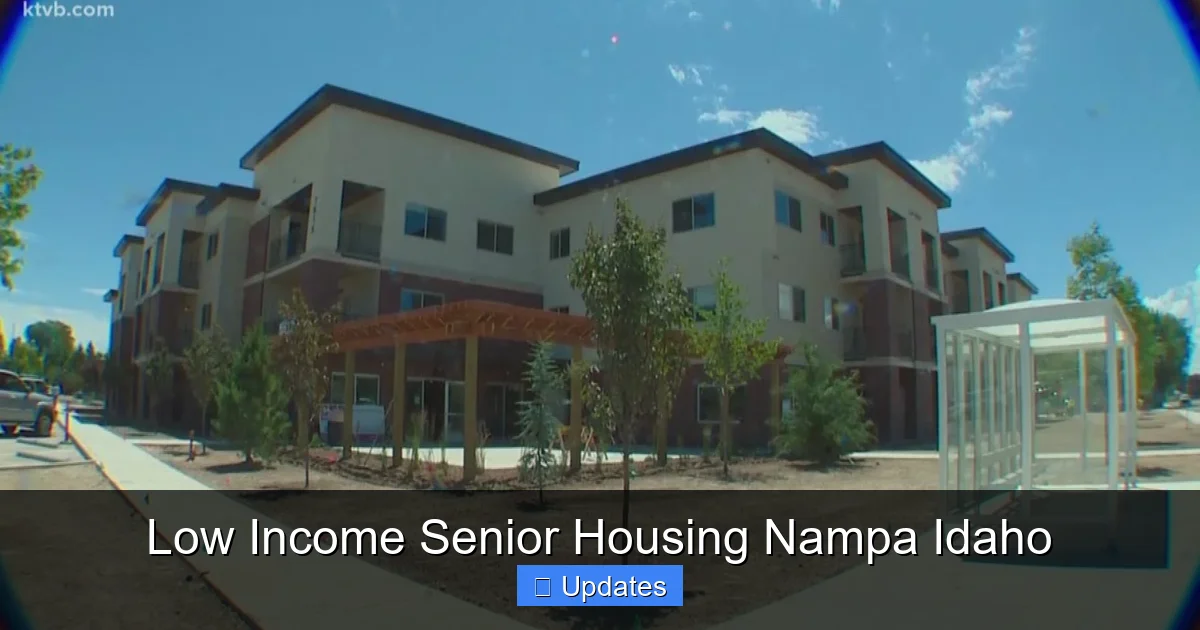
Visual guide about Low Income Senior Housing Nampa Idaho
Image source: media.ktvb.com
Qualifying for low-income senior housing in Nampa starts with proving both age and financial need. Let’s break down the key requirements:
Age Requirement
Most programs require residents to be at least 62 years old. Some exceptions exist for disabled individuals under 62, but the majority of subsidized housing targets older adults.
Income Limits
Your gross monthly income must fall below a set threshold—usually between 30% and 50% of the Area Median Income (AMI). For Nampa, as of 2024, 50% AMI for a one-person household is approximately $3,200 per month. A couple would qualify if their combined income is under $4,300 monthly.
Asset Limits
Applicants generally cannot own more than $80,000 in countable assets (excluding primary home and vehicle). This includes bank accounts, stocks, and retirement funds beyond what’s protected by law.
Citizenship or Legal Residency
You must be a U.S. citizen or have eligible non-citizen status. Proof of residency in Canyon County is also required.
Background Check
All applicants undergo criminal background checks and may be disqualified if there are recent eviction records or violent offenses.
Top Resources for Low-Income Senior Housing in Nampa
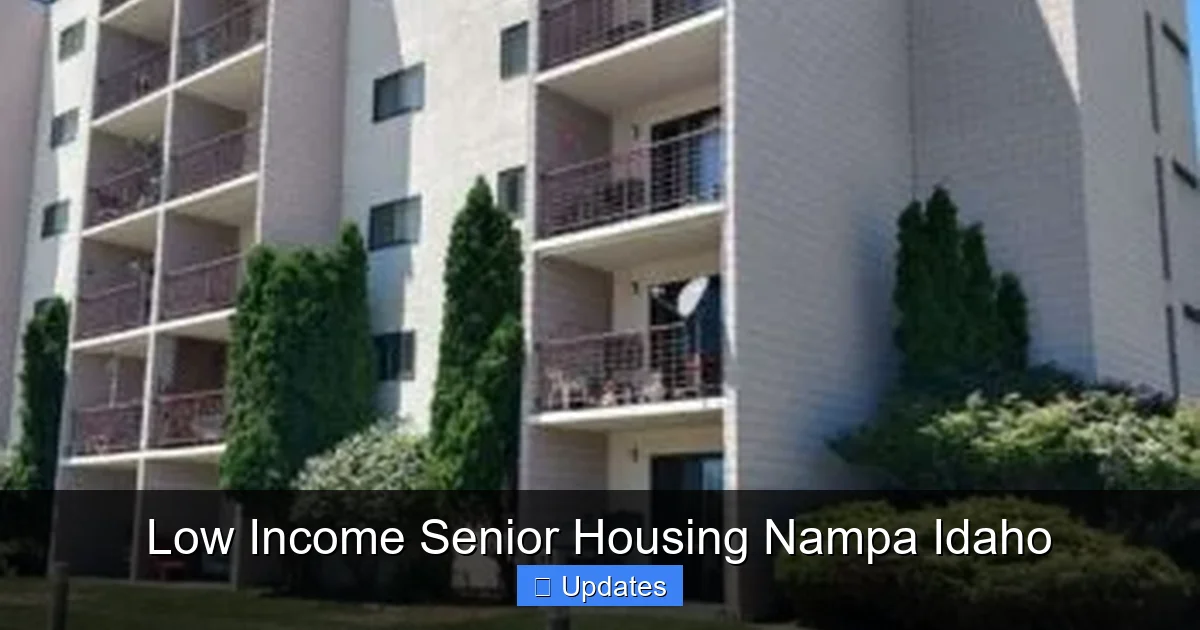
Visual guide about Low Income Senior Housing Nampa Idaho
Image source: lowincomehousing.us
Navigating housing options alone can feel overwhelming. Fortunately, Nampa and Canyon County offer several trusted resources to guide seniors through the process.
Canyon County Social Services
Located at 1110 Fairground Road, Suite 100, this office assists seniors with applications for public housing, Medicaid, food stamps, and utility assistance. Staff members speak English and Spanish and often schedule free workshops on housing rights and benefits.
Idaho Housing and Finance Association (IHFA)
IHFA administers many of the state’s affordable housing programs. Their website includes an interactive map showing participating properties across Ada and Canyon counties. You can search by location, number of bedrooms, and accessibility features.
Senior Resource Center of Southwest Idaho
Based in Boise but serving Nampa, this nonprofit offers case management, caregiver support, and housing referrals. They also run the “Senior Helpline” (211), where trained volunteers answer questions about local services.
Aging and Disability Resource Centers (ADRC)
Operated by the Idaho Department of Health and Welfare, ADRCs provide one-stop access to long-term care options, including home-based services and subsidized housing. Appointments are free and confidential.
Community Action Partnership of Southwest Idaho
This agency helps low-income households with emergency rent relief, utility bills, and job training. While not a housing provider itself, they often refer clients to appropriate shelters and subsidized units.
Applying for Low-Income Senior Housing: Step-by-Step Guide
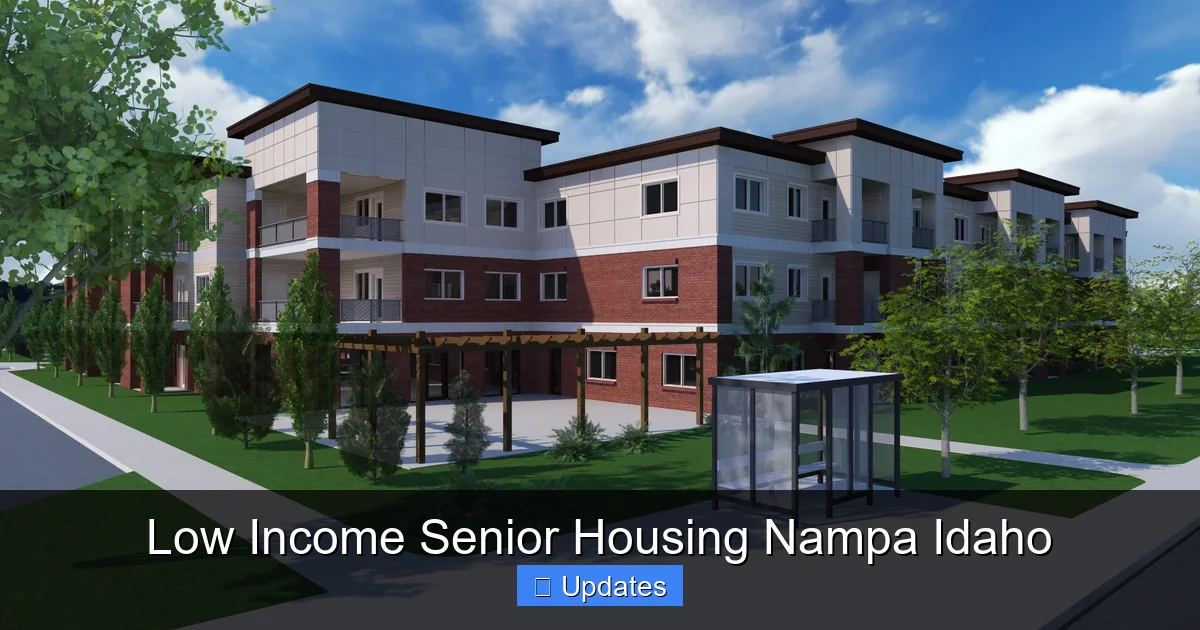
Visual guide about Low Income Senior Housing Nampa Idaho
Image source: s3.amazonaws.com
Getting started doesn’t have to be scary. Follow these steps to increase your chances of securing housing in Nampa.
Gather Required Documents
Before contacting any agency, collect:
– Proof of age (birth certificate or driver’s license)
– Recent pay stubs or benefit statements
– Tax returns from the past two years
– Bank statements and investment records
– Lease agreements or eviction notices (if applicable)
Complete Application Forms
Public housing applications take time to fill out correctly. Be honest about your income and assets—even if it means reporting small balances. Mistakes can delay approval or lead to disqualification.
Submit Applications Early
Many low-income senior housing in Nampa, Idaho, programs operate on a first-come, first-served basis. Submit your application as soon as possible—even before you’re ready to move. This puts you on the waiting list immediately.
Attend Interviews and Home Visits
Agencies may schedule brief interviews to verify information. They might also conduct home visits to assess safety conditions. Prepare your current residence ahead of time.
Stay Persistent and Organized
Check in every few months. If your circumstances change—like a reduction in income—notify the housing authority promptly. Keep copies of all correspondence.
Benefits Beyond Rent Savings
Low-income senior housing in Nampa isn’t just about affordability. It opens doors to services that improve daily life and overall well-being.
On-Site Support Services
Many properties partner with visiting nurses, nutritionists, or social workers. Some offer weekly meal delivery through Meals on Wheels. Others host bingo nights, exercise classes, or movie screenings to reduce loneliness.
Transportation Assistance
Seniors often struggle to drive due to vision problems or fatigue. Local programs like Nampa Transit provide discounted rides to medical appointments, grocery stores, and senior centers. Volunteer driver networks also serve rural areas outside city limits.
Home Modification Grants
Falls are a leading cause of injury among seniors. Agencies like IDAHO’S Aging and Disability Resource Center can fund grab bars, stairlifts, or bathroom renovations to make aging-in-place safer.
Legal and Financial Counseling
Free workshops on Medicaid planning, power of attorney, and avoiding scams help seniors protect themselves financially. Organizations like Idaho Legal Aid Services offer pro bono consultations.
Common Challenges and How to Overcome Them
Despite strong support systems, some barriers remain—especially when demand exceeds supply.
Long Waiting Lists
It’s not uncommon to wait 1–3 years for an opening. To cope:
– Apply to multiple programs simultaneously.
– Consider relocating temporarily to nearby towns like Meridian or Caldwell, where inventory is higher.
– Explore private rentals using Section 8 vouchers (see next section).
Limited Accessible Units
Wheelchair users or those with mobility issues may find few barrier-free options. Contact IHFA directly to request priority placement or advocate for retrofits.
Language Barriers
Spanish-speaking seniors should visit Canyon County Social Services, which employs bilingual staff. Translation apps or family members can also assist during phone calls.
Scams Targeting Seniors
Beware of “housing brokers” charging application fees upfront. All legitimate programs in Nampa are free to apply for. Report suspicious calls to the Federal Trade Commission.
Tips for Maximizing Your Housing Search
Success often comes down to strategy and persistence.
Use Multiple Search Channels
Don’t rely solely on one website. Check:
– HUD’s Public Housing Agency Directory
– IHFA’s property locator tool
– Facebook groups like “Nampa Seniors Support Network”
– Local newspaper classifieds
Network with Peers
Talk to friends, neighbors, or church members who’ve recently moved into senior housing. They can share insider tips about application timelines and hidden gems.
Visit Properties in Person
Schedule tours whenever possible. Pay attention to cleanliness, noise levels, and neighbor interactions. Ask about pest control, heating costs, and pet policies.
Consider Co-Housing Arrangements
If single occupancy is too expensive, look into shared housing with another senior. Some nonprofits facilitate roommate matching to split costs and combat isolation.
Stay Updated on Policy Changes
Federal funding fluctuates yearly. Sign up for newsletters from IHFA or ADRC to learn about new grants or expanded eligibility.
Conclusion: Hope and Help Are Within Reach
For low-income seniors in Nampa, Idaho, affordable housing isn’t a distant dream—it’s a realistic possibility supported by dedicated agencies, compassionate staff, and community-driven initiatives. Yes, challenges exist, especially with waitlists and accessibility, but proactive steps can significantly improve your odds of finding a welcoming, secure place to call home.
Whether you’re exploring options for yourself or supporting a parent or friend, remember: asking for help is a strength, not a weakness. The resources outlined here are designed precisely for people in your situation. Take it one step at a time. Gather documents. Make calls. Attend workshops. And most importantly, don’t give up.
You deserve comfort, safety, and connection in your golden years. With the right support, low-income senior housing in Nampa, Idaho, can deliver exactly that.
Frequently Asked Questions
What is the average wait time for low-income senior housing in Nampa?
Wait times vary but typically range from 1 to 3 years depending on demand and program type. Applying early increases your chances of securing housing sooner.
Can I apply for low-income senior housing if I’m disabled under 62?
Yes, some programs allow applicants under 62 if they have a documented disability. Contact Canyon County Social Services to discuss exceptions.
Are utilities included in low-income senior housing rent?
This varies by property. Many public housing units include water and trash, but electricity and internet are often separate. Always ask during tours or application reviews.
Is there transportation from senior housing to medical appointments?
Several Nampa senior housing complexes partner with local transit or volunteer drivers. The Senior Resource Center also offers ride coordination services.
What happens if my income increases after moving into subsidized housing?
Rent may adjust based on your new income level. Most programs recalculate annually during recertification to ensure fairness.
Are pets allowed in low-income senior housing?
Policies differ. Some complexes allow small dogs or cats with deposits; others restrict animals entirely. Request written pet policy details before signing a lease.