
Senior Centers Broome County Ny


Tablet for Seniors

Smart Doorbell Camera

Large Button TV Remote
Senior centers in Broome County, NY, such as the Broome County Office for Aging, provide vital resources including nutritious meals, fitness classes, transportation, and social opportunities. These centers help seniors stay active, connected, and independent while addressing critical needs like health education and caregiver support.
Welcome to a comprehensive guide on senior centers in Broome County, New York—your go-to resource for understanding how these vibrant community hubs support older adults across Binghamton, Johnson City, Endicott, and surrounding towns. Whether you’re looking for a place to enjoy a hot meal, participate in fitness classes, access transportation, or simply connect with peers, Broome County offers a wide range of services designed to promote independence, dignity, and quality of life for seniors.
In this article, we’ll walk you through everything you need to know about senior centers in Broome County, NY. From meal programs and recreational activities to health screenings and caregiver support, we’ll cover the key services, locations, eligibility requirements, and practical tips for making the most of what’s available. We’ll also share real-life examples of how these centers have made a difference in the lives of local seniors—and why they matter now more than ever.
So grab a cup of coffee, settle in, and let’s explore how Broome County is empowering its aging population through thoughtful, compassionate, and accessible programming.
Key Takeaways
- Comprehensive Services: Broome County senior centers offer meal programs, wellness activities, transportation, and legal aid tailored to older adults.
- Community Connection: These centers reduce isolation by hosting events, hobby groups, and volunteer opportunities for seniors.
- Accessibility: Most centers are located throughout the county with ADA-compliant facilities and transportation options for those with mobility challenges.
- Support for Caregivers: Many centers provide respite care, counseling, and training for family caregivers supporting aging loved ones.
- Health and Wellness Focus: Programs include chronic disease management, fall prevention, nutrition education, and mental health support.
- Low-Cost or Free Options: Services are often income-based, ensuring affordability for low-income seniors across Broome County.
📑 Table of Contents
- Understanding Senior Centers in Broome County, NY
- Top Senior Centers Across Broome County
- Essential Services Offered at Broome County Senior Centers
- How to Access Senior Center Services in Broome County
- Real-Life Impact: Stories from Broome County Seniors
- Tips for Maximizing Your Experience at a Senior Center
- Future Outlook: Expanding Access and Innovation
- Conclusion: Why Senior Centers Matter in Broome County
Understanding Senior Centers in Broome County, NY
Senior centers in Broome County serve as lifelines for older adults, offering a blend of social, nutritional, educational, and supportive services. These centers are typically operated by the Broome County Office for Aging (BCOFA) in partnership with local nonprofits, faith-based organizations, and municipal governments. Their mission? To enhance the well-being of residents aged 60 and over by fostering community engagement, promoting healthy lifestyles, and connecting seniors with essential resources.
Unlike traditional recreation centers, senior centers prioritize age-appropriate programming that addresses the unique physical, emotional, and social needs of older adults. This includes not just fun activities like bingo and crafts, but also critical services like home-delivered meals, medication reminders, and assistance navigating public benefits.
What sets Broome County’s senior centers apart is their holistic approach. For example, many offer “Age-Friendly” initiatives aligned with global standards set by the World Health Organization (WHO). This means facilities are designed to be walkable, safe, and inclusive—ensuring that even those with limited mobility can participate fully.
Additionally, these centers act as gateways to broader support networks. Staff members often serve as liaisons to housing assistance, legal aid, transportation subsidies, and even emergency response systems. In short, if there’s a challenge facing a senior in Broome County, chances are a center staffer knows how to help.
Top Senior Centers Across Broome County
Visual guide about Senior Centers Broome County Ny
Image source: broomecountyny.gov
While the Broome County Office for Aging coordinates many services centrally, several neighborhood-based senior centers operate under its umbrella or independently. Here are some of the most active and well-regarded locations:
The Broome County Office for Aging (Central Hub)
Located at 401 Main Street in Binghamton, this is the administrative heart of senior services in the county. While it doesn’t host daily drop-in programs, it manages the Meals on Wheels program, coordinates transportation vouchers, and provides case management for vulnerable seniors. Appointments are required for most services here.
Endicott Senior Center
Situated at 125 Front Street in Endicott, this center offers a full calendar of activities Monday through Friday. Residents can join chair yoga, bridge tournaments, computer workshops, and weekly happy hours. The center also serves lunch every weekday using funds from the Older Americans Act. Meal participation is encouraged but not required—drop-ins are welcome.
Binghamton Senior Center
At 174 Hawley Street in downtown Binghamton, this facility features a large dining hall, game room, library, and multipurpose space for events. It partners with local hospitals to offer free blood pressure checks and flu shots each month. The center also hosts a popular “Walking Club” that meets three times a week for guided strolls around Riverside Park.
Johnson City Senior Center
Located at 178 Washington Avenue in Johnson City, this center emphasizes outdoor recreation. Its signature program is the Senior Hiking Series, which takes small groups on scenic trails in the nearby Southern Tier region. Indoor offerings include line dancing, knitting circles, and monthly movie nights with popcorn.
Coxsackie Area Senior Center (Serving Southern Broome)
Though technically in Greene County, this center extends outreach into southern Broome towns like Deposit and Sanfordville. It’s especially valuable for rural seniors who may find it difficult to travel to Binghamton regularly. The center focuses on homebound services, including weekly grocery delivery and phone check-ins.
Each center operates slightly differently based on funding sources and community demand, but all share core values: inclusivity, respect, and empowerment. Contact information and operating hours can be found on the BCOFA website or by calling their main line at (607) 778-2890.
Essential Services Offered at Broome County Senior Centers
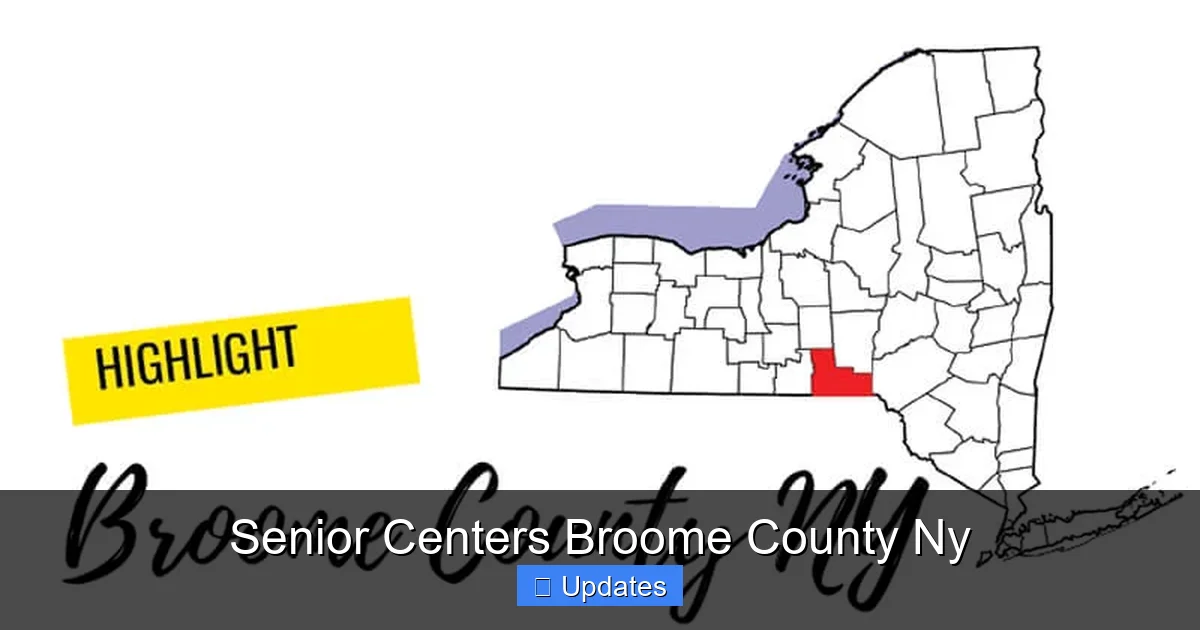
Visual guide about Senior Centers Broome County Ny
Image source: informedny.com
One of the greatest strengths of senior centers in Broome County is the breadth of services they provide. Rather than being just places to eat and socialize, these centers function as one-stop shops for older adults facing complex life changes. Below are some of the most impactful offerings:
Nutrition Programs: Hot Meals and More
Nutrition is a cornerstone of senior wellness. At most centers, seniors can enjoy a hot, balanced lunch five days a week for a suggested donation of $4–$6. For those who cannot leave home due to illness, disability, or lack of transportation, Meals on Wheels delivers meals directly to doorsteps twice daily (lunch and dinner). This service is free for low-income individuals and costs only $3 per meal for others.
Transportation Assistance
Mobility shouldn’t limit access to care or community. Broome County provides subsidized ride vouchers for medical appointments, grocery trips, and center visits. Seniors simply call the BCOFA dispatch line up to three days in advance to schedule a pickup. For emergency situations, 24/7 emergency transit is available at no cost.
Health and Wellness Initiatives
Chronic conditions like diabetes, hypertension, and arthritis require ongoing management. Senior centers host regular health fairs where nurses administer free screenings (blood pressure, glucose, cholesterol). They also partner with local pharmacies to offer medication synchronization and adherence counseling.
Fall prevention is another priority. Through the Evidence-Based Exercise Program (EBP), trained instructors lead strength and balance workouts twice weekly. Studies show participants reduce their risk of falls by up to 40% after six months.
Mental Health and Emotional Support
Social isolation affects nearly half of all seniors over 75. To combat this, centers organize book clubs, art therapy sessions, and peer-led support groups. Counselors from Family Services Inc. also visit monthly to provide grief counseling, depression screening, and referrals to mental health professionals.
Educational Workshops and Technology Training
Many seniors feel left behind by digital advancements. Centers offer beginner-friendly classes on smartphones, video calling (Zoom/Skype), online banking, and internet safety. Advanced topics include genealogy research and e-book reading on Kindles.
Legal clinics hosted quarterly help with estate planning, power of attorney documents, Medicare appeals, and elder abuse reporting. Volunteers from Legal Aid of Central New York handle consultations at reduced fees.
Caregiver Resources
Family caregivers juggle jobs, households, and caregiving duties—often without respite. Broome County centers recognize this strain and offer free workshops on dementia care, stress management, and financial planning. Respite care slots are available for up to four hours per week at participating adult day care centers.
How to Access Senior Center Services in Broome County
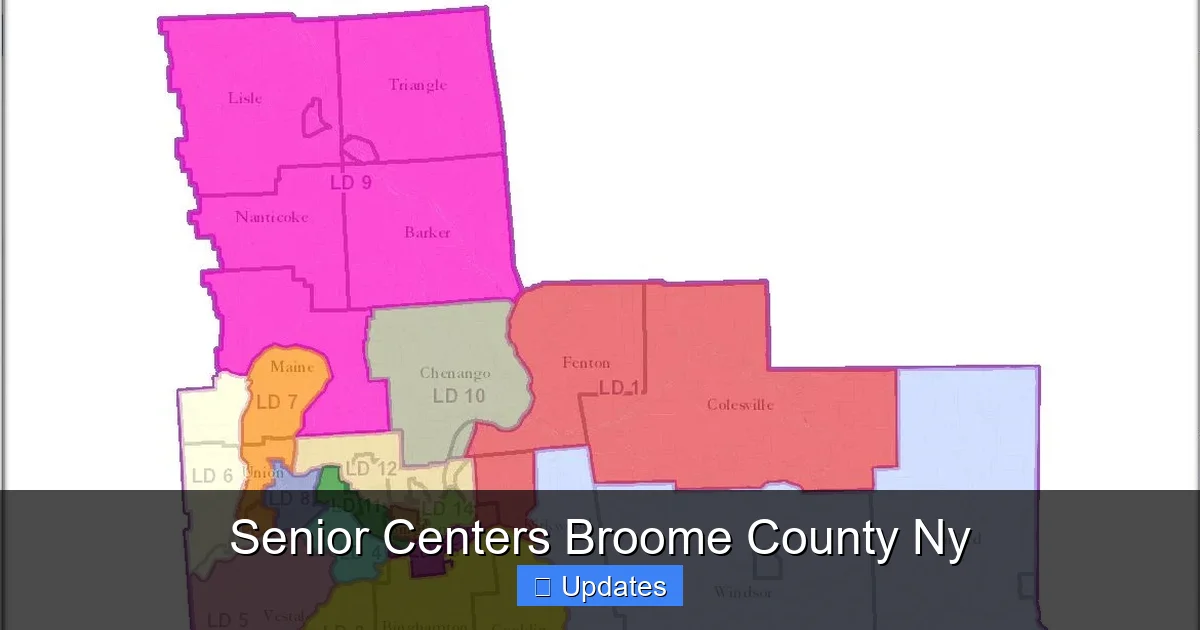
Visual guide about Senior Centers Broome County Ny
Image source: gis.broomecountyny.gov
Getting started is easier than you might think. There’s no formal application process to join a senior center—simply show up during open hours or call ahead to express interest. However, certain services like Meals on Wheels or transportation vouchers do require verification of age (60+), residency in Broome County, and income level for subsidy eligibility.
Here’s a step-by-step guide:
- Call the Broome County Office for Aging at (607) 778-2890 to confirm which center best fits your location and interests.
- Bring proof of age (driver’s license, passport, or birth certificate) and proof of address (utility bill, lease agreement).
- Inquire about income guidelines if you’re applying for discounted meals or transportation. As of 2024, the threshold is $2,500/month for a single person.
- Attend an orientation session (offered monthly at each center) to learn about programs, rules, and upcoming events.
- Sign up for newsletters and calendars to stay informed about new offerings.
Pro tip: If you’re unsure whether you qualify for financial assistance, ask the intake coordinator—they’ll never turn anyone away based on income alone. Many services remain free regardless of earnings.
Real-Life Impact: Stories from Broome County Seniors
To understand the true value of senior centers, consider the experiences of actual users:
Martha, 78, from Binghamton: After her husband passed away, Martha stopped leaving her apartment. A neighbor suggested the Binghamton Senior Center. “I was nervous at first,” she says. “But the staff welcomed me like family. Now I go every Tuesday for lunch and Thursday for water aerobics. I’ve met friends I’d never have known otherwise.”
Robert, 71, from Endicott: Diagnosed with early-stage Parkinson’s, Robert feared losing his independence. Thanks to the EBP program at the Endicott center, he maintains better balance and strength. “I used to cancel plans because I worried about falling,” he shares. “Now I feel confident walking anywhere.”
Lena, 65, from Johnson City: Lena cares for her disabled daughter full-time. The Johnson City center’s caregiver workshop taught her how to manage stress and access community resources. “I didn’t realize how much I needed support until someone asked,” she reflects. “This place saved my sanity.”
These stories aren’t outliers—they reflect the consistent pattern seen across Broome County: when seniors engage with their local center, they experience improved physical health, stronger social ties, and greater emotional resilience.
Tips for Maximizing Your Experience at a Senior Center
Whether you’re a longtime participant or just starting out, here are some practical ways to get the most out of your senior center experience:
- Arrive early for meals—seating fills up quickly, especially on busy days.
- Dress comfortably and appropriately for planned activities (e.g., closed-toe shoes for exercise classes).
- Introduce yourself to staff and other attendees; relationships grow fastest through simple greetings.
- Ask questions—program directors love enthusiastic newcomers and will happily explain how things work.
- Volunteer—whether serving meals or teaching a craft class, giving back enriches both helper and recipient.
- Share feedback—centers rely on input to improve services. Suggest a new activity or complain politely if something isn’t working.
Remember: senior centers thrive when members actively participate. Your voice matters!
Future Outlook: Expanding Access and Innovation
As the population ages—Broome County’s 60+ demographic is projected to grow by 22% over the next decade—so too must the reach and innovation of senior services. The BCOFA recently launched a pilot program called “Virtual Connections”, offering hybrid events via Zoom for homebound seniors. Feedback has been overwhelmingly positive, with many requesting more tech support.
Another exciting development is the planned expansion of the “Senior Wellness Village” concept, integrating health clinics, housing assistance offices, and recreational spaces under one roof in downtown Binghamton. This model mirrors successful projects in cities like Portland, Oregon, and aims to create truly walkable, age-friendly neighborhoods.
State and federal grants continue to fund new initiatives, such as mobile health vans that travel to underserved areas and subsidized internet plans for low-income seniors. Advocacy groups like the New York State Senior Citizens League are also pushing for policy changes to increase funding for caregiver stipends and transportation.
The bottom line? Broome County is committed to evolving its senior center system to meet future needs. Staying engaged with your local center ensures you’ll hear about updates firsthand.
Conclusion: Why Senior Centers Matter in Broome County
Senior centers in Broome County, NY, are far more than buildings with chairs and kitchens—they are dynamic communities built on compassion, connection, and care. For older adults facing loneliness, health challenges, or logistical barriers, these centers offer hope, practical help, and joyful moments of belonging.
From nutritious meals that keep bodies strong to technology classes that spark curiosity, from fall-prevention exercises to grief support groups, the services provided are comprehensive, person-centered, and deeply impactful. And perhaps most importantly, they affirm that growing older doesn’t mean growing isolated.
If you or a loved one is 60 or over in Broome County, we encourage you to visit a senior center near you. Take a deep breath, say hello, and discover what’s possible when community comes together around shared values: dignity, independence, and joy.
For the latest schedules, contact details, and enrollment forms, visit Broome County Office for Aging or call (607) 778-2890. Your journey toward a more vibrant, supported later life starts today.
Frequently Asked Questions
What age qualifies for senior center services in Broome County?
Residents aged 60 and older are eligible for most programs at Broome County senior centers. Some specialized services may require additional documentation or income verification.
Are meals at senior centers free?
Hot lunches are offered for a suggested donation of $4–$6, though no one is denied service due to inability to pay. Home-delivered meals (Meals on Wheels) are free for low-income seniors and cost $3 per meal otherwise.
Do I need an appointment to attend activities?
Most centers allow drop-in participation for social events and meals. However, fitness classes, workshops, and special programs may require advance sign-up due to limited space.
Can I bring my grandchild to a senior center event?
Some centers host intergenerational programs specifically designed for grandparents and grandchildren. Check with individual centers for availability, as most do not permit minors during general operations due to liability policies.
How do I apply for transportation assistance?
Call the Broome County Office for Aging at (607) 778-2890 up to three days before your trip. You’ll need to verify age, residency, and sometimes income to receive subsidized or free rides.
What should I bring to my first visit?
Bring proof of age (like a driver’s license), proof of Broome County residency (such as a utility bill), and any medical information relevant to your needs (e.g., diabetes diagnosis for dietary accommodations).