
Zero Gravity Chair vs Lift Chair: Which?


Portable Wheelchair

Upright Walker

Lap Desk for Reading
A Zero Gravity Chair vs Lift Chair comparison can help seniors choose the right seat for relaxing, reading, watching TV, or resting at home. The two chairs may look similar, but they serve different needs.
A zero gravity chair focuses on a reclined body position and relaxed seating. A lift chair adds powered movement that can help a person move from sitting to standing. The better choice depends on how much support and movement assistance the user needs.
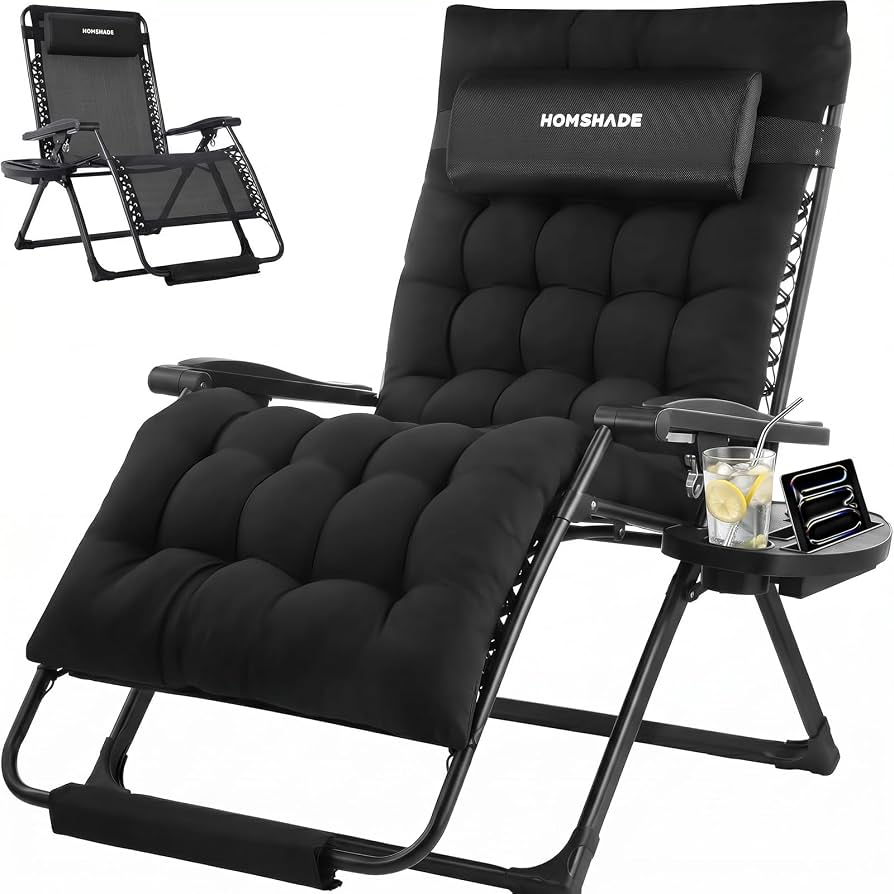
Quick Comparison
A zero gravity chair is often a better fit for simple relaxation and pressure-free reclining. A lift chair is more useful when standing up from a chair is difficult.
The biggest difference is the lift function. A lift chair can raise and tilt the seat to help the user stand. A zero gravity chair usually does not provide this type of standing assistance.
Choose based on the movement you need, not just how comfortable the chair looks.
Zero Gravity Chair vs Lift Chair At a Glance
Both can provide a comfortable reclined position, but their main purposes are different.
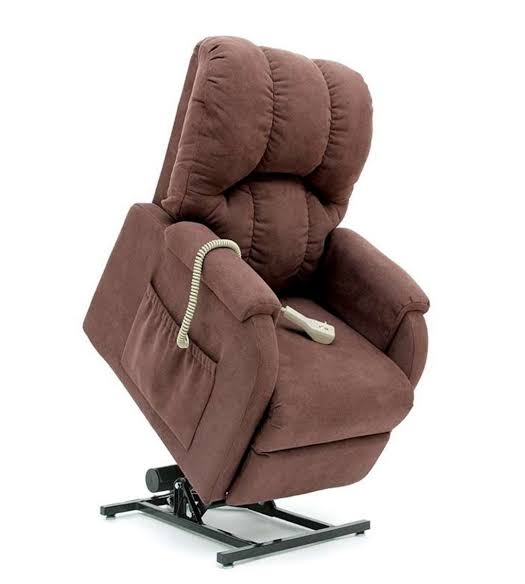
| Feature | Zero Gravity Chair | Lift Chair |
|---|---|---|
| Main purpose | Relaxed reclining | Reclining and standing assistance |
| Reclining | Yes | Yes |
| Lift function | No | Yes |
| Power | Often manual | Usually powered |
| Controls | Simple or manual | Hand control |
| Standing support | Limited | Stronger |
| Portability | Often easier | Usually heavier |
| Setup | Usually simple | May need more setup |
| Maintenance | Generally low | More moving parts |
| Best for | Relaxation | Easier sitting and standing |
Zero Gravity Chair Review for Seniors
A zero gravity chair is designed around a reclined seating position. It can be a simple choice for someone who mainly wants a place to rest.
It may work well in a living room, patio, bedroom, or other relaxing space.
Ease of Use
Most zero gravity chairs have relatively simple controls. Many use a manual reclining mechanism, while some versions may have powered adjustments.
There is usually less to learn than with a powered lift chair.
A senior who can sit down and stand up without much difficulty may find this simplicity useful.
Key Strengths
- Simple reclining design
- Good for everyday relaxation
- Often easier to move than a lift chair
- Usually fewer mechanical parts
- Can work well for reading or watching TV
- Often requires little maintenance
Potential Drawbacks
- Does not normally help the user stand
- Manual models may require some physical effort
- Less useful when standing from a low seat is difficult
- Some models provide limited support for getting in and out
Lift Chair Review for Seniors
A lift chair combines reclining with a powered lifting mechanism. Its main advantage is not simply comfort. It is the way the chair can assist with the transition from sitting to standing.
This can make a major difference for a senior who finds that movement difficult.
Ease of Use
A typical lift chair uses a hand control to adjust the chair position. The same control can activate the lifting mechanism.
This means the user does not normally need to push strongly against the chair to stand.
However, the chair is usually heavier and more complex than a basic zero gravity chair.
Key Strengths
- Helps with sitting-to-standing transitions
- Powered reclining
- Hand controls can reduce physical effort
- Good for frequent everyday seating
- Can provide a more supportive seating position
- Useful for seniors who need extra assistance
Potential Drawbacks
- Usually heavier
- Needs access to electricity
- More mechanical parts can mean more maintenance
- Often takes up more space
- May cost more than a basic reclining chair
Which Is Easier for Seniors to Use?
Ease of use depends on the person’s physical ability and how the chair will be used.
A zero gravity chair may be easier for someone who wants simple reclining without powered controls. It can also be useful when the chair needs to be moved or stored.
A lift chair may be easier for someone who has trouble rising from a seated position. The powered lift function reduces the need to push up from the seat.
| Senior Need | Zero Gravity Chair | Lift Chair |
|---|---|---|
| Simple reclining | Strong fit | Strong fit |
| Easy standing | Limited | Better suited |
| Simple controls | Usually | Usually |
| Easy movement | Often | Less convenient |
| Low physical effort | Depends on model | Strong advantage |
| Everyday main chair | Possible | Often well suited |
Neither chair is automatically easier for every senior. The important question is whether the user needs reclining comfort or standing assistance.
Performance Comparison
The two chairs perform differently because they are designed around different goals.
A zero gravity chair is mainly about positioning the body in a relaxed reclined posture. A lift chair adds powered movement and a standing-assistance function.
For someone who only needs a comfortable place to recline, the extra mechanism of a lift chair may not be necessary.
For someone who regularly struggles to rise from a chair, the lift mechanism can be much more useful.
| Performance Area | Zero Gravity Chair | Lift Chair |
|---|---|---|
| Reclining | Good | Good |
| Standing assistance | No dedicated lift | Yes |
| Position adjustment | Depends on model | Powered on many models |
| Physical effort | Can be higher | Usually lower for lifting |
| Portability | Often better | Usually lower |
| Daily seating | Good | Very good for users needing assistance |
Comfort, Accessibility, and Senior-Friendly Design
Comfort is personal, so chair design should match the user’s body, space, and daily routine.
A zero gravity chair can be appealing for relaxed reclining. A lift chair can offer more practical support for users who need help getting up.
When comparing either chair, check the seat height, seat width, armrest position, footrest design, and control placement.
A simple rule is useful:
The best chair is one that the user can operate comfortably and leave safely without unnecessary effort.
Features Comparison
The most useful features depend on the user’s needs. More features do not always mean a better chair.
| Feature | Zero Gravity Chair | Lift Chair |
|---|---|---|
| Reclining position | Yes | Yes |
| Powered lift | Usually no | Yes |
| Hand control | Model dependent | Common |
| Footrest | Often | Common |
| Power connection | Model dependent | Required for powered operation |
| Moving parts | Fewer on basic models | More |
| Storage needs | Often lower | Usually higher |
A senior who values simplicity may prefer fewer mechanical features. A user who needs help standing may benefit from the added mechanism of a lift chair.
Price, Maintenance, and Long-Term Value
Price varies widely by design, materials, features, and brand. A basic zero gravity chair can be less expensive than a powered lift chair, but this is not true for every model.
Lift chairs have more mechanical and electrical components. That can increase the importance of proper setup, cord management, and long-term maintenance.
Zero gravity chairs can offer good value when the main goal is comfortable reclining. A lift chair may offer better practical value when its lifting function is used every day.
| Cost Factor | Zero Gravity Chair | Lift Chair |
|---|---|---|
| Initial cost | Often lower | Often higher |
| Maintenance | Usually simpler | More components |
| Electricity | Model dependent | Required for powered operation |
| Replacement parts | Usually simpler | May be more specialized |
| Long-term value | Strong for relaxation | Strong when lift assistance is needed |
Do not judge value by purchase price alone. A less expensive chair may not solve the user’s main problem.
Who Should Choose a Zero Gravity Chair?
A zero gravity chair may make sense if:
- You mainly want a comfortable reclining seat.
- You can stand up without powered assistance.
- You want a relatively simple chair.
- You may need to move the chair around.
- You do not need a powered lifting mechanism.
- You want fewer mechanical components.
It can be a practical choice when relaxation is the main goal.
Who Should Choose a Lift Chair?
A lift chair may be a better match if:
- Standing from a chair takes extra effort.
- You want powered reclining.
- You prefer hand-controlled adjustments.
- You use the chair for long periods each day.
- You want one chair for sitting, reclining, and standing assistance.
- Caregivers need a more supportive seating option for the user.
The lift function is the main reason to choose this type of chair.
Zero Gravity Chair vs Lift Chair — Final Verdict
The right choice depends on what the chair needs to do. A zero gravity chair is mainly a relaxation chair, while a lift chair combines reclining with powered standing assistance.
For a senior who can easily get in and out of a chair, a zero gravity chair may provide the simpler solution. For someone who has difficulty standing, a lift chair may offer more useful everyday support.
| Category | Better Fit | Why |
|---|---|---|
| Relaxed reclining | Zero Gravity Chair | Focuses on reclined comfort |
| Standing assistance | Lift Chair | Provides a lifting function |
| Simple design | Zero Gravity Chair | Usually fewer mechanisms |
| Reduced effort | Lift Chair | Powered lift can assist standing |
| Portability | Zero Gravity Chair | Often easier to move |
| Everyday support | Lift Chair | Combines sitting, reclining, and lifting |
Scoring Summary
Scores are best treated as a practical comparison rather than a universal rating. The right choice can change based on the user’s mobility, space, and daily routine.
| Category | Zero Gravity Chair | Lift Chair |
|---|---|---|
| Ease of Use | 9/10 | 8/10 |
| Senior-Friendly Design | 8/10 | 9/10 |
| Comfort | 9/10 | 9/10 |
| Standing Assistance | 4/10 | 10/10 |
| Maintenance | 9/10 | 7/10 |
| Portability | 9/10 | 5/10 |
| Overall Value | 8/10 | 9/10 |
These scores reflect the typical design differences between the two chair types, not a specific brand or model.
How We Evaluate Products
We compare senior-focused products by looking at practical daily use rather than marketing claims.
Key factors include:
- Ease of use
- Physical effort
- Comfort
- Accessibility
- Safety
- Controls
- Maintenance
- Setup
- Storage
- Long-term value
The comparison is based on product-category characteristics. Specific models can differ, so buyers should check the manufacturer’s current specifications before purchasing.
Senior-Specific Buying Considerations
A few details deserve extra attention before choosing either chair.
Physical Effort
Think about getting into the chair, reclining, changing position, and getting back out.
If standing is difficult, the lift mechanism may be more important than reclining comfort alone.
Controls
Check whether the controls are easy to reach and understand. A complicated control system can reduce the benefit of an otherwise useful chair.
Space
Measure the available area before buying. Reclining chairs need enough room to change position safely.
Setup
Check whether the chair arrives assembled or requires setup. A heavier lift chair may need more planning during delivery and placement.
Safety
Keep electrical cords away from walking paths. Make sure the chair is placed on a stable surface and that the user can operate its moving parts safely.
If the chair is being considered because of significant mobility problems, discussing the choice with an appropriate healthcare professional may also be helpful.
Common Buying Mistakes
Avoid these common mistakes when comparing the two chair types:
- Choosing only by appearance
- Ignoring seat height
- Forgetting to measure the available space
- Buying a lift chair when lifting assistance is not needed
- Choosing a simple recliner when standing support is important
- Ignoring control placement
- Forgetting cord management
- Assuming every model has the same reclining positions
The most expensive option is not automatically the most useful one.
Conclusion
The main difference between a zero gravity chair and a lift chair is the standing-assistance function. A zero gravity chair is built mainly for relaxed reclining, while a lift chair adds powered movement to help the user rise.
Choose a zero gravity chair when simplicity, relaxation, and easier movement around the home matter most. Choose a lift chair when powered reclining and easier sitting-to-standing transitions are more important. For either option, focus on the user’s actual daily needs rather than simply choosing the chair with more features.
