
Yoga Mat vs Exercise Mat: Which Is Best for Seniors?


Folding Walking Cane

Slow Cooker Crock Pot

Large Display Clock with Date
Choosing between a yoga mat vs exercise mat matters a great deal for your joint comfort. They look the same on the store shelf. Yet, they do very different things for older adults. You want a safe workout at home. The right floor surface is a big deal.
Soft cushions protect your sensitive knees. Firm rubber keeps your feet flat and secure. It is vital to know the difference before you buy. Your daily fitness routine dictates which one you truly need.
Quick Comparison
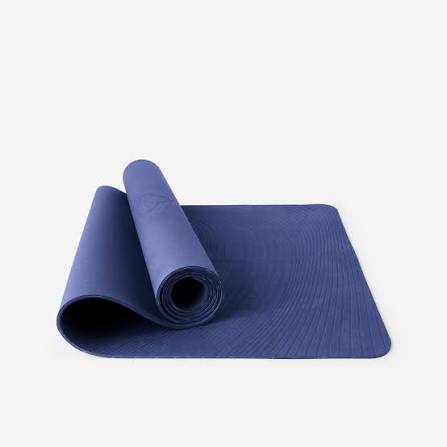
A yoga mat is thin and firm. It gives you a great grip. This makes it the best pick for standing stretches and balance work. An exercise mat is thick and soft. It offers deep padding. This makes it better for floor routines that put heavy weight on your joints. You should base your choice strictly on whether you stand up or lie down the most.
Yoga Mat vs Exercise Mat At A Glance
Here is a quick look at how these two items compare. The table highlights the main differences.
| Feature | Yoga Mat | Exercise Mat |
| Thickness | Thin and firm | Thick and soft |
| Main Use | Standing balance | Floor work |
| Grip Level | Very high | Low to medium |
Exploring Yoga Mats for Senior Fitness
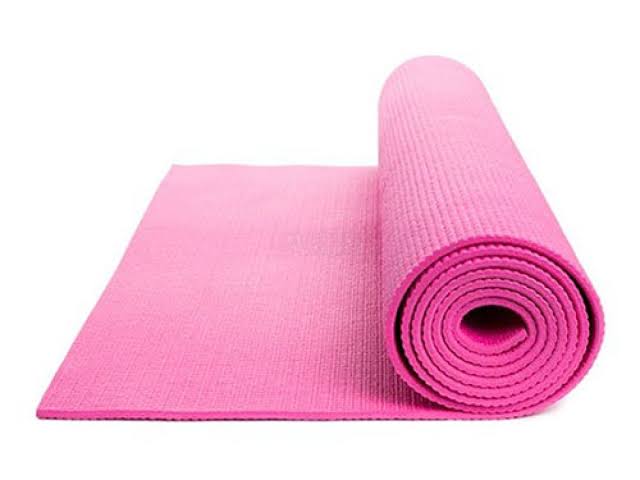
A basic yoga model is thin and sticky. It keeps your hands and feet firmly in place. It is designed to connect you to the hard floor safely.
Ease of Use
These models are very light. You can roll them up in seconds. They are easy to carry around the house. The firm grip helps you feel stable when you stand. You do not have to fight the material to roll it tight. It fits nicely under a bed or in a small closet. It unrolls flat very quickly. The edges rarely curl up. This means you do not have to flatten it with heavy books.
Key Strengths
- Keeps your feet from slipping on smooth floors.
- Very light and easy to hold in one hand.
- Helps you keep your balance when standing.
- Rolls up tight for small storage spaces.
- Easy to wipe down with a damp cloth.
Potential Drawbacks
- Very little padding for your knees and wrists.
- Can feel too hard on cold or concrete floors.
- Not ideal if you spend most of your time lying down.
Exploring Exercise Mats for Older Adults
An exercise model is thick and plush. It acts like a soft cushion between you and the floor. It is designed to absorb pressure from your body weight.
Ease of Use
These models are wider and thicker. They take up more space when rolled. The extra bulk makes them slightly harder to carry. Some models require a velcro strap to stay closed. However, they feel much better when you sit or lie down. You might need two hands to move a very thick model. Thick foam sometimes holds its rolled shape. The edges might curl up at first. You might need to place a weight on the corners. This takes a little extra effort before you start.
Key Strengths
- Soft padding for sensitive knees and hips.
- Great for seated stretches and physical therapy.
- Keeps you entirely off the hard floor.
- Very comfortable for daily floor use.
- Blocks the cold from chilly floors.
Potential Drawbacks
- Can make you wobble when standing on them.
- Heavy and bulky to store in small spaces.
- Soft foam can tear if you wear street shoes.
Which Is Easier for Seniors to Use?
Both items are fairly easy to manage. Yet, they feel very different in daily use. A thin pad weighs less. It is easier to grab, move, and store. A thick pad weighs more. It might require a strap to keep it rolled tightly.
Cleaning is simple for both surfaces. You just wipe them down with a damp cloth and mild soap. If you have weak wrists, a light roll is much easier to lift. If you have bad knees, the soft pad is much easier to use during your routine. You should think about your own physical limits. Lifting a thick roll might bother a sore shoulder. Getting up from a hard floor might hurt bad knees.
Performance Comparison
Your workout style decides which item performs better. One helps you stand. The other helps you sit.
| Performance Area | Yoga Mat | Exercise Mat |
| Balance Support | Excellent | Poor |
| Joint Cushion | Low | Excellent |
| Floor Grip | Very high | Moderate |
If you do standing reaches, the thin surface wins. It grips the floor and holds your feet steady. If you do seated stretches, the thick pad wins. It absorbs the weight of your hips and spine. Using the wrong tool makes your workout harder. The thick foam gives way under your feet. The thin rubber offers no mercy for sore knees.
Comfort, Accessibility, and Senior-Friendly Design
Comfort means different things to different people. A thick pad feels great on sore joints. It stops the hard floor from hurting your back. Older adults who do floor exercises usually prefer this soft feel. The extra foam removes the harsh impact of the ground. It makes physical therapy much more pleasant.
However, a thick pad is bad for balance. It feels squishy under your bare feet. This soft foam can cause you to wobble. A firm surface keeps your ankles stable. If you do standing stretches, the firm option is actually the safer choice. A firm grip gives you a strong foundation. This helps prevent accidental slips.
Features Comparison
These items are built from very different materials. The build quality shapes how you use them daily.
| Feature | Yoga Mat | Exercise Mat |
| Texture | Sticky and firm | Smooth and plush |
| Material | Rubber or dense PVC | Thick soft foam |
| Storage Size | Very compact | Bulky and wide |
The thin materials are built to resist tearing. You can plant your feet hard without causing damage. The thick foam is built to compress. It squishes down when you press on it. This means the thick foam is slightly more fragile. Texture matters a lot. A sticky surface grabs your bare feet. A smooth surface lets you slide a bit. The sticky feel is far better for safety.
Price, Maintenance, and Long-Term Value
Both options are very affordable. You can find good choices for a fair price. Basic models cost about the same amount of money.
Maintenance is very low for both. You just wipe the surface with mild soap and water. A good model can last for many years. Firm rubber lasts longer than soft foam. Soft foam can tear if you wear heavy shoes. Pets can also scratch soft foam with their claws. You get great value from either choice if you treat it well. Keep both away from direct sunlight. The sun can dry out the materials over time. Replacement costs remain very low.
Who Should Choose a Yoga Mat?
This is the best pick for daily stability. It keeps your feet firmly planted on the ground.
- Choose this if you do standing stretches.
- Choose this if you need a strong grip on bare floors.
- Choose this if you want a light, small item.
- Choose this if balance is your main goal.
- Choose this if you use a chair for balance support.
Who Should Choose an Exercise Mat?
This is the best pick for deep comfort. It protects your body from harsh pressure.
- Choose this if you sit or lie on the floor.
- Choose this if your knees or hips hurt often.
- Choose this if you want maximum padding.
- Choose this if you avoid standing fitness routines.
- Choose this for lying down physical therapy routines.
Final Verdict
There is no single winner. The right choice depends entirely on your daily routine.
Best for most seniors: The choice is tied directly to your workout style.
Best for joint comfort: Exercise Mat.
Best for balance work: Yoga Mat.
Best for easy storage: Yoga Mat.
You might even want one of each. You can use the thin one for standing. You can use the thick one for floor work.
Comparison Scoring Summary
We scored these items based on what older adults need most. Each one excels in a completely different area.
| Category | Yoga Mat | Exercise Mat |
| Joint Comfort | 4/10 | 9/10 |
| Standing Balance | 9/10 | 4/10 |
| Easy to Carry | 9/10 | 6/10 |
| Slip Resistance | 9/10 | 5/10 |
| Long-Term Value | 8/10 | 7/10 |
How We Evaluate Products
We look at how items fit into a senior lifestyle. We focus on comfort, safety, and daily use. We do not focus on extreme workouts. We check how easy the item is to hold and store. We evaluate how well it grips the floor. We also look at basic joint support. Practical safety is always our main concern. We want to ensure your daily routine remains safe and effective.
Senior-Specific Buying Considerations
Keep these exact points in mind before you buy. They will help you choose wisely.
Physical Effort
Will the item require lifting or squeezing? Think about your hands and wrists. A heavy roll is hard to lift. A light roll is easy to manage.
Storage Space
Is it easy to store and retrieve? Think about where you will put it. If you must carry it up stairs, pick a light model. Heavy rolls can be hard to manage. Make sure you have room in your closet for a bulky foam roll.
Setup and Use
Can it be used without complicated steps? Curled edges are a problem. A thin roll lays flat right away. A thick roll might need weights on the corners to flatten out.
Common Buying Mistakes
Avoid these common errors when shopping. They can waste your money and ruin your routine.
- Buying a thick cushion for standing balance routines.
- Buying a thin surface when you have severe knee pain.
- Ignoring the physical weight of the rolled product.
- Wearing heavy street shoes on soft, fragile foam.
- Forgetting to check if the bottom is slip-proof.
- Buying a cheap model that curls up at the edges.
Safety Considerations
Safety is the most important factor in any home routine. Always put your equipment on a clean, dry floor. Dust or water can make it slide out from under you.
“A secure surface is the foundation of a safe home workout.”
Never put a workout pad on top of a loose rug. It can bunch up and trip you easily. If you feel unsteady on a soft cushion, step off right away. Curled edges are a big tripping hazard. Always store it correctly to keep it flat. Always clear the space around you before you start moving. Always check with your doctor before you start a new fitness habit. Stop right away if you feel sharp pain.
Conclusion
Choosing a yoga mat vs exercise mat changes how you work out at home. A thin surface offers supreme grip and balance. A thick cushion delivers deep comfort for sore joints.
Pick the thin option if you stand and stretch. Pick the thick option if you sit or lie down. Think about your daily routine. Match your choice to the movements you do the most. This simple choice will make your daily routine much safer and far more pleasant.
