
Wrist vs Arm Blood Pressure Monitor: Which Is Better?


Button Hook Dressing Aid

Cane with LED Light

Talking Clock
Wrist vs Arm Blood Pressure Monitor is a useful comparison for seniors who want to check blood pressure at home. Both types use an inflatable cuff, but they measure blood pressure at different locations.
For most people, an automatic upper-arm monitor is the preferred choice for home monitoring. A wrist monitor can still be useful when an upper-arm cuff does not fit well or is difficult to use. The key is choosing a validated device and using it correctly.
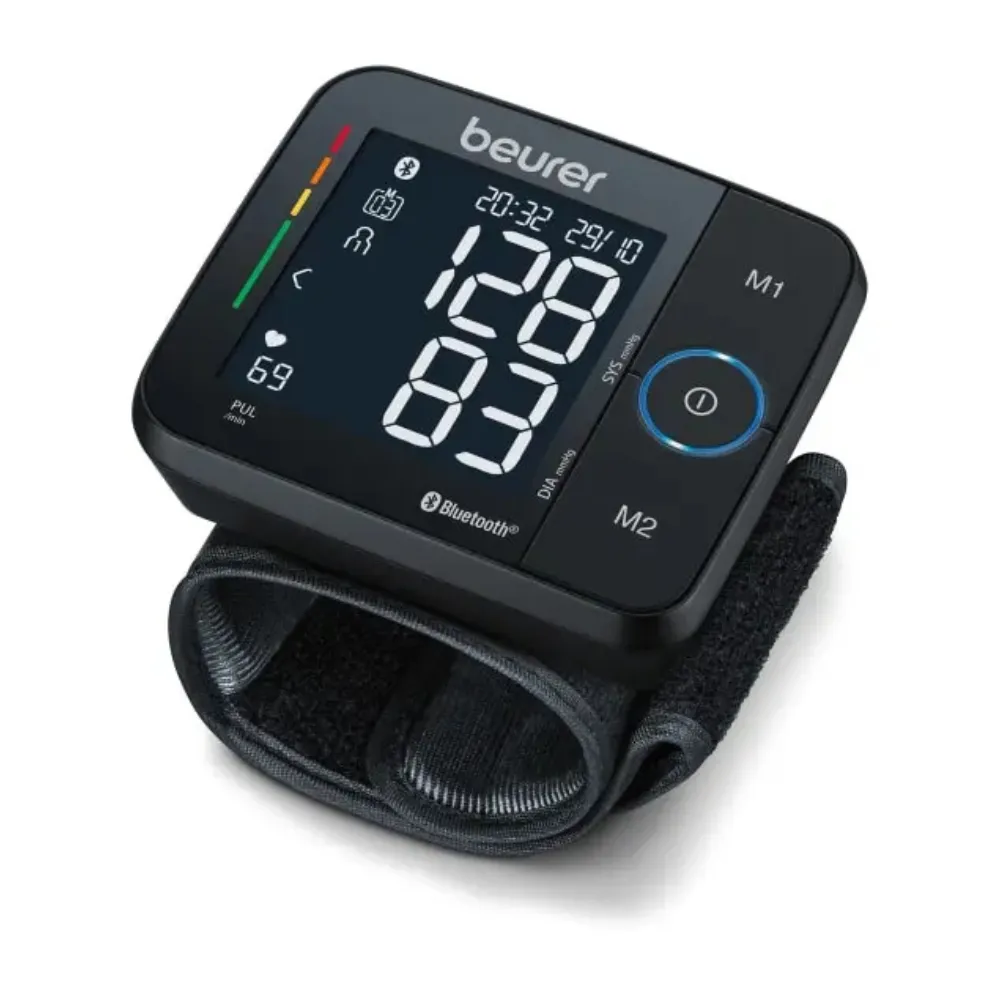
Quick Comparison
For most seniors, an upper-arm monitor is the better everyday choice because major heart-health guidance recommends this style for home blood pressure checks.
A wrist monitor may make more sense for someone who cannot use a properly fitting upper-arm cuff. It is also smaller and can be easier to put on, but correct wrist and arm positioning is especially important.
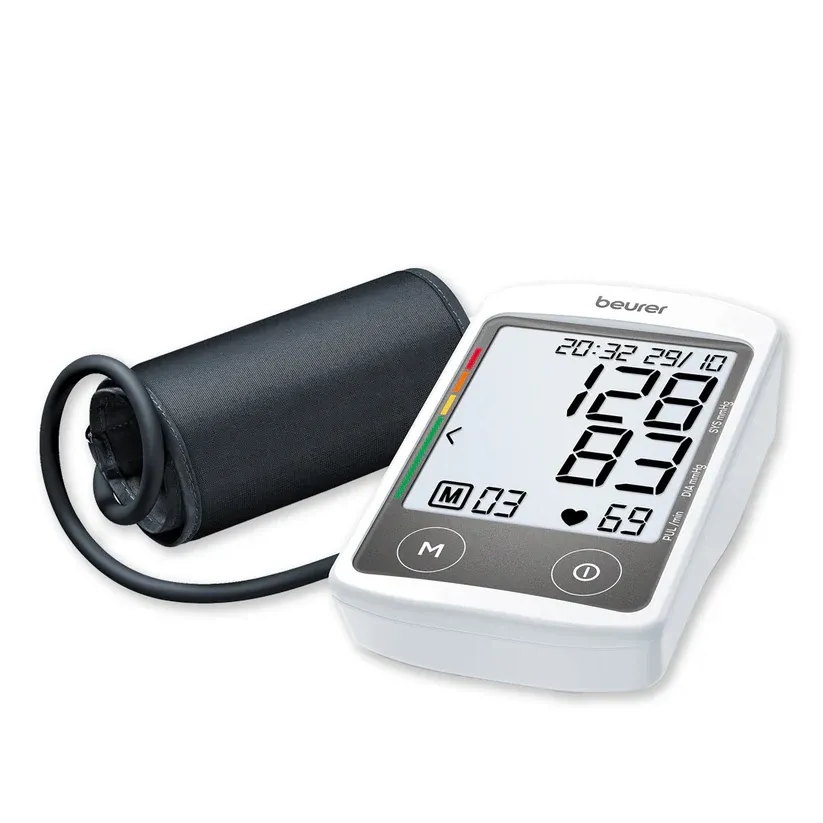
Wrist vs Arm Blood Pressure Monitor At a Glance
The biggest difference is measurement location. Upper-arm monitors measure at the upper arm, while wrist monitors measure near the wrist.
| Feature | Wrist Monitor | Upper-Arm Monitor |
|---|---|---|
| Measurement site | Wrist | Upper arm |
| Routine home use | Possible | Preferred |
| Positioning | More sensitive | Generally easier |
| Portability | Very good | Less portable |
| Setup | Quick | Simple but needs cuff placement |
| Cuff fit | Wrist size | Upper-arm size |
| Senior-friendly use | Good for some users | Good for most users |
| Main concern | Wrist position | Correct cuff size |
Wrist Blood Pressure Monitor for Seniors
Wrist monitors are compact and can be convenient when carrying or storing a larger device is difficult. Their small cuff can also make them appealing to people who find an upper-arm cuff uncomfortable.
Ease of Use
A wrist monitor can be quick to put on. There is no large cuff wrapping around the upper arm.
The challenge is positioning. The wrist should be at heart level, the cuff should sit over the wrist artery, and the wrist should remain still. Bending the wrist can affect the reading.
For a senior with good hand control and the ability to hold the wrist correctly, this may not be a major issue.
Key Strengths
- Small and easy to store
- Convenient for travel
- Quick to put on
- May help when a suitable upper-arm cuff is unavailable
- Can be useful for some people who cannot comfortably use an upper-arm cuff
Potential Drawbacks
- Correct positioning takes care
- Poor wrist positioning can produce inaccurate readings
- It may be harder to keep the wrist at heart level
- It is not the preferred option for routine home monitoring according to the American Heart Association
A wrist monitor is not simply a smaller version of an upper-arm monitor. Correct positioning matters a lot.
Upper-Arm Blood Pressure Monitor for Seniors
Upper-arm monitors are the standard choice recommended for routine home blood pressure monitoring. The American Heart Association recommends an automatic, cuff-style upper-arm monitor and says wrist and finger monitors give less reliable readings.
Ease of Use
An upper-arm monitor requires the cuff to be placed correctly on the bare upper arm. The arm should then be supported at heart level while the measurement is taken.
Once the setup becomes familiar, this process is fairly straightforward. The most important issue is getting the correct cuff size. A cuff that is too large or too small can affect the reading.
Key Strengths
- Preferred for routine home monitoring
- Easier to follow standard measurement guidance
- Less dependent on precise wrist positioning
- Available with many useful memory features
- Correct cuff sizing can support reliable measurements
Potential Drawbacks
- The cuff can feel bulky
- Some users may find it harder to wrap around the arm
- A very large or very small arm may require a specific cuff size
- Less compact than most wrist monitors
Which Is Easier for Seniors to Use?
Ease of use depends on the person.
A wrist monitor is physically simple to put on, but it requires careful positioning during every measurement. An upper-arm monitor takes more effort to position initially, but its measurement procedure is more consistent with standard home-monitoring guidance.
For seniors who have trouble holding the wrist at heart level, an upper-arm monitor may be easier in practice.
For someone who cannot comfortably use an upper-arm cuff, a wrist monitor may be a practical alternative. Mayo Clinic notes that wrist monitoring may be appropriate for some people when a properly fitting upper-arm cuff is not available.
Performance Comparison
For blood pressure monitors, performance is mainly about obtaining dependable readings rather than measuring speed or power.
Upper-arm monitors have an advantage for routine home monitoring because the American Heart Association specifically recommends this type. Wrist monitors can work, but technique becomes particularly important.
| Performance Area | Wrist Monitor | Upper-Arm Monitor |
|---|---|---|
| Standard home use | Acceptable in some cases | Preferred |
| Position sensitivity | High | Moderate |
| Correct cuff fit | Important | Very important |
| Measurement consistency | Depends strongly on technique | Generally easier to standardize |
| Validation | Should be checked | Should be checked |
A monitor should not be judged only by whether it displays a number. The device should be validated, fitted correctly, and used according to its instructions. The FDA also warns against unauthorized devices that claim to measure blood pressure because inaccurate readings can create health risks.
Comfort, Accessibility, and Senior-Friendly Design
Comfort matters, but accuracy should remain the first priority for a health-monitoring device.
A wrist monitor may be more comfortable for someone who dislikes a larger upper-arm cuff. Its small size can also help with storage and travel.
An upper-arm monitor may be preferable for someone who wants a familiar measurement process that follows standard home-monitoring recommendations.
Consider these practical points:
- Can the user put the cuff on without help?
- Can they keep the arm or wrist at heart level?
- Can they read the display clearly?
- Is the cuff comfortable?
- Can they repeat the process the same way each time?
- Does the device have useful memory for recording readings?
Features Comparison
Extra features can be useful, but they should not distract from measurement quality.
| Feature | Wrist Monitor | Upper-Arm Monitor |
|---|---|---|
| Memory | Often available | Often available |
| Digital display | Common | Common |
| Portable design | Strong advantage | Moderate |
| Multiple readings | Model-dependent | Model-dependent |
| Position sensitivity | Higher | Lower |
| Cuff-size options | Wrist-dependent | Often multiple sizes |
The exact features depend on the model. Do not assume that every wrist or upper-arm monitor includes the same memory, averaging, connectivity, or alert functions.
Price, Maintenance, and Long-Term Value
Price varies widely by model, so comparing the two types only by purchase cost can be misleading.
The better value is the device that the user can operate correctly and use consistently. A cheaper monitor is not a good value if its cuff does not fit or the user struggles with positioning.
Before buying, check:
- Correct cuff or wrist size
- Device validation
- Display readability
- Memory features
- Replacement requirements
- Warranty
- Power source
- Availability of replacement parts
The American Heart Association recommends taking a home monitor to a healthcare professional’s office to check that it is being used correctly and that its readings compare appropriately with office equipment.
Who Should Choose a Wrist Monitor?
A wrist monitor may be worth considering if:
- An upper-arm cuff does not fit properly.
- An upper-arm cuff is difficult or uncomfortable to use.
- Portability is especially important.
- The user can position the wrist correctly.
- A healthcare professional has confirmed that the device is appropriate.
It is especially important to follow the manufacturer’s positioning instructions. Mayo Clinic advises placing the monitor over the wrist artery and keeping the wrist at heart level.
Who Should Choose an Upper-Arm Monitor?
An upper-arm monitor is generally the more suitable choice if:
- You want the standard option for home monitoring.
- You can use an appropriately sized upper-arm cuff.
- You want to follow American Heart Association recommendations.
- You want a measurement setup that is easier to standardize.
- You plan to monitor blood pressure regularly.
The American Heart Association specifically recommends an automatic upper-arm cuff-style monitor for home use.
Wrist vs Arm Blood Pressure Monitor — Final Verdict
For most seniors who can comfortably use a properly fitting cuff, the upper-arm monitor is the preferred option for routine home blood pressure monitoring.
The wrist monitor has a useful role when an upper-arm cuff is unsuitable, uncomfortable, or unavailable. Its smaller design can also make it convenient for travel. However, wrist positioning must be done carefully because incorrect positioning can affect the result.
Category Summary
| Category | Better-Suited Option |
|---|---|
| Routine home monitoring | Upper-arm |
| Portability | Wrist |
| Standard measurement method | Upper-arm |
| Small storage space | Wrist |
| Easier standardization | Upper-arm |
| Alternative when arm cuff is unsuitable | Wrist |
| Overall everyday choice for most users | Upper-arm |
Scoring Summary
Because these are health-monitoring devices, arbitrary accuracy scores can be misleading. A simple practical comparison is more useful.
| Category | Wrist Monitor | Upper-Arm Monitor |
|---|---|---|
| Ease of Use | Good | Very Good |
| Portability | Excellent | Good |
| Positioning Simplicity | Fair | Good |
| Routine Home Use | Good | Very Good |
| Senior-Friendly Design | Good | Very Good |
| Practical Value | Depends on user | Strong for most users |
These ratings describe practical usability rather than medical accuracy scores. Individual models can differ significantly.
How We Evaluate Products
For blood pressure monitors, the comparison should focus on measurement setup, usability, cuff fit, positioning, validation, comfort, and long-term practicality.
We do not treat a manufacturer’s marketing claim as proof of accuracy. A validated device and correct measurement technique matter more than a long feature list.
The American Heart Association recommends validated monitors and emphasizes correct cuff size and positioning.
Senior-Specific Buying Considerations
Before choosing a monitor, check these points.
Cuff Fit
An upper-arm cuff must fit the user’s arm correctly. An incorrect cuff size can produce inaccurate readings.
Physical Effort
Consider whether the user can wrap and secure the cuff without help.
Controls
Large, simple buttons and an easy-to-read display can make regular monitoring less frustrating.
Positioning
Think about whether the user can comfortably keep the arm or wrist at heart level during measurement.
Storage
A wrist monitor usually takes less space. An upper-arm monitor needs room for the monitor, cuff, and tubing.
Validation
Look for a validated device rather than choosing based only on brand popularity or extra features.
Common Buying Mistakes
Avoid these mistakes when choosing between the two types:
- Choosing a monitor only because it is cheaper
- Ignoring cuff size
- Assuming a wrist monitor is automatically less accurate
- Assuming an upper-arm monitor is accurate regardless of technique
- Buying a device with features the user will never use
- Ignoring validation
- Taking readings with the wrist or arm in the wrong position
Safety
Blood pressure readings can affect health decisions, so accuracy matters.
The FDA warns that unauthorized blood pressure devices may provide inaccurate measurements, which can contribute to inappropriate health decisions. For medical care that depends on accurate readings, the FDA recommends discussing an appropriate authorized device with a healthcare professional.
Do not change blood pressure medication based only on a home reading. The American Heart Association advises discussing home monitoring with a healthcare professional and not stopping medication without professional guidance.
If a reading is unexpectedly high or low, repeat the measurement using proper technique and follow the instructions given by your healthcare professional.
Conclusion
The main difference between a wrist and upper-arm blood pressure monitor is not simply size. It is how and where the blood pressure is measured, and how easy it is to maintain correct positioning.
For most seniors, an upper-arm monitor is the preferred everyday choice. A wrist monitor can be a practical alternative when an upper-arm cuff is difficult to use or does not fit properly. Whichever type you choose, look for a validated device, use the correct fit, and follow the measurement instructions carefully.
