
What Is a Senior Investigating Officer


Kitchen Timer with Large Display

Shower Chair for Elderly

Adult Coloring Book
Senior Investigating Officers are seasoned detectives who handle high-stakes cases and mentor junior staff. They blend deep experience with modern tech to solve crimes. This role is pivotal in today’s evolving law enforcement landscape.
Have you ever watched a crime drama and wondered who the calm, experienced detective is that everyone looks to in a crisis? That’s often the Senior Investigating Officer (SIO). In the complex world of law enforcement, this role is the backbone of serious case management. Think of them as the master conductors of an investigative orchestra, blending years of street-smart experience with cutting-edge forensic science to crack the toughest cases. By 2026, with cyber threats and sophisticated criminal networks on the rise, the SIO’s role is more critical and demanding than ever. This isn’t just a job; it’s a vocation that shapes the very fabric of our justice system.
So, what exactly is a Senior Investigating Officer? At its core, it’s a promotional rank and a functional role within police departments, detective bureaus, and specialized agencies like the FBI or Homeland Security Investigations. An SIO isn’t just a detective with more years on the force; they are a designated leader responsible for the overall strategy, integrity, and success of major investigations. They are the final decision-maker on the ground, the one who signs off on search warrants, interviews key suspects, and ensures every piece of evidence holds up in court. Their authority stems from a deep well of knowledge, earned through countless hours solving everything from burglaries to homicides.
This article is your complete guide to understanding the Senior Investigating Officer. We’ll pull back the curtain on their daily realities, the skills that define them, and the path to achieving this prestigious position. Whether you’re considering a career in law enforcement, writing a story, or simply curious about the heroes behind the headlines, you’ll find actionable insights and real-world context here. Let’s dive in.
Key Takeaways
- Leadership Role: They oversee major investigations and teams, ensuring thorough and compliant operations.
- Experience Required: Typically 10+ years in law enforcement with a proven track record in investigations.
- Specialized Skills: Advanced analytical thinking, forensic knowledge, and tech proficiency are essential.
- Case Types: Often handle complex, cold, or sensitive cases, including those affecting vulnerable populations.
- Mentorship: Train and guide junior investigators, shaping the next generation of detectives.
- Adaptability: Must continuously evolve with advancements in digital forensics, cybercrime, and legal standards.
- Impact: Their work directly influences community safety, justice outcomes, and policy development.
📑 Table of Contents
- The Defining Role: More Than Just a Senior Detective
- A Day in the Life: Core Responsibilities Unveiled
- The Essential Skill Set: What Makes an SIO Successful?
- The Path to Promotion: Career Progression and Requirements
- Challenges and Rewards: The Realities of the Role
- The Future of the SIO: Trends Shaping the Role in 2026 and Beyond
- Is This Career for You? A Practical Guide
The Defining Role: More Than Just a Senior Detective
First, it’s crucial to distinguish a Senior Investigating Officer from a standard detective or a junior investigator. The title “senior” here signifies a combination of rank, experience, and responsibility. While a detective might work on a case under supervision, an SIO is in charge of the investigation from inception to prosecution. They are the accountable authority for that case file.
Rank vs. Function: Understanding the Nuance
In many departments, “Senior Investigating Officer” is an actual pay grade or rank (like Sergeant or Lieutenant). However, it can also be a functional designation. A detective with 15 years of exemplary service might be ” appointed” as an SIO for a specific major case, even if their official rank is Detective. This appointment grants them temporary expanded authority for that investigation. The key takeaway is the function: strategic oversight and ultimate accountability. They don’t just gather clues; they build the entire investigative framework.
Core Accountability
An SIO’s signature on an arrest warrant or a case review means they have personally assessed the evidence and believe there is probable cause. They are legally and professionally responsible for the investigation’s adherence to the law, constitutional rights, and departmental policy. This weighty responsibility means they must be meticulous, unbiased, and prepared to defend every decision in court. Their work protects the integrity of the entire justice process.
A Day in the Life: Core Responsibilities Unveiled
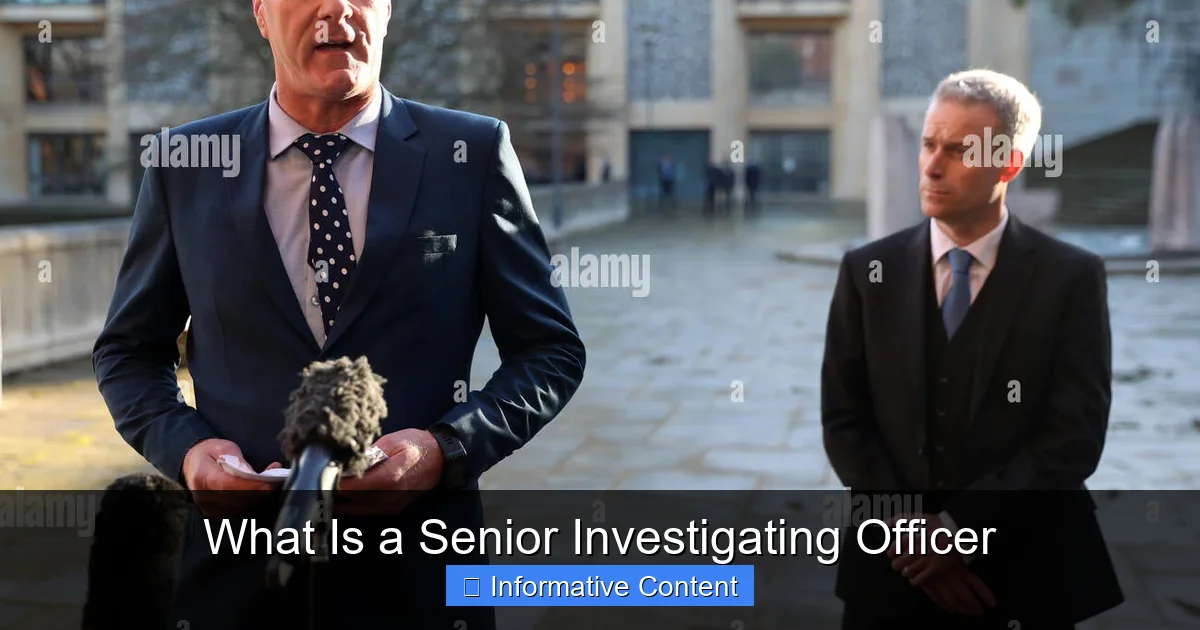
The daily life of an SIO is rarely routine. It’s a dynamic mix of administrative oversight, hands-on detective work, and high-pressure leadership. One moment they might be reviewing forensic lab reports; the next, they’re briefing a team of officers before a high-risk arrest. Their responsibilities can be broken down into several key areas.
Visual guide about What Is a Senior Investigating Officer
Image source: c8.alamy.com
Leading the Investigation
The SIO is the architect of the case. This involves:
- Developing Strategy: Creating the overall investigative plan, identifying targets, and allocating resources (personnel, budget, technology).
- Authorizing Actions: Approving surveillance operations, search warrants, and undercover assignments. This requires a sharp legal mind to ensure actions are admissible in court.
- Integrating Intelligence: Synthesizing information from patrol officers, forensic analysts, confidential informants, and digital sources into a coherent narrative.
For example, in a 2025 cyber-fraud case targeting seniors, an SIO would decide whether to pursue a digital money trail or focus on physical asset seizure, balancing speed with evidentiary strength.
Mentorship and Team Development
A crucial, often unseen, part of the job is developing people. SIOs mentor junior detectives and officers, teaching them investigative techniques, report writing, and courtroom demeanor. They foster a culture of excellence and ethical conduct within their team. This mentorship directly impacts the quality of future investigations and department morale.
Liaison and Communication
The SIO is a key communication hub. They brief superiors on progress, coordinate with prosecutors to ensure a winnable case, and often interface with victims’ families or community leaders, especially in sensitive cases. Clear, compassionate communication is vital, particularly when dealing with traumatic situations. They must translate complex forensic details into understandable language for a jury or the public.
The Essential Skill Set: What Makes an SIO Successful?
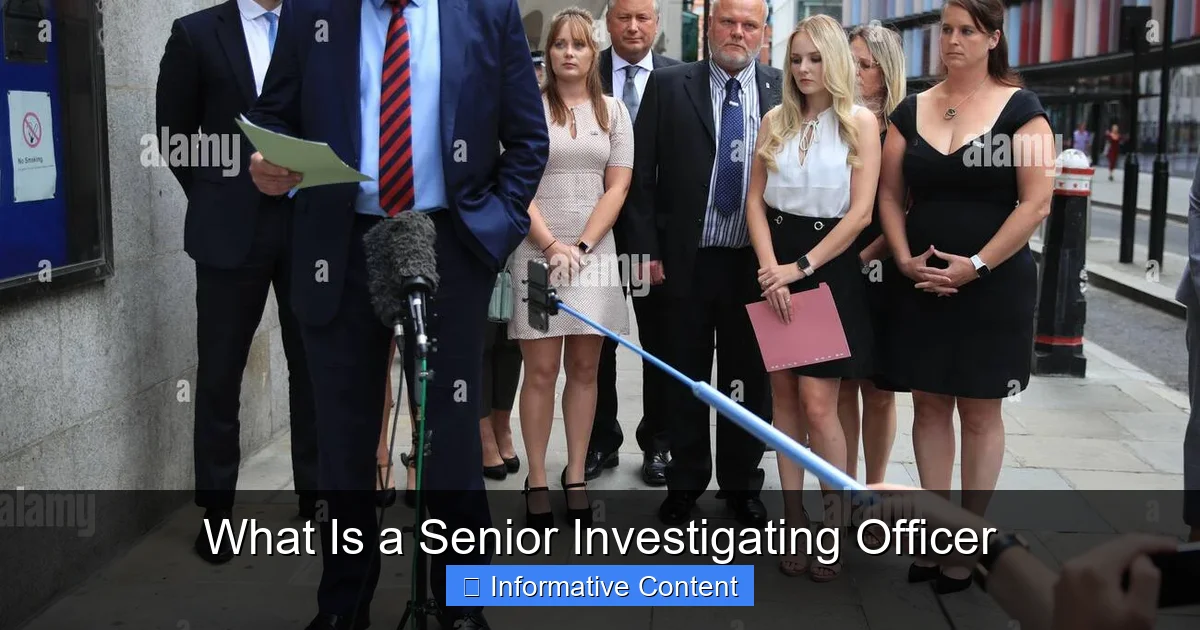
Becoming a Senior Investigating Officer isn’t just about time served; it’s about cultivating a specific, advanced toolkit. The best SIOs possess a rare blend of hard and soft skills.
Visual guide about What Is a Senior Investigating Officer
Image source: c8.alamy.com
Analytical and Critical Thinking
This is the cornerstone. An SIO must see patterns others miss, evaluate the credibility of conflicting statements, and anticipate defense strategies. They think several steps ahead, asking “What if?” and “What’s the weakest link in our evidence?” This skill turns a collection of facts into a compelling, provable story.
Mastery of Modern Forensics and Technology
Gone are the days of solely relying on fingerprints and witness statements. By 2026, an effective SIO must understand digital forensics (cell phone data, cloud storage, cryptocurrency transactions), advanced surveillance technology, and data analytics. They don’t need to be a hacker, but they must know what’s possible to direct their tech units effectively. This tech-savviness is non-negotiable in fighting modern crime.
Emotional Intelligence and Resilience
Investigating violent crimes or large-scale fraud takes a psychological toll. An SIO must manage their own stress while supporting their team’s mental health. They need high emotional intelligence to read people—suspects, victims, witnesses—and to navigate the intense pressures of a major case without burning out. This resilience allows for sustainable, long-term career performance.
Ethical Fortitude and Unwavering Integrity
The SIO is the guardian of procedural justice. They must resist the “ends justify the means” temptation, even in high-profile cases. Their integrity ensures investigations are clean, evidence is obtained legally, and the rights of the accused are protected. This builds trust with prosecutors and the courts, which is essential for securing convictions that stand up on appeal.
The Path to Promotion: Career Progression and Requirements
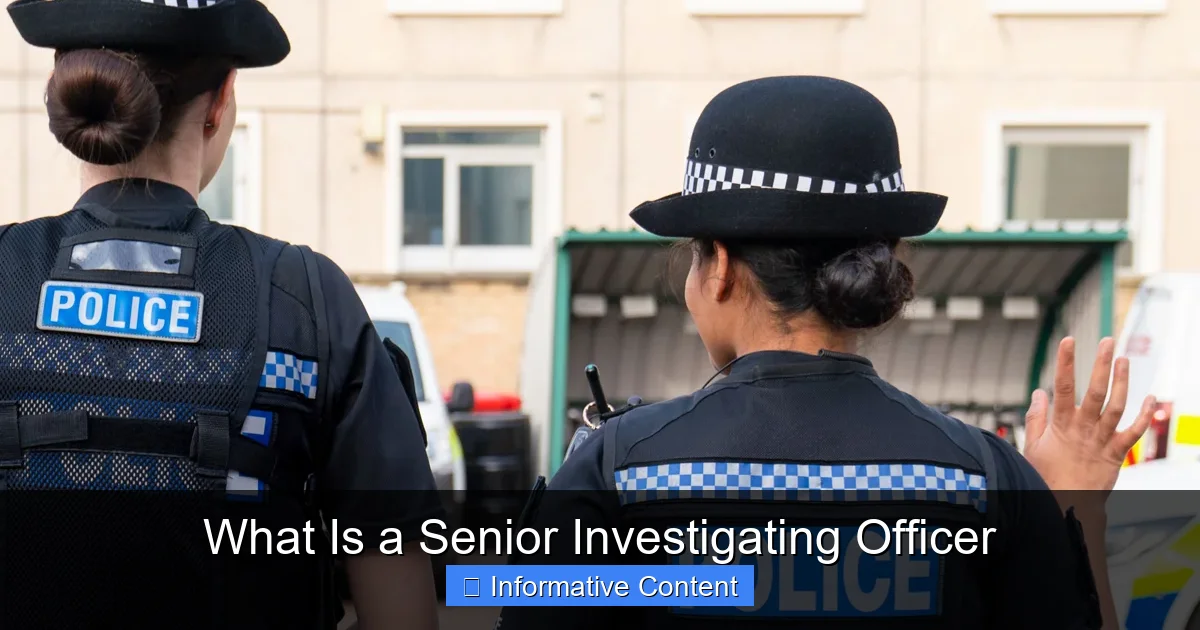
The journey to becoming a Senior Investigating Officer is a marathon, not a sprint. It requires deliberate planning, continuous learning, and demonstrated excellence.
Visual guide about What Is a Senior Investigating Officer
Image source: college.police.uk
Typical Career Ladder
The path is generally linear but varies by agency:
- Patrol Officer/Agent (Years 1-5): Learn the fundamentals of law, procedure, and community policing. This is where foundational skills are built.
- Detective/Investigator (Years 5-10): After a competitive selection process, officers move into investigative units (e.g., property crimes, persons, narcotics). Here, they hone core investigative skills under supervision.
- Senior Detective / Lead Investigator (Years 10-15): Experience leads to more complex cases and informal leadership. Officers may start mentoring others and handling minor supervisory duties.
- Senior Investigating Officer (Years 15+): Promotion to this rank or functional role typically requires a combination of years of service, successful case completion rates, advanced training, and often, a bachelor’s degree (in criminal justice, law, or a related field). Leadership courses and certifications (like in forensic interviewing) are highly valued.
Essential Training and Education
Beyond the police academy, aspiring SIOs pursue specialized training: advanced homicide investigation schools, FBI’s National Academy, cybercrime courses, and leadership programs. A college degree is increasingly a standard requirement for promotional boards. Continuous education is part of the job, as laws and technologies evolve rapidly.
What Agencies Look For
Promotional boards evaluate past performance reviews, commendations, disciplinary history, and oral board interviews. They seek candidates who demonstrate strategic thinking, sound judgment, and the ability to lead under pressure. A history of successfully closing complex cases is the strongest credential.
Challenges and Rewards: The Realities of the Role
Being an SIO is one of the most demanding roles in law enforcement, but it also offers profound rewards.
The High-Pressure Challenges
- Emotional and Physical Toll: Constant exposure to trauma, violence, and high-stakes decision-making can lead to burnout, PTSD, and family strain. The weight of responsibility for a case’s outcome is immense.
- Bureaucratic and Administrative Burden: A significant portion of time is spent on reports, briefings, and compliance paperwork, which can feel disconnected from the “detective work.”
- Public Scrutiny and Media: In major cases, SIOs face intense media and public pressure, requiring exceptional composure and communication skills to manage narratives without compromising the investigation.
- Technological Arms Race: Criminals constantly adopt new tech. SIOs must stay ahead of the curve, which requires constant learning and access to updated resources.
The Deep Rewards and Impact
- Justice and Closure: There is no substitute for bringing resolution to victims and families. Solving a cold case or preventing a future crime provides a powerful sense of purpose.
- Mentorship Legacy: Shaping the careers of younger officers and improving overall investigative quality creates a lasting institutional impact.
- Intellectual Challenge: The role is a constant puzzle. For those who love problem-solving, it offers unparalleled mental stimulation.
- Respect and Authority: The position commands respect from peers, prosecutors, and the community, based on earned expertise and integrity.
The Future of the SIO: Trends Shaping the Role in 2026 and Beyond
Looking ahead, the Senior Investigating Officer role is transforming. Several key trends are redefining what it means to be an effective leader in investigations.
The AI and Data Analytics Revolution
Artificial Intelligence is no longer sci-fi. By 2026, SIOs will routinely use AI-powered tools to sift through massive datasets—from social media to financial records—to identify connections and predict criminal patterns. The SIO’s role shifts from manual data sorting to strategic query design and result validation. They must understand AI capabilities and limitations to avoid algorithmic bias and ensure evidence is legally sound. This tech integration makes investigations faster but also demands new ethical frameworks.
Cybercrime as the Primary Battlefield
Ransomware, deepfake fraud, and large-scale data breaches are now everyday occurrences for SIOs, even in regional departments. The physical/digital investigation divide is disappearing. An SIO on a homicide case might need to understand cryptocurrency trails, while one on a public corruption case analyzes encrypted communications. Specialized cyber-crime units are growing, but all SIOs require foundational digital literacy.
Community-Oriented and Proactive Policing
The future is less about reactive response and more about proactive, intelligence-led policing. SIOs will work more closely with community leaders, social services, and mental health experts to address root causes of crime and build trust. For instance, an SIO investigating a series of thefts from seniors might collaborate with local assisted living facilities and victim advocacy groups to develop prevention strategies, not just solve the crimes after they occur. This holistic approach improves outcomes and community relations.
Interagency and International Collaboration
Crime is increasingly transnational. A fraud case may span multiple states or countries. SIOs must be adept at joint operations with federal agencies (FBI, Secret Service) and international partners via entities like Interpol. This requires diplomatic skills and an understanding of different legal jurisdictions.
Is This Career for You? A Practical Guide
If the role of Senior Investigating Officer sounds compelling, here’s a practical roadmap to start preparing today.
Self-Assessment: Do You Have the Temperament?
Ask yourself honestly: Do you thrive under pressure? Can you make difficult calls with incomplete information? Are you detail-oriented yet able to see the big picture? Do you have the emotional resilience to handle traumatic content? Do you enjoy mentoring others? A “yes” to these suggests a potential fit.
Immediate Steps for Aspiring Officers
- Focus on Foundational Performance: Excel in your current patrol or junior detective role. Be known for integrity, thoroughness, and sound report writing.
- Pursue Education: If you don’t have a degree, start working on an associate’s or bachelor’s in criminal justice, law, or a related field. It’s often a promotion prerequisite.
- Seek Diverse Experience: Volunteer for assignments in different units (vice, property crimes, special victims). Broad experience builds the pattern recognition crucial for an SIO.
- Find a Mentor: Connect with a current or retired SIO. Their guidance on navigating politics, training, and career decisions is invaluable.
Developing the “SIO Mindset” Now
Even before promotion, you can cultivate the strategic perspective. When on a case, don’t just focus on your task; think about the overall investigation. How does your piece fit? What questions remain? Read appellate court decisions to understand what makes evidence strong or weak. Study successful investigations in the news, analyzing their strategy. This habit of big-picture thinking is the hallmark of an SIO in training.
The Senior Investigating Officer stands at the nexus of law, science, and human drama. They are the architects of justice in our communities, tasked with unraveling complexity and upholding the rule of law. The path is arduous, requiring a decade or more of dedicated service, continuous learning, and unwavering ethical strength. Yet, for those called to it, there is no more impactful role within frontline law enforcement. As we move further into 2026, the SIO will remain an indispensable figure, adapting to new technologies and threats while holding fast to the core principles of thorough, fair, and relentless investigation. They are not just solving crimes; they are safeguarding the very promise of a just society.
Frequently Asked Questions
What is the primary difference between a Detective and a Senior Investigating Officer?
The key difference lies in authority and scope. A Detective typically works on cases under the guidance of a supervisor. A Senior Investigating Officer has ultimate responsibility for major investigations, makes final strategic decisions, and is legally accountable for the case’s integrity and outcomes.
How many years of experience are usually required to become an SIO?
While it varies by agency, most require a minimum of 10-15 years of progressive law enforcement experience, with at least 5-7 years spent in an investigative capacity. Demonstrated success in complex cases and leadership training are also mandatory.
Do Senior Investigating Officers still go into the field and make arrests?
Yes, absolutely. While their role is more strategic, SIOs are often present for critical actions like high-risk arrests, search warrant executions, and key interviews. They lead from the front, but their involvement is focused on the most sensitive or pivotal moments of an investigation.
What types of cases do SIOs typically handle?
SIOs are assigned to the department’s most serious and complex cases, which often include homicides, major sexual assaults, organized crime, public corruption, large-scale financial fraud (including schemes targeting senior citizens), and terrorism. They may also be tasked with cold case reviews.
Is the role of an SIO more administrative or hands-on?
It is a dynamic blend of both. The role is approximately 60% strategic/administrative (planning, briefing, reporting, liaison) and 40% hands-on investigative work (interviewing suspects, reviewing forensic evidence, scene oversight). The balance shifts depending on the case’s phase and urgency.
What is the typical salary range for a Senior Investigating Officer in 2026?
Salaries vary widely by location, agency (local, state, federal), and cost of living. However, based on 2024-2025 trends and projected adjustments, an SIO in a major metropolitan area can expect a base salary ranging from $95,000 to $140,000 annually, with federal roles (e.g., FBI Special Agent in Charge) often exceeding $150,000. This does not include overtime, which can be significant in major cases.