
Top Senior Safety Products for Home to Prevent Falls


Weighted Blanket
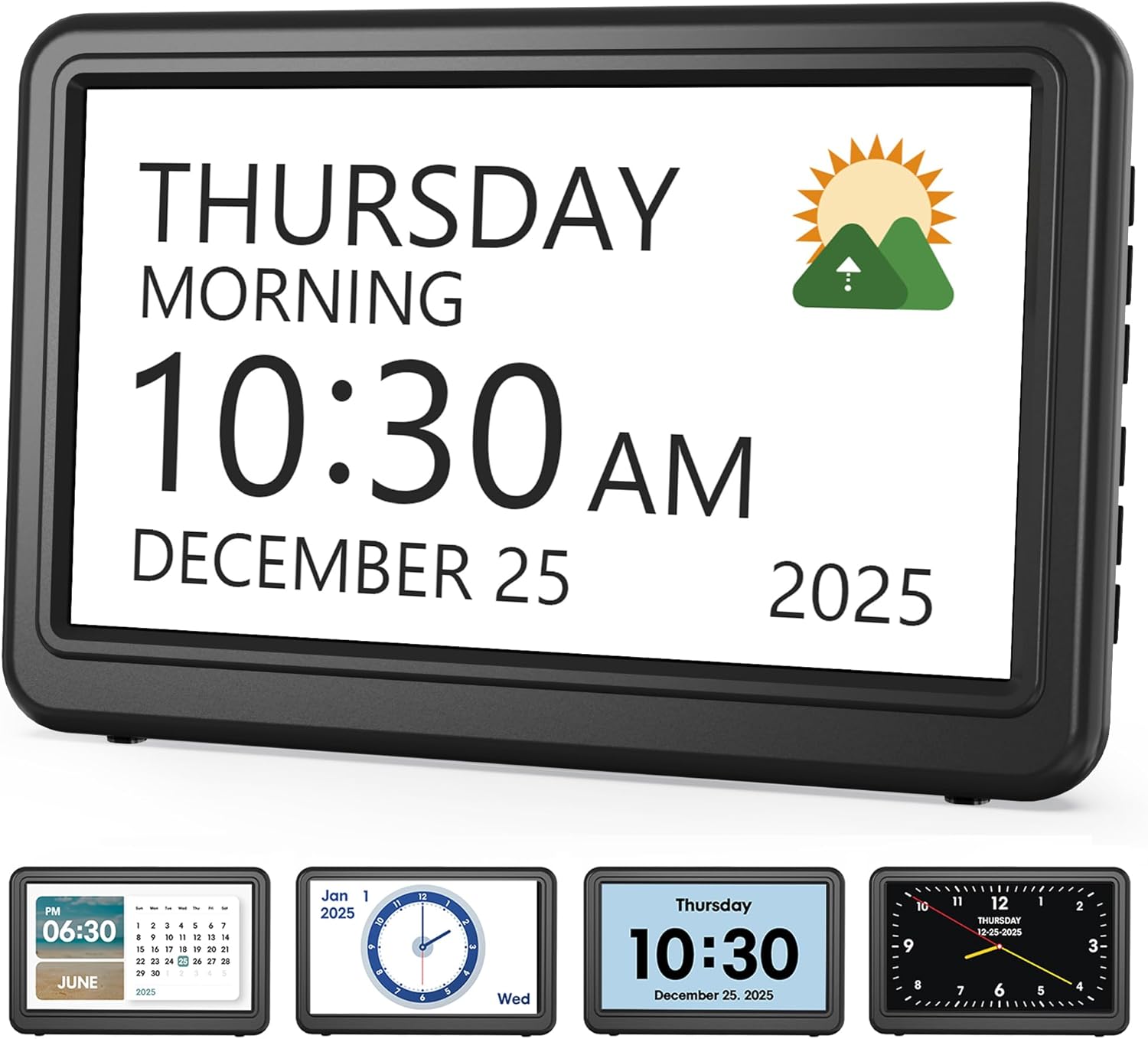
Medication Reminder Alarm

Adaptive Eating Utensils
The best senior safety products for home are the ones that reduce the biggest fall risks in bathrooms, bedrooms, stairs, and dark walkways. Focus on stable support, good lighting, and non-slip surfaces, and consult your doctor if falls, dizziness, or weakness are becoming a concern.
Falls are one of the biggest concerns for older adults at home, but the good news is that many falls can be reduced with the right setup. The best senior safety products for home are simple, practical, and focused on making daily movement steadier in the rooms that matter most.
- Start with high-risk rooms: Bathrooms, bedrooms, and stairs usually need the most attention.
- Choose stable support: Properly installed grab bars and rails are often more reliable than temporary fixes.
- Improve visibility: Motion lights and pathway lighting can reduce nighttime falls.
- Remove trip hazards: Rugs, cords, and clutter can undo the benefits of safety products.
- Match products to ability: Pick items that fit the user’s strength, balance, and daily routine.
Why Senior Safety Products for Home Matter in 2026
As people age, balance, strength, vision, and reaction time can all change a little at a time. A home that once felt easy to move around in may start to have hidden risks, especially in bathrooms, stairways, and dim hallways.
In 2026, many families are looking for ways to support aging in place without major remodeling. That is why home safety products matter: they can add stability, improve lighting, and reduce common trip points without turning the house into a construction project.
How fall risks change with age, mobility, and home layout
Fall risk is not the same for every senior. Someone with arthritis may have trouble stepping over a tub wall, while another person may be steady on flat ground but unsteady at night when getting out of bed.
Home layout also matters. Tight hallways, slippery floors, loose rugs, steep stairs, and poor lighting can all increase the chance of a stumble. If a person uses a cane, walker, or recovery aid, even small obstacles can become much more serious.
What readers are looking for: safer daily living without major renovations
Most readers want solutions that are affordable, easy to understand, and realistic to install. That often means products that improve safety right away, such as grab bars, motion lights, and non-slip mats.
These items are especially helpful when a senior wants to stay independent but needs a little more support. If you are unsure which products fit best, talk to your doctor or consult your pharmacist/healthcare provider, especially if dizziness, weakness, or medication side effects may be part of the problem.
Best Senior Safety Products for Home to Prevent Falls
The most useful products are usually the ones that solve a specific problem in a specific room. A bathroom may need support for getting in and out of the shower, while a hallway may need better lighting and a steadier path.
Grab bars and safety rails for bathrooms, hallways, and stair entry points
Grab bars are among the most important fall-prevention tools because they give a person something stable to hold when standing, turning, or stepping. They are especially useful near toilets, tubs, showers, and stair landings.
For best results, choose bars made for weight-bearing support and installed into wall studs or with proper mounting hardware. Towel bars and decorative bars are not safe substitutes. If you are considering installation near a stairwell or in a wall with unusual materials, a professional installer may be worth the cost.
Non-slip bath mats, shower chairs, and handheld showerheads for wet areas
Wet floors are a major hazard, especially for seniors with limited balance or joint pain. A non-slip bath mat can help outside the tub or shower, while a shower chair can reduce the need to stand for long periods.
A handheld showerhead makes bathing easier when bending or turning is difficult. This can be helpful after surgery or for someone with arthritis, but the setup should still be stable and easy to reach. If standing in the shower feels unsafe, ask your doctor whether bathing changes are needed for your condition.
Bed rails, transfer aids, and chair assists for safer sit-to-stand movement
Getting up from bed or a low chair can be surprisingly risky, especially first thing in the morning or after sitting for a long time. Bed rails, transfer handles, and chair assists can provide extra support during these transitions.
For some seniors, the right support can reduce the urge to pull on unstable furniture. If you are looking at senior beds with safety rails, pay attention to height, mattress fit, and how easily the user can get in and out without strain.
Motion-sensor night lights and pathway lighting for nighttime fall prevention
Many falls happen at night because a person gets up quickly and cannot see the floor clearly. Motion-sensor lights can turn on automatically in hallways, bedrooms, bathrooms, and along the path to the kitchen.
These lights are especially useful for seniors who wake up to use the bathroom or who do not want bright overhead lighting during the night. Keep pathways consistent and avoid adding furniture or clutter that could block the lighted route.
Non-slip rugs, stair treads, and floor grips for high-traffic spaces
Loose rugs are a common trip hazard, and high-traffic areas often need extra traction. Non-slip backing, rug pads, stair treads, and floor grips can help reduce sliding on wood, tile, or laminate floors.
That said, no rug is completely safe if it curls, shifts, or has thick edges. The safest choice is often to remove unnecessary rugs altogether. If rugs must stay, make sure they lie flat and do not bunch up under walkers or canes.
How to Choose the Right Products for Different Home Areas
The best home safety plan starts room by room. A product that works well in the bathroom may not be useful in the kitchen, and a stair solution may not help with nighttime bathroom trips.
Bathroom safety priorities for seniors aging in place
The bathroom is usually the top priority because it combines water, hard surfaces, and frequent movement. Start with grab bars, non-slip flooring, and a shower chair if standing for long periods is tiring.
Also think about toilet height, bathtub entry, and where towels or toiletries are stored. Items should be within easy reach so the person does not need to twist, lean, or step away from support. If there is a fall history, a bathroom-focused assessment can be very helpful.
Bedroom and bedside solutions for nighttime mobility
Bedroom safety is often overlooked, but many falls happen while getting in and out of bed. A bed rail, bedside lamp, motion light, and clear path to the door can make nighttime movement much safer.
Keep shoes, glasses, a phone, and any needed mobility aid close by. For people who wake up stiff or dizzy, it helps to sit at the edge of the bed for a moment before standing. If dizziness is frequent, talk to your doctor.
Kitchen and living room products that reduce trip hazards
In the kitchen and living room, the biggest risks are often clutter, cords, and hard-to-see floor changes. Keep walkways open and use non-slip mats only where they will not slide or curl.
Furniture should be stable enough for light support, but no one should rely on a chair or side table to steady themselves. If a loved one tends to shuffle or catch their feet, consider rearranging furniture to create wider, simpler paths.
Entryway and staircase safety for multi-level homes
Entryways and stairs deserve special attention because they involve height changes and often have limited lighting. Handrails on both sides, stair treads, and bright lighting can make a major difference.
For homes with multiple levels, it is wise to think about how often the senior must use the stairs and whether daily items can be moved to one floor. If stairs are becoming difficult, a home safety specialist can help you think through options.
Practical Examples: Real-Life Fall Prevention Setups
It can help to picture how these products work together in real homes. The goal is not to buy everything at once, but to build a safer setup that matches the person’s needs.
Small apartment setup for a senior living alone
In a small apartment, space is limited, so the focus should be on the highest-risk areas. A motion night light, a non-slip bath mat, a shower chair, and a few properly placed grab bars may cover the most important needs.
Furniture should be arranged to create wide walking paths, and cords should be kept away from traffic areas. If the person uses a walker, make sure the path from bedroom to bathroom is wide enough and free of loose rugs.
Family home setup for an older adult recovering from surgery
After surgery, a senior may need temporary support even if they were independent before. A bed rail, chair assist, handheld showerhead, and sturdy bathroom support can make daily routines easier during recovery.
This is also a time to reduce bending and reaching. Keep essentials at waist height and avoid asking the person to carry heavy items up or down stairs. If recovery instructions conflict with a product setup, follow the surgeon’s guidance and ask questions early.
Supportive setup for a senior with balance issues or arthritis
For someone with balance concerns or arthritis, comfort and stability matter together. Soft but secure chair assists, strong grab bars, and easy-to-use shower controls can reduce strain on painful joints.
It may also help to use a home safety plan with caregiver support when mobility changes from day to day. If pain, weakness, or unsteadiness is getting worse, consult a healthcare provider before relying on home products alone.
Common Mistakes When Buying Senior Safety Products for Home
Not every product marketed for seniors is truly helpful. Some items look useful but are too weak, too temporary, or poorly matched to the person using them.
Choosing products that do not match the user’s strength or mobility level
A product should fit the person, not just the room. For example, a small support handle may not be enough for someone with significant weakness, and a shower stool may be too low for a person with painful knees.
Think about grip strength, reach, and how much weight the person may place on the product. If the user has trouble standing, gripping, or turning, choose equipment that is easier to hold and easier to trust.
Relying on temporary fixes instead of stable, properly installed equipment
Suction-cup products and lightweight supports can be useful in limited situations, but they are not always reliable for long-term safety. For high-risk areas, stable installation is usually a better choice.
This matters most for grab bars and stair supports. If a product could fail under pressure, it should not be the main source of support. When in doubt, ask a professional installer or occupational therapist for guidance.
Overlooking rugs, cords, clutter, and poor lighting as fall triggers
It is easy to focus on special equipment and forget the basics. Yet many falls happen because of everyday hazards like pet toys, charging cords, cluttered hallways, and dim corners.
A safer home often starts with a clear floor. Even the best home safety products cannot fully protect someone if the walking path is crowded or hard to see.
Buying low-quality products without checking weight limits, grip, or durability
Always check the product’s weight rating, surface grip, and installation instructions. A product that feels sturdy in the store may not be safe once it is used every day.
Durability matters too. If a product loosens, slides, or wears out quickly, it may create more risk than protection. When possible, choose items with clear instructions and a reputation for stable construction.
Cost, Value, and Product Comparison Considerations
Home safety products range from very affordable to more involved upgrades. The right choice depends on the person’s needs, the home layout, and whether the product is temporary or long-term.
Budget-friendly essentials versus higher-end home safety upgrades
Budget-friendly essentials often include non-slip mats, motion lights, and simple organizers that reduce clutter. These can be a smart first step, especially if the main goal is to lower risk quickly.
Higher-end upgrades may include professionally installed grab bars, stair improvements, or more durable bathing equipment. These cost more, but they may offer better long-term value if the person has ongoing mobility concerns.
When to spend more on installation, durability, or medical-grade support
It is often worth spending more when the product is supporting body weight or protecting someone in a high-risk area. Bathroom bars, stair rails, and transfer aids should be dependable every time they are used.
Medical-grade support is not always necessary, but stronger materials and proper installation can make a real difference. If the person has a fall history or uses mobility aids, spending more on stability is usually the wiser choice.
Comparing portable products, permanent fixtures, and professional assessment options
Portable products are flexible and easier to move, which makes them useful for temporary needs or renters. Permanent fixtures usually offer better stability, especially in bathrooms and stairways.
Professional assessment costs more, but it can prevent wasted spending on the wrong items. If you want a clearer side-by-side view, a simple comparison can help:
| Option | Best For | Note |
|---|---|---|
| Portable products | Temporary support or renters | Easy to move, but not always as stable |
| Permanent fixtures | Bathrooms and stairs | Usually safer when properly installed |
| Professional assessment | Complex mobility needs | Helps match products to real risks |
Note
Some safety products may be covered in part by insurance depending on the item, the diagnosis, and the plan. Medicare coverage varies, so check your specific benefits before buying expensive equipment.
When to Get Expert Help for Senior Home Safety
Home products are helpful, but they are not always enough on their own. If falls are becoming more frequent, the safer choice may be to bring in outside help.
Warning signs that a home needs a professional fall-risk evaluation
If a senior has already fallen, feels unsteady often, or avoids certain rooms because they feel unsafe, those are strong reasons to get help. Other warning signs include trouble standing from a chair, holding onto walls for balance, or needing help with bathing.
Repeated near-falls matter too. A home may look fine on the surface while still being risky for the person living there.
When to consult an occupational therapist, caregiver, or home safety specialist
An occupational therapist can help match the home environment to the person’s abilities. A caregiver or home safety specialist may also spot problems that family members miss, such as poor reach, awkward transfers, or unsafe storage.
If medications may be contributing to dizziness or sleepiness, consult your pharmacist/healthcare provider as well. The safest plan often combines equipment, routine changes, and medical review.
Situations where product use alone is not enough for fall prevention
Products alone may not be enough if the senior has severe weakness, frequent dizziness, confusion, or major vision changes. In those cases, the home may need a broader plan that includes medical review, supervision, or more support.
If you are unsure whether a product is safe for a specific condition, talk to your doctor before making changes. That is especially important after surgery, after a recent fall, or when balance has changed quickly.
Final Recap: Building a Safer Home with the Right Senior Safety Products
The best fall-prevention setup is usually simple, stable, and tailored to the person’s daily routine. Focus first on the bathroom, bedroom, stairs, and any dark or cluttered walking paths.
Key takeaways on the most effective fall-prevention products
Grab bars, non-slip bath items, bed rails, motion lights, and floor traction products are among the most useful senior safety products for home. They help reduce the most common risks without requiring a full remodel.
Just as important, the product must match the person’s strength, balance, and living space. A well-chosen item used in the right place is far more valuable than several products that do not fit the need.
Simple next steps for making the home safer in 2026
Start with one room and one problem at a time. Look for the biggest fall risks, remove clutter, improve lighting, and add stable support where it is needed most.
If mobility is changing, or if a fall has already happened, do not wait too long to ask for help. A thoughtful home safety plan can make daily life steadier, calmer, and more confident for the year ahead.
Frequently Asked Questions
Grab bars, non-slip bath items, motion-sensor lights, bed rails, and stair treads are among the most useful products. The best choice depends on the person’s mobility and the rooms they use most.
Suction grab bars may help in limited, temporary situations, but they are not always reliable for long-term support. For high-risk areas like showers and stairs, properly installed bars are usually safer.
Start with grab bars, a non-slip mat, and a shower chair if standing is difficult. Keep toiletries within easy reach and reduce the need to step, twist, or bend.
Coverage varies by product, diagnosis, and plan. Check with your Medicare plan or insurance provider before buying expensive equipment, because some items may be partly covered while others are not.
A fall should be taken seriously, especially if it caused pain, confusion, or loss of confidence. Talk to your doctor and consider a home safety evaluation to look for the cause and reduce future risk.
The bathroom is often the best place to start because it has water, hard surfaces, and frequent movement. After that, focus on the bedroom, stairs, and any dark or cluttered walkways.